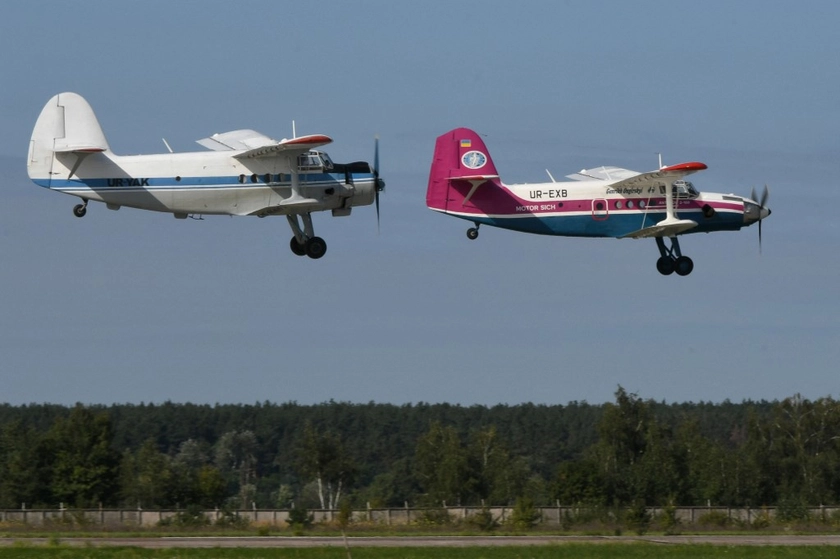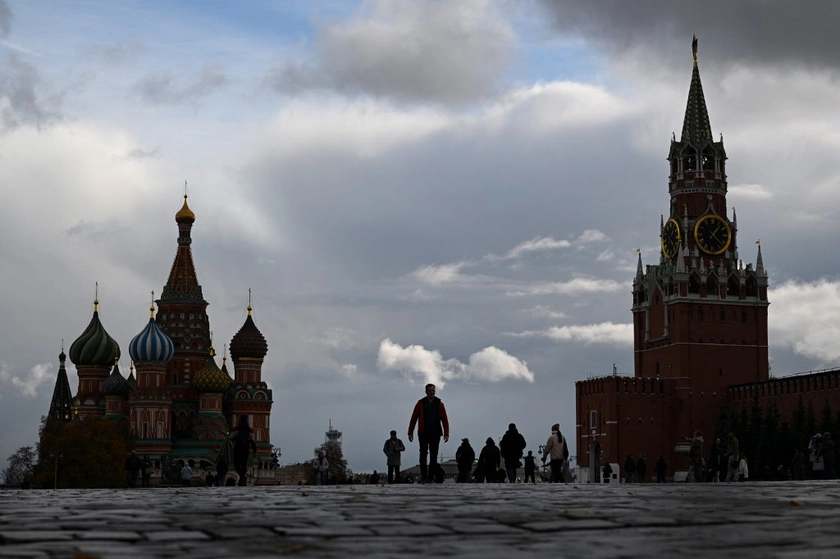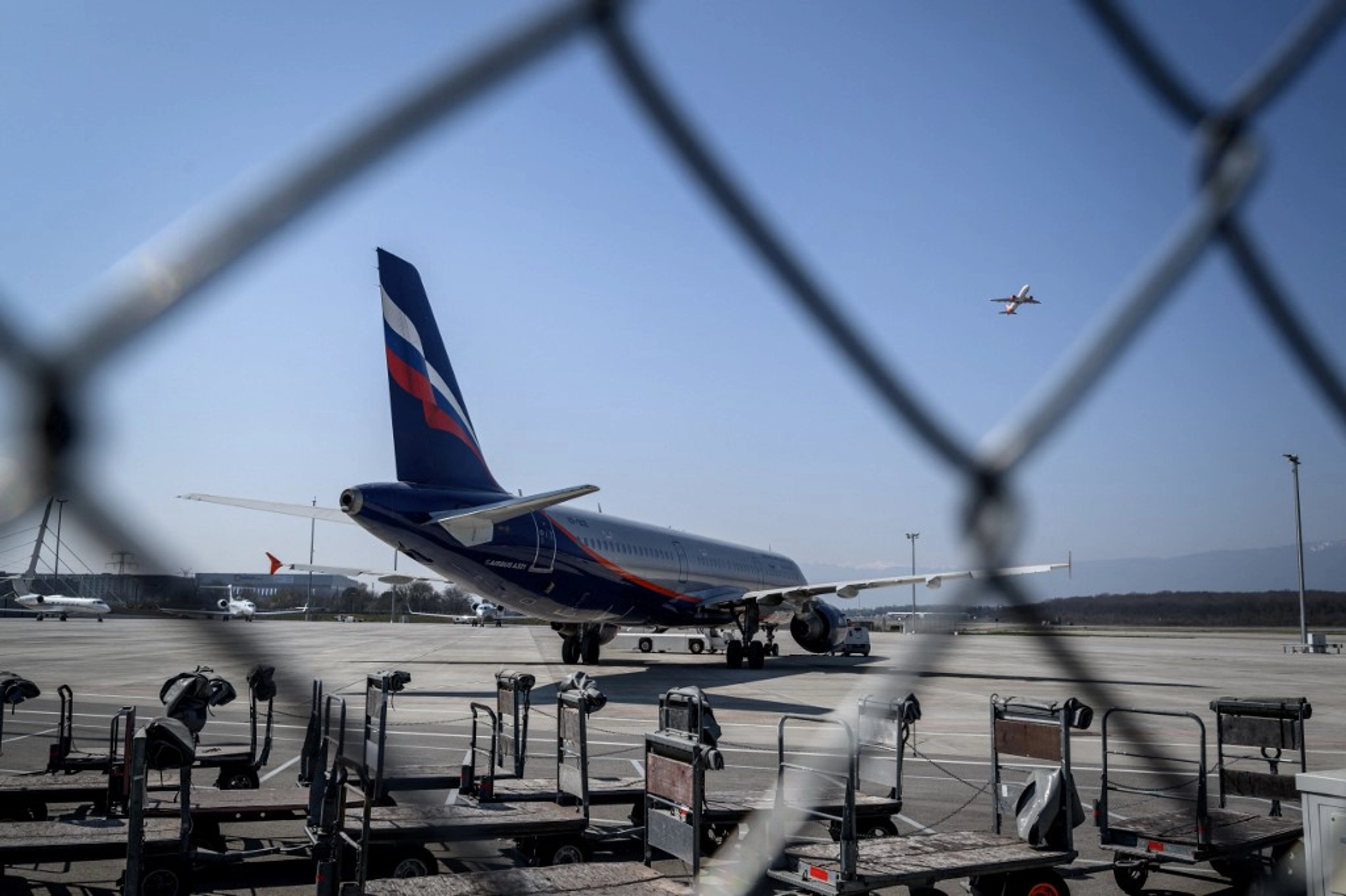
Russia introduced an export ban on jet fuel on Monday amid strained domestic supplies linked to Ukrainian strikes on oil infrastructure.
The Moscow Times, citing a government notice, said the restrictions will run from June 1 to Nov. 30, with limited exceptions.
JOIN US ON TELEGRAM
Follow our coverage of the war on the @Kyivpost_official.
“The exemption also applies to fuel in process tanks used by aircraft en route, batches of jet fuel placed under the customs procedure before the entry into force of the temporary restriction decree, as well as supplies under intergovernmental agreements,” the notice said.
The Russian government said the measure is intended to “ensure a stable situation in the domestic fuel market.”
The ban is not expected to directly affect Europe, despite earlier concerns over a looming jet fuel crisis linked to the US’s war in Iran. This is largely because Russia’s jet fuel exports are primarily transported by rail to Central Asia, including Kazakhstan, Kyrgyzstan, Tajikistan and Uzbekistan, according to Reuters.
The move follows earlier restrictions on gasoline exports introduced in December 2025.
Under the decree, gasoline exports were restricted through Feb. 28, 2026, and applied to all exporters, including producers. Russia later renewed the ban, which was reinstated in April and is set to remain in place until the end of July, according to Reuters.
Despite the restrictions, fuel shortages have also been reported in occupied Crimea due to supply disruptions and logistical challenges linked to Ukrainian strikes.
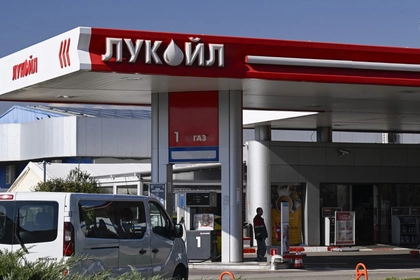
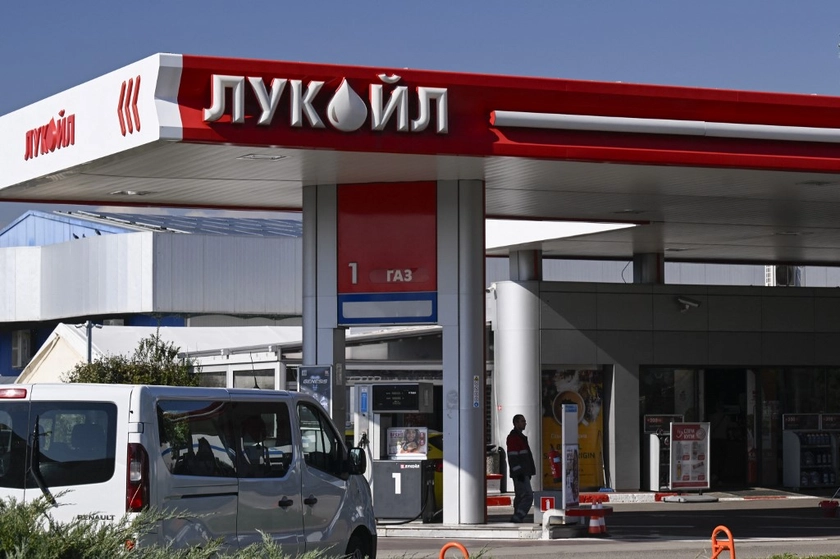
Russian Region Deploys Police at Gas Stations As Fuel Crisis Deepens
The shortages led to the introduction of a rationing system, limiting residents to purchasing no more than 20 liters (5 gallons) of A-95 gasoline within a 24-hour period starting May 30.
Intensified Ukrainian strikes
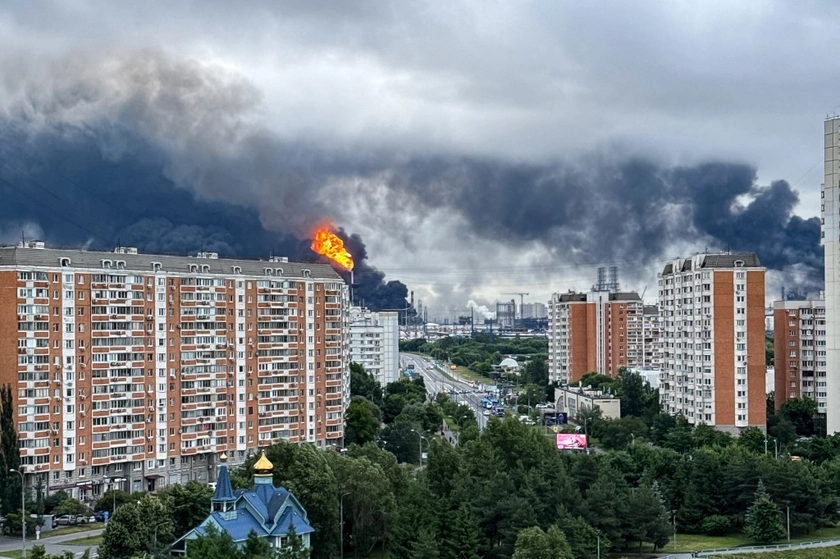
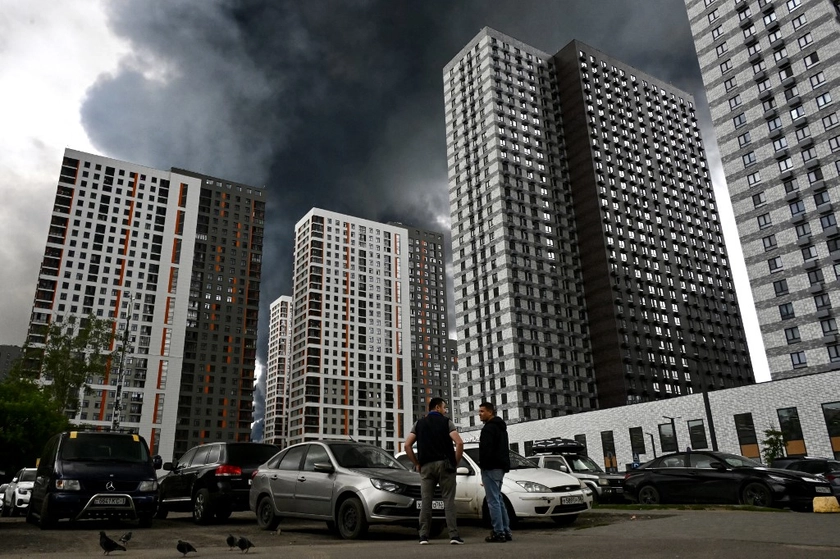
Ukraine has intensified strikes on Russian oil infrastructure in recent months, targeting refineries and pipelines and disrupting output and exports.
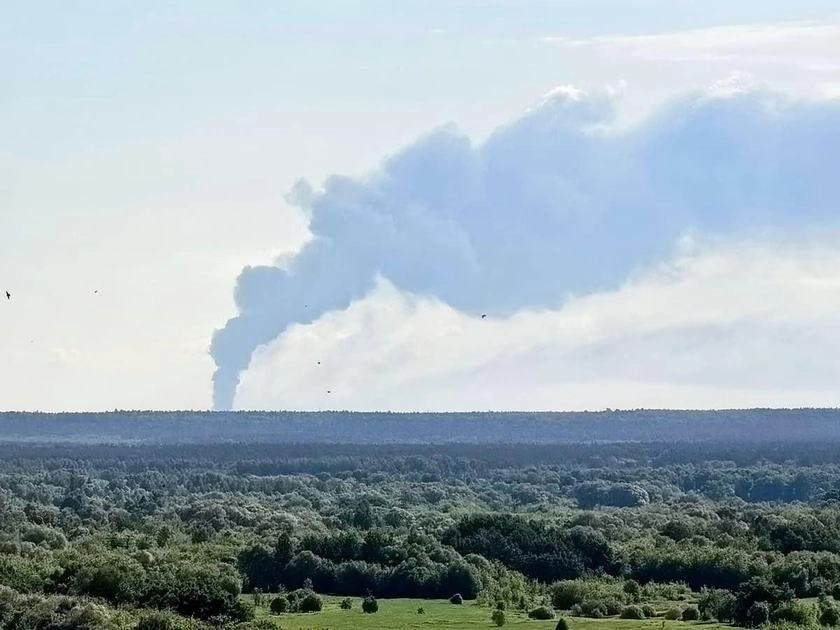
By mid-May, Ukraine’s General Staff said it struck 10 Russian refineries in May, forcing six to halt operations, while President Volodymyr Zelensky said the attacks had reduced Russia’s refining capacity by 10 percent.
The number has likely risen as attacks continued against the refineries, where some, such as the Yaroslavl and Perm refineries, were targeted by multiple attacks within days.
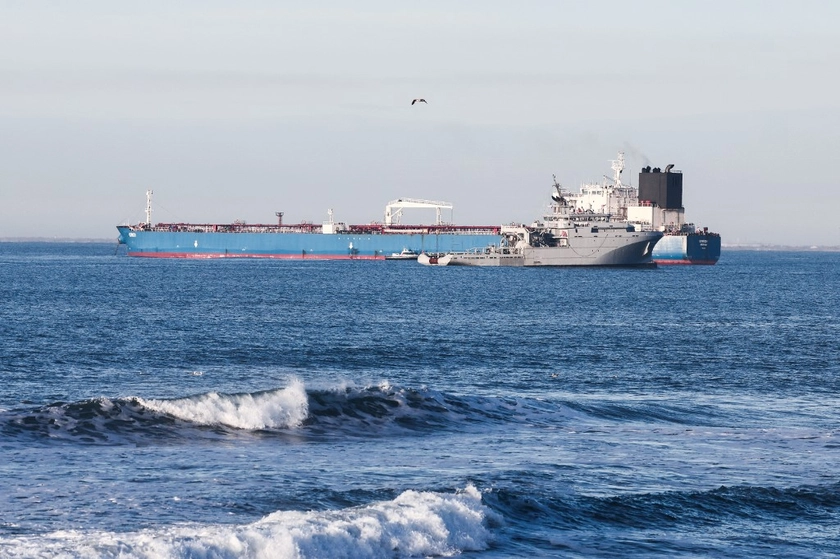
While the US-Israeli war in Iran has driven up global fuel prices by disrupting supplies through the Strait of Hormuz – a chokepoint for roughly 34 percent of global oil trade – reports suggest Russia has largely failed to capitalize on the resulting price surge.
According to the Centre for Research on Energy and Clean Air (CREA), Russia’s oil revenues climbed to an average of €734 million ($862 million) per day in April, the highest level in two and a half years.
Despite higher revenues, overall export volumes have declined due to damage to infrastructure and export ports. The Institute for the Study of War (ISW) also said increased repair costs and subsidies to energy companies have likely offset gains, costing the Kremlin an estimated $4.7 billion in April 2026.
You can also highlight the text and press Ctrl + Enter