Ukraine has synchronized its sanctions with the European Union’s 20th package, further tightening restrictions against Russia, Vladyslav Vlasyuk, presidential representative on sanctions policy, told Kyiv Post.
“The consistent synchronization of sanctions with the EU reduces the space for circumventing restrictions through different jurisdictions and complicates the restoration of critical supply chains for the Russian military-industrial complex,” Vlasyuk said.
JOIN US ON TELEGRAM
Follow our coverage of the war on the @Kyivpost_official.
How do the sanctions affect Russia’s oil and drone industries
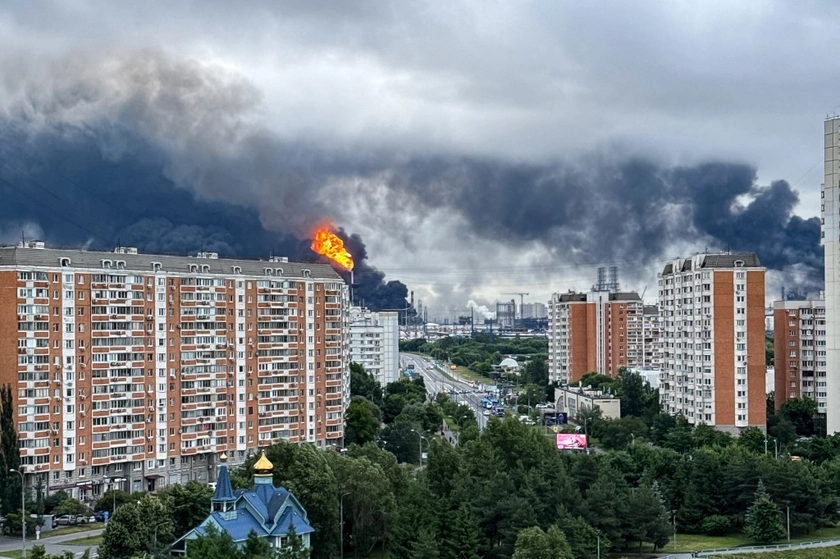
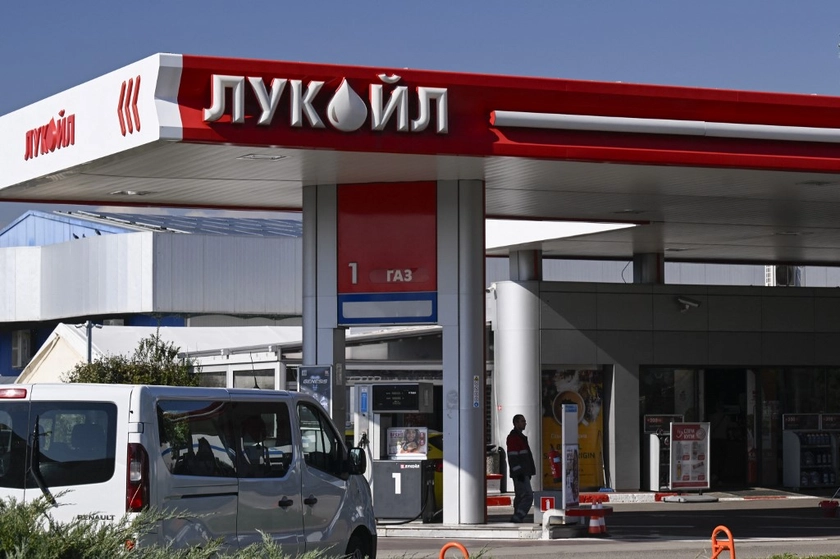
According to Vlasyuk, the updated list includes PJSC Slavneft, one of Russia’s largest oil companies, which accounts for about 2.9% of the country’s total oil production.
A separate section of the sanctions targets enterprises involved in the production of unmanned systems and components for Russia’s military-industrial complex.
Among them are:
• Technodron, which develops FPV drones of the Skvorets family, including versions adapted for maritime use commissioned by the Russian Navy;
• Atlant Aero, a manufacturer of FPV drones and components for Orion-type unmanned aerial vehicles (UAVs), as well as electronic warfare and digital integration systems;
• Clevercopter, which develops and produces drones for multiple purposes and participates in Russian state UAV supply and import-substitution programs.
Who else has been added to Ukraine’s updated sanctions list?
Sanctions were also imposed on Azret Bekkiev, first deputy general director of the United Instrument-Building Corporation, a Rostec subsidiary producing military electronics, communications systems and control equipment used by Russian forces.
Zelensky Mocks Putin’s 15 Failed Deadlines to Capture Donetsk Region
Vlasyuk added that the sanctions list includes Turboshaft FZE from the United Arab Emirates, which was involved in supplying aviation components and military equipment to Russian defense enterprises, including through Rostec structures.
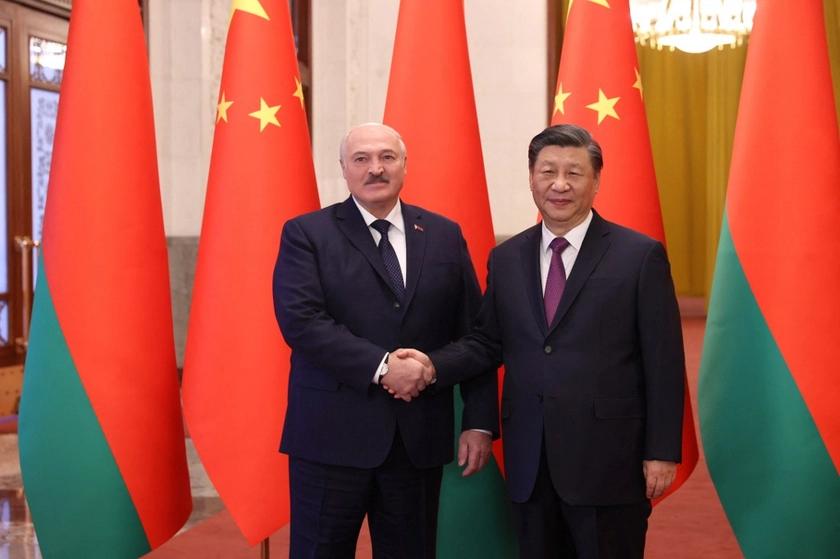
The list also includes CJSC Belarusian Oil Company, a state-owned exporter supplying crude oil from Belarusian refineries, including Belorusneft and Naftan.
A separate block targets individuals and organizations involved in the militarization and ideological indoctrination of Ukrainian children in occupied territories. Among them is Russian TV presenter Maria Sittel, who also heads the state-linked “Union of Women of Russia.”
Also sanctioned is the Federal State Budgetary Institution Snegiri Health Complex of the Russian Presidential Administration, which organized programs for children from occupied territories involving military-patriotic education, along with other figures involved in similar initiatives.
In addition, Ukraine has synchronized separate EU sanctions regimes previously imposed on Iranian entities involved in weapons production, human rights violations and activities deemed a threat to international security.
How will the EU’s 20th sanctions package target Russia’s war economy?
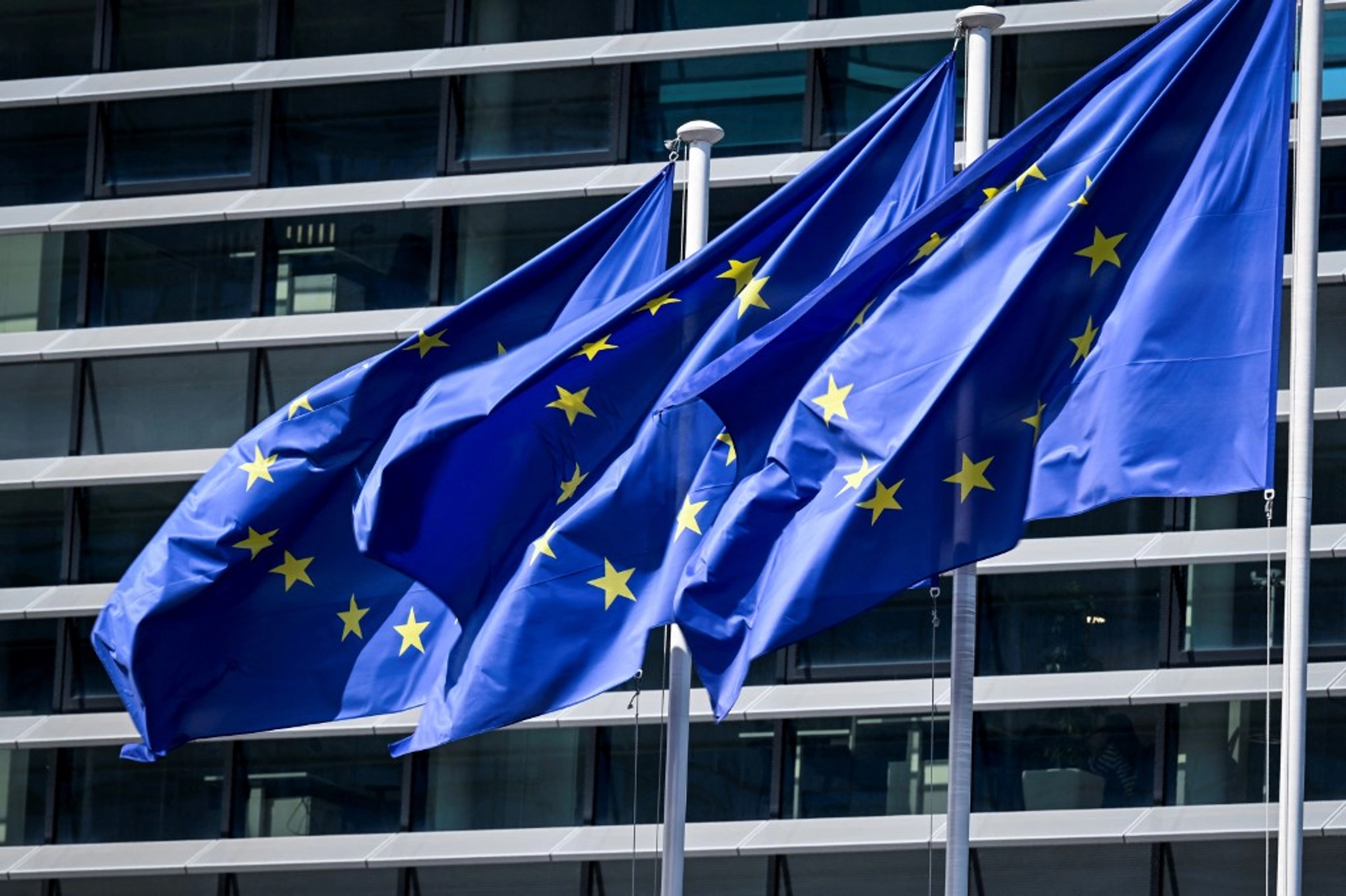
In late April, the EU adopted its 20th sanctions package against Russia, the European Commission said.
The Commission added 120 individuals and entities to its sanctions lists, introducing expanded restrictions targeting Russia’s energy sector, financial system, military-industrial complex, trade networks, and propaganda apparatus.
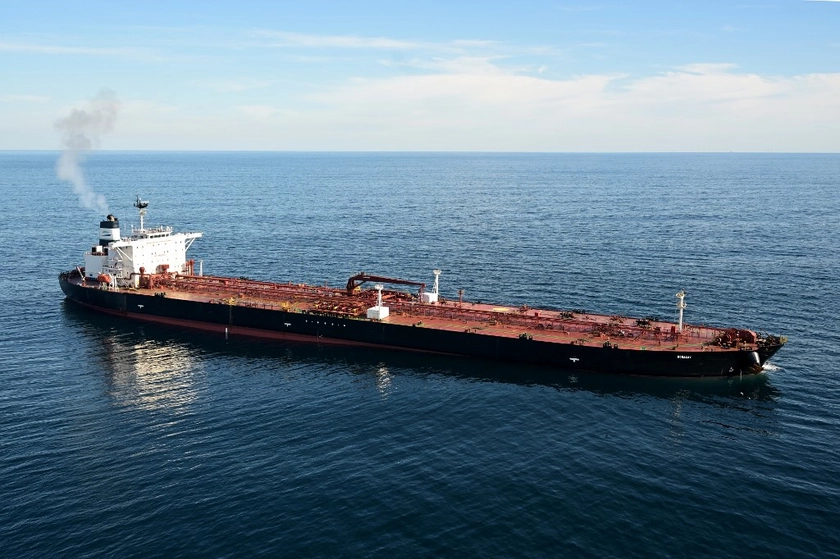
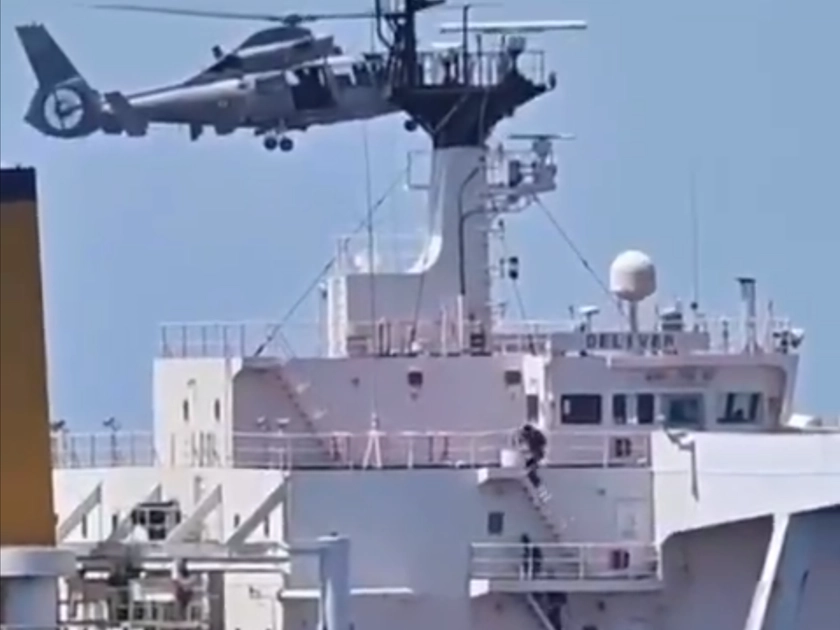
A key focus is energy, with 36 new listings covering oil exploration, extraction, refining, and transport. The EU also expanded its crackdown on Russia’s “shadow fleet,” adding 46 vessels and bringing the total sanctioned ships to 632.
For the first time, the EU blacklisted a third-country port – the Karimun oil terminal in Indonesia – alongside Russian ports Murmansk and Tuapse, over their role in bypassing the oil price cap. New rules also introduce mandatory “no-Russia” clauses and stricter due diligence for tanker sales.
The package lays the groundwork for a future maritime services ban on Russian crude and petroleum transport, coordinated with the G7 and the Price Cap Coalition.
In finance, the EU imposed transaction bans on 20 more Russian banks, bringing the total to 70, and extended restrictions to institutions in Azerbaijan, Kyrgyzstan, and Laos accused of facilitating sanctions evasion.
A sector-wide crypto ban targets Russian digital asset providers, including transactions involving the RUBx stablecoin and EU support for the digital ruble.
The sanctions also hit 58 companies linked to Russia’s military-industrial complex, as well as third-country suppliers in Belarus, China, Kazakhstan, Turkey, Uzbekistan, and the UAE.
For the first time, the EU activated its anti-circumvention tool, adding 60 entities accused of enabling sanctions evasion or supporting Russia’s war effort.
Additional measures include expanded export bans on industrial goods, new import limits on Russian metals and chemicals, tighter controls on ammonia imports, and stronger protections for EU companies’ intellectual property rights.
Efforts to counter Russian propaganda were also expanded, including measures targeting mirror sites of sanctioned state media.
The package further extends and aligns sanctions against Belarus for its continued support of Russia’s war of aggression.
You can also highlight the text and press Ctrl + Enter