The Kremlin insisted Tuesday that Russia’s economy remains stable, even as the country’s federal budget faces a shortfall of 2.1 trillion rubles (about $28 billion) and the ongoing war against Ukraine continues to strain public finances.
Kremlin spokesman Dmitry Peskov made the remarks during a daily press briefing, citing what he described as a structural shift in Russia’s economy away from dependence on energy revenues.
JOIN US ON TELEGRAM
Follow our coverage of the war on the @Kyivpost_official.
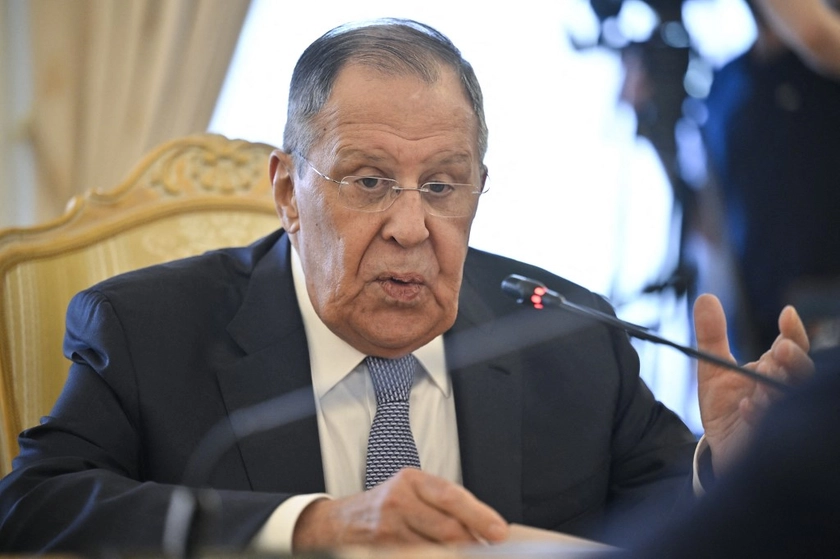
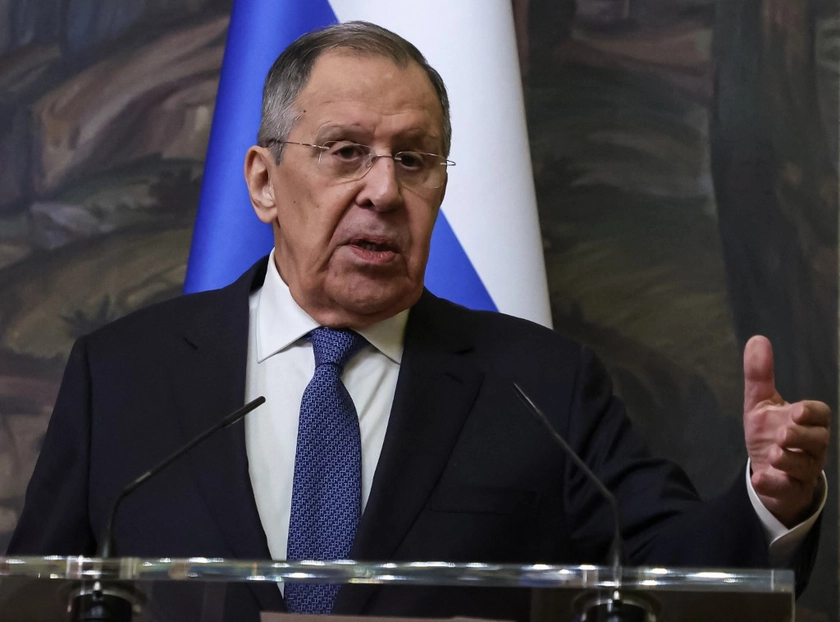
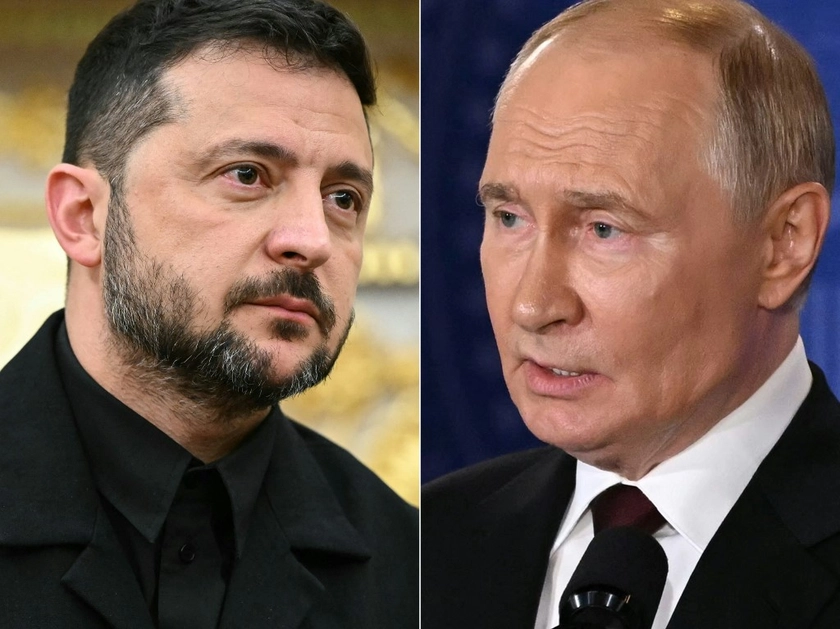
“The stability of the Russian economy is secured, macroeconomic stability is absolutely secured, and this is not a matter of doubt for anyone,” Peskov told reporters.
“Yes, the situation in the global energy market is extremely volatile and impacts all countries,” he said, adding that “at the same time, there is currently no reason to doubt our country’s macroeconomic stability.”
Numbers tell a different story
Russia’s budget figures paint a different picture.
While Moscow initially benefited from a surge in oil prices following the outbreak of the Iran war – with its benchmark Urals crude peaking near $120 per barrel (roughly $2.86 per gallon and €0.72 per liter) – prices have since fallen to around $65 per liter (roughly $1.55 per gallon or €0.38 per liter), cutting deeply into energy revenues.
Weaker corporate profits and a stronger ruble have compounded the shortfall, while wartime state expenditures have pushed the overall budget deficit past 6 trillion rubles ($80 billion) over the first five months of 2026.
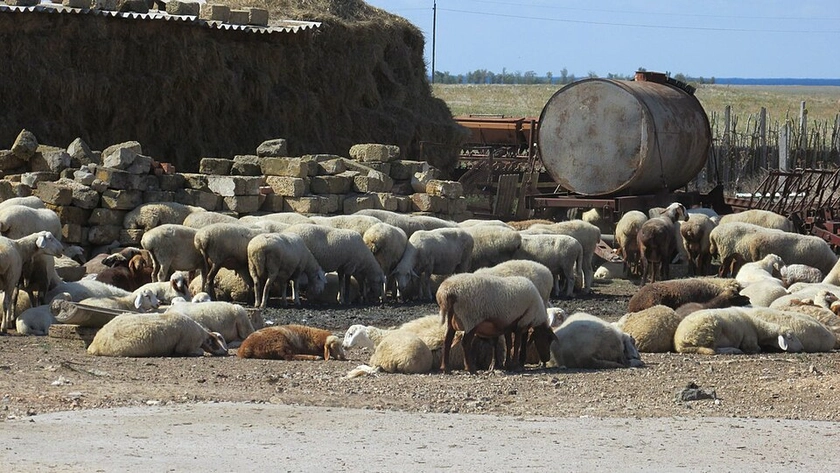
‘Biological Terrorism': Russia Burying Anthrax-Infected Livestock
Russia’s benchmark MOEX stock index fell more than 4% on Monday, hitting its lowest record in more than three years and extending a 15-week decline.
The drop followed a modest Central Bank interest rate cut last week, which signaled that high borrowing costs would persist longer than investors had anticipated.
War economy under pressure
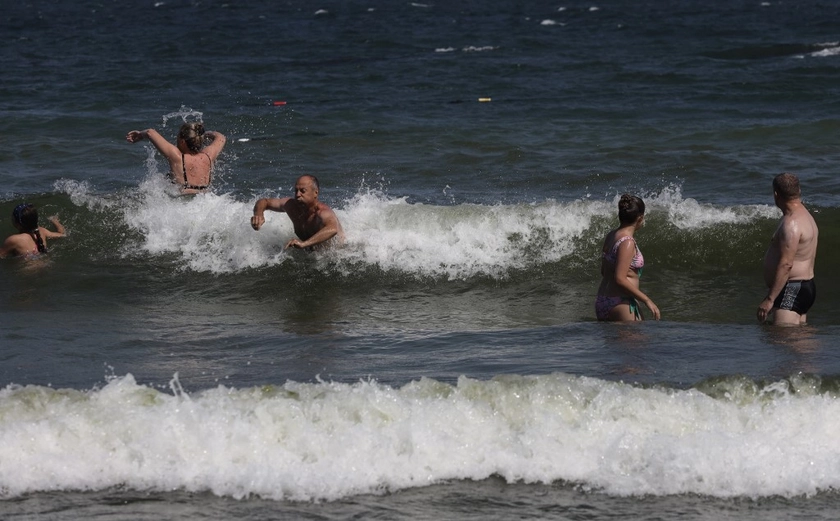
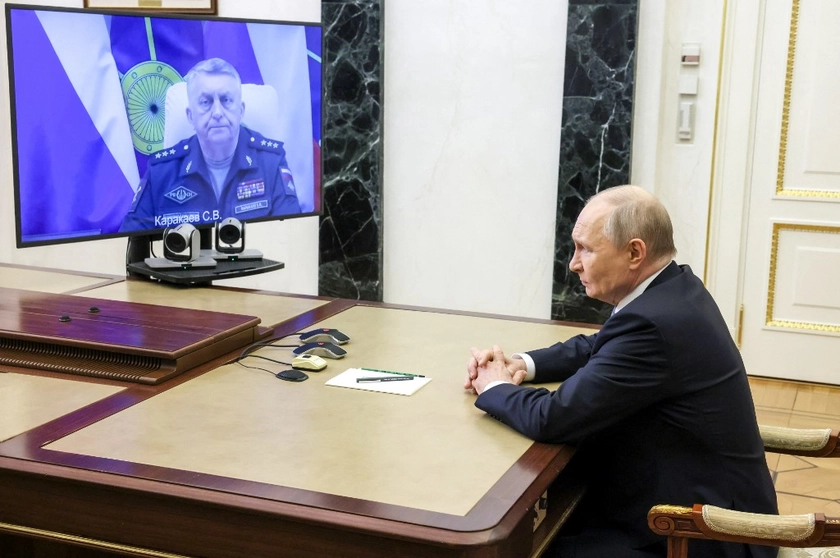
Kremlin leader Vladimir Putin said Tuesday that Ukraine was trying to “divide society” and “disrupt the tourism season” with its strikes on energy infrastructure, framing the attacks as a propaganda effort rather than an economic threat.
Peskov claimed that, while the oil market volatility was affecting Russia too, the growing share of non-oil and gas revenues was cushioning the impact.
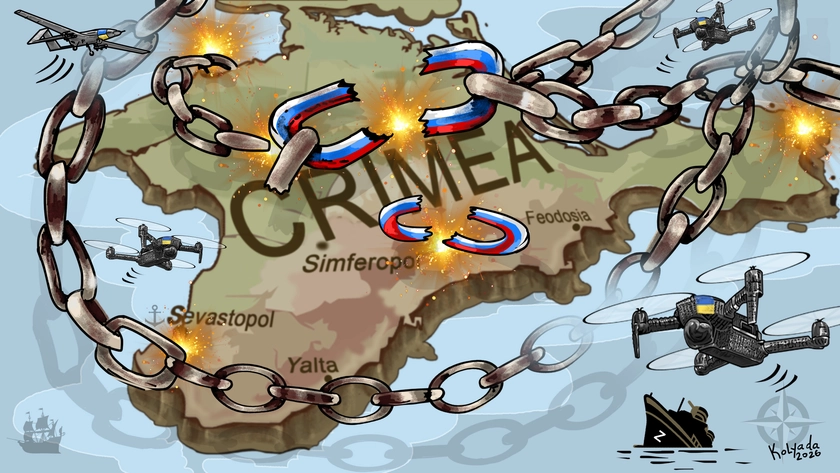
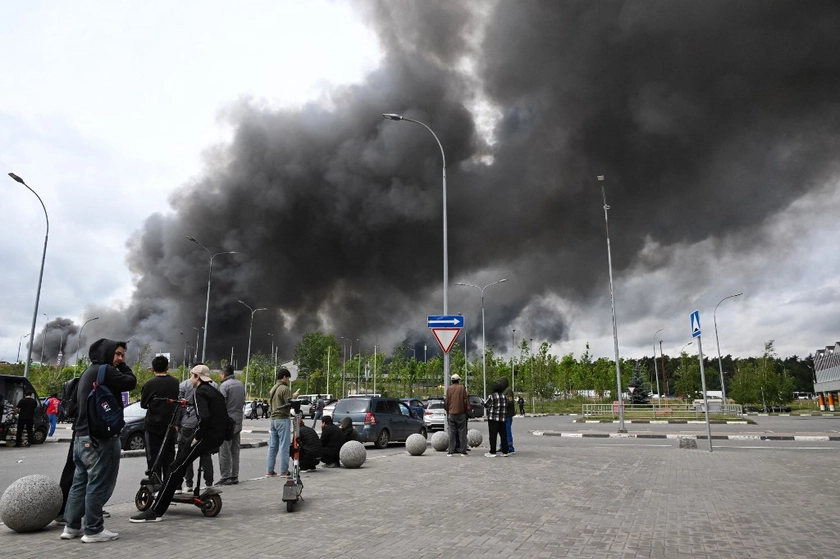
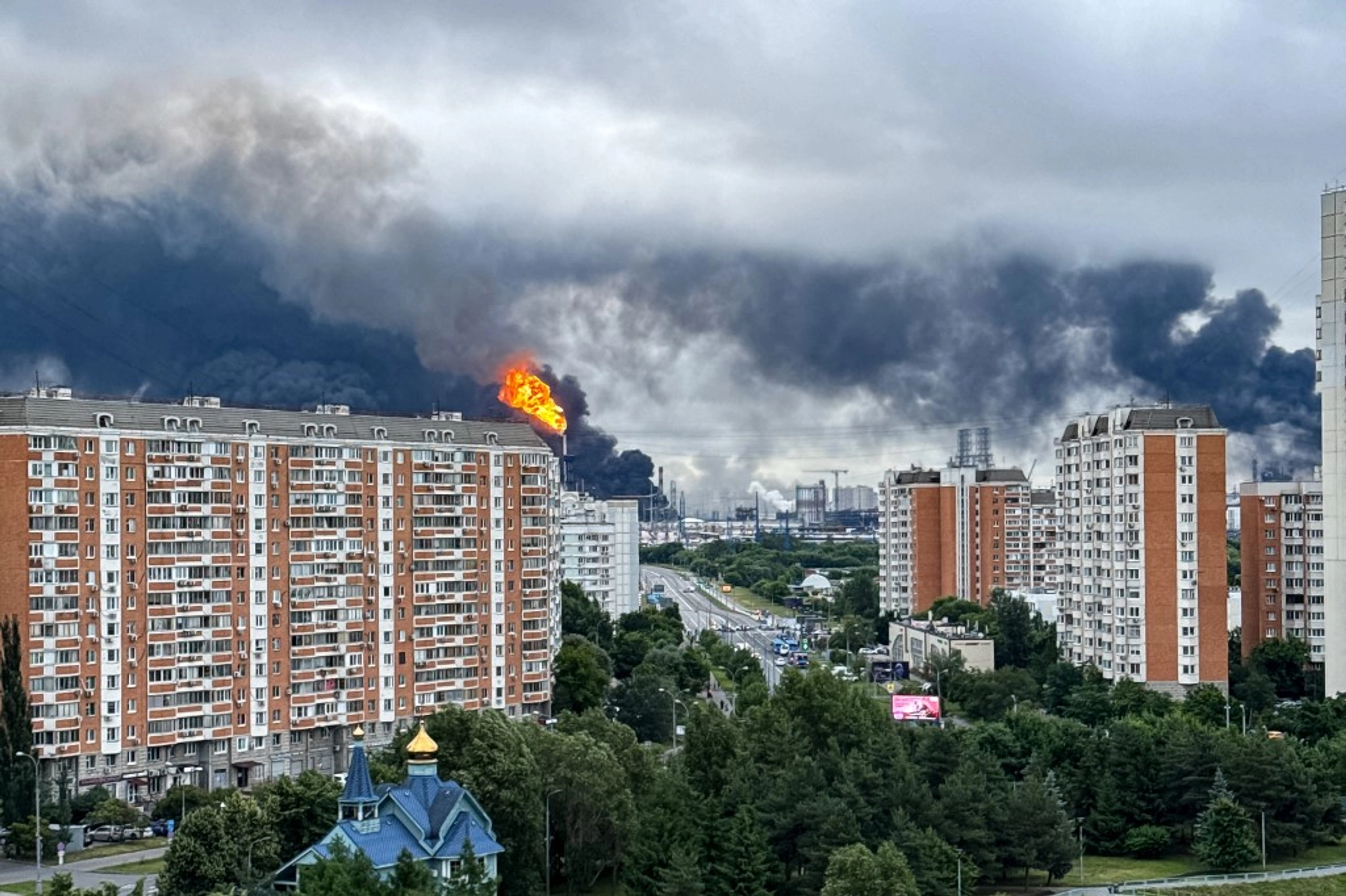
Inflation remains a concern for policymakers as Ukrainian drone strikes on oil refineries and fuel supply networks have forced authorities to introduce rationing measures across the country over the past month.
At least 25 Russian regions are now experiencing fuel supply disruptions, with some retailers capping per-customer sales and occupied Crimea suspending civilian fuel sales entirely.
You can also highlight the text and press Ctrl + Enter