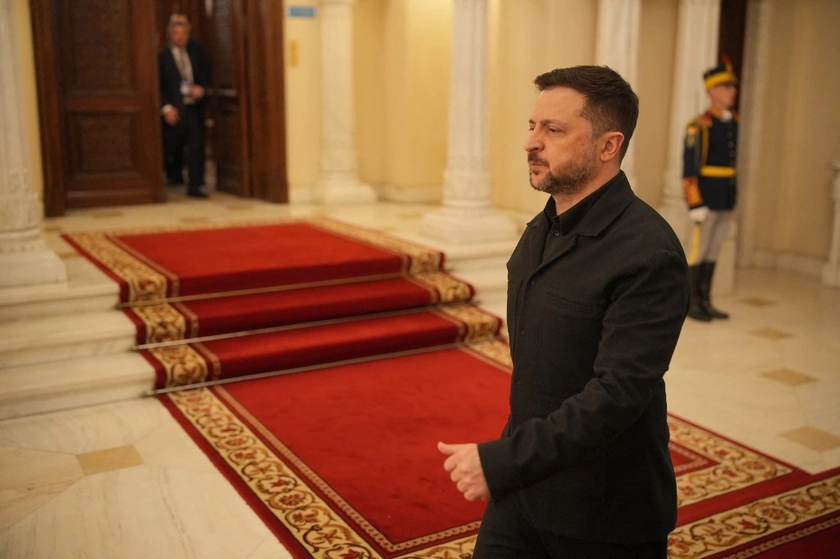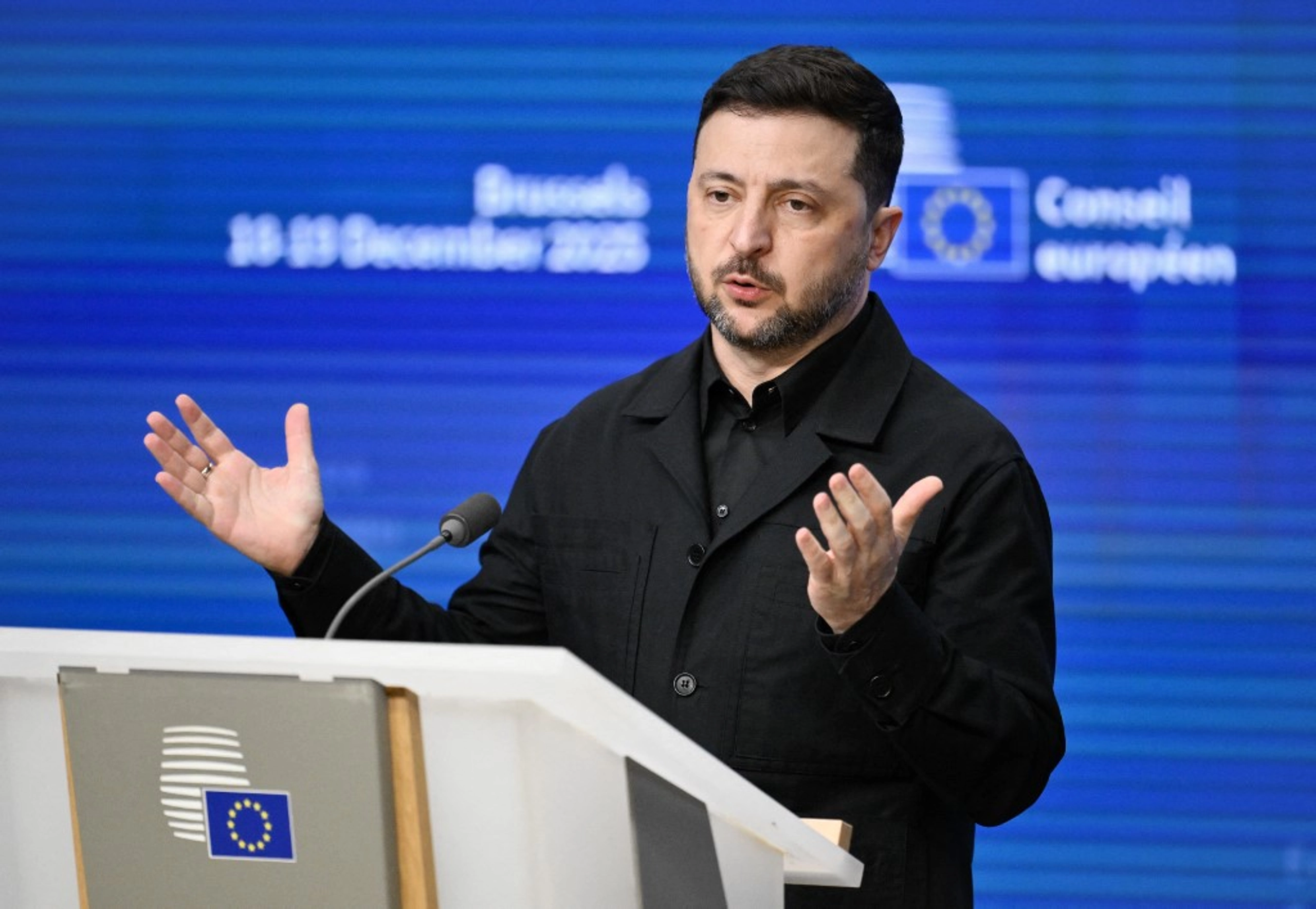
On Monday, June 1, President Volodymyr Zelensky said Ukrainian forces “have the ability to reach Russian military logistics across practically the entire depth of the occupied territory.”
“This is already reflected in shortages,” he said, “first and foremost, in a fuel shortage in Crimea, and in our other regions that remain under occupation.”
JOIN US ON TELEGRAM
Follow our coverage of the war on the @Kyivpost_official.
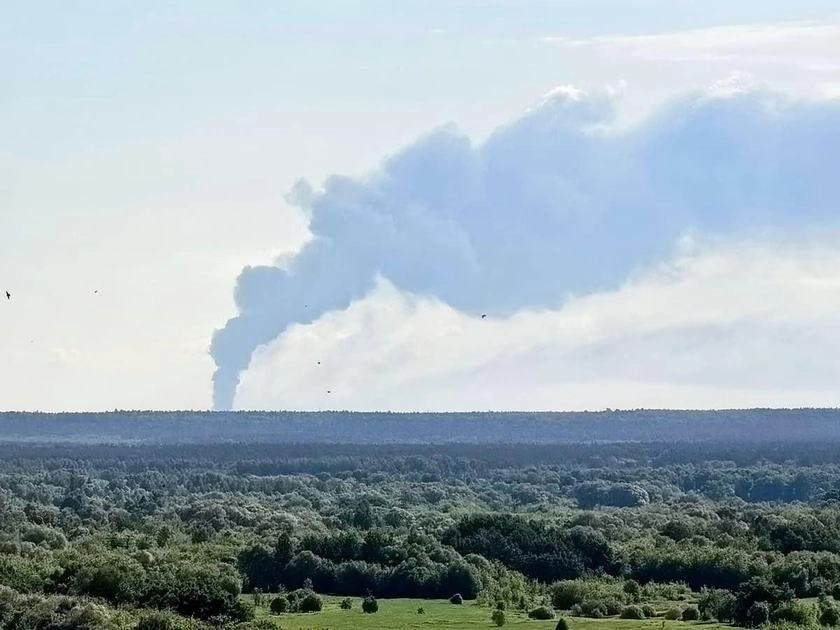
He stated that this reach was not theoretical, but rather reflected in shortages ahead of the recent strikes on Russian supply routes and critical infrastructure, with many oil refineries completely closing down or suspending their operations due to drone strikes.
“There are practically no safe roads for the occupier in the south and east of our country. This is yet another proof that there will be no quiet hours for the occupier on our land,” he said, confirming that the “plan for our long-range sanctions is being implemented step by step.”
Zelensky also pointed to the impact of recent Ukrainian strikes on Russian oil refineries, which he said contributed to Moscow’s decision to impose a temporary ban on jet fuel exports amid growing pressure on the domestic fuel market.
“From January to May of this year, our soldiers were able to strike 15 Russian oil refineries. This is significant. Russia has already introduced bans on the export from its territory of aviation,” he said, “and is considering a ban on the export of diesel as well.”
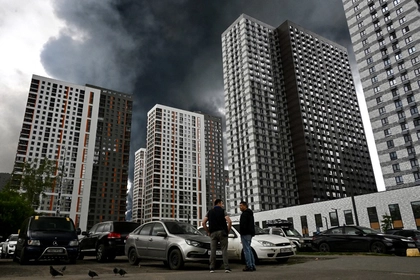
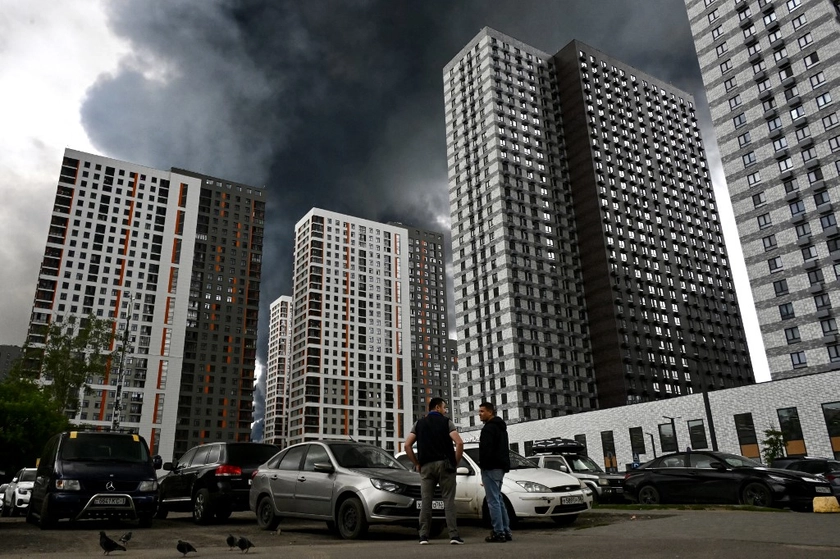
Russia Says It Downed 419 Ukrainian Drones Overnight, Including 56 Bound for Moscow
“For a country that, until quite recently, was called a gas station, losing even this is a major development, a major loss. As of May, almost 40% of Russia’s primary oil refining capacity has been put out of operation.”
Ukrainian strikes target Russian fuel and supply networks
With recent tactical, systemic strikes on Russian energy infrastructure and command centers, Ukraine is eroding Russia’s ability to coordinate operations along the front.
Earlier, Zelensky stated that Ukrainian strikes had already cut Russia’s refining capacity by about 10%, a figure likely higher now as major plants are consistently being hit.
Even as high global oil prices boosted Russia’s revenues, with Iran closing the Strait of Hormuz, recent infrastructure damage and falling export volumes have forced Moscow to spend billions more to keep its energy sector afloat.
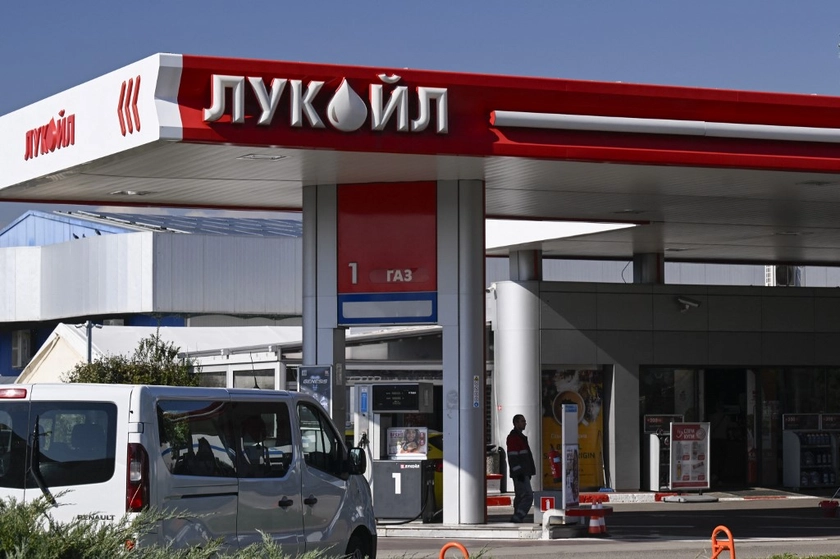
Recently, a massive 208-drone blitz severely damaged the Lukoil-Volgogradneftepererabotka refinery – the largest processing facility in the Volgograd region.
Ukrainian strikes have increasingly targeted Russian energy facilities, forcing Moscow to devote additional resources to protecting refineries, fuel depots and other critical infrastructure.
You can also highlight the text and press Ctrl + Enter

Russia Hit by 660-Drone Overnight Barrage Targeting Moscow, Crimea and Key Military Sites