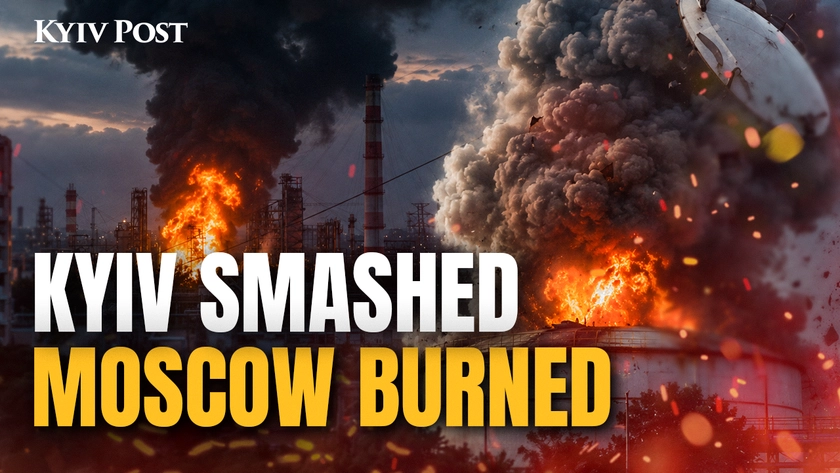
A fuel crisis is escalating in Russia amid ongoing Ukrainian strikes on oil refineries, with shortages of automotive fuel now spreading to the capital region.
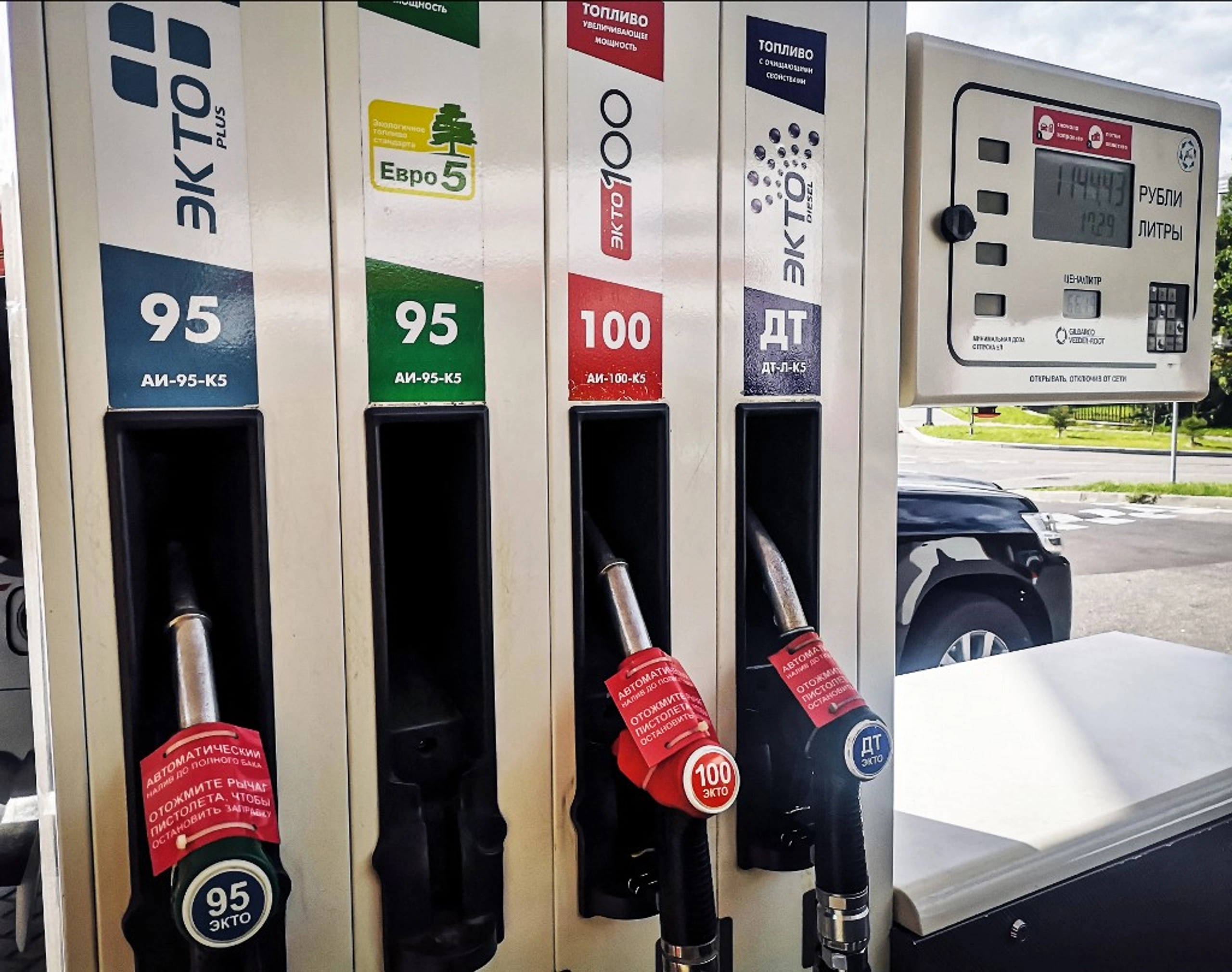
According to The Moscow Times, gas stations in Novaya Moskva – an area incorporated into the Moscow city limits in 2012 – have begun displaying notices limiting gasoline sales to 60 liters (about 16 gallons) per customer and diesel fuel sales to 100 liters (about 26 gallons).
JOIN US ON TELEGRAM
Follow our coverage of the war on the @Kyivpost_official.
“This procedure for fuel distribution will remain in effect until further notice,” the report says.
Earlier, in occupied Crimea, authorities also restricted sales of A-95 gasoline to no more than 20 liters (5 gallons) per person. Similar fuel rationing measures have been introduced in other Russian-occupied parts of Ukraine, including the Zaporizhzhia and Donetsk regions.
Russian-installed authorities in occupied Sevastopol introduced diesel fuel coupons before announcing a “temporary” shortage of A-92 and A-95 gasoline.
Meanwhile, fuel prices continue to rise at gas stations across Moscow.
According to the Moscow Fuel Association, diesel prices recorded another significant increase last week, while gasoline also became noticeably more expensive.
The average price of diesel fuel in Moscow rose by 56 kopecks per liter over the week to 78.49 rubles (about $0.98) per liter. A-92 gasoline increased by 24 kopecks to 64.67 rubles (about $0.81) per liter, while AI-95 rose by 35 kopecks to 71.46 rubles (about $0.89) per liter.
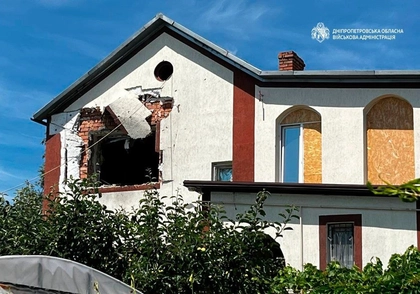
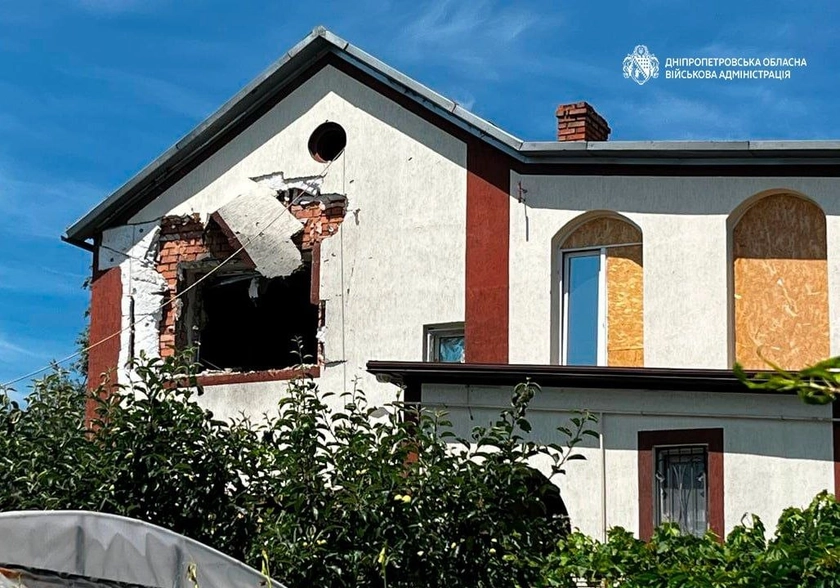
6 Killed, 35 Wounded in Drone, Missile Barrage on Dnipropetrovsk Region
According to the association, the increase in retail prices was driven largely by hikes at gas stations operated by the private company NeftMagistral.
There, the price of A-92 gasoline rose by 3 rubles to 67.4 rubles (about $0.84) per liter, while AI-95 and diesel fuel increased by 5 rubles to 76.29 rubles (about $0.95) and 83.68 rubles (about $1.05) per liter, respectively.
Russia also introduced a ban on jet fuel exports on Monday amid growing pressure on domestic supplies, a problem increasingly linked to Ukrainian strikes on oil infrastructure.
The restrictions will remain in force from June 1 to Nov. 30, with limited exceptions. Russian authorities said the measure is aimed at maintaining stability in the domestic fuel market.
The move follows earlier restrictions on gasoline exports. In December 2025, Moscow imposed a ban through Feb. 28, 2026, covering all exporters, including producers.
The restrictions were later renewed and are currently set to remain in place until the end of July.
Kyiv’s escalating drone campaigns
Ukraine has intensified strikes on Russian oil infrastructure in recent months, targeting refineries, pumping stations, and other energy facilities.
According to Bloomberg calculations, Ukraine set a wartime record in May by attacking Russian oil refineries 16 times during the month. More than 10 additional strikes targeted oil pipelines, storage depots, and export ports.
By mid-May, Ukraine’s General Staff said 10 Russian refineries had been struck that month alone, forcing six to suspend operations. President Volodymyr Zelensky said the attacks had reduced Russia’s refining capacity by about 10%.
The figure has likely increased as strikes continued, with major facilities such as the Yaroslavl and Perm refineries reportedly hit multiple times within days.
At the same time, Russia has struggled to fully benefit from higher global oil prices triggered by disruptions linked to the US-Israeli war against Iran and threats to shipping through the Strait of Hormuz, a route that handles roughly one-third of global oil trade.
According to the Centre for Research on Energy and Clean Air (CREA), Russian oil revenues reached an average of €734 million ($862 million) per day in April, their highest level in two and a half years.
However, export volumes have continued to decline due to damage to infrastructure and export facilities. The Institute for the Study of War (ISW) said rising repair costs and state subsidies to energy companies have likely offset much of the additional revenue, costing the Kremlin an estimated $4.7 billion in April 2026.
You can also highlight the text and press Ctrl + Enter