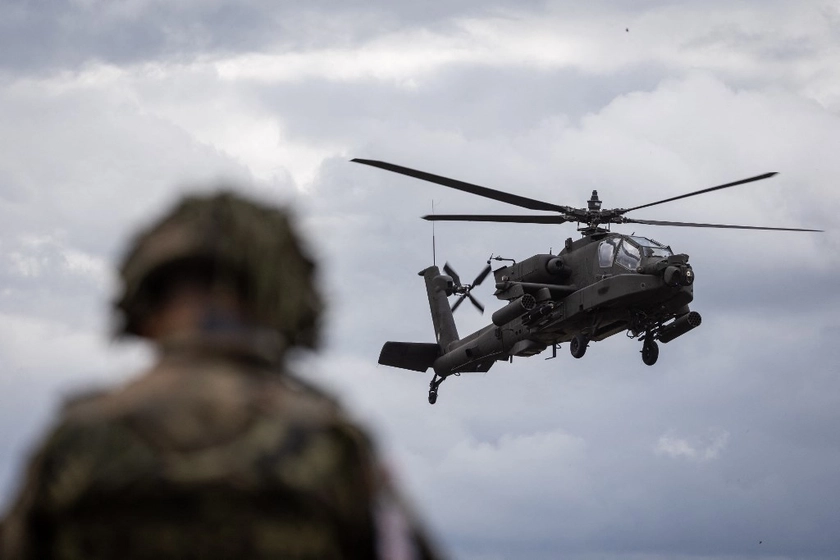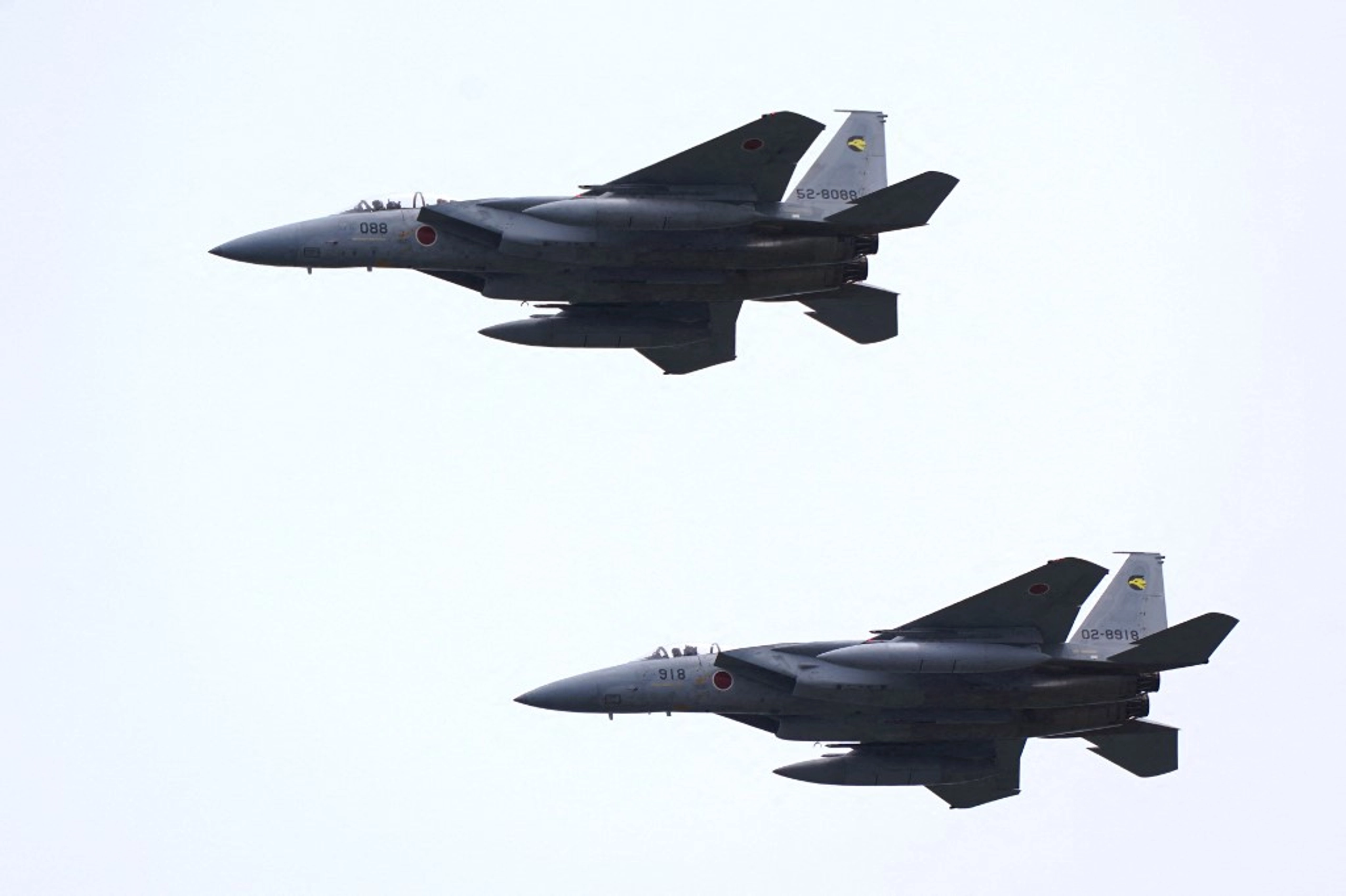
The US is considering placing nuclear-capable aircraft in more NATO countries in Europe, in an effort to reassure allies as Washington reduces its conventional military presence on the continent.
According to the Financial Times on Tuesday, US officials are open to discussing expanding NATO’s nuclear-sharing system beyond the six European countries that currently host American nuclear-capable aircraft and nuclear weapons.
JOIN US ON TELEGRAM
Follow our coverage of the war on the @Kyivpost_official.
The talks are still early and may not lead to any immediate changes. But they come as European allies worry that US troop cuts and the movement of key weapons systems could weaken NATO’s ability to deter Russia.
American dual-capable aircraft (DCA), which can carry nuclear weapons, are currently stationed in Belgium, Germany, Italy, the Netherlands, Turkey and the UK.
Under NATO rules, allied pilots train to carry out nuclear missions, but the warheads remain under US control at all times.
Countries on NATO’s eastern flank – particularly Poland and the Baltic states – have been the most vocal in seeking deeper involvement in the alliance’s nuclear-sharing framework.
Warsaw has publicly pushed for a US nuclear presence on Polish territory. Former President Andrzej Duda previously called for extending the dual-capable aircraft (DCA) mission to Poland. The country has also joined European efforts to discuss broader nuclear defense options.
Zelensky Mocks Putin’s 15 Failed Deadlines to Capture Donetsk Region
The issue is taking place alongside Russia’s repeated opposition to NATO expanding further east. Moscow has long said NATO enlargement threatens its security and has used this argument to justify its 2022 invasion of Ukraine.
Western countries reject this, saying NATO is a defensive alliance and that Russia’s actions have increased the need for stronger deterrence.
The 1997 NATO-Russia agreement said NATO had no plans to place nuclear weapons in new member states. However, some countries that joined NATO later, including Poland, have since said they would be open to hosting US nuclear weapons, especially after Russia’s invasion of Ukraine.
Russia’s war in Ukraine and repeated nuclear threats from President Vladimir Putin have increased debate inside NATO about how to strengthen deterrence, especially in countries near Russia.
Dual-capable aircraft are fighter jets able to deliver both conventional and nuclear payloads. Any expansion of their deployment would signal continued US commitment to the nuclear umbrella, even as Washington expects European allies to take on greater responsibility for conventional defense.
The talks come as the Trump administration redirects military resources toward Asia and other strategic regions, including cancellations of some planned deployments to Europe and partial troop withdrawals – moves that have unsettled several NATO allies.
While European governments have pledged to significantly increase defense spending and expand conventional capabilities, officials continue to view the US nuclear umbrella as the cornerstone of alliance deterrence.
You can also highlight the text and press Ctrl + Enter