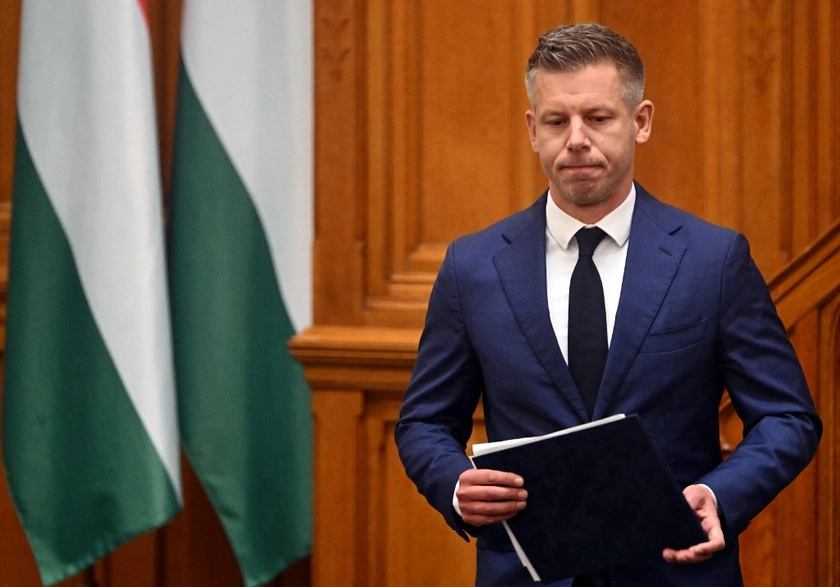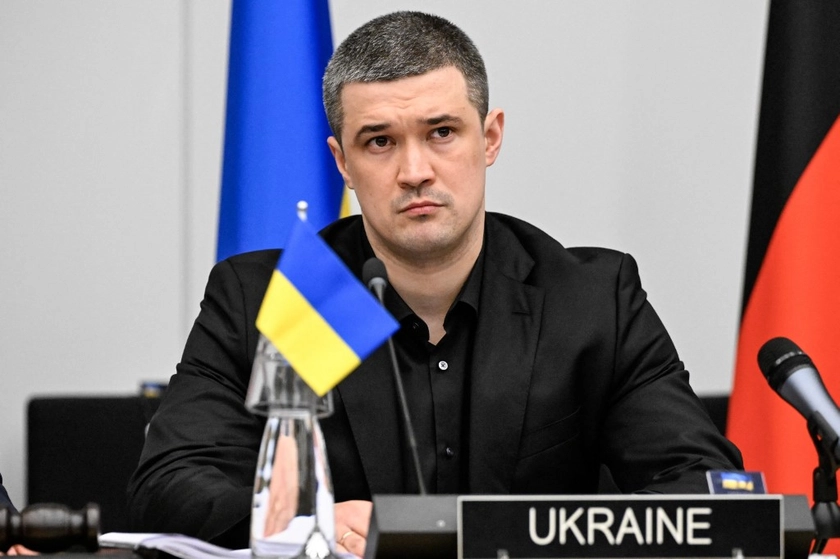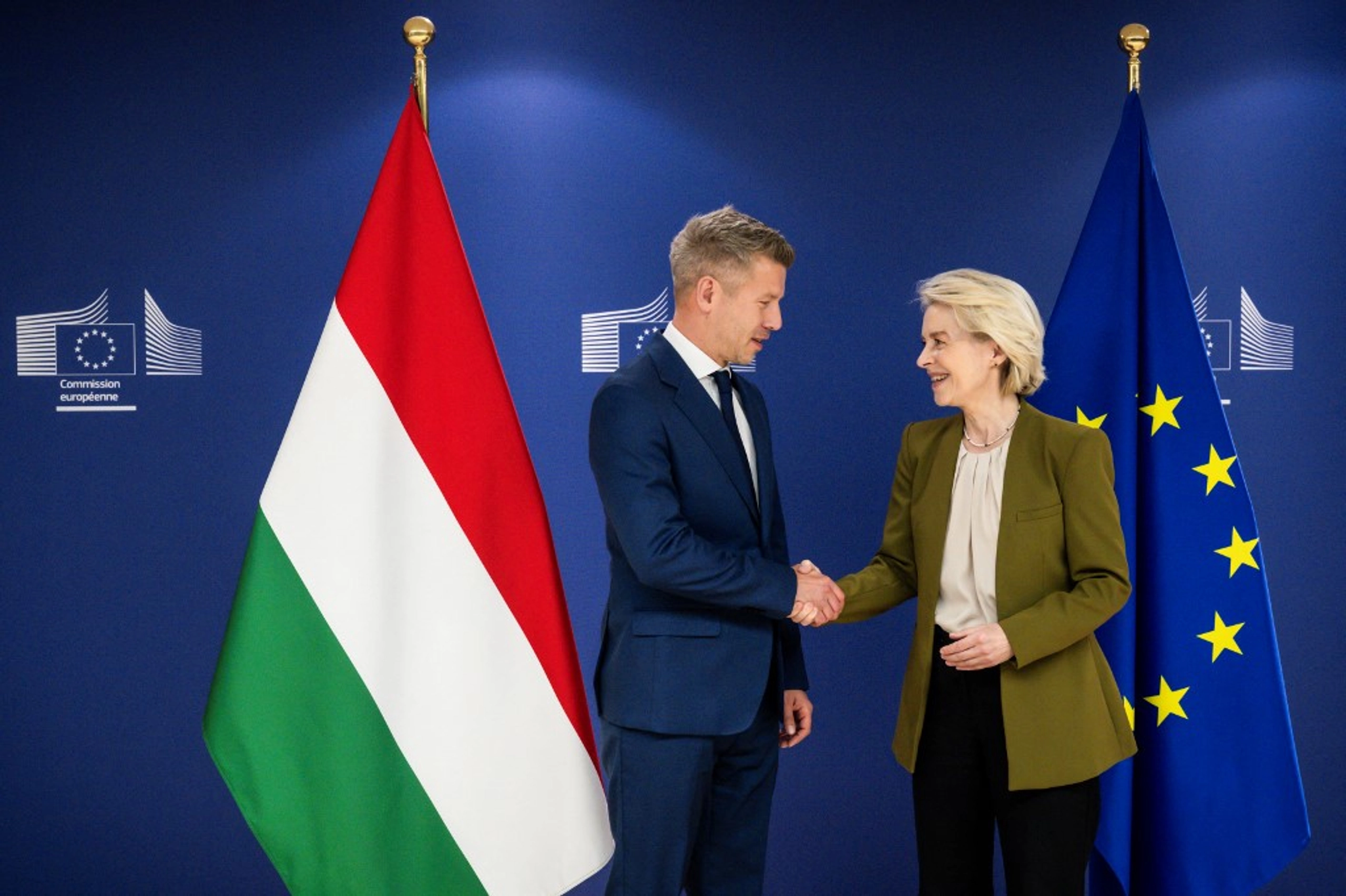
Hungarian Prime Minister Péter Magyar announced on Wednesday that Hungary and Ukraine had reached a “comprehensive agreement” on the linguistic, educational, cultural and political rights of the roughly 100,000 ethnic Hungarians living in Ukraine’s western Zakarpattia region, and that Budapest would support opening the first negotiating cluster in Ukraine’s EU accession talks once those measures are written into Ukrainian law and reflected in its EU action plan.
Magyar said that if Ukraine legislated the agreed minority measures and incorporated them into its accession action plan, “the Hungarian government will support the opening of the first negotiating cluster for Ukraine’s accession,” conditionally clearing the block that had kept Ukraine frozen at the starting gate of its membership bid for two years.
JOIN US ON TELEGRAM
Follow our coverage of the war on the @Kyivpost_official.
That cluster, covering the rule of law, democratic institutions and fundamental rights, is the gateway through which every candidate country must pass before accession talks can meaningfully progress.
Magyar declared that on the minority question specifically, he had achieved what his predecessor “could not achieve in 10 years.”
But what Magyar has not done is reverse predecessor Viktor Orbán’s Ukraine policy; rather, he has cashed it in. He took the minority deal, pocketed the €16.4 billion in frozen EU funds, and reset relations with Brussels. Crucially, the veto on Ukraine’s final accession to the EU did not disappear in the process.
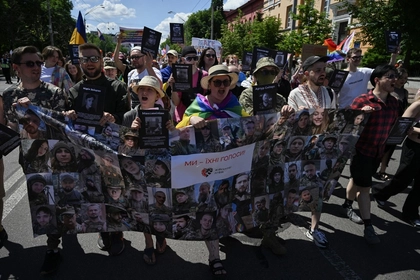
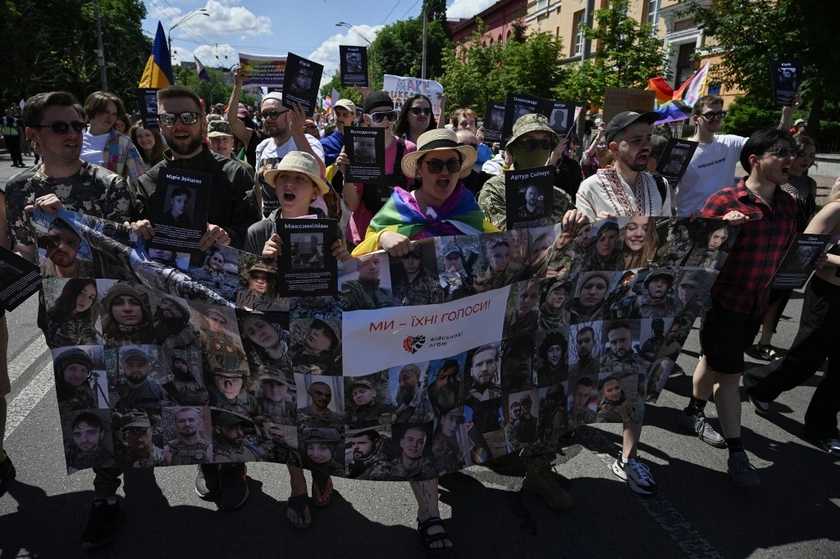
‘Die Together’: Ukraine’s LGBTQ Soldiers Fighting Russia – and for Their Rights
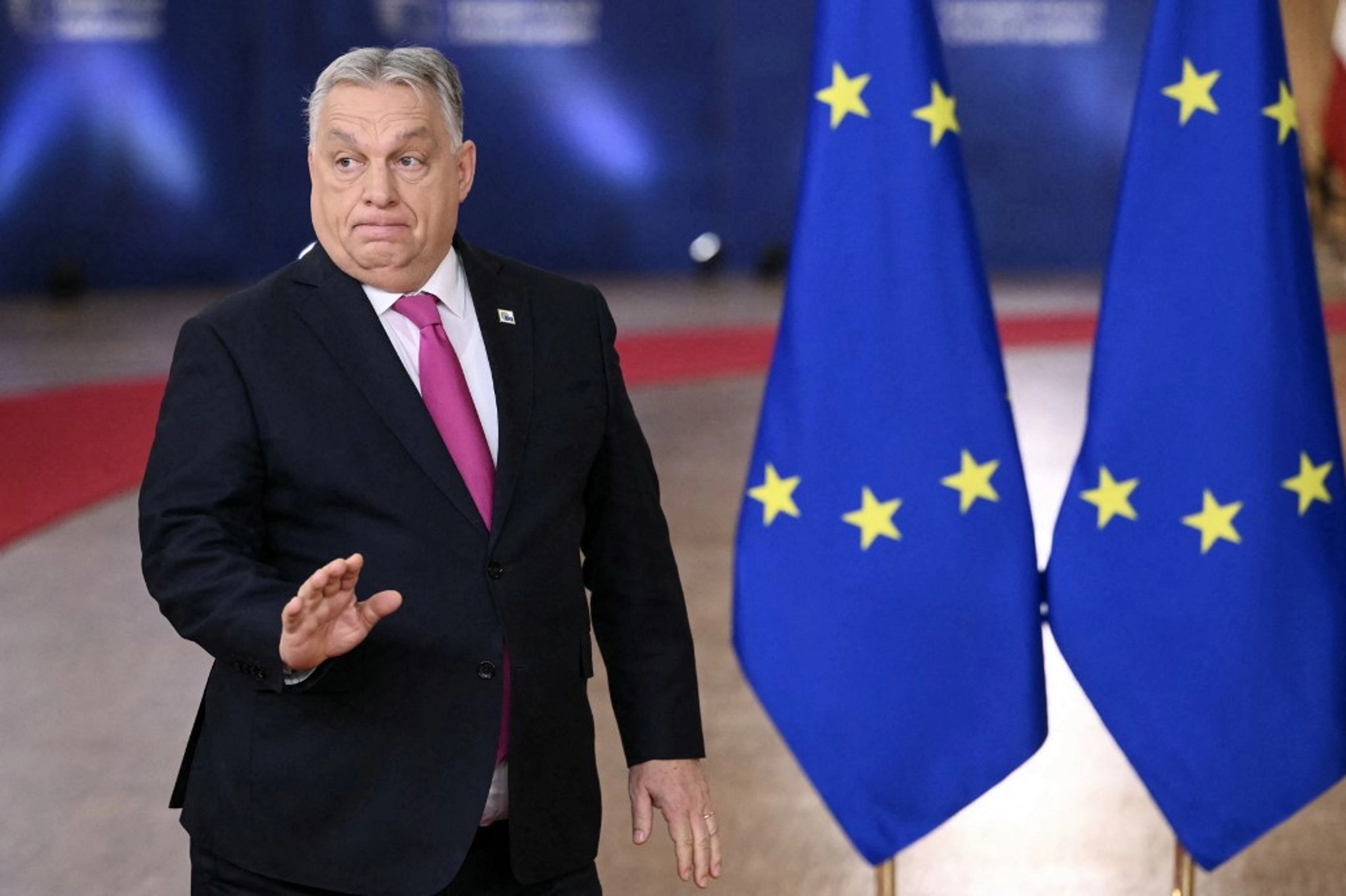
Magyar has simply moved the specter of a veto to the end of the process, announcing that if Ukraine completes all 33 chapters of accession negotiations, “within 10 or 15 years,” Hungary will hold a binding national referendum on whether to admit it. Ukraine must still clear that obstacle before it can join. It has simply been pushed further away.
A deferred block, not a lifted one
Opening the first cluster is a genuine milestone. Ukraine has been blocked at this stage for two years. But its significance should not be overstated. What Wednesday’s announcement may actually represent is not the removal of a blockage but its relocation from the start of the accession process to the end, where a Hungarian referendum will be waiting.
In announcing the deal, Mgyar was careful to add that if Ukraine “manages to close all 33 accession chapters within 10 or 15 years, our country will hold a legally binding referendum on the issue.”
Completing EU accession requires roughly 150 unanimous Council decisions across the full process, meaning Hungary retains ample future veto points regardless of Wednesday’s announcement.
But the referendum pledge potentially a much stronger blockade on Ukraine’s EU aspirations. A Hungarian government veto in the Council can, in principle, be worked around. The EU can shift decisions to qualified majority voting, coordinate funding outside the unanimity requirement as it did with the €50 billion Ukraine Facility in 2024, or apply political pressure.
A national ratification vote cannot be circumvented by any of those routes. Article 49 of the Treaty on European Union requires that any accession treaty be ratified by each member state according to its own constitutional requirements. If Hungary’s law mandates a referendum, the EU has no competence over that process and no instrument to override its outcome.
Orbán’s veto was an act of one man’s political will, subject to pressure. A binding popular vote is an act of law.
Magyar has not yet passed legislation on the referendum requirement; it remains a pledge, but it is a campaign promise he seems intent on fulfilling.
A country that hasn’t changed its mind
Magyar’s electorate broadly supports this approach. Hungarian opinion on Ukrainian accession is divided and polling is contested, but skepticism is consistently strong across all credible surveys.
An independent Republikon Institute poll conducted just before the April election found Hungarians split almost evenly, 47% in favor, 46% against. Only 15% of all respondents supported fast-tracked membership.
Even among Magyar’s own Tisza voters, research by the European Council on Foreign Relations published in May found fewer than half backed restarting formal accession talks, with net opposition to sending military aid running at 57%. Magyar is not defying his electorate on Ukraine.
What the minority deal actually means
The agreement Magyar reached on Zakarpattia delivers what Orbán always demanded but never obtained. Both Magyar and Orbán presented Ukraine with the same 11-point list of demands, built around the same core requirement: the restoration of a fully parallel Hungarian-language education system in Zakarpattia, running from primary school to university, under which ethnic Hungarian students could complete their entire education without genuine mastery of Ukrainian.
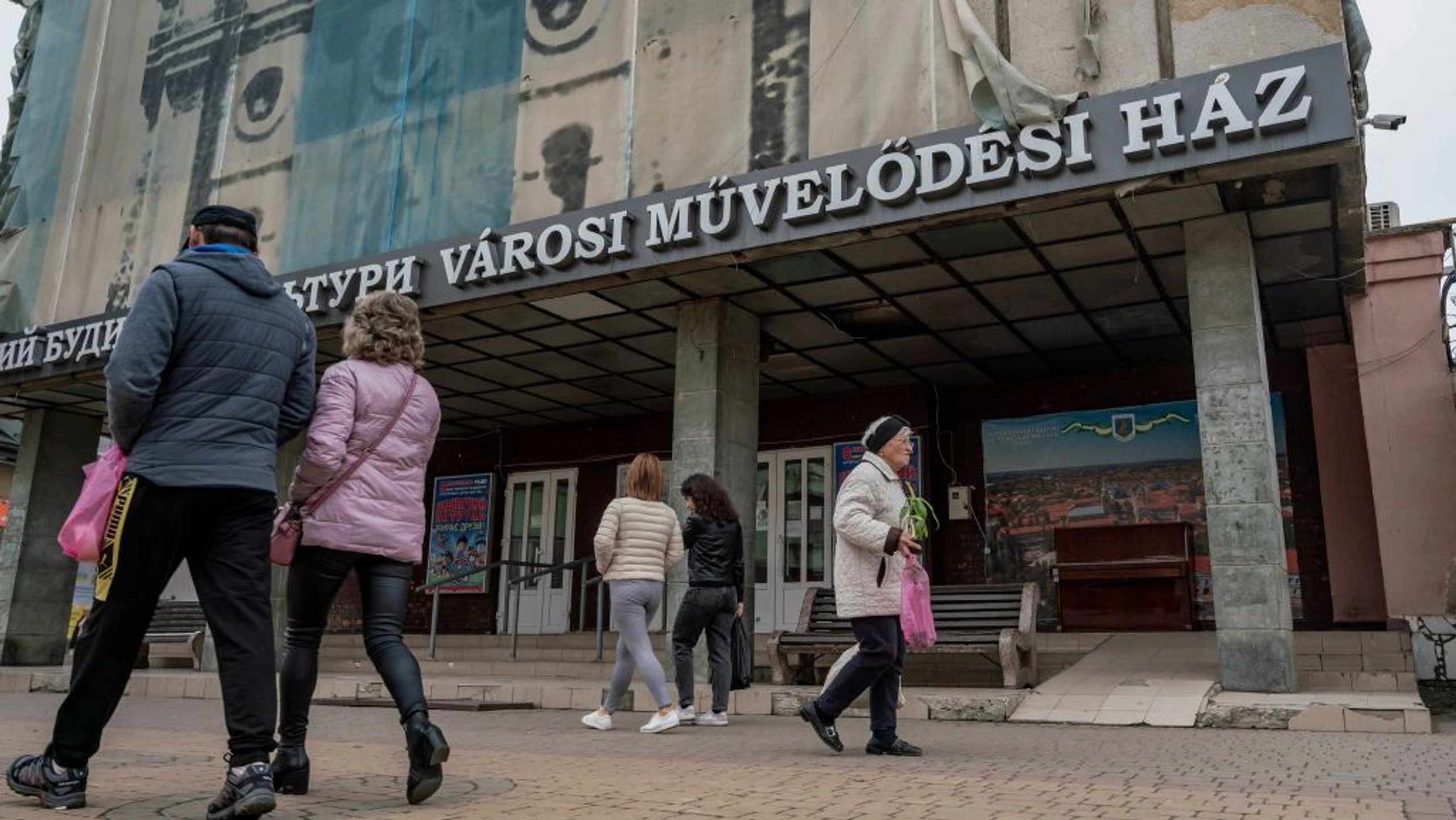
The maximalism of those demands is precisely why Ukraine resisted them for so long, and why the concessions Kyiv has now made are significant.
Hungarian analyst Dominik Héjj, writing in Interia, asked us to imagine Germany demanding that Poland construct a fully separate German-language school system in the Opole region, running in parallel to the Polish state system, through which tens of thousands of citizens could pass from primary school to university graduation without meaningful engagement with the Polish language, history or institutions. In Poland, Héjj argues, such a proposal would be recognized instantly as an attempt to build what he calls a “parallel social order” inside the state.
That is basically what Hungary is demanding in Zakarpattia, and it explains why accepting it is a real concession from Kyiv.
Kyiv conceded something substantial to open this door, rights it had defended for nearly a decade. It has not, in doing so, secured Hungarian consent to letting it through the next one.
You can also highlight the text and press Ctrl + Enter