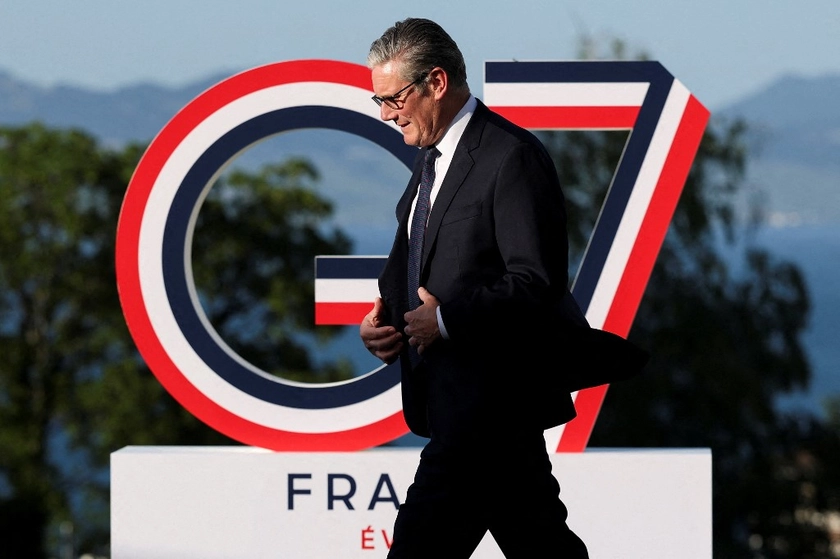
Ukrainian Foreign Minister Andrii Sybiha met with Egyptian Foreign Minister Badr Abdelatty on the sidelines of the G7 summit in France, Tuesday to discuss Russia’s ongoing war against Ukraine, international efforts to reach a peace deal, and bilateral cooperation on food security and grain trade.
Sybiha shared the details of the meeting on X, saying that he urged Egypt to support greater international pressure on Russia and a firm commitment to international law, adding that they have reviewed their bilateral agenda regarding the export of Ukrainian grain to Egypt.
JOIN US ON TELEGRAM
Follow our coverage of the war on the @Kyivpost_official.
“We discussed Russia’s ongoing aggression against Ukraine, the battlefield situation, and diplomatic efforts to achieve a comprehensive peace,” Sybiha said, explaining that the progress toward long-term peace requires “increased pressure on the aggressor.”
He continued: “I welcomed the de-escalation around the Strait of Hormuz, which is important for global economic stability, energy markets, and freedom of navigation.”
Reportedly, both sides agreed to stay in close contact going forward, with Sybiha inviting Abdelatty to Kyiv.
Stolen grain at the heart of Ukraine-Egypt tensions
The bilateral meeting holds significant weight, given months of friction over Russian grain shipments.
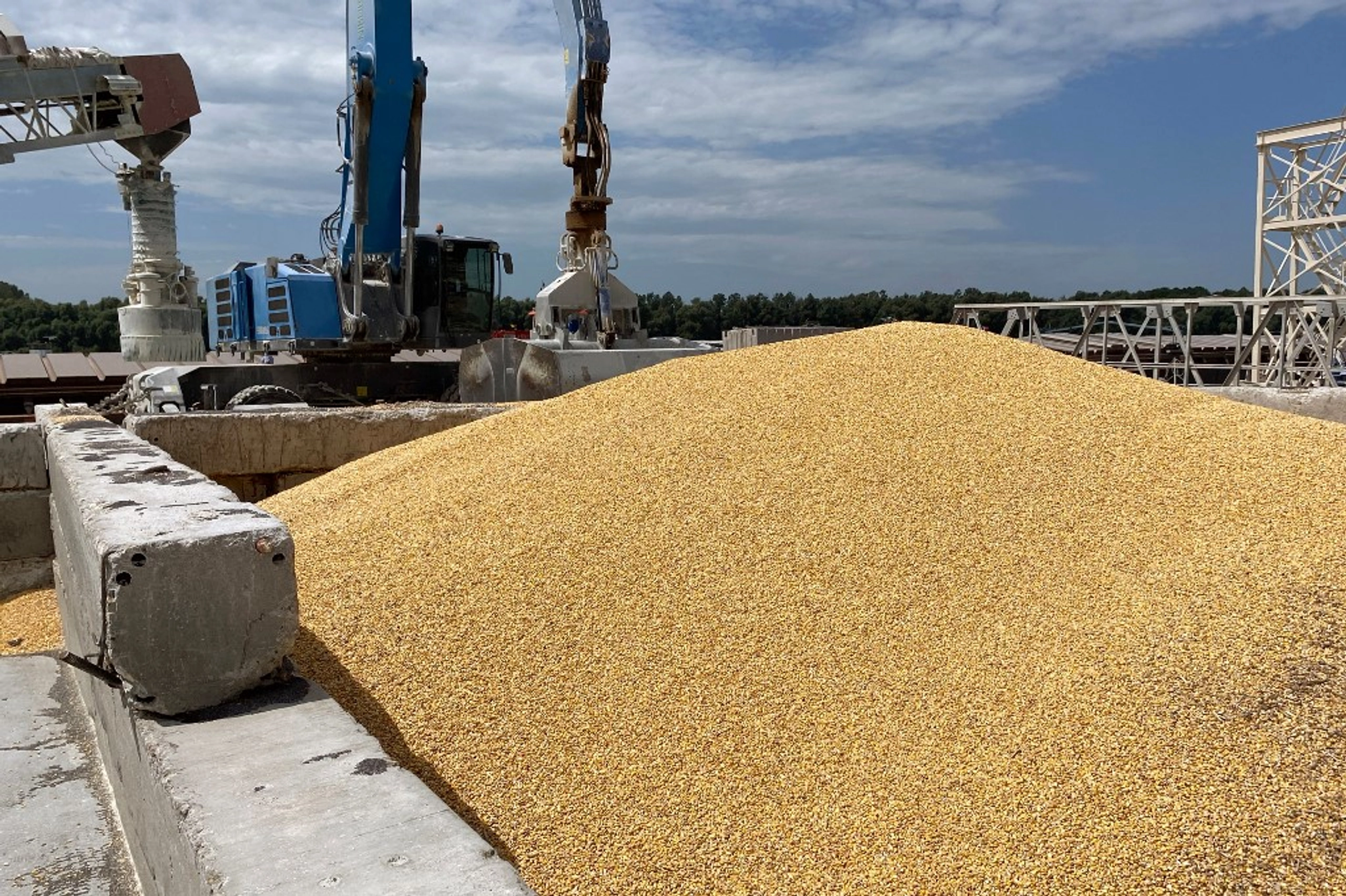
Speaking at the Black Sea Security Conference in Chisinau in March, Sybiha said Russia shipped roughly two million tons of stolen Ukrainian grain to international markets in 2025 alone – with approximately 40% of that total ending up in Egypt.
Kyiv Post Contributor Ugo Poletti Honored With Ukrainian Military Award in Odesa
The total volume of stolen Ukrainian grain has reached 15 million tons in 2025, since the beginning of the full-scale invasion Russia launched against Ukraine. With the war now in its fourth year, the numbers have grown.
According to Ukrinform, a direct call between President Volodymyr Zelensky and Egypt’s President Abdel Fatah el-Sisi appeared to mark a turning point with Egypt, as they have committed to stop accepting grain imports by Russia from occupied Ukrainian territory.
Instead, they have pledged to expand direct imports from Ukraine. However, the pledge produced limited results, as Ukraine’s Embassy in Egypt recorded the unloading of 11 ships carrying products from occupied Ukrainian territories in Egyptian ports in the weeks that followed. One vessel was, reportedly, turned away.
Ukraine’s Ambassador Mykola Nahornyi addressed the gap between Cairo’s commitment and the reality of imports, saying that “After this conversation, one Russian ship was really turned back,” which carried stolen Ukrainian products, and “about 10 other ships entered the ports of Alexandria, Dumat and others.”
Ukrinform, citing the Embassy of Ukraine in Egypt, reported that in 2025, more than 50 cases of delivery of stolen grain were recorded, with 14 of such events recorded in 2026 – 11 of which took place after the April 3 presidential call.
Kyiv’s legal push reached Swedish courts
Kyiv’s legal push is beginning to yield results beyond Egypt. The Swedish court recently ordered a seizure of the cargo vessel “Caffa,” setting a legal precedent in efforts to discontinue Russia’s wartime looting.
The cargo vessel was seized following a request from Ukraine’s Prosecutor General’s Office, marking the first time a foreign court has arrested a ship at Ukraine’s request over suspected illegal export of stolen goods.
Prosecutor General Ruslan Kravchenko said the vessel had used a false registration – listed in international databases as “Guinea False” – to disguise its repeated entries into occupied Ukrainian ports.
“This is a tangible result of international legal cooperation between Ukraine and its partners,” Kravchenko said. “Daily work, information exchange, and the collection and transfer of additional evidence have produced results: the vessel has been seized.”
You can also highlight the text and press Ctrl + Enter