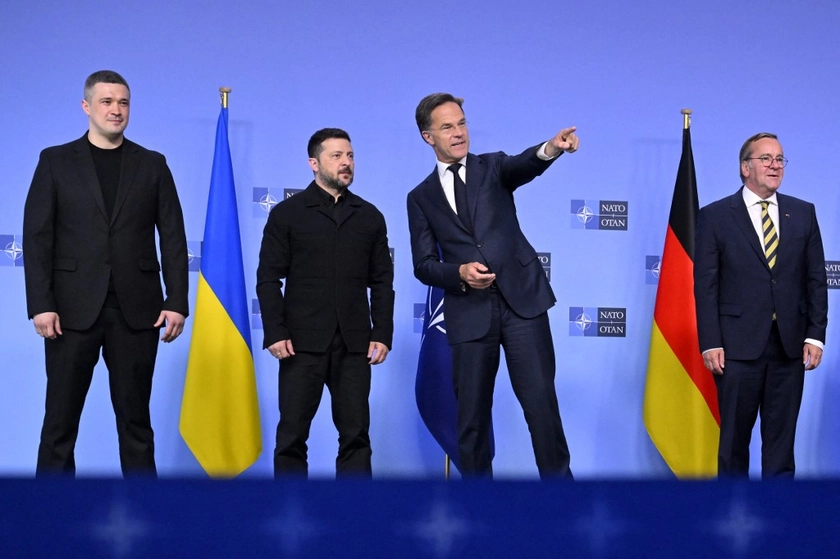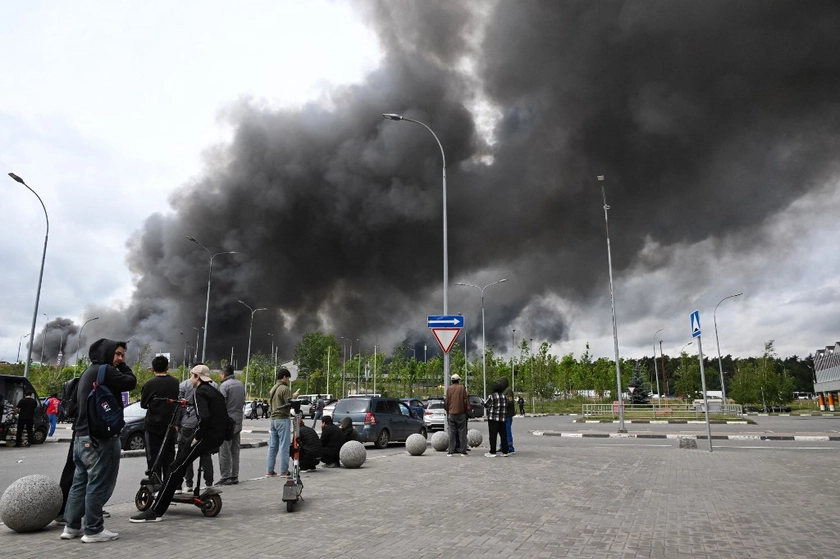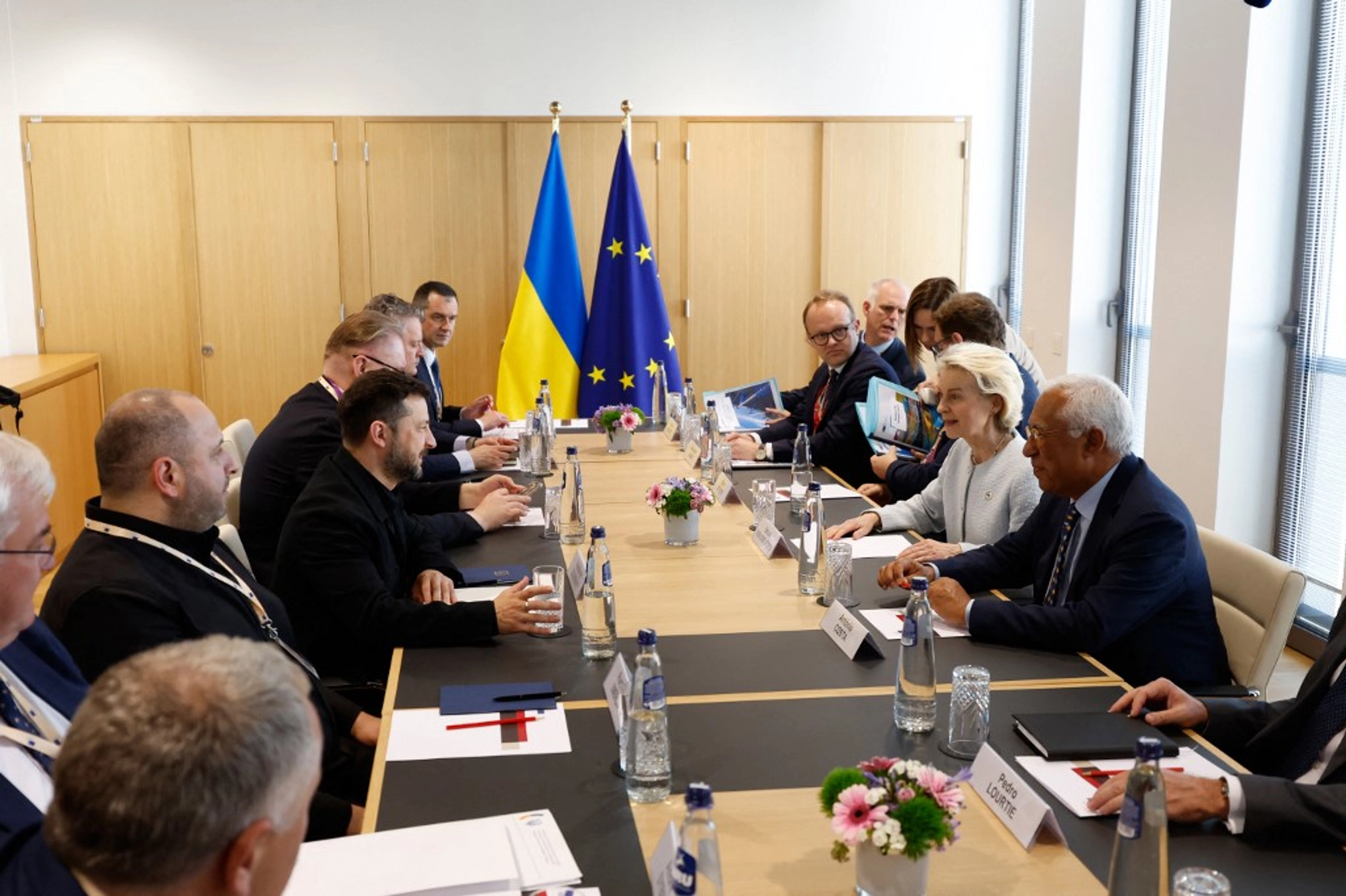
EU leaders agreed to renew sanctions against Russia over its full-scale invasion of Ukraine for another year.
Reuters reported that the decision was approved on Thursday during an EU summit in Brussels and extends the bloc’s sectoral economic restrictions targeting key areas of the Russian economy.
JOIN US ON TELEGRAM
Follow our coverage of the war on the @Kyivpost_official.
According to a spokesperson for the summit chair, this is the first time the EU has extended the sanctions package for another 12 months.
Previously, the measures had been renewed every six months, requiring repeated approval from all member states.
The sanctions will target major sectors of the Russian economy and form a core part of the EU’s response to Moscow’s war against Ukraine.
Long-term commitment
The annual extension is expected to provide greater predictability for businesses, financial institutions, and governments implementing the restrictions.
The sanctions regime has been repeatedly expanded since Russia launched its full-scale invasion of Ukraine in February 2022, targeting the country’s financial, energy, industrial, and defense sectors.
Earlier, Politico reported that the EU is preparing a new sanctions package targeting four Chinese companies accused of supporting Russia’s war through drone components, military-related chemicals, and assistance to Moscow’s shadow fleet.
The measures, expected to be considered by EU foreign ministers next week, also target firms in the United Arab Emirates (UAE), Turkey, and Azerbaijan.
Most Ukrainians Put Sovereignty and Territorial Integrity Above Prosperity, Poll Finds
Continued sanctions
On June 10, EU ambassadors also approved a new package of Russia-related sanctions that include additional blacklists targeting individuals and entities linked to destabilizing activities, human rights abuses, and Russia’s occupation of Crimea.
The sanctions package is set to include nine individuals and 45 entities added to the EU’s Russia sanctions list.
Additionally, the EU agreed to extend its ban on investments in occupied Crimea for another year, first introduced following Russia’s illegal annexation of the peninsula in 2014.
The restrictions will prohibit European companies and individuals from making certain investments in Crimea and Sevastopol.
The proposed listings are part of the EU’s “rolling” sanctions strategy, under which entities are added or removed based on Moscow’s evolving methods of bypassing Western restrictions.
You can also highlight the text and press Ctrl + Enter
Putin’s Worst Nightmare