A large-scale redistribution of financial and human resources toward the Russian military-industrial complex has overheated specific segments of the labor market, effectively depleting the civilian manufacturing sector.
According to a report by the Foreign Intelligence Service of Ukraine (SZRU), official Russian statistics present a distorted view of the country’s economic health, masking significant structural challenges.
JOIN US ON TELEGRAM
Follow our coverage of the war on the @Kyivpost_official.
Wage discrepancies and sector stagnation
The Russian state statistics service, Rosstat, reported an increase in the average nominal wage to $1,460 in the first quarter of 2026. The official explanation attributes this to planned indexation in the public sector and competitive salary increases at large enterprises, coupled with a record-low official unemployment rate of 2.2%.
However, the intelligence noted that these figures diverge significantly from data recorded by the Russian banking sector. Sberbank, utilizing transactional monitoring, estimates the actual median wage to be $900.
The intelligence attributes this $560 gap between the official average and the real median wage to an extreme concentration of income in sectors directly tied to defense, finance, and raw materials. These high-paying sectors statistically elevate the overall average, obscuring wage stagnation in the broader economy.
Industries employing the majority of the workforce show the slowest growth. Wages in fishing, coal mining, automotive manufacturing, woodworking, and railway transport increased by only 6%, remaining at an average of $1,091. The light industry sector reports even lower figures, with apparel manufacturing averaging $791, healthcare at $764, and education at $737. Ukrainian intelligence noted that even these figures are based on official data and may be inflated.
EU Disburses €34M in Support Package for Armenia
Civilian manufacturing faces labor shortages
The labor drain has directly impacted civilian business operations. In early June, Gloria Jeans, Russia’s largest clothing manufacturer and retailer, announced the complete liquidation of its own production facilities. The company stated it will transition to a pure retail model, selling imported apparel, citing an inability to staff its domestic production lines.
“Finding seamstresses and assemblers in Russian today is more difficult than it was three years ago, because the defense complex is winning the competition for workers, offering higher salaries through state funding,” the intelligence report stated.
This reflects a broader systemic trend. During the first quarter, the number of open vacancies in Russia decreased by 20-25%, while the number of resumes increased by 34%. Businesses have largely ceased hiring new personnel, focusing entirely on retaining current staff. Enterprises are raising salaries faster than labor productivity is growing, which reduces profitability and deters investment in modernization.
“The emerging picture is far from a successful economy with full employment,” intelligence concluded.
Shifting public sentiment
The economic strain coincides with indications of shifting public opinion within Russia regarding the ongoing war.
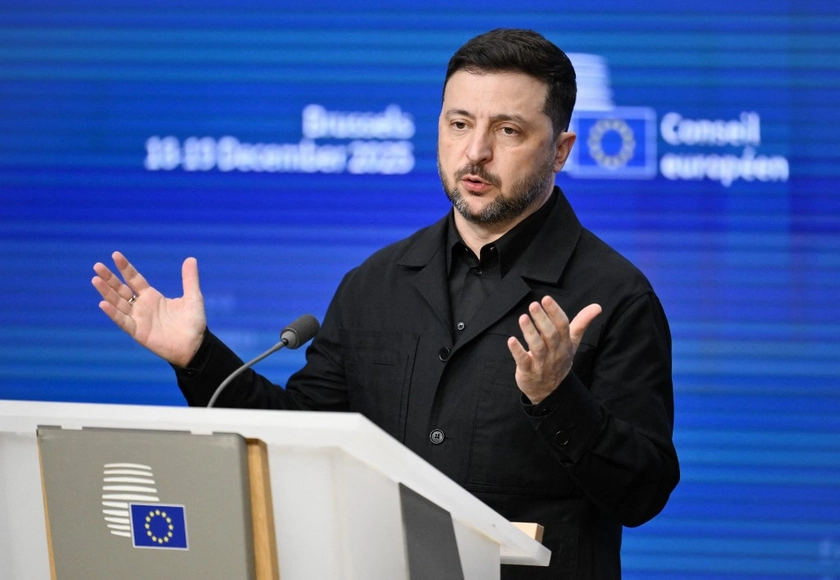
Earlier, President Volodymyr Zelensky stated that more than 60% of Russians want the war against Ukraine to end. Zelensky attributed this shift to growing military casualties and a lack of meaningful battlefield gains, noting that “the initiative in the war no longer belongs to Moscow.”
Zelensky added that while members of the Kremlin’s inner circle continue to push for another mobilization, the Russian public is increasingly aware that the military objectives are not being met. He stressed the need for continued political, economic, and military pressure on Russia to force meaningful negotiations.
The economic and military challenges also align with a measurable dip in domestic approval for the Russian leadership. In April, Vladimir Putin’s approval rating fell to 65.6%, its lowest level since before Russia’s full-scale invasion of Ukraine in 2022, according to data from Russia’s state-run Public Opinion Research Center (VTsIOM).
The figure represents a drop of 4.5 percentage points since late March and is more than 12 points lower than at the end of last year. Analysts note the decline coincides with Russia’s first economic contraction since 2023 and growing public frustration over tightened internet controls.
You can also highlight the text and press Ctrl + Enter

Zelensky Reveals Intercepted Intel From Putin’s Desk