Russia’s Federal Protective Service (FSO) uses secret opinion polling and automated monitoring of social media to assess public sentiment and provide reports directly to the country’s leadership, according to an investigation cited by Militarnyi on Sunday.
The report, originally published by independent Russian outlet Verstka, said the FSO maintains a closed sociological division responsible for conducting confidential public opinion surveys for President Vladimir Putin and other senior officials.
JOIN US ON TELEGRAM
Follow our coverage of the war on the @Kyivpost_official.
Secret polling supplements official statistics
According to the report, the FSO carries out around 500 sociological studies annually across Russia, with a combined sample of more than 400,000 respondents.
The findings are reportedly used alongside official public statistics and help inform major political decisions.
The scale of the program significantly exceeds that of most civilian polling organizations, which typically survey only several thousand respondents at a time.
Automated monitoring of social networks
The report also said the FSO has monitored social media platforms using automated systems since 2014.
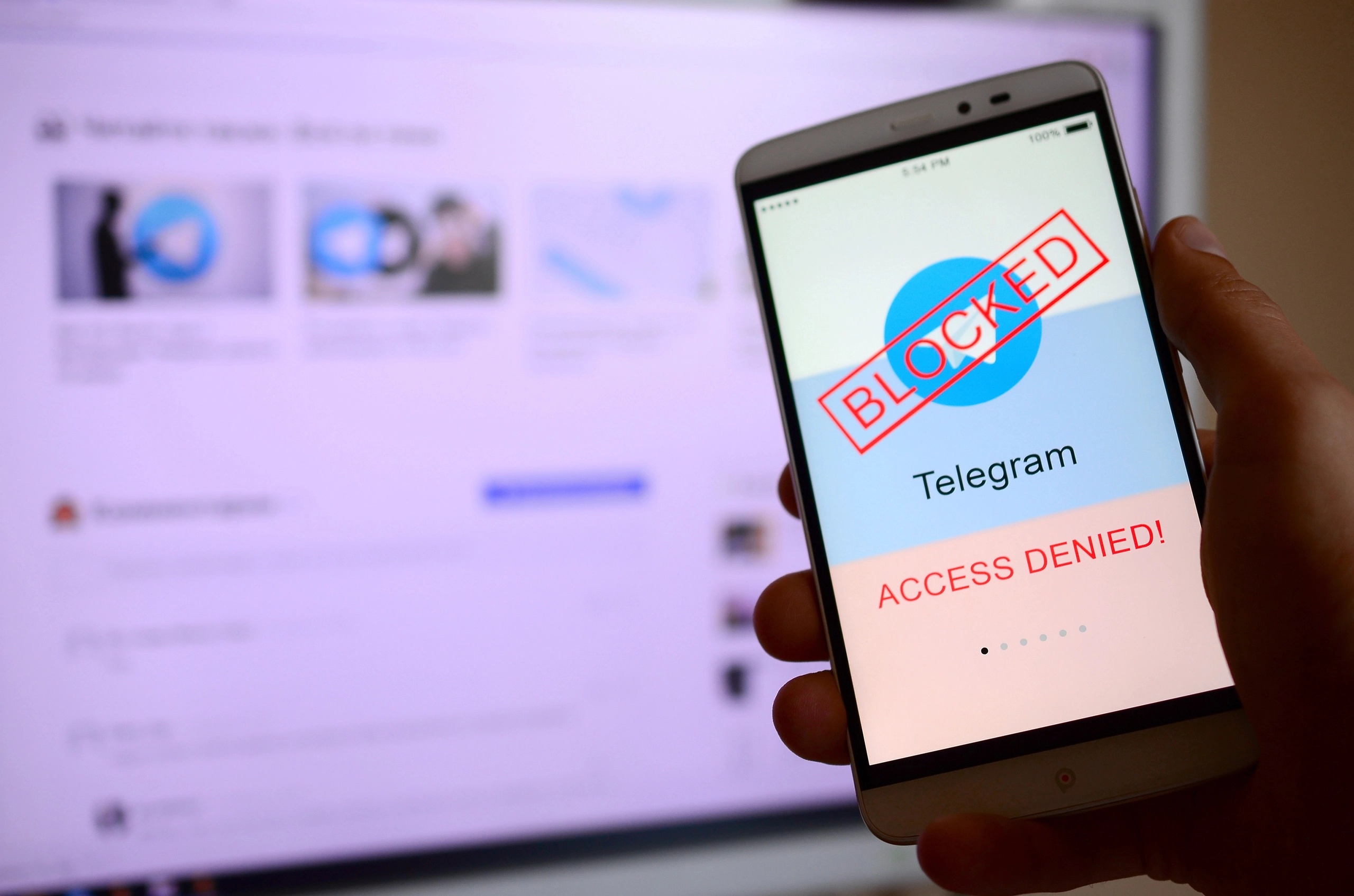
Analysts reportedly track publicly available information, including open Telegram channels, public chats and user comments, to identify shifts in political and social sentiment.
According to the investigation, the service relies on open-source intelligence methods and focuses on measuring public attitudes rather than conducting criminal investigations.
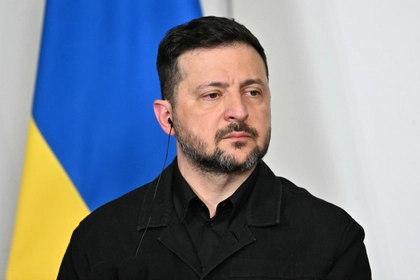
Zelensky: Russia May Want This War to Last Longer Than WWII
The report said responsibility for prosecutions and state security operations remains with Russia’s Federal Security Service (FSB), while the FSO’s role is limited to collecting and analyzing information.
The activities are reportedly carried out under a 2004 presidential decree that tasks the FSO with providing Russian authorities with information on social, economic and political developments across the country.
Earlier this month Putin ordered the FSB to organize internet access for Russians on the basis of “white lists” – which would restrict the open web with a narrowly defined set of approved online resources.
Russian authorities began turning off mobile Internet from May 2025, which resulted in more than 60 regions of shutdowns occurring regularly. The services that the officials say should remain working even when the Internet is disconnected are medical care systems, banking applications, and the portal “Public Services.”
The context of implementing such rules were explained as protection against Ukraine’s drone strikes and intelligence. During the outages, access could be retained to resources from the “white list”, which the Ministry of Digital Resources first introduced in September 2025.
You can also highlight the text and press Ctrl + Enter