Diplomatic relations between Kyiv and Warsaw sank to a new low over the weekend, with President Volodymyr Zelensky and three former Ukrainian presidents formally renouncing Poland’s highest state honor, the Order of the White Eagle, in protest at its revocation by Polish President Karol Nawrocki.
Foreign Minister Andrii Sybiha said Ukraine would now “mirror” any further unfriendly steps from Warsaw, and Kyiv was still weighing on June 22 whether Zelensky would even attend this week’s Ukraine Recovery Conference in the Polish city of Gdańsk.
JOIN US ON TELEGRAM
Follow our coverage of the war on the @Kyivpost_official.
As for Polish business, the picture was quite the opposite. Since the start of 2025, Polish companies committed to Ukraine’s market while Russia’s war against Ukraine is still in its active phase.
Polish companies made these bets on Ukraine’s banking, insurance, retail and energy sectors. Warsaw and Kyiv can fight over an award. The companies, it seems, decided that’s not their problem.
Kyiv Post made a list of the deals or potential deals from Polish business that became known in Ukraine this year.
Banking: Zen.com bought Ukraine’s PIN Bank
Poland’s financial technology company Zen prevailed in an auction for insolvent PINbank, Ukraine’s Deposit Guarantee Fund announced in April.
Zen, headquartered in London was licensed by the Bank of Lithuania and founded in 2018 in Rzeszów by entrepreneur Dawid Rożek. The fintech already operates in 35 European countries and previously partnered with Ukraine’s largest state-owned bank PrivatBank on cross-border transfers.
Russian Defense Sector Drains Civilian Labor Market, Artificially Inflating Wages
PINbank gives the company a retail network of 16 ATMs, 535 self-service terminals, and branches across Kyiv, Odesa, Lviv, Zhytomyr and Vinnytsia region, plus domestic government bonds worth Hr.35 million ($797,000). The bank had been majority-owned by Russian businessman Yevhen Hiner before the state seized his 88.89% stake following sanctions.
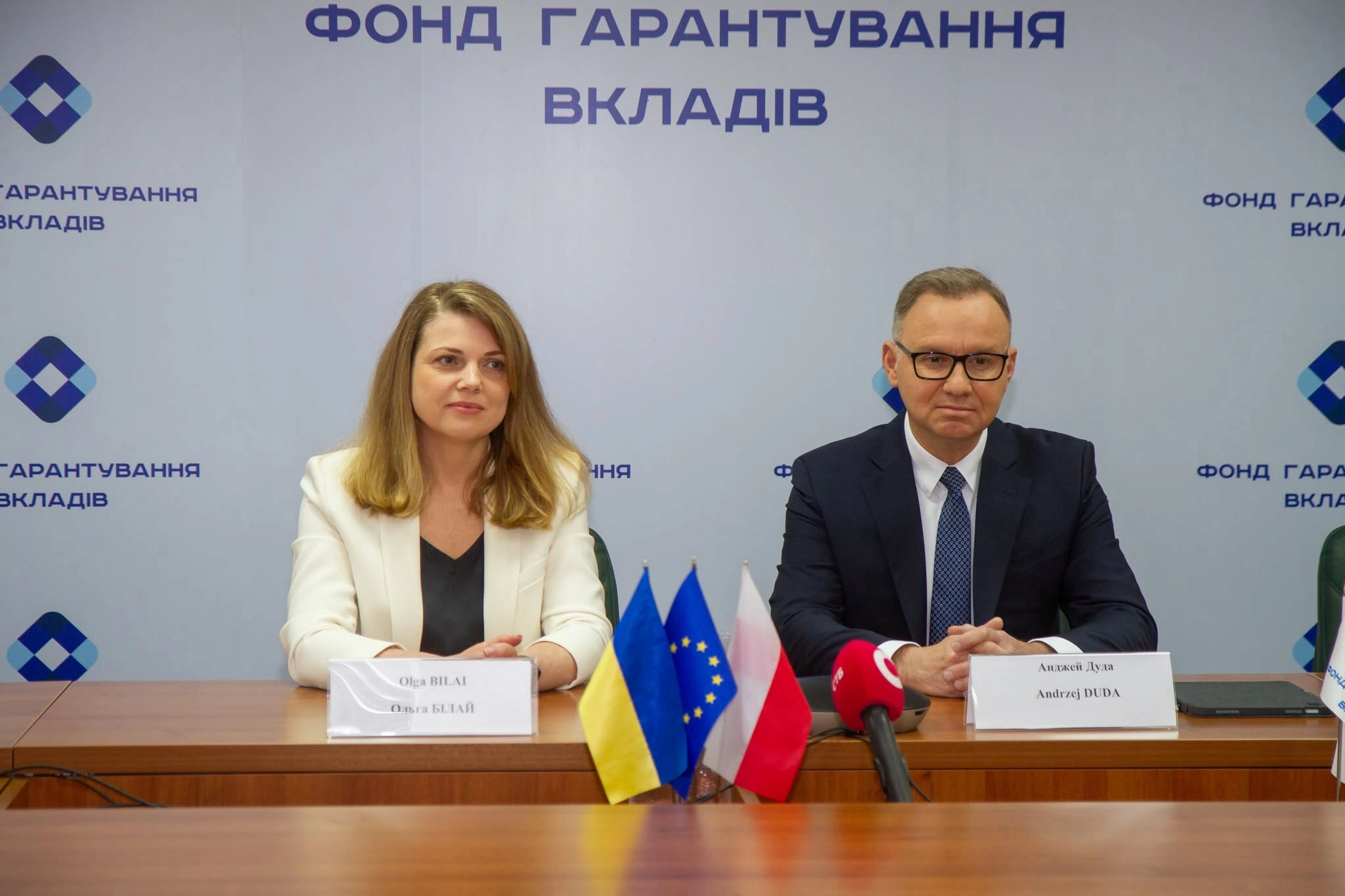
Former Polish President Andrzej Duda, who now sits on Zen’s supervisory board, traveled to Kyiv for the announcement, appearing alongside Deposit Guarantee Fund (DGF) Managing Director Olha Bilai at a press conference.
The Fund wrote that it sold 100% of PINbank’s shares to Zen for Hr.175 million ($3.9 million), with Duda calling the deal “a powerful signal of confidence in Ukraine’s financial system and its future integration with the European market,”, according to DGF’s Facebook post.
Zen’s European CEO, Michał Bogusławski, was quoted in the same release calling Ukraine “a strategically important market with significant long-term growth potential.”
Insurance: PZU buys MetLife Ukraine
Less than a fortnight later, Poland’s PZU Group signed a conditional agreement to acquire 100% of MetLife Ukraine, the country’s largest life insurer with roughly 900,000 customers.
MetLife Ukraine generated Hr.2.96 billion ($65.8 million) in life insurance premiums in 2025 alone, according to National Bank of Ukraine data.
The insurer holds a 49.2% share of a life insurance market which PZU described as “relatively under-saturated” compared with Central and Eastern Europe.
The deal, advised on the sell side by Rothschild & Co and Ukrainian boutique FinPoint, was covered by Polish export credit insurer KUKE, whose protection against war-related risk gave PZU cause to proceed.
“The absence of political and force majeure risks, including the risk of war, creates the potential for safe expansion for our companies,” the press release quoted KUKE President Janusz Władyczak.
Retail: Pepco builds a local team
Polish discounter Pepco, which confirmed its Ukraine entry in early April, has already assembled a local management team:
- Arsen Starchenko, formerly chief operating officer at Multiplex and a veteran of Metro Ukraine, takes over as country manager;
- Ivan Omelchenko, who previously worked across Epicentr K, Jysk, Foxtrot and Colliers International, becomes head of expansion.
Test stores are planned for the second half of 2026, with the chain targeting locations of 450 to 700 square meters in large and mid-sized cities, according to Forbes Ukraine. Pepco Group reported 2025 revenue of €4.5 billion ($5.14 billion), up 8.7%, and net profit of €219 million ($250.2 million), up 19.7%, across more than 4,000 stores in 18 European countries.
e-Commerce: Allegro tests the waters
Poland’s largest marketplace, Allegro, is taking a more cautious first step, launching a direct-delivery service called Allegro International Ukraine in June, Forbes Ukraine reported. It will include a few hundred Polish sellers, before deciding on a full commercial launch.
Allegro told Forbes that it was still testing both the marketplace and the logistics side together with delivery partners. Allegro earned roughly $3 billion in 2025 revenue and operates more than 150,000 sellers across six countries, Forbes Ukraine wrote.
And its major competitors will be Ukraine’s largest marketplace Rozetka, whose 2025 revenue reached Hr.46 billion ($1.02 billion), and the broader Rozetka-Evo group, which posted Hr.112.4 billion ($2.5 billion).
Ukraine’s overall e-commerce market grew 7% in 2025 to Hr.256 billion ($5.7 billion) in purchases, with an average online check of around Hr.1,320 ($29.36), the media outlet wrote.
According to Forbes Ukraine, Allegro’s prior expansion record is mixed. It bought Czech e-commerce group Mall Group and logistics firm Wedo for €881 million ($1.01 billion) in 2022, but began winding down operations in Slovenia and Croatia in January 2026 after losses of nearly €5.7 million ($6.51 million) over nine months.
Consumer goods: Maspex buys a local brand
Poland’s food and beverage group Maspex has also moved into Ukraine’s consumer market. The Antimonopoly Committee of Ukraine approved Maspex’s joint control, alongside a Ukrainian citizen, over the companies behind the Karpatska Dzherelna mineral water brand, exercised through Cyprus-registered Dynalum Finance Ltd, following roughly a year of negotiations.
Poland’s Maspex is one of the largest food and beverage groups in Central and Eastern Europe, with a portfolio of more than 70 brands spanning Tymbark juices, Nestea iced teas, Żubrówka and Soplica spirits, pasta, instant foods, canned goods, and pharmaceuticals across 18 plants. The group is co-owned by Polish entrepreneur Krzysztof Pawiński.
Its net profit fell 75.8% in 2024 to zł36.5 million ($9.7 million) compared with 2023, on revenue of zł4.8 billion ($1.3 billion), according to Polish financial reporting service Sprawozdania Online. Its Ukrainian target is far smaller but growing: Karpatski Mineralni Vody LLC posted Hr.247.8 million ($5.5 million) in revenue in 2024, while Trading House KMV LLC brought in Hr.1.9 billion ($42.3 million), Forbes Ukraine wrote.
Orlen’s years-long interest in Ukrnafta
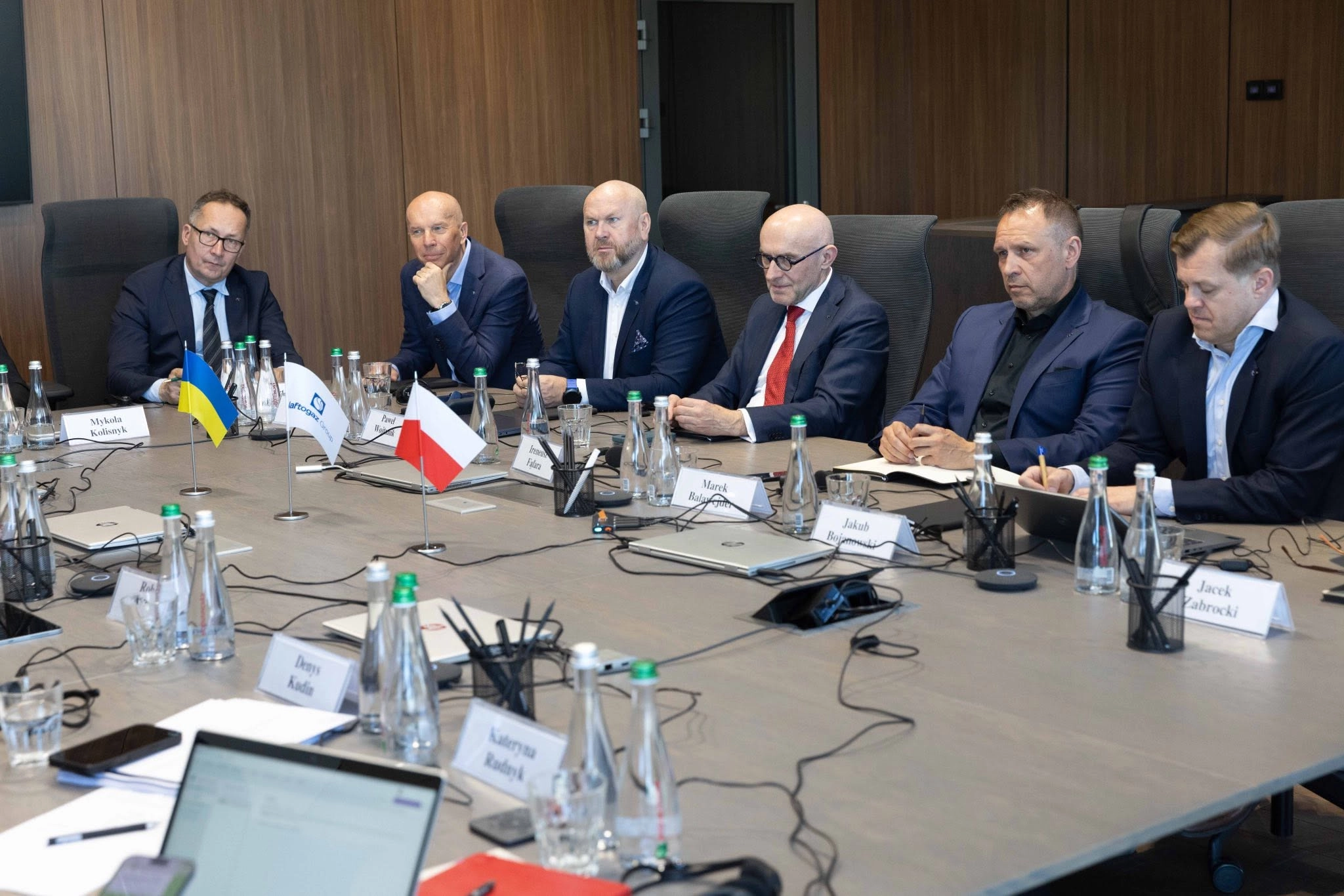
Poland’s largest energy concern, Orlen, has opened talks over taking a stake in Ukrnafta, Ukraine’s largest oil producer and a unit of state-owned Naftogaz Group, CEO Ireneusz Fąfara said in May.
“We have begun a conversation about the possibility of getting involved in Ukrnafta. We are in the process as one of the partners,” Fąfara said, according to Polish news agency PAP Biznes.
“Whether this will happen and what form it will take is a matter for negotiation with the Ukrainian side, but I would like to emphasize once again that we are one of the partners in the negotiations.”
Short of an equity stake, the two sides already have a deep commercial relationship: Orlen’s Mažeikiai refinery in Lithuania sells almost 18% of its output in Ukraine, the company moves roughly 1.5 million tons of refined products into the country each year, and it has shipped about one liquefied natural gas tanker a month to Ukraine since last summer.
“We would like to become more involved in this market than we currently are,” Fąfara said. “We are one of the main partners supplying fuel to Ukraine and we would like to strengthen this position.”
The Ukrnafta discussions appear to be moving beyond statements to in-person diplomacy. Fąfara traveled to Kyiv with Orlen’s senior management team, where Naftogaz Group CEO Serhiy Koretskiy hosted the delegation alongside other Naftogaz executives.
Naftogaz imported 600 million cubic meters of Orlen’s LNG into Ukraine in 2025, with nearly 300 million cubic meters more in the first quarter of 2026 alone, Naftogaz wrote in its Facebook post.
Unimot Energia I Gaz’s collaboration in Ukraine
Polish energy company Unimot Energia I Gaz signed two agreements with Ukrainian partners, ISO Company and EDS Engineering, to build solar capacity and expand electric-vehicle charging infrastructure.
Unimot estimates the cost of restoring Ukraine’s energy infrastructure at between $2.35 and $2.58 billion, while Ukraine plans to invest around €200 million ($229 million) annually through 2032 to modernize the system.
ISO is a Ukrainian engineering company working on renewable energy projects, EDS Engineering, part of the EDS Group, develops large-scale energy infrastructure, and both provide technical and operational support for energy projects.
Polish Unimot Energia I Gaz supplies electricity and natural gas to businesses and institutions, produces solar modules under the AVIA Solar brand, and offers energy security systems.
EDS Engineering will also expand its work to develop electric vehicle charging infrastructure in Ukraine and across the EU. This covers production, installation of charging stations, and building supporting electrical networks.
Central banks: a relationship that predates the crisis
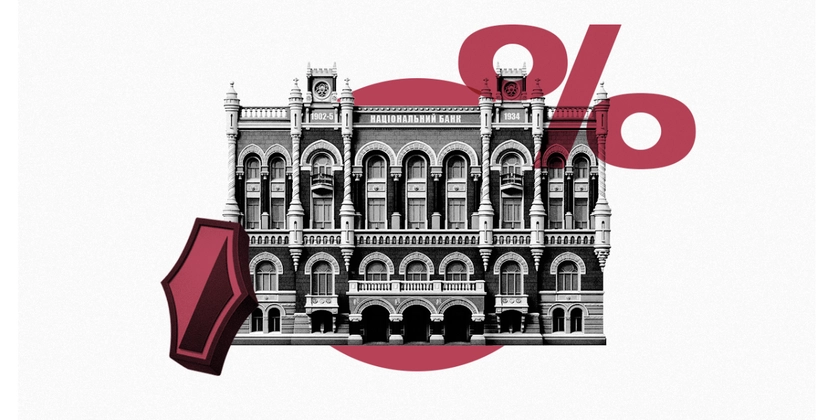
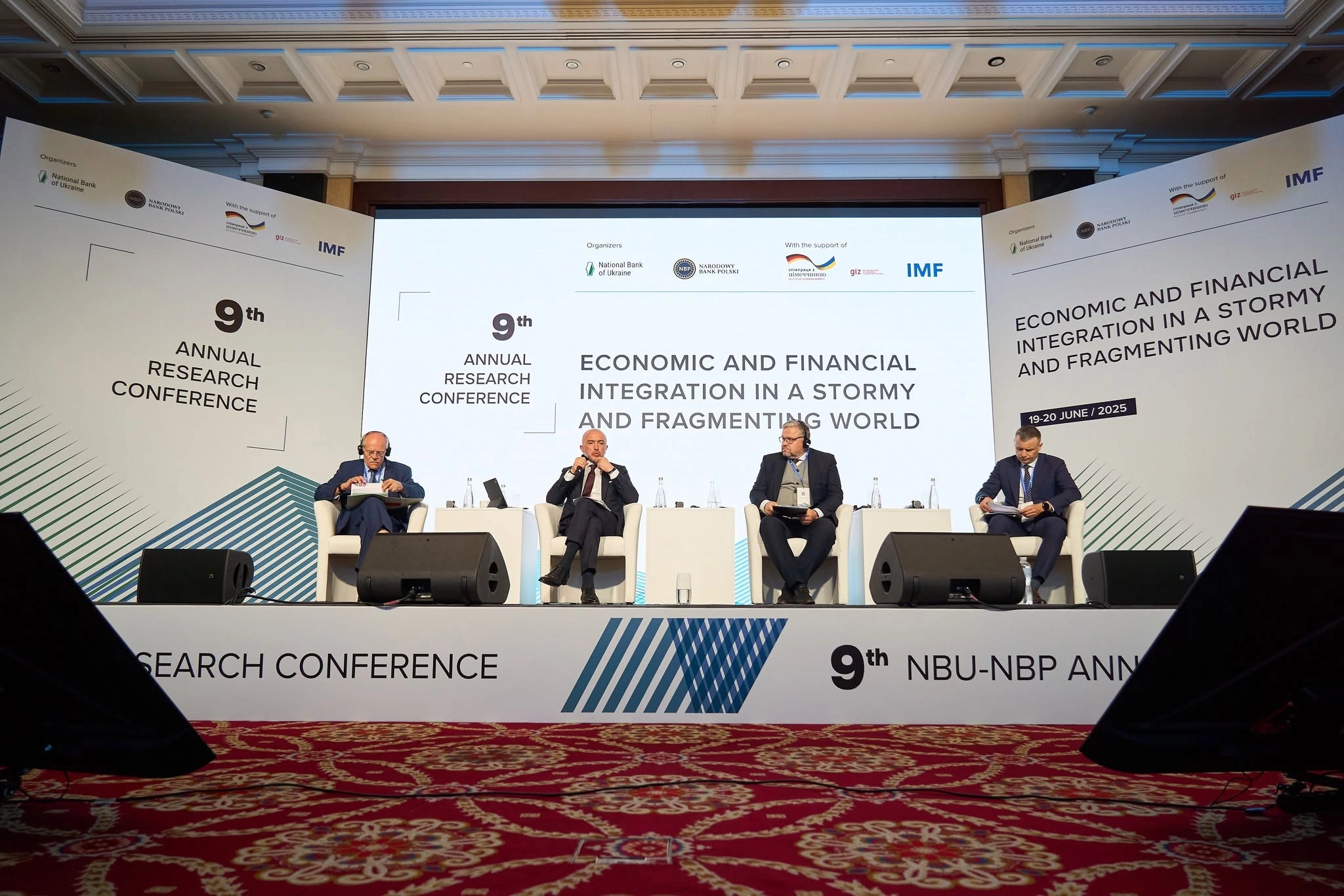
Central bank ties have remained a constant through the turbulence. The National Bank of Ukraine and Poland’s Narodowy Bank Polski have held a joint annual research conference for almost a decade, with the next edition planned for September.
Last year’s gathering went ahead even as some Polish officials stayed away over security concerns, while European Central Bank President Christine Lagarde visited Kyiv, met with NBU staff, and laid flowers at a memorial near St. Michael’s Cathedral during an air raid alert.
Time will tell whether that calculation survives a prolonged diplomatic freeze, but for now, Polish real business is the first pioneer to invest in Ukraine amidst raging war.
You can also highlight the text and press Ctrl + Enter