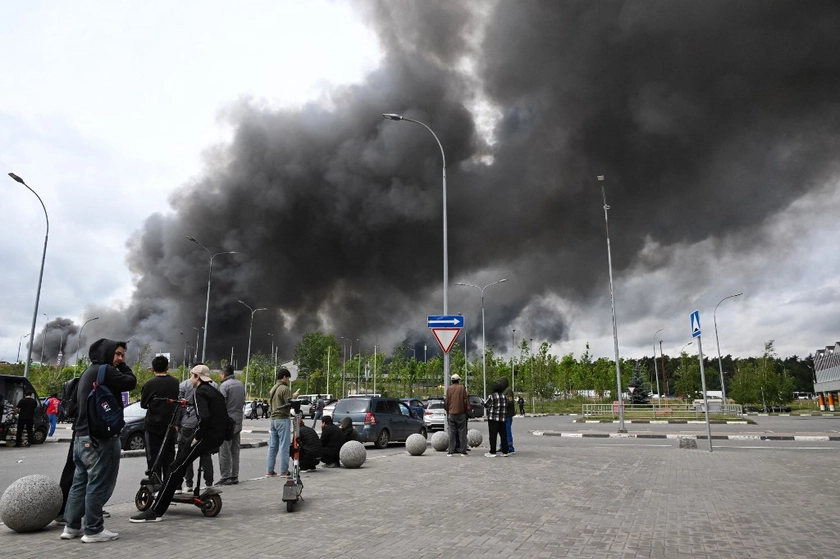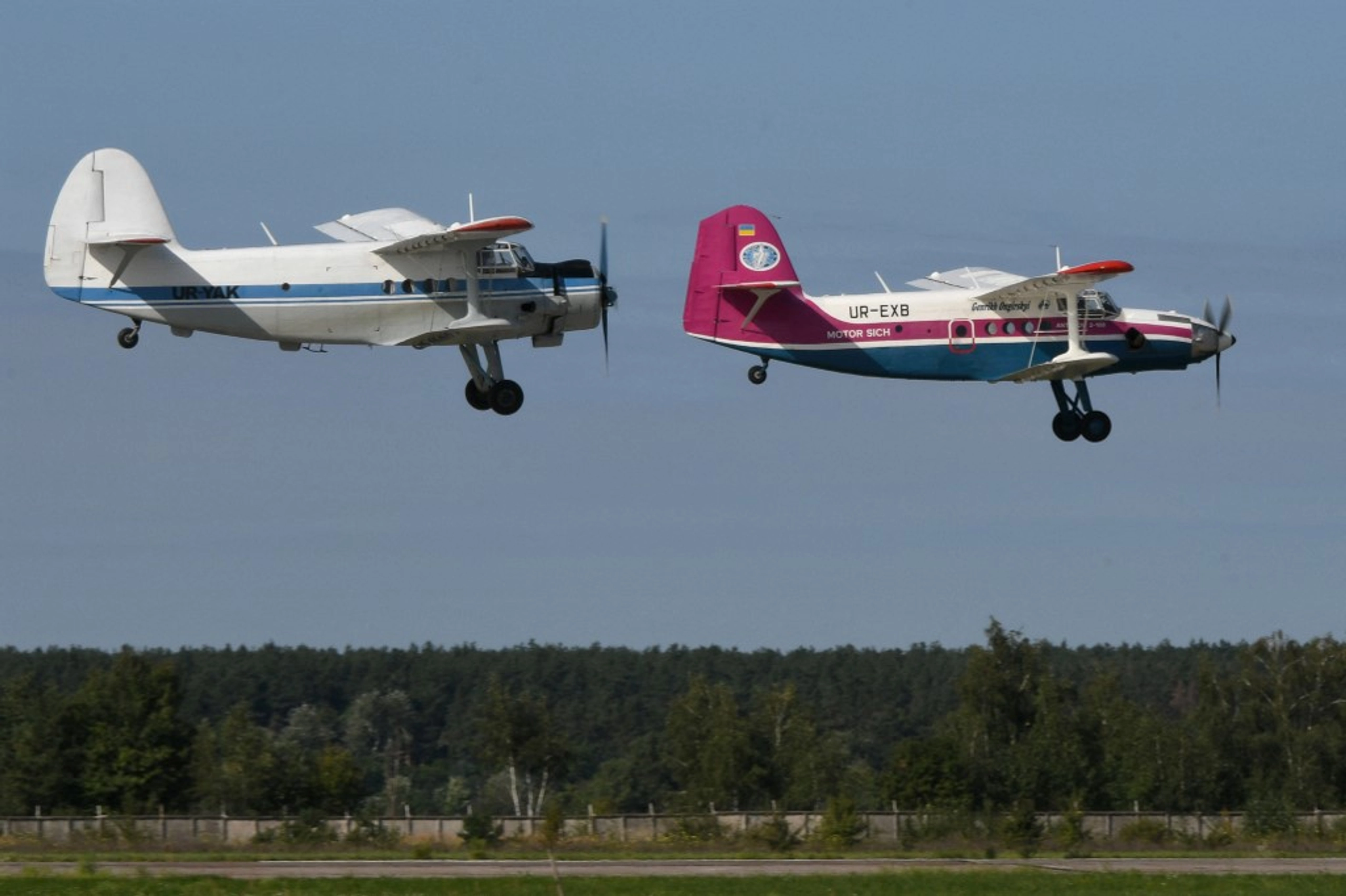
Operators of light aircraft in Russia have begun testing automobile gasoline as a substitute for aviation fuel as supplies tighten and prices rise across the country’s general aviation sector.
According to Russian news outlet Kommersant, aviation gasoline is available only at major airports – through partners in Ufa and Volgograd – leaving operators in most other regions to carry fuel in special containers or rely on private flying clubs.
JOIN US ON TELEGRAM
Follow our coverage of the war on the @Kyivpost_official.
The availability of aviation gasoline, according LightAir CEO Dmitry Toropov, “has always been bad, but now it is getting worse.”
Against this backdrop, Russia’s An-2 Operators Association has submitted a proposal to the Transport Ministry calling for state regulation of prices for both jet fuel and aviation gasoline.
Fuel costs squeeze small aviation
With Ukraine’s continuous strikes on Russia’s oil infrastructure, Russia has decided to restrict jet fuel exports from June 1 through Nov. 30 in an attempt to stabilize the domestic market, but wholesale prices have reportedly continued to climb.
Association president Vladimir Antonov warned that fuel costs account for a larger share of expenses at small aviation companies than at major passenger carriers, further worsening flight economics and reducing demand for their services.
“The situation is not yet critical, but it is moving in that direction,” said Vadim Tsyganash, executive director of the Aviation Work Association. “Within a month, the issue will become acute,” he added, noting that forest fire aviation beyond the Urals has only one to one-and-a-half months of fuel reserves remaining.
Belarus Opposition Warns Lukashenko May Be Preparing for War
Operators switch to automobile gasoline
Some operators have already replaced Rotax-912 engines with Chinese C100 equivalents and started test flights on Euro-3 automobile gasoline after Russia’s aviation regulator eased fuel supply requirements for light aircraft.
So far, the tests have shown no negative effects, though accumulated flight hours remain too limited for final conclusions, per the report.
Specialists warn that lower-octane fuel risks engine detonation, reduced thrust, and faster contamination of exhaust systems. Nevertheless, operators are counting on Euro-3 gasoline to carry them through the summer season.
The difficulties extend beyond small planes. With fuel accounting for around 30% of airline operating costs, Aeroflot head Sergei Alexandrovsky said at the St. Petersburg International Economic Forum in June that the group’s fueling costs had risen 7% since the start of the year.
According to Russia’s civil aviation register for 2026, 853 An-2 aircraft are currently registered in the country. Russia had previously considered restoring up to 700 Soviet-era An-2s held in storage after efforts to develop a modern domestic replacement failed – underscoring the sector’s deepening dependence on aging equipment at a time when the fuel needed to operate it is growing harder to find.
Shortages spread beyond aviation
Following Ukrainian drone strikes on the Taneco and TAIF-NK refineries in Nizhnekamsk, major Russian fuel retailers – including Tatneft, Rosneft, and Lukoil – began limiting per-customer fuel sales across Moscow, St. Petersburg and Tatarstan, with some limits as low as 20 liters (5 gallons) per transaction.
Russia indefinitely extended a government waiver on June 15, allowing refineries to sell gasoline and diesel below Euro-5 environmental standards – permitting sulfur levels up to 15 times the legal limit – as fuel shortages have spread to at least 25 regions.
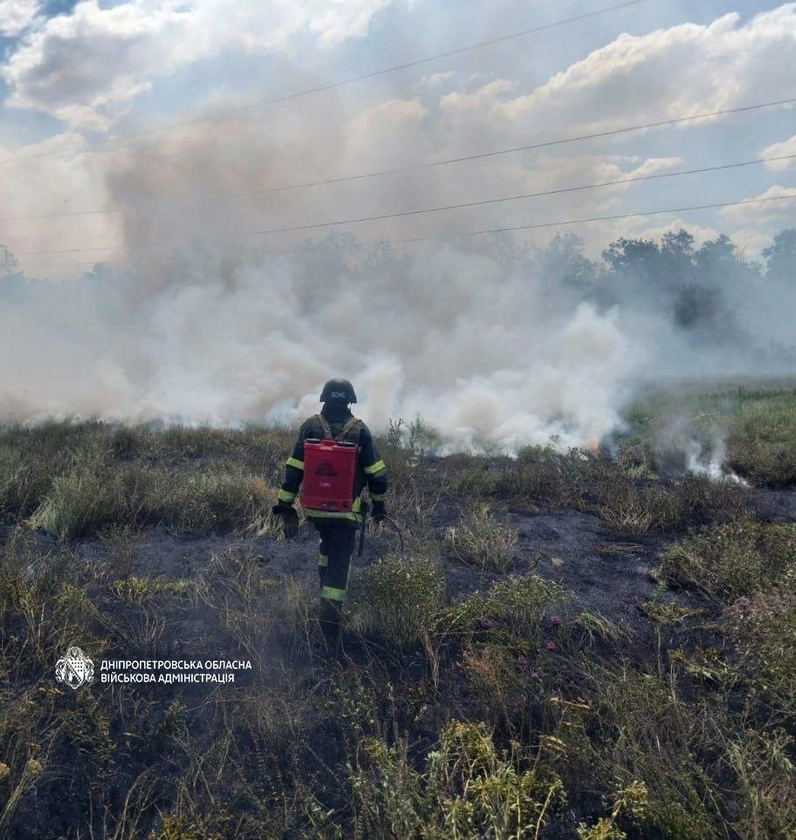
Russian-installed authorities in occupied Crimea and Sevastopol suspended all civilian fuel sales entirely, restricting gasoline and diesel exclusively to emergency and state vehicles, following Ukrainian drone strikes and fires at fuel terminals in Kerch and at Port Kavkaz near the Kerch Strait.
You can also highlight the text and press Ctrl + Enter