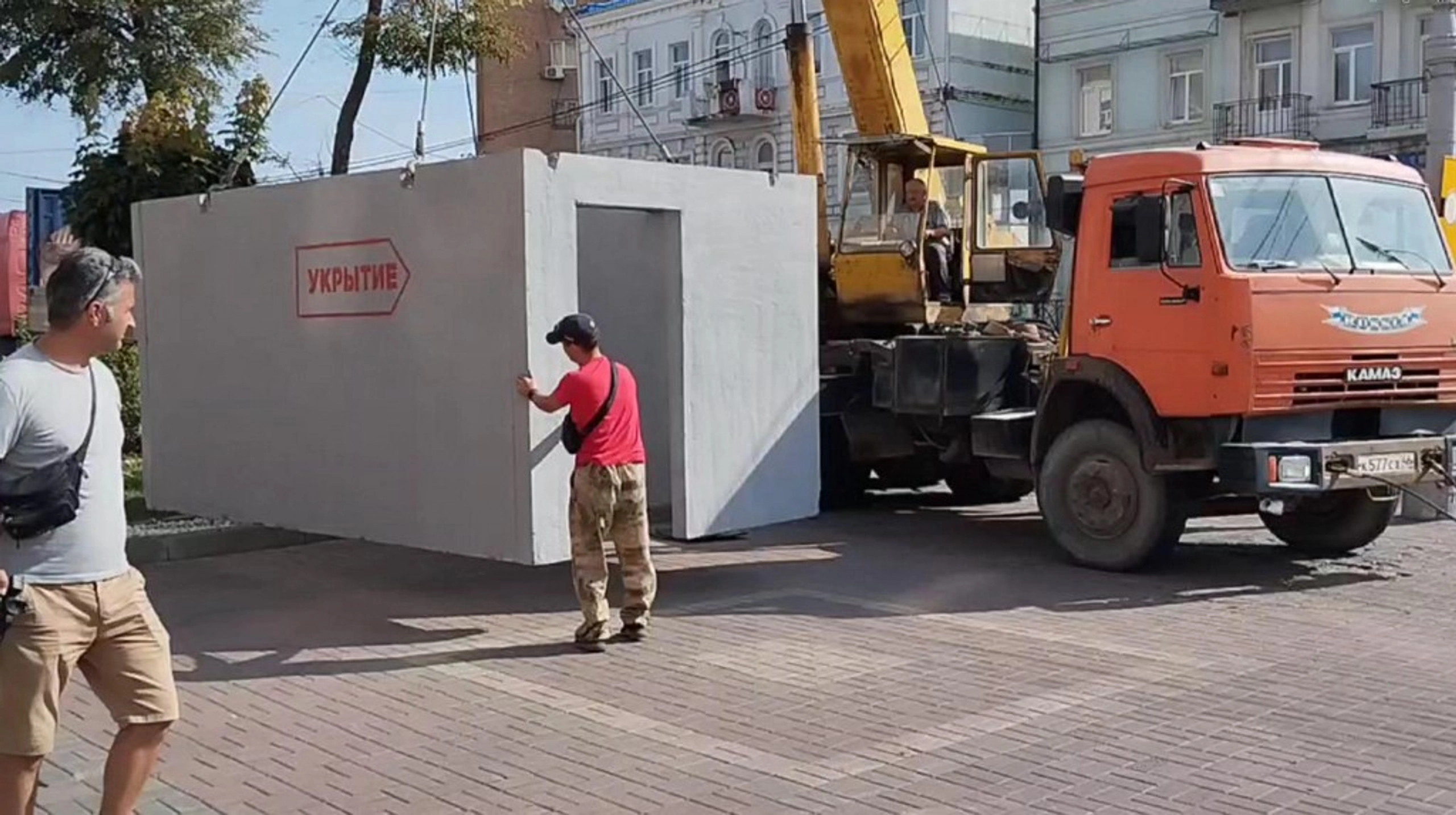
Tallinn has installed its first modular public shelter in the city center to evaluate how such infrastructures could function within the urban environment.
Estonian media ERR said the shelter was installed on Thursday in the green area at Juhkentali 10, marking it the first modular concrete shelter placed in a public urban space in Estonia.
JOIN US ON TELEGRAM
Follow our coverage of the war on the @Kyivpost_official.
The shelter, provided to the city by construction company Citysec Industry, is based on a standardized design already in use in Ukraine. Recent reports suggest the Baltic nations have looked to Ukraine for similar projects following recent drone incursions.
Built of reinforced concrete, the structure is designed to reduce risks from explosions, including blast waves and debris. Its modular shape allows it to be expanded, moved or installed in different parts of the city if needed.
Authorities described the installation as a demonstration project aimed at increasing public awareness of shelter locations and appropriate behavior during emergencies, and they are currently evaluating the shelter’s usability and effectiveness under real conditions.
After the testing period, authorities will decide whether to scale up the project and expand the network of similar shelters across the city.
Baltics’ drive to counter Russian threats
In May, Estonia installed and activated its first stationary drone detection and monitoring systems across three key land border sectors in the southeastern region.
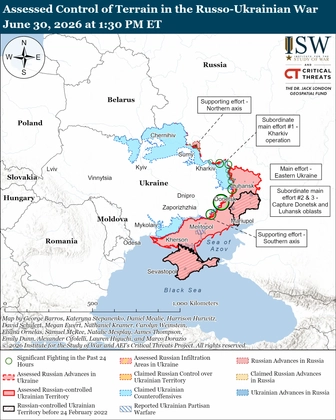
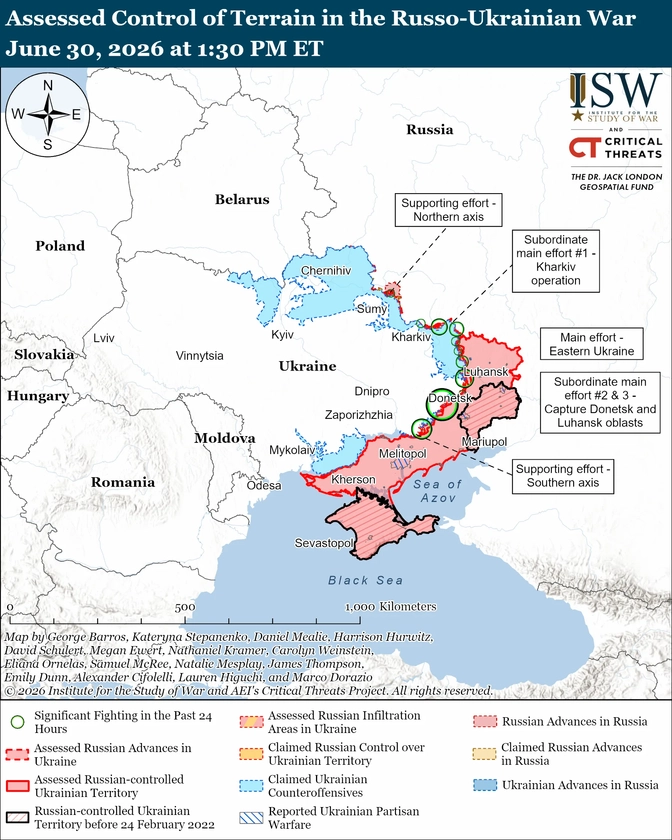
ISW Russian Offensive Campaign Assessment, June 30, 2026
Estonian Interior Minister Igor Taro confirmed that the deployment marks the beginning of a larger strategic initiative to build a comprehensive, nationwide anti-drone radar shield.
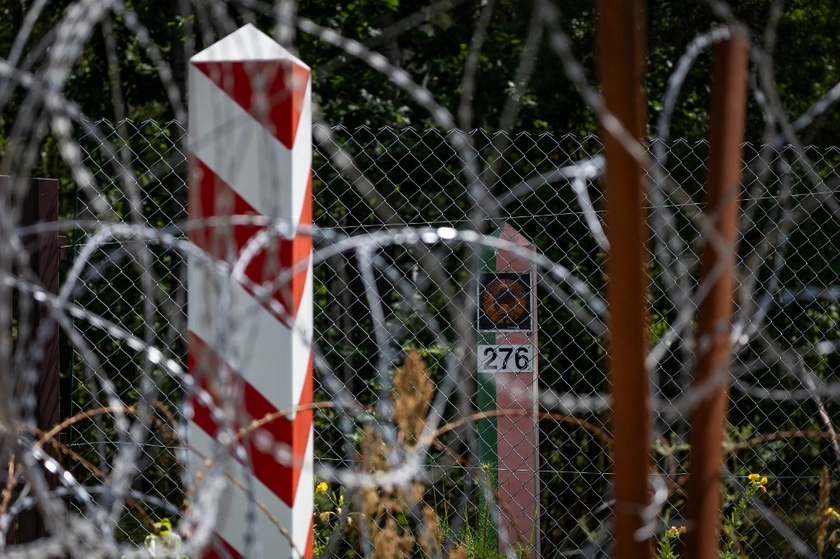
Both Estonia and Latvia have begun installing concrete “dragon’s teeth” anti-tank barriers along their border with Russia as part of the Baltic Defense Line, with NATO preparing rapid-deployment plans to defend the Baltic states amid growing concerns about Belarus joining the Russian war against Ukraine.
Estonia and Latvia also reported a series of drone incursions in recent months, prompting NATO forces stationed in the Baltics to shoot them down in historic firsts. The drones were later found to be of Ukrainian origin, believed to have been diverted by Russian electronic warfare systems toward NATO territory.
You can also highlight the text and press Ctrl + Enter