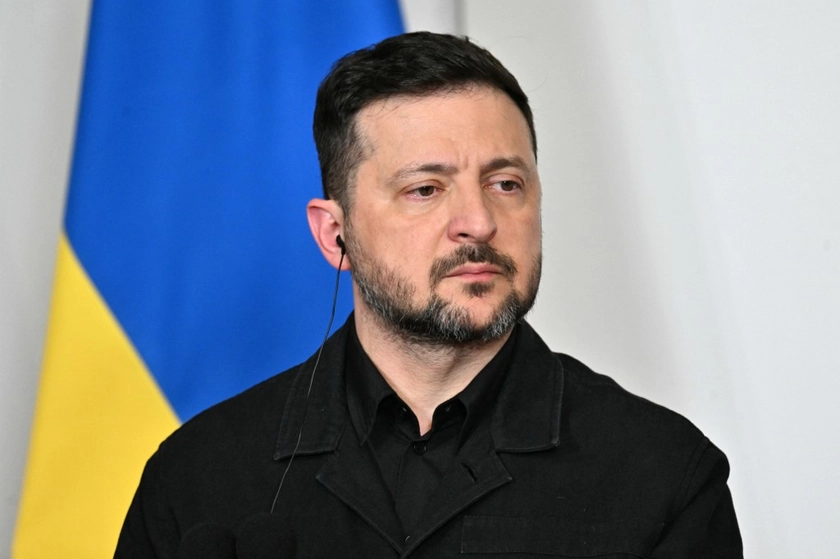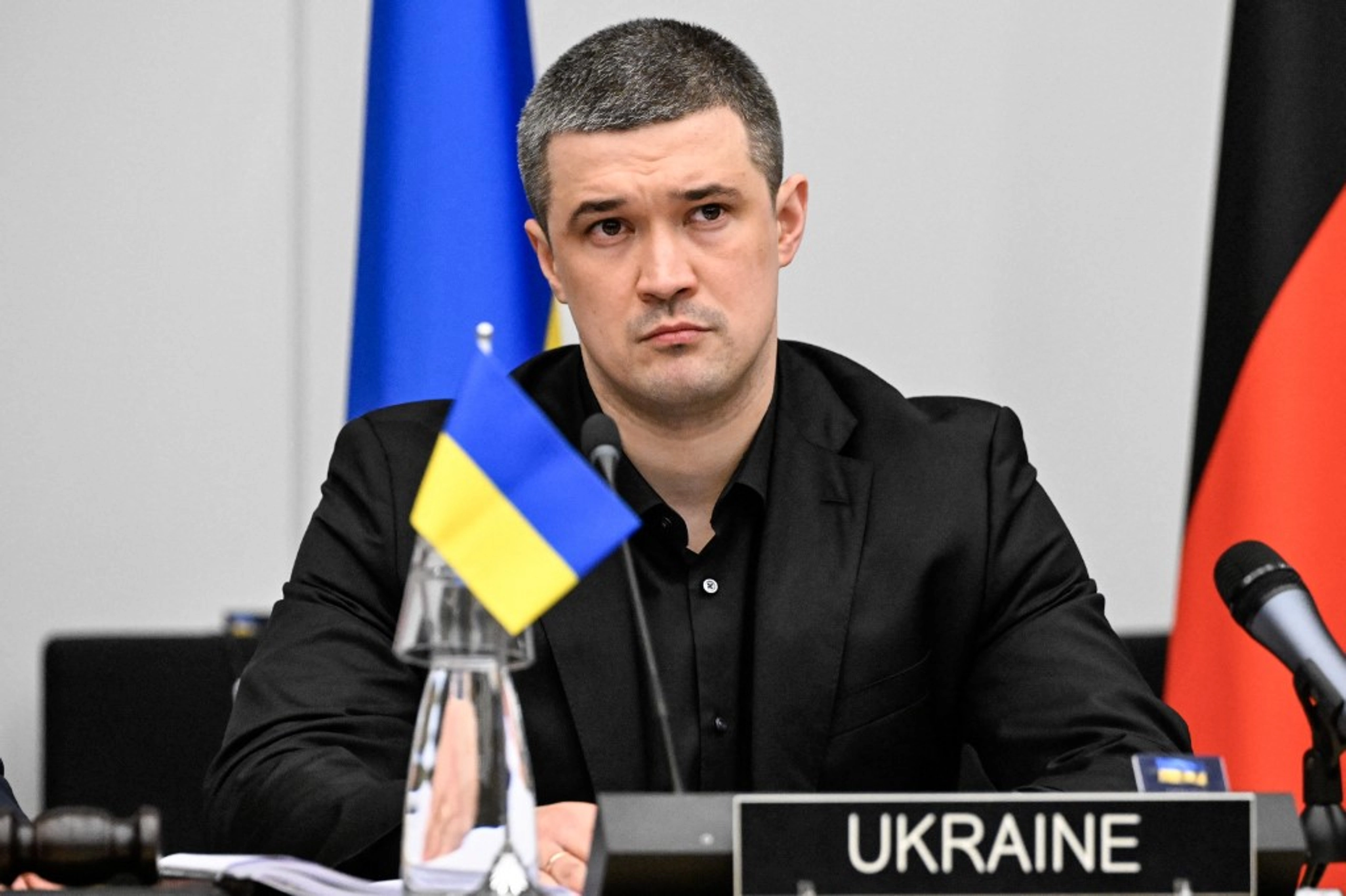
Ukrainian defense ministry officials and private industry contractors used to big profits and sweetheart contracts quit government work after being ordered to take a lie detector test, Ukraine’s anti-corruption Minister of Defense Myhailo Federov said in a wide-ranging Tuesday television interview.
“We said that let’s put everyone through a polygraph. Those who did not agree were immediately fired. Those who agreed and did poorly on the polygraph were fired. Those who passed normally remained working,” Federov said in comments to the TSN news.
JOIN US ON TELEGRAM
Follow our coverage of the war on the @Kyivpost_official.
“I spent several weeks with law enforcement officers, collecting information (on possible criminal activity involving defense ministry contracts). The investigators identified where, who, with whom. Then we compared all the information and patterns emerged. There were people who were ‘on the radar’ in each of the law enforcement agencies,” Federov said.
Federov, 35, took over Ukraine’s wartime defense ministry in January 2026 following the ouster of his predecessor under a cloud of accusations by the army and public that contracting and material supply for Ukraine’s armed forces had been shambolic and inefficient for years and showed clear signs of insider deals and corruption.
A businessman in the marketing industry focused on social media, Fedorov joined the government of President Volodymyr Zelensky as Minister of Digital Transformation in 2019. Most Ukrainian political analysts credit Fedorov for overhauling state record-keeping and citizen services from paper- and rubber-approval-stamp-obsessed, Soviet-style bureaucrats to individually accessible digital platforms for everything from paying utility bills to birth registrations to personal health records to opening a new business to driver’s license renewal.
Investigation Begins Into Fatal Su-24M Crash in Western Ukraine
In comments to TSN, Fedorov said that since taking over the defense ministry, his team’s top priority has been to impose efficiency and reduce costs.
Forcing Ukraine’s booming armaments and military equipment industries to compete freely and fairly for government contracts has been difficult, he said, because wartime emergency had made no-bid and single provider contracts for the needs of Ukraine’s military common practice, and attempts to bring competition and transparency into that supply chain have met fierce resistance.
“You wouldn’t believe the kind of pressure we have met with in reforming the system of acquisition and purchasing for the defense ministry of Ukraine,” he said. “It’s the biggest budget in the country. There are a huge number of interested persons. There are a great many retired military men who have companies and are lobbying orders for them.”
Federov said the issue is widespread and clandestine.
“There are companies that have made hundreds, and even billions of dollars. They approach [government contract-decision makers] through middlemen, via companies, and find someone to corrupt. There’s a large number of corrupt people who were in the defense ministry and other agencies,” he added.
According to Fedorov, he got everyone together online eventually and threatened jail time.
“[Many] of those companies that were working with the defense ministry, we just had to sack them. I got everyone together, in defense contracting, this was 1,000s of people, it wasn’t possible to do it physically so I got them together on a Zoom call,” Fedorov continued.
“And I said, ‘Look. Whoever of you plans to work, by special agreements, by ‘understandings,’ by a preferred company, who’s thinking of making money by some other scheme, I will do everything I can to put you in prison,” he added.
Under Ukrainian wartime law, some civil liberties, such as the right to be free from a state-imposed lie detector test required to work as a government contractor, have been waived on national security grounds.
“Our goal is not to fight with someone or find enemies. Our job is to establish the rules of the game. A company needs to understand that there is free competition. You know, in 2022 [Ukraine’s defense industry] invented drones, then a [unmanned ground vehicle] UGV market, then various munitions, then some kinds of missiles. What we are doing is creating the rules for that,” he said. “We are always for clear market rules, open competition, and maximum transparency.”
An example of probable insider contracting cited by Fedorov involved a contract awarded to a state defense company for mobile battlefield jamming systems badly needed by troops.
The terms of the state-written contract, Federov said, specified that only one of the dozens of Ukrainian companies producing UGVs might construct the jamming system, and that only its UGV – costing about $7,000 more per unit than market price – might be used as the platform.
Scams and sweetheart agreements across the defense contracting industry, and resistance to doing business with the government honestly, were what led to the lie detector order, he said.
“A colossal amount will be saved due to the fact that we simply started to fight corruption within the Ministry of Defense and transfer everything to tenders, to transparent rules of the game,” Fedorov said. “We saved from 16 to 20 percent on purchases, when we launched a competitive tender for 155mm artillery shells, this was more than $100 million dollars for a single contract.”
More money for big guns and bigger paychecks
Besides working to reform defense contracting, in the first six months of 2026, the defense ministry leadership audited all combat brigades in the military with a 160-item checklist devoted to personnel and manning, with tick boxes covering, among other subject areas, evacuation of wounded, recovery of dead, tracking of missing and relative danger of military specialties.
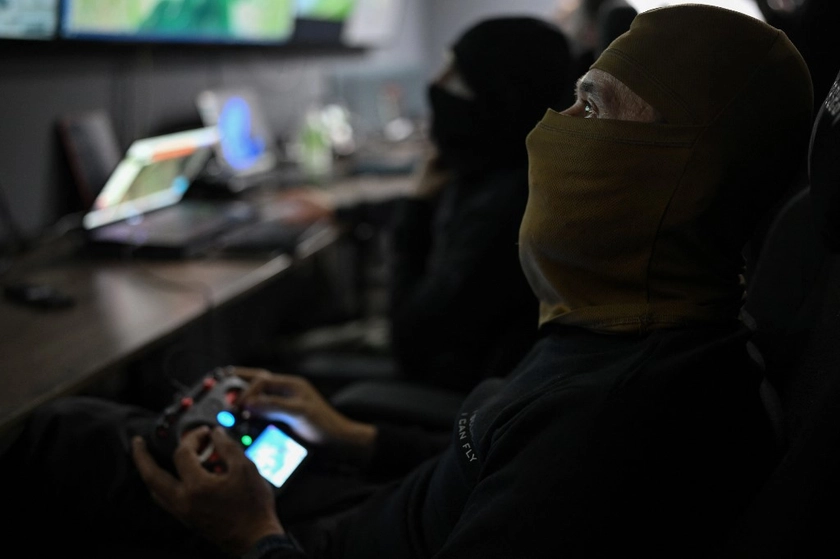
As a result of the audit, salaries will increase across much of the force, and particularly for frontline, high-risk combat jobs like assault infantrymen or first-person view (FPV) drone operators, Federov said.
The Armed Forces of Ukraine (AFU) currently has reliable funding thanks to allied assistance, but is seeking more to expand drone production and force manning, Federov said, with non-Ukrainians increasingly being recruited.
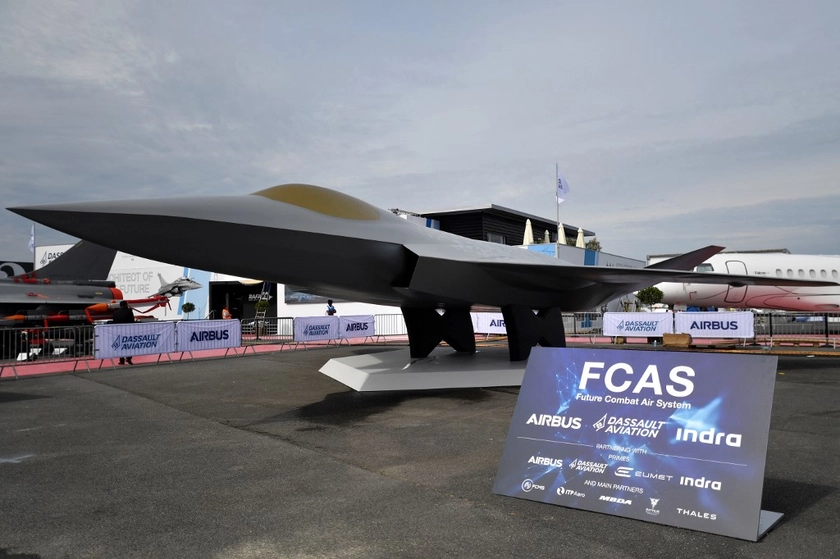
Funding for the purchase and delivery of modern Swedish Gripen fighter jets is already in place, he added.
He also said Ukraine continues to lack heavy interceptor missiles because of shortages internationally.
Federov said a tender will soon be opened for domestic and international manufacturers to bid on the production and delivery of 150,000 mid-range strike drones.
Then, Ukraine’s defense ministry will offer tenders for orders for deep strike drones and FPV drones. The winning bidder will offer the best ratio of cost to quality, and for big orders, tenders will be issued for separate manufactured lots of a single system. Savings by tendering will probably be around 20 percent, he said.
Federov said that he and his ministry see Ukraine as holding the initiative against Russia and that over the next six months, Ukraine should enjoy a battlefield advantage thanks to superior drone quality and quantity, and the ability to use the Starlink communications system for combat operations, while access for Russian forces has been cut off.
Russia’s military is, however, adapting to the new difficulties and will try to regain the initiative by attacking Ukrainian homes and businesses, he said.
“Russia is in a kind of agony…they can blow up the center of a [Ukrainian] city, they can kill civilians, but that has zero effect on the situation on the battlefield. It won’t do anything to Ukrainian weapons production, it’s just some kind of moral pressure [on Ukrainians[ and [Putin] will continue to try and apply it,” Federov said. “But right now we are seeing the maximum that he can do.”
Ukrainian arms manufacturers will, during 2026, begin factory production of a domestically-developed ballistic missile capable of hitting targets deep inside Russia, he said.
“Ukrainian ballistics will change everything in this war. It will change, in general, the status of Ukraine in the world,” Fedorov said.
You can also highlight the text and press Ctrl + Enter
Putin’s Worst Nightmare