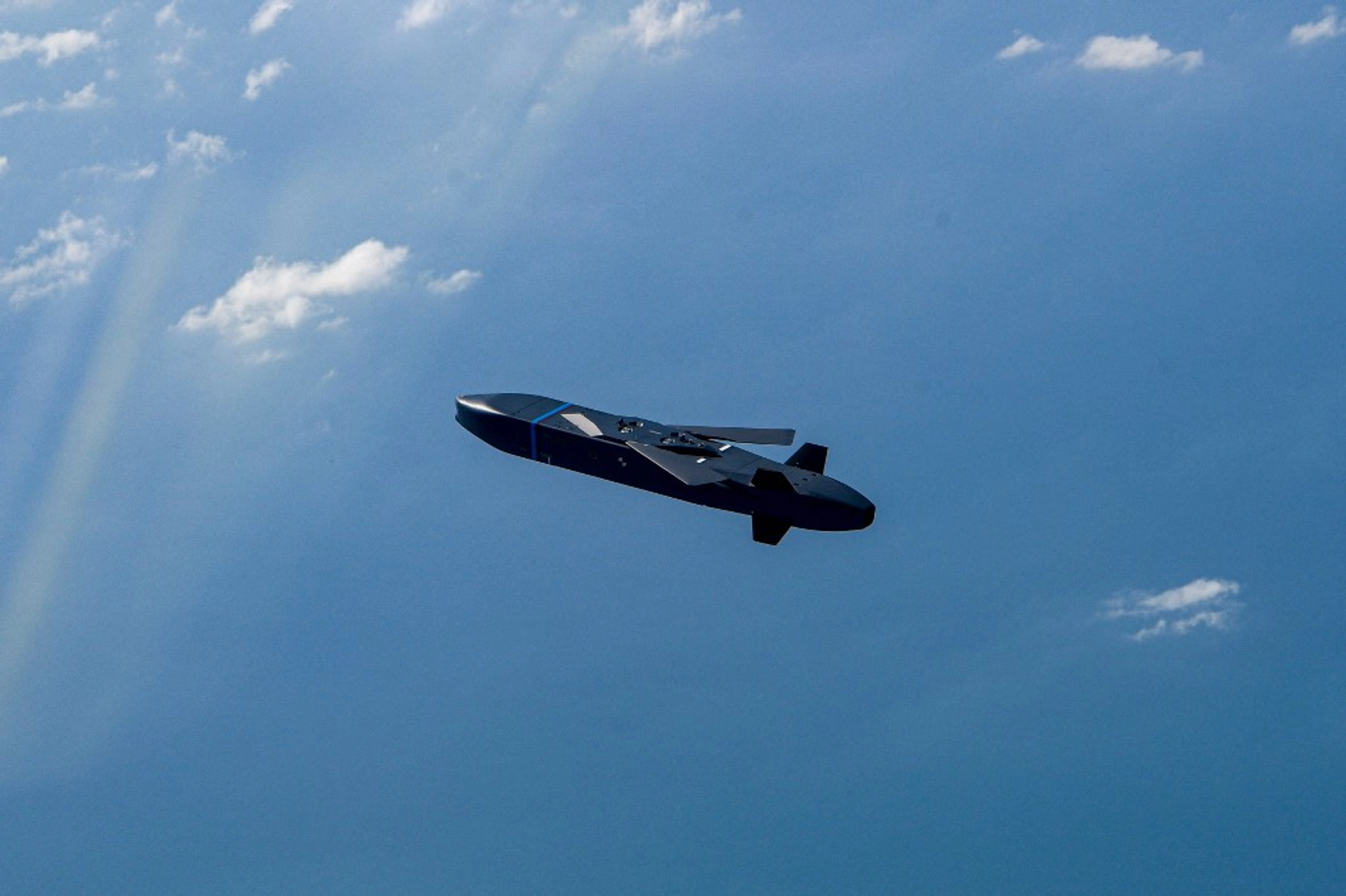
German Defense Minister Boris Pistorius has dismissed the necessity of supplying Ukraine with long-range Taurus cruise missiles, arguing that Kyiv is already effectively striking targets deep inside Russia using its own unmanned aerial systems.
According to n-tv, Pistorius stated that Ukraine’s current long-range strike capabilities are sufficient for its strategic needs.
JOIN US ON TELEGRAM
Follow our coverage of the war on the @Kyivpost_official.
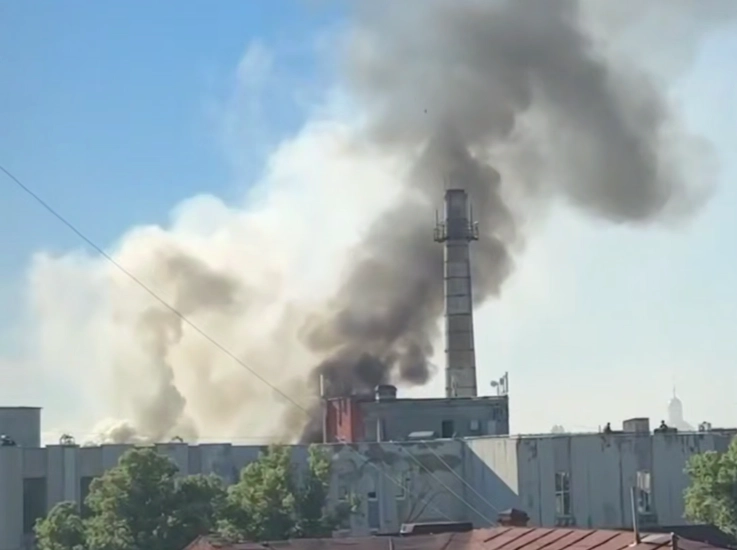
“Ukraine is increasingly succeeding in hitting targets on Russian territory, thereby destroying oil refineries and military logistics,” Pistorius said. Because of these successful domestic drone operations, the defense minister noted he does not believe “that Ukraine still needs Taurus missiles.”
Pistorius also provided an optimistic assessment of the broader battlefield dynamics, characterizing the frontline as largely static but highly attritional for Moscow.
“The situation has never looked so good as it does right now. There is almost no movement on the battlefield. Sometimes a few kilometers one way, sometimes the other, but always with incredible losses for the Russian armed forces,“ he added.
Focus remains on air defense cooperation
Despite Berlin’s continued refusal to supply the Taurus offensive cruise missile system, Germany remains one of Ukraine’s primary military backers, particularly in the realm of air and missile defense.
On June 22, President Volodymyr Zelensky announced that Ukraine had signed a major contract with Germany for the procurement of 600 air defense interceptor missiles. The agreement involves missiles produced by German defense contractors operating under a US manufacturing license.

Netherlands to Host Full Operational Phase of Special Tribunal for Ukraine
Zelensky noted that the arrangement was a focal point of discussions during his meeting with US President Donald Trump on the sidelines of the recent G7 summit in Évian, France. According to Zelensky, the US currently produces about 700 interceptor missiles annually and has transferred production licenses to Germany to establish parallel manufacturing capacity in Europe.
“We have already signed a contract with them for a significant amount – for 600 missiles,” Zelensky stated at the time, though he acknowledged that the delivery schedule will be a “fairly lengthy process.”
The contract underscores a broader initiative by Ukraine’s Western partners to bolster the country’s defensive shield. During the Évian summit, G7 leaders reaffirmed their commitment in a joint statement to increasing air defense support and strengthening Ukraine’s energy resilience ahead of the upcoming winter, amid ongoing Russian aerial bombardments of civilian and critical infrastructure.
You can also highlight the text and press Ctrl + Enter