Search

EN

arrow
Kador Group

EN

arrow
Back

Videos

War in Ukraine Russia Putin

Russia’s 11-Time-Zone War Just Backfired

Ukraine’s long-range strikes – reaching targets like Ufa, 930 miles from the front – are turning Russia’s size into a liability, argues Kyiv Post’s Jason Jay Smart. Refineries, factories, and rail links across Russia’s 11 time zones can’t all be defended, straining fuel supplies, weapons production, and air defense simultaneously. This exposes fuel shortages, recruitment problems, and mutiny talk, undercutting Putin’s promise of a contained war and revealing Moscow’s struggle to protect what its war machine depends on.

3m ago
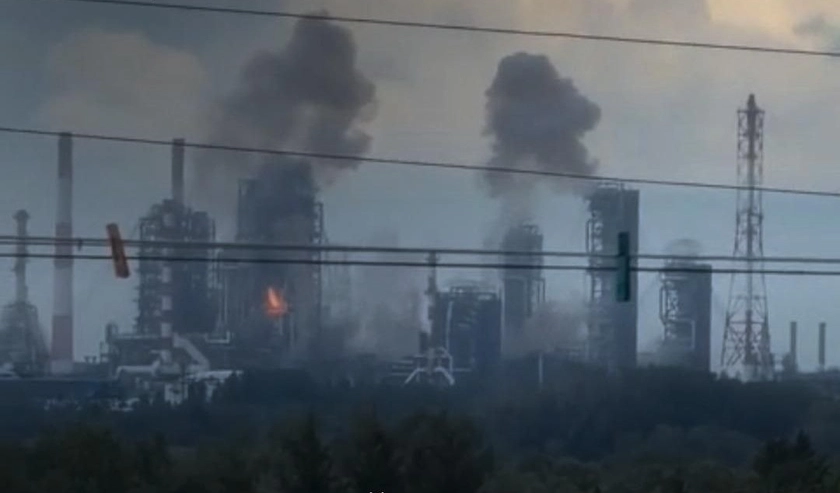
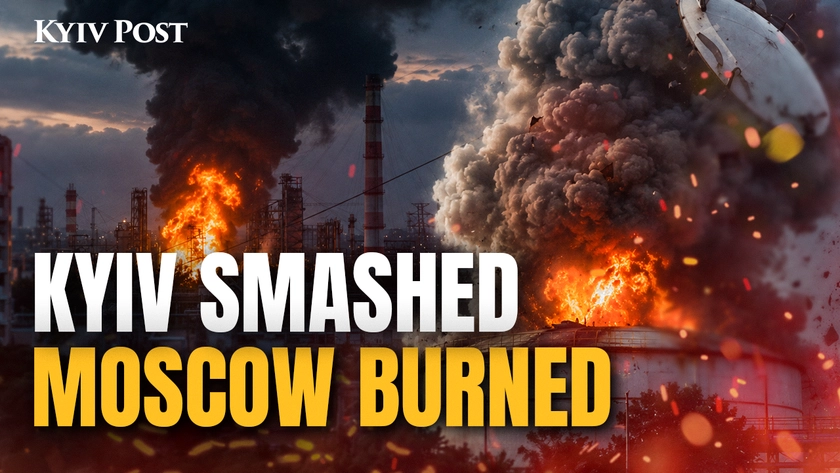
Ukraine is making Russian leader Vladimir Putin choose between protecting Moscow and protecting the country that feeds his war. The capital can be surrounded by air defense, but Russia’s refineries, fuel routes, military factories, rail links, and economic hubs are scattered across 11 time zones.

Each Ukrainian strike that gets through turns distance from a Russian advantage into a Russian liability. Kyiv Post’s Jason Jay Smart says that strikes deep inside Russia matter because they hit what keeps the invasion moving far beyond the front line.

Refineries keep fuel flowing, factories keep weapons moving, rail lines connect the system, and air defense keeps Putin’s promise of control believable. When attacks reach Ufa, roughly 1,500 kilometers (930 miles) from the front, the rear area stops being safe and starts demanding protection.

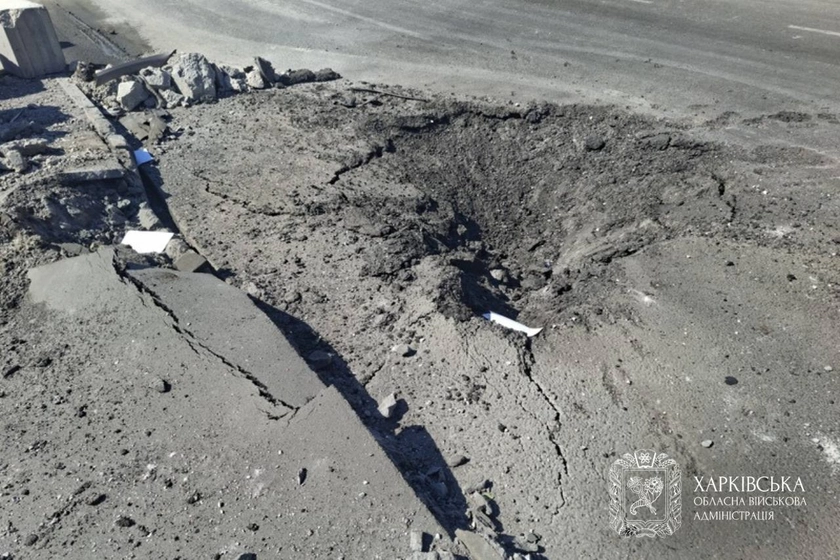
Putin sold Russians a short war that would stay far from ordinary life, yet Ukraine is dragging the cost back across Russia itself. Fuel shortages, factory damage, exposed air-defense gaps, corruption, recruitment strain, and mutiny talk now point to one larger problem.

Jason Smart argues that Russia can still look enormous on a map, but Ukraine is showing why size becomes weakness when Moscow cannot cover what the war depends on.