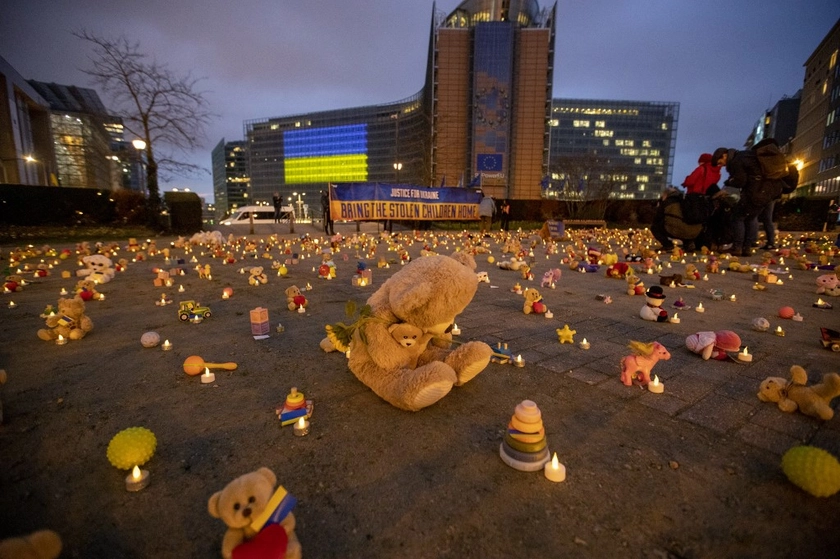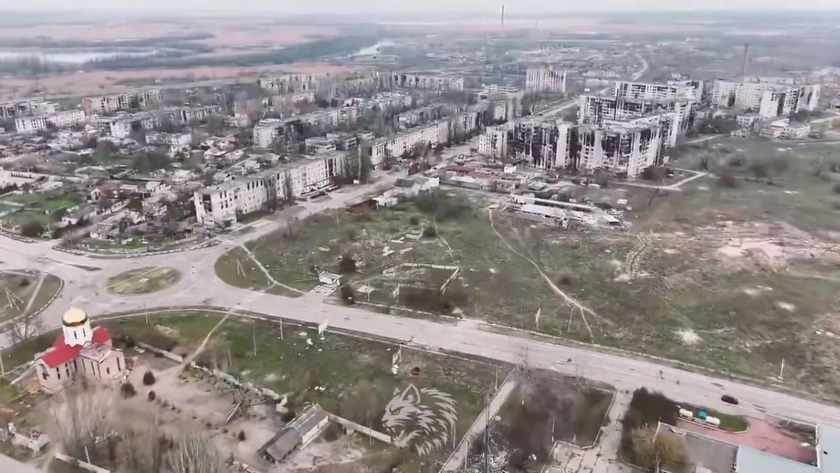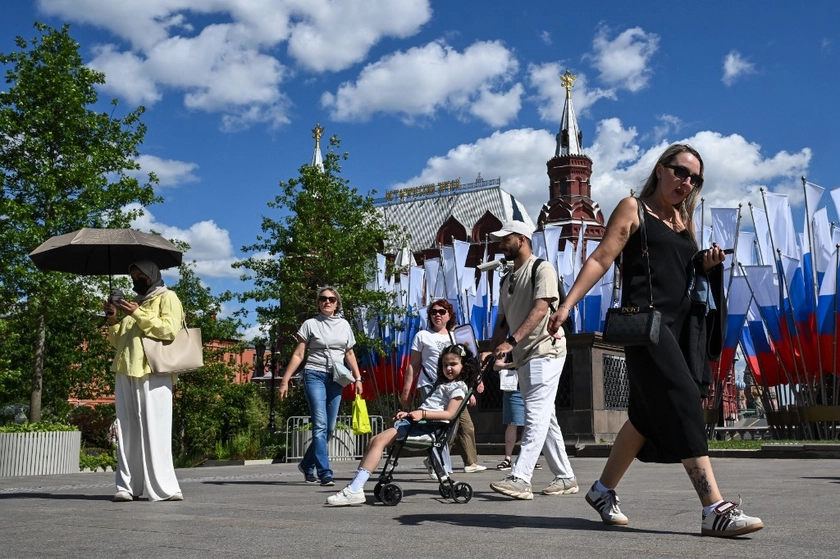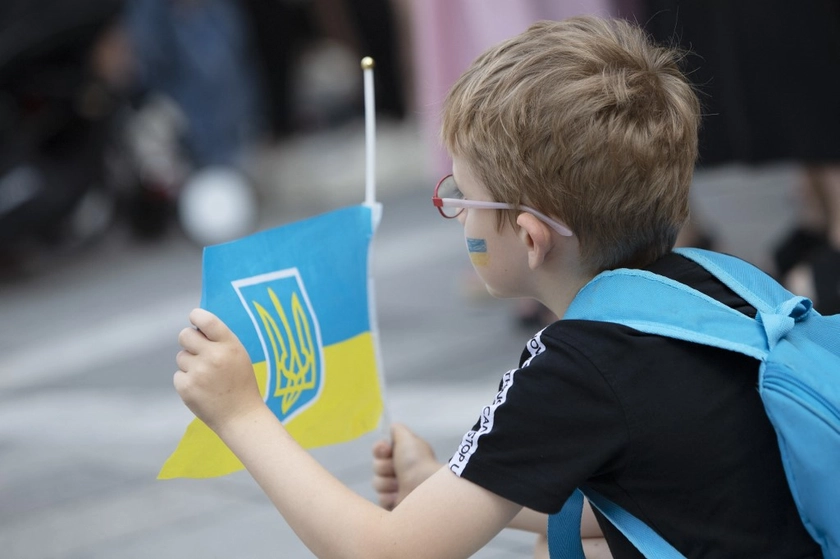
More than four years into Russia’s full-scale invasion, millions of Ukrainian children are still living with its consequences. Some remain in Ukraine under daily threat. Others, in the UK, Ireland, France, Germany, the US and beyond, are trying to rebuild their lives in safety while carrying trauma, interrupted schooling and the weight of an uncertain future.
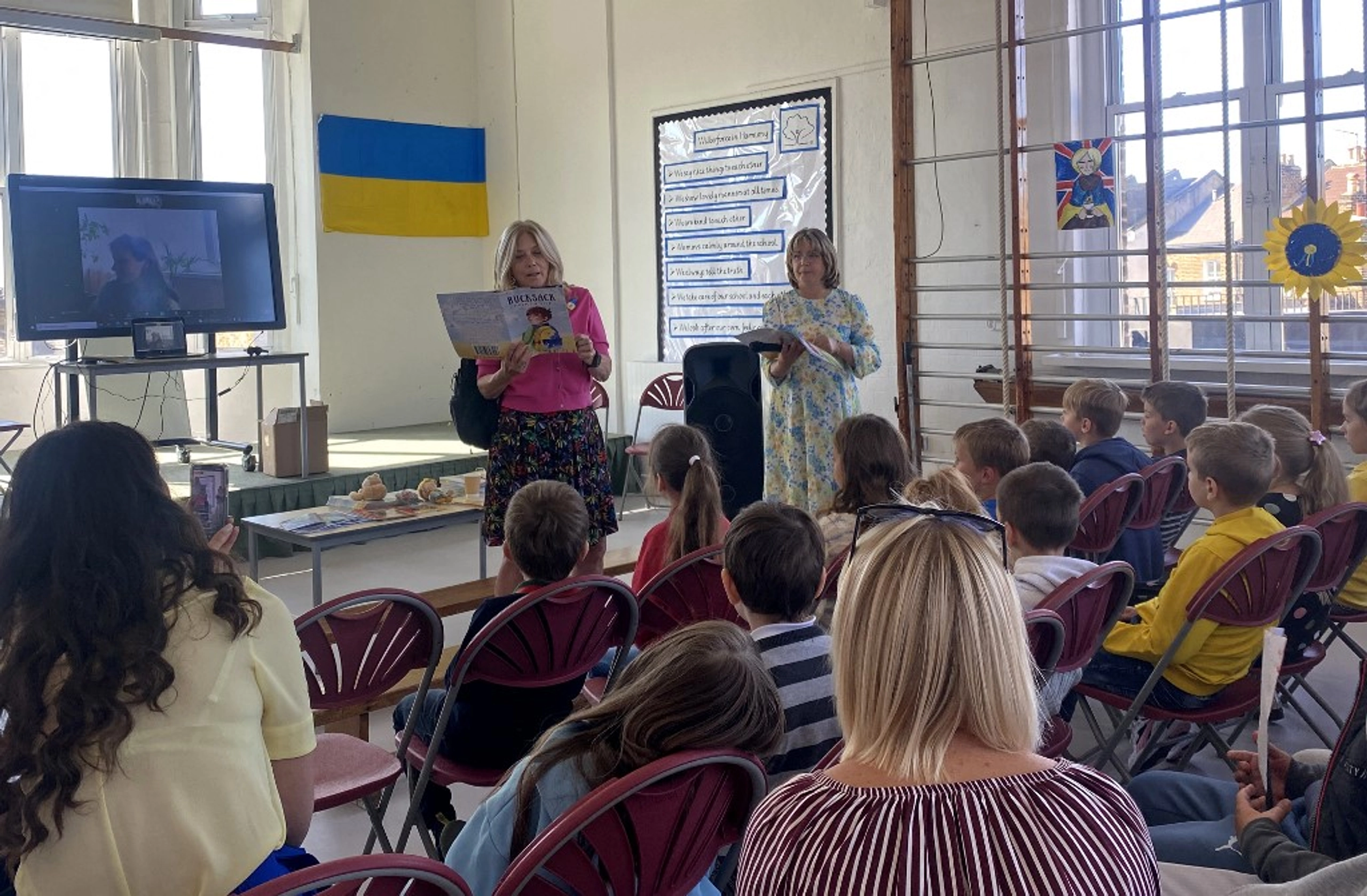
At St Mary’s Ukrainian School in London, this reality is not distant. It is in every classroom. Children arrive having lost homes, friends, familiar routines, and in many cases, fathers, brothers or grandparents. They need stability, belonging and the reassurance that their identity still has a place in the world.
JOIN US ON TELEGRAM
Follow our coverage of the war on the @Kyivpost_official.
Community schools like ours have become that anchor. Founded in the 1950s to preserve Ukrainian culture in the UK, St Mary’s now supports more than 2,500 displaced children. It is often the first place where they feel able to speak about what they have lived through. It is where confidence returns, where friendships form, and where learning becomes possible again.
But for many children, particularly those showing clear post-traumatic stress responses, part-time provision is not enough. That is why we are preparing to launch St Sophia – a full-time Ukrainian refugee school designed specifically for children recovering from trauma. The teachers are ready. The curriculum is prepared. Local community approval is in place.
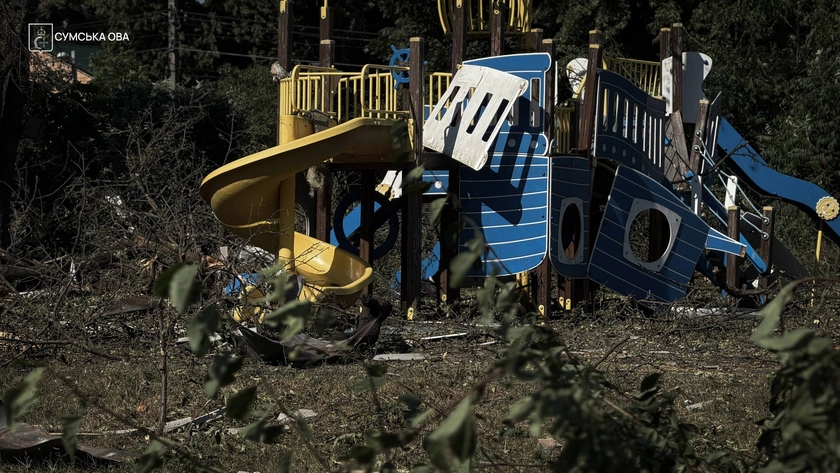
Guided Bomb Strikes Sumy Kindergarten, Injures 2
What is missing is funding. Without it, children who most need continuity, therapeutic stability and culturally grounded education remain underserved.
Alongside this, a stark injustice continues to unfold. Across Europe, Ukrainian children are trying to maintain their education in two systems at once. They are learning the languages of their host nation – English, French or German – while trying not to lose the language that connects them to home. And yet, in many countries, including the UK, they face a painful reality. There is still no recognised Ukrainian-language qualification, and some children are still being told their only option is to take a GCSE exam in the Russian language.
For families who fled Russian aggression, this is not simply inappropriate, it is cruel. I have sat with parents who cannot comprehend how their child, who escaped bombardment, is now being asked to sit an exam in the language of the aggressor. I have spoken with teenagers who refuse the GCSE altogether because the emotional cost is too high.
Despite all our efforts for change, Ukrainian children are still being forced into Russian language exams in 2026.
Across Europe, the picture varies. Ireland has moved quickly to support Ukrainian-language continuity. France and Germany have expanded heritage-language pathways. These countries show what is possible when systems treat Ukrainian children not as temporary guests, but as students whose education and identity deserve protection.
The UK has made progress, but not enough. Over the past four years, St Mary’s has partnered with the School of Ukrainian Language and Culture at the Ukrainian Catholic University to develop a structured Ukrainian-language examination aligned with European standards. Hundreds of children have already taken it. It gives families something precious: a credible way to measure progress in a language tied to identity, belonging and hope.
We have also seen constructive engagement from exam boards and policymakers, including AQA and officials within government. But engagement is not enough. Momentum matters. Every month without recognition is another month in which children are left without the qualifications they deserve, and in some cases, pushed towards Russian instead.
Scotland has shown leadership by exploring how Ukrainian qualifications could align with the National 5 framework. It is early, but it is promising. It proves that recognition does not require building new systems from scratch, only the willingness to value what already works.
Across Europe, Ukrainian children tell us the same things. They want to feel safe. They want to keep learning. They want their language to count. And they want reassurance that their future is still open, even if everything around them has changed.
The world has shown extraordinary generosity in welcoming Ukrainian families. But generosity is not enough if systems fail to evolve. Ukrainian children need more than refuge – they need recognition, continuity and the chance to keep building their futures.
At St Mary’s, we will continue working with partners across Europe and globally to make that happen, especially here in the UK, which once set the tone for support for Ukraine across the continent.
London remains the place where leadership can still shift outcomes. Because behind every policy discussion are children who are simply trying to keep learning, keep growing, and keep believing in what comes next. For most, that future is the opportunity to return home and rebuild their country. Those doors, however, will not open without education systems that recognize their language and their lived reality.
Ukrainian children are resilient. Our responsibility, globally, is to meet that resilience with action.
The views expressed in this opinion article are the author’s and not necessarily those of Kyiv Post.
You can also highlight the text and press Ctrl + Enter