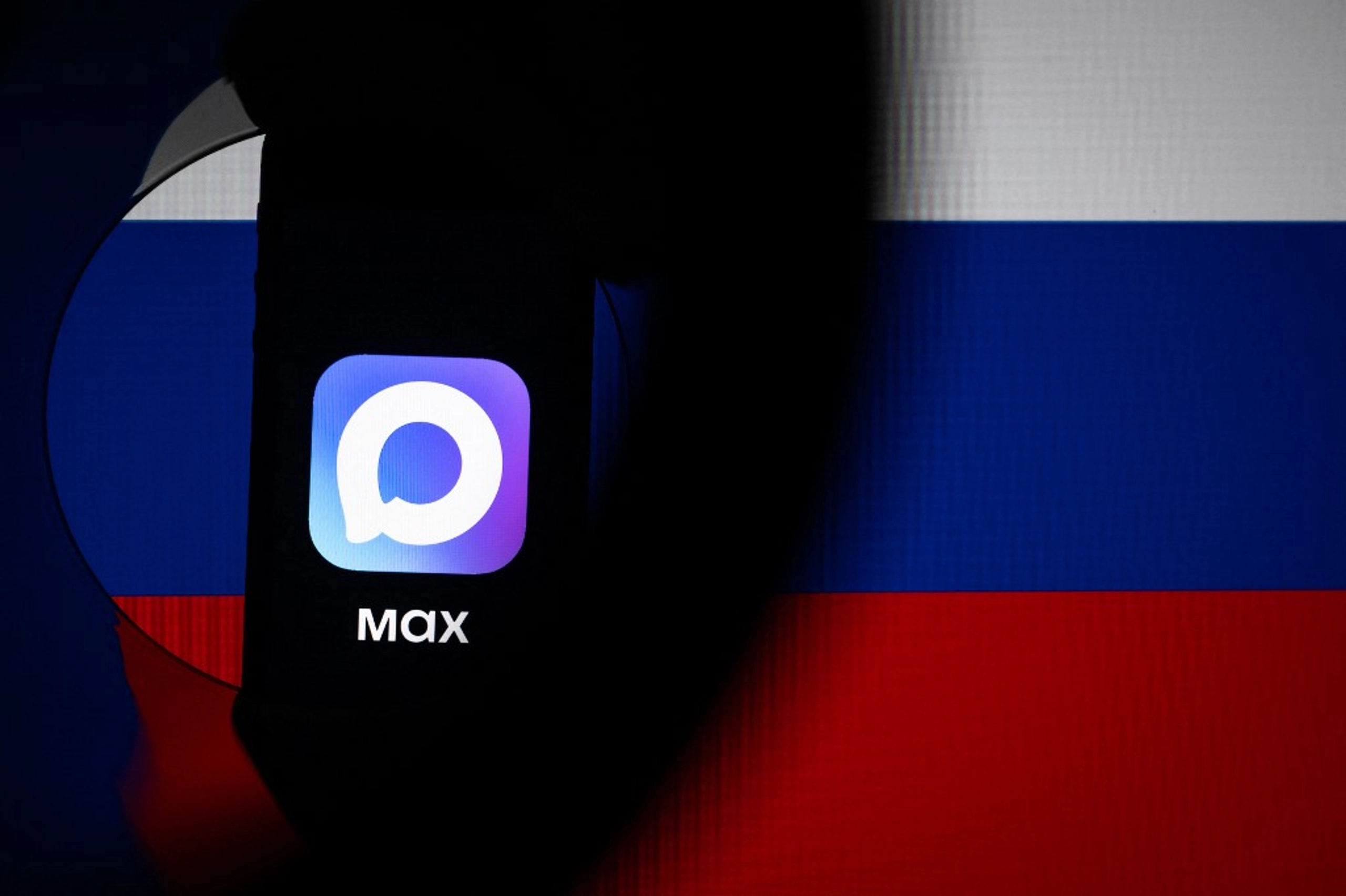
Max, the Kremlin-approved messenger app, was removed from Google’s Play marketplace on Thursday, July 16.
Launched by VK in 2025, the messenger has been touted by Russian President Vladimir Putin as a more “secure” platform that advances Russia’s “technological sovereignty.” However, the app lacks end-to-end encryption, meaning authorities can potentially access communications sent through the platform.
JOIN US ON TELEGRAM
Follow our coverage of the war on the @Kyivpost_official.
When searching for the app on Google Play, the page says “We’re sorry, the requested URL was not found on this server.”
Independent Russian outlet Astra said other applications owned by VK, such as Odnoklassniki and Mail.ru, are also being taken down from Google Play.
The decisions follow the EU’s latest sanctions on VK imposed on Tuesday.
“The listings agreed today include VK Company – also known as VKontakte – and its daughter company Communication Platform LLC, responsible for developing and managing the phone application Max App, under supervision by the FSB,” the EU Council said in a press release, referring to Russia’s Federal Security Service (FSB).
The EU said the app possesses “extensive surveillance features, later used for repressive actions against users criticizing Russia’s war of aggression against Ukraine or posting other content banned by authorities.”
It is unclear if the latest removal is tied to the EU sanctions.
Apple has adopted a similar decision by taking down Max from its App Store in June, though it didn’t specify the reason for the decision.
Russia Accused of Spreading Disinfo for German Far Right Ahead of Polls
What’s the deal with Max?
Launched in 2025 by VK, the app has been likened to China’s WeChat, combining messaging, social media, digital ID, payments, banking, and government services in a single platform.
Critics and observers said Max could allow the Kremlin to spy on its citizens and limit access to unfavorable information.
“Any data that passes through this application can be considered to be in the hands of its owner, and in this case, the hands of the Russian state,” cybersecurity researcher Baptiste Robert, CEO of the French company Predicta Lab, told AFP.
In recent years, Moscow has banned foreign social media platforms, including Facebook and Instagram, imposed astronomical fines on Google, and severely limited YouTube’s download speeds to deter domestic access.
In 2026, a full ban on Telegram was also imposed in Russia, leading to complaints from locals and reports of a breakdown in communication within the Russian military.
Telegram’s founder, Russian-born Pavel Durov, said he had issued updates to bypass the ban in April.
You can also highlight the text and press Ctrl + Enter

OPINION: The Bill for Crimea Comes Due for Putin
‘Shadow Fleet Is Leaving the Chat’: Ukraine Hits 10 Russian Fuel Tankers in One Day