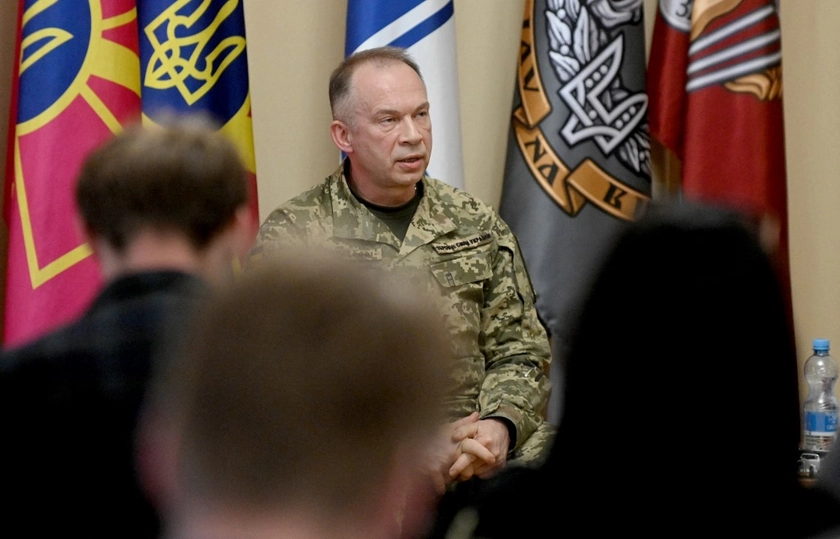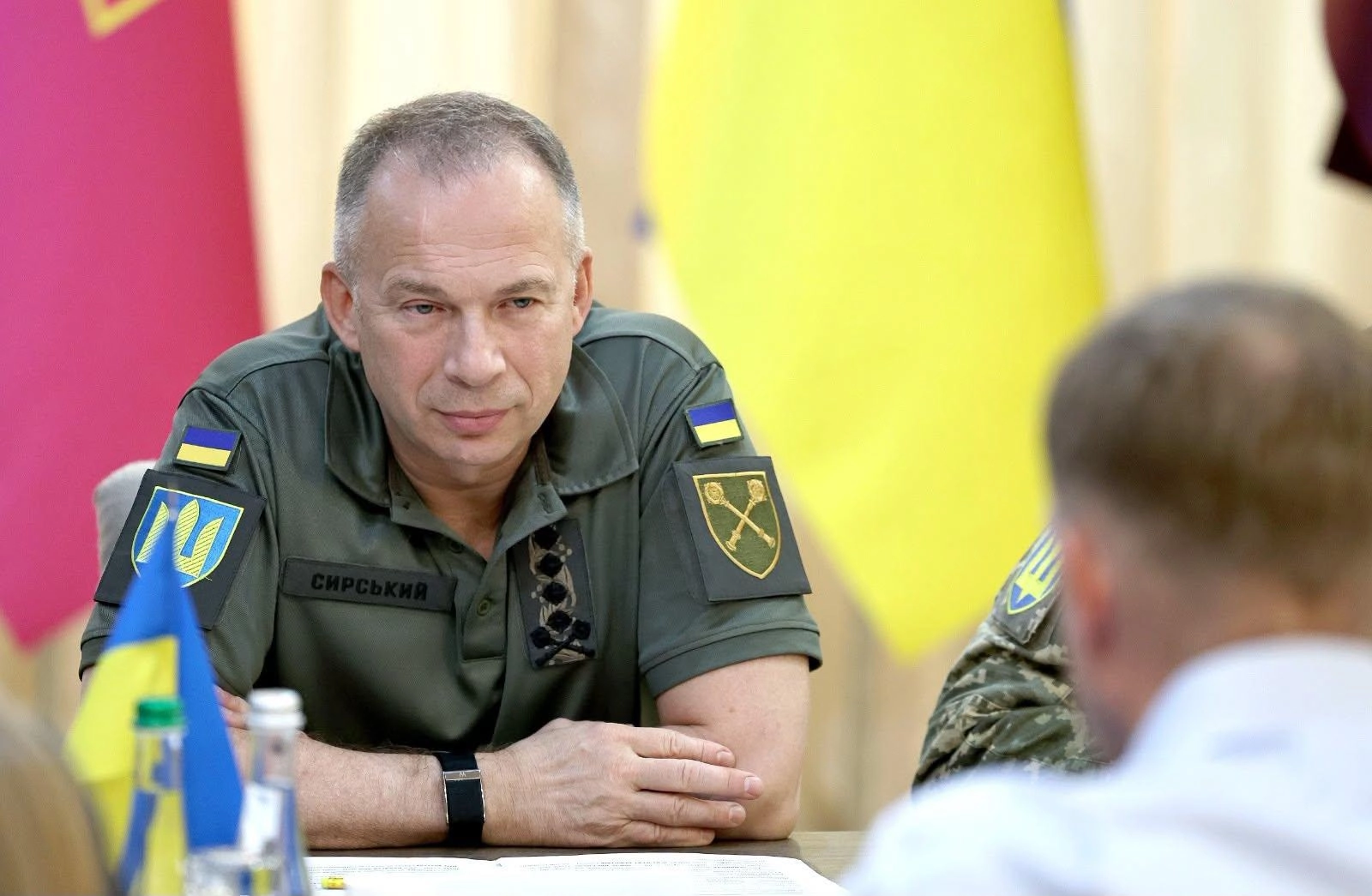
The prospect of dismissing Commander-in-Chief of the Armed Forces of Ukraine (AFU) Oleksandr Syrsky is currently being discussed in Ukraine by almost everyone.
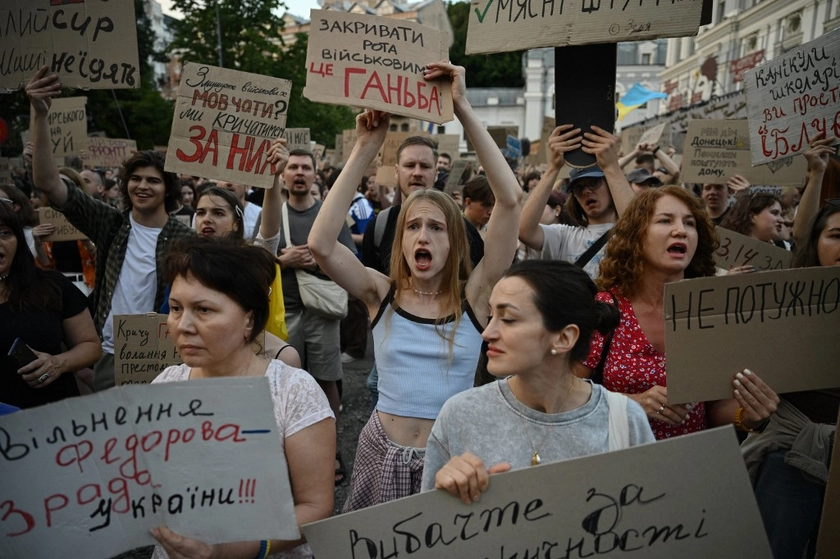
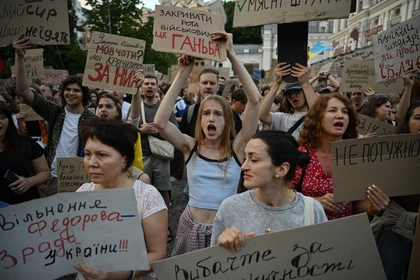
Gradually, against the backdrop of demands for the authorities to return Mykhailo Fedorov to the government as defense minister, new scandals surrounding the Armed Forces’ assault units, and Fedorov’s admission that Gen. Syrsky’s team had sabotaged his reform efforts, the protests acquired new slogans.
JOIN US ON TELEGRAM
Follow our coverage of the war on the @Kyivpost_official.
Syrsky had already become the main antihero for protesters.
To some extent, this was a continuation of the slogans supporting Fedorov, since the reform-minded minister came to personify all the positive changes that had taken place in the Armed Forces in recent years. These included the Army of Drones initiative, procurement reform, digitalization, deep strikes, and more.
Of course, Fedorov alone was not the architect of most of these changes. A large team worked on them – not only Fedorov’s team, but also commanders of many military units, engineers, weapons manufacturers, and an entire generation of creative and modern-minded people. Naturally, they support the former minister.
At the same time, Syrsky, due to circumstances, has become the personification of everything civilians dislike about the military. Excessive rigidity, bureaucracy, the weak ability of a large conservative institution to adapt to change, and fighting the war according to outdated methods – all of what Ukrainians often describe with the word sovok, referring to the Soviet legacy.
Zelensky Faces Deepening Political Crisis as Protests Dig In
Fuel was also added to the fire by the scandal surrounding the 425th Separate Assault Regiment “Skelya.” A month ago, an investigation revealed that mobilized soldiers in the unit were regularly beaten, with some suffering injuries that later proved fatal. The assault units are closely associated with Syrsky. According to a number of sources, in 2025 other brigades received only minimal reinforcements to replace losses – sometimes just a few dozen soldiers over the course of a year – while “Skelya” received nearly 10,000 recruits, officially explained as part of the unit’s “formation.”
Yet Syrsky is not solely responsible for the negative phenomena attributed to him. He commands a vast military system that was already highly complex and diverse before he took over and will remain so after him. Change in this sphere is extremely difficult due to the natural resistance of the older generation accustomed to traditional methods of warfare.
Moreover, Syrsky himself is the author of military operations that have already become part of history. The best known is the Kharkiv offensive of September 2022, when the AFU liberated a significant part of the occupied Kharkiv region in a rapid offensive, defeated major Russian forces, and restored the logistical connection between Kharkiv and the Donbas.
Syrsky himself published an opinion piece in the military outlet Militarnyi in his own defense, stating directly that he is not a reactionary and has been trying to introduce modern military practices, but that such reforms cannot be implemented quickly – especially during wartime and especially in an army as large as Ukraine’s.
“The Unmanned Systems Forces [USF] as a separate branch of the military were created under my command. I personally proposed to the president the appointment of Madyar to lead the USF. It was an unpopular decision, and I assumed full responsibility for it. Why him? Because he did not simply rise from soldier to officer – he created a unique unit and has a vision. We all see the results every day. A person who ‘does not want to fight with drones’ does not create the world’s first separate branch of unmanned systems forces and appoint its commander against all traditions of the military hierarchy,” Syrsky writes.
That is why, while the first stage of the protests in support of Fedorov and his reforms received almost unanimous backing from the military, opinions became divided once the protests shifted toward demanding changes in the army’s leadership.
Some military personnel did indeed support the protesters’ demands, recalling their own negative experiences, most often involving the army’s bureaucracy.
However, another part of the military opposed the protests. There were those who openly supported Syrsky. They argued that civilians cannot replace the military leadership in the middle of a war by gathering in the streets, even if that leadership has made mistakes. Especially considering Syrsky is commanding the army under conditions of limited resources, personnel shortages, and problems with supplies from allies, while the Ukrainian military continues to hold its own against the Russian army.
Personal insults directed at Syrsky also proved unacceptable to many service members. Many protest signs even contained profanity aimed at Syrsky, which was viewed negatively within the military, including by many of his critics.
Meanwhile, the reaction from the top – namely from President Zelensky – was extremely restrained. At first, the president himself signaled that he had “heard” the people. On July 20, Head of the Presidential Office Kyrylo Budanov wrote on Facebook: “Work is underway. There will be results,” while many insiders began reporting that Syrsky’s dismissal was supposedly already a nearly settled matter.
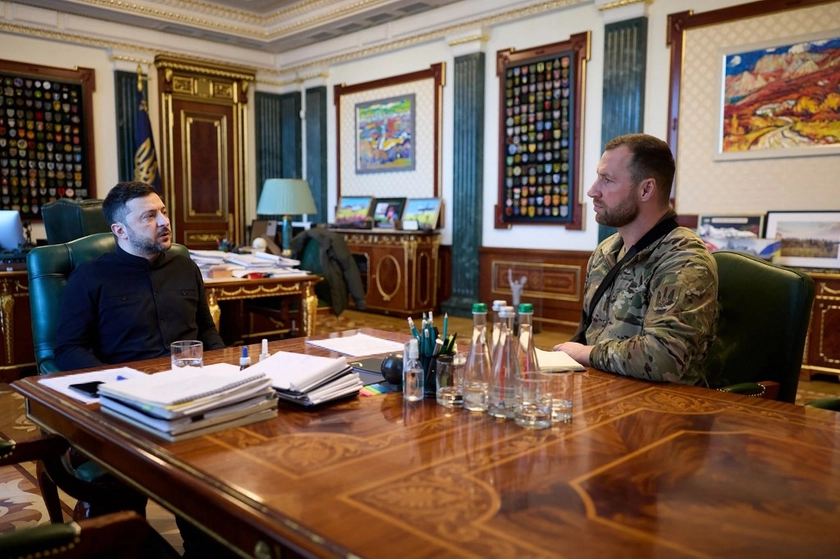
However, there is currently no evidence to support those claims. Nevertheless, Zelensky has already held meetings with several prominent military commanders. They are being considered as possible replacements for Syrsky.
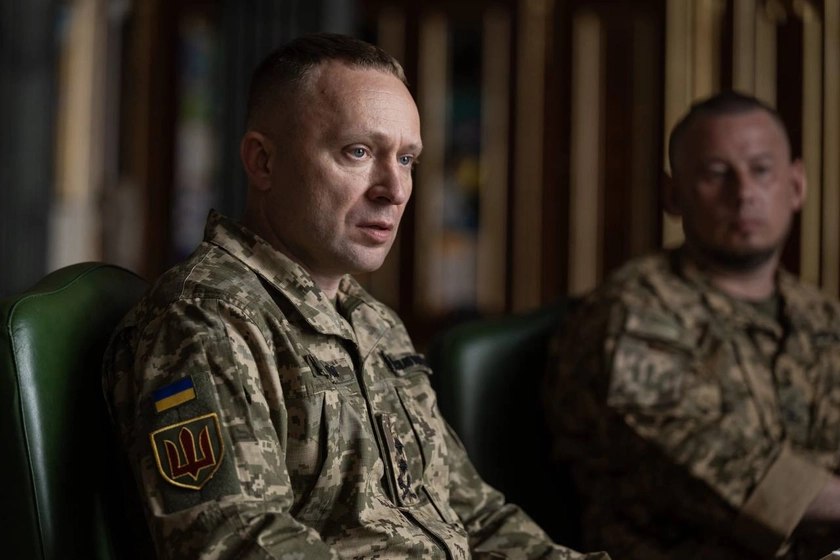
The shortlist turned out to be of moderate length – six people. These are the commanders whom Volodymyr Zelensky reportedly met with: Mykhailo Drapaty, Volodymyr Horbatiuk, Andriy Biletsky, Denys Prokopenko, Oleh Apostol, and Ihor Oboliensky. What are they known for?
Volodymyr Horbatiuk, 44, Major General, Deputy Chief of the General Staff.
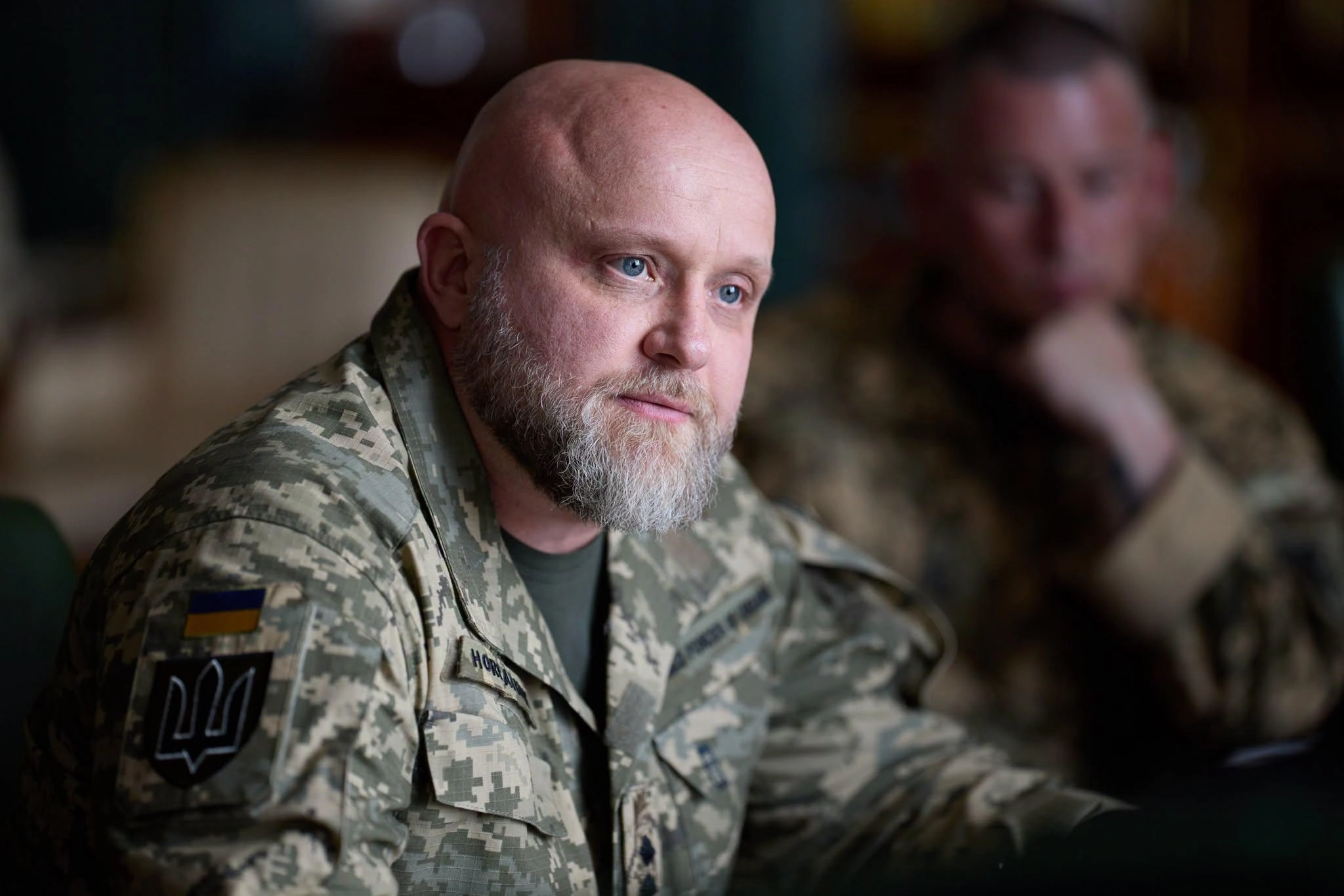
Horbatiuk is one of the younger-generation generals. His name has not been as widely known as those of some of the other commanders Zelensky has met with, but for the past 10 years he has held some of the military’s highest-ranking positions.
Before 2014, he commanded the Ukrainian peacekeeping contingent in the Balkans. In 2015, he took command of the 54th Separate Mechanized Brigade and later served as Commander and Deputy Commander of Operational Command West. For the past two and a half years, he has served as Deputy Chief of the General Staff.
Kyiv Post sources believe he may also be considered for the position of Chief of the General Staff if Zelensky decides to replace the entire top military leadership.
Mykhailo Drapaty, 43, Major General, Commander of the Joint Forces Grouping
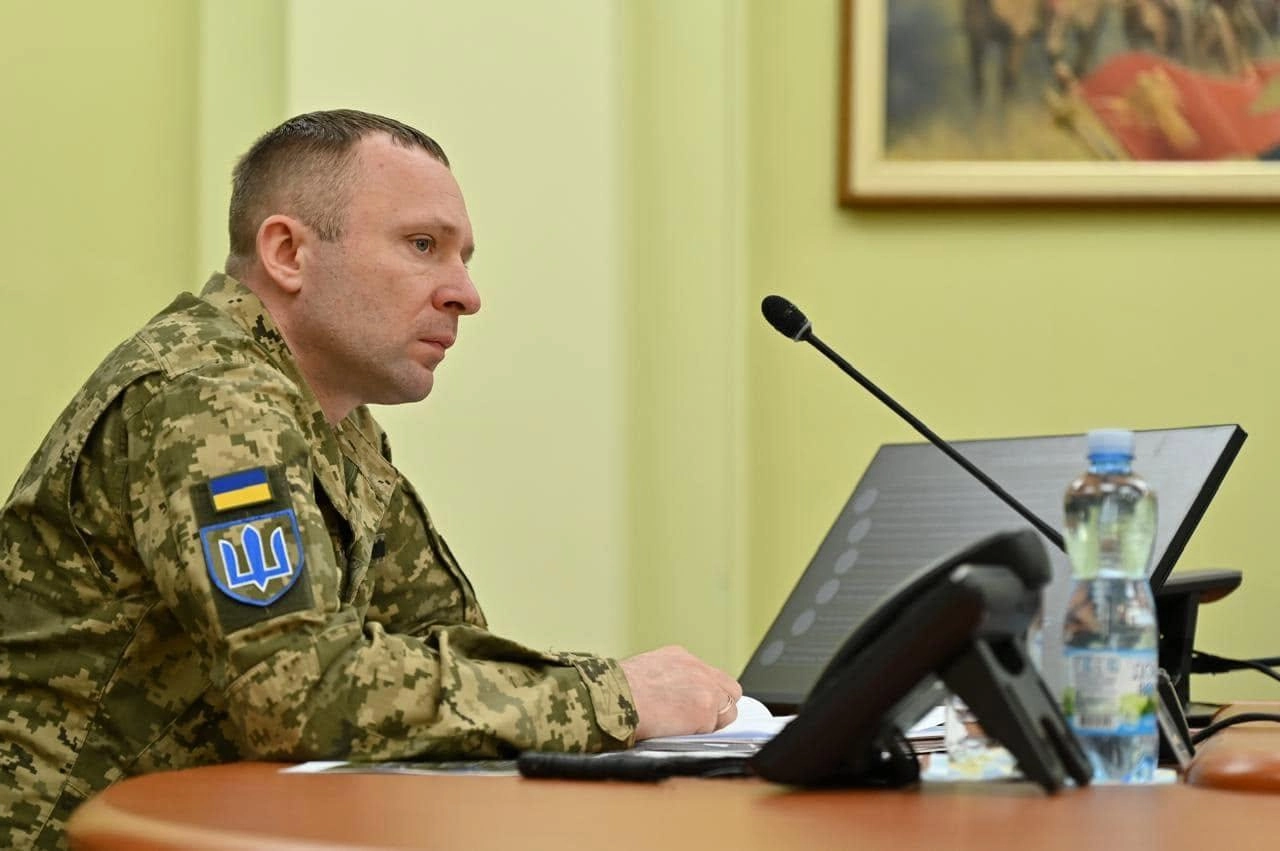
One of Ukraine’s most respected military commanders. He has been at war since May 2014, when, as a major, he commanded an armored column that broke through barricades into Mariupol, then occupied by pro-Russian separatists. In the famous footage of that operation, it is Drapaty’s armored vehicle that dramatically jumps over an enemy checkpoint.
He subsequently held a series of command positions.
Since 2016, he has served as commander of the 58th Brigade. During the full-scale war, he commanded the Kherson Operational Command (2022-24) and the Kharkiv and Luhansk Operational Tactical Groups (2024). Finally, from 2024-25, he served as Commander of the Ground Forces.
It is widely believed that he had a conflict with the top military leadership, which led to his dismissal and subsequent appointment as commander of the Dnipro Operational-Strategic Grouping in 2025, where his units continued to receive only minimal reinforcements. It was in this sector that Russian forces attempted to break into Dnipropetrovsk Region in 2025.
Oleh Apostol, 39, Major General, Commander of the Air Assault Forces.
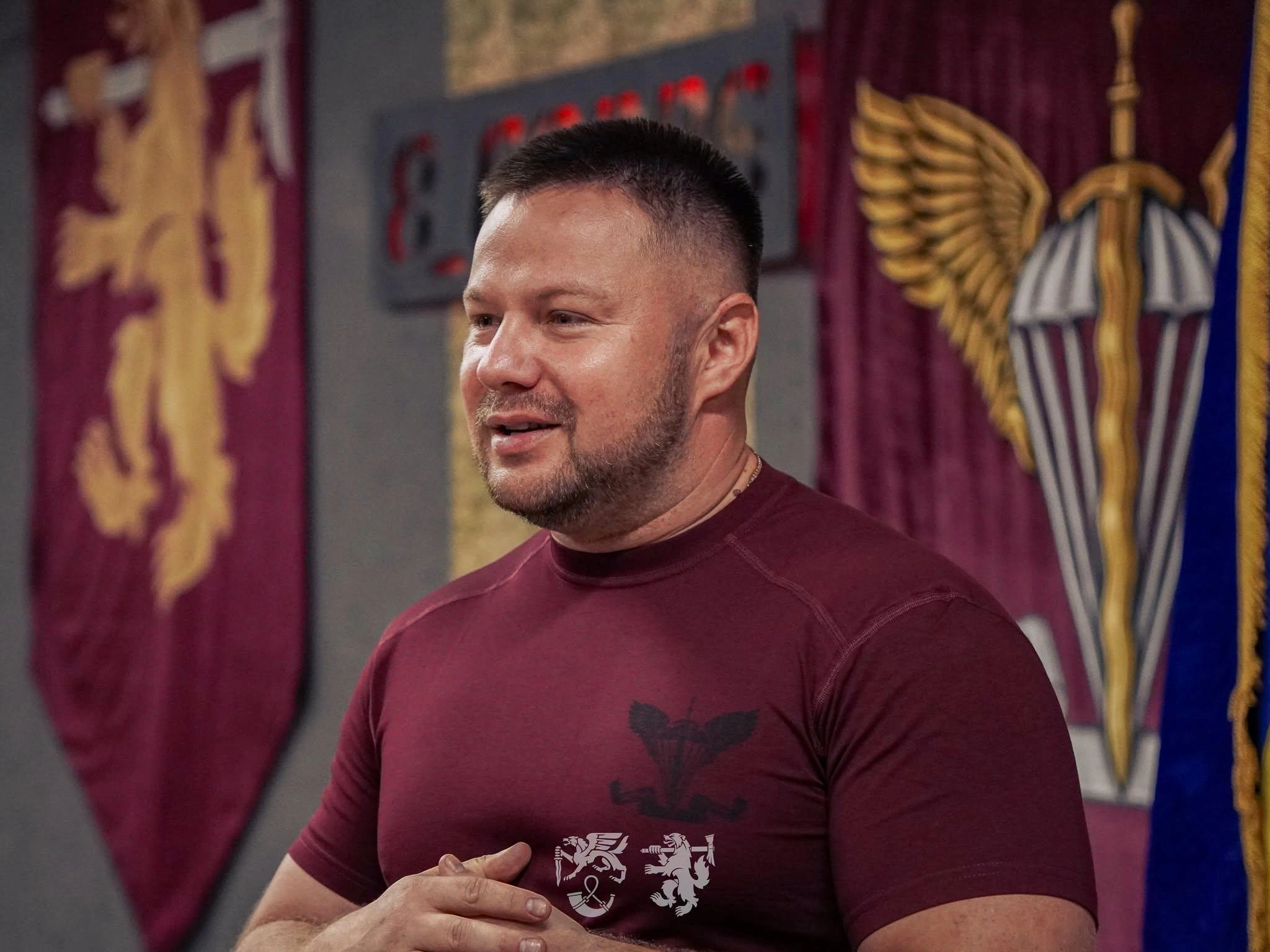
One of the youngest candidates. Like Drapaty, he has been at war since 2014. At just 30 years old, he became a battalion commander. In 2022, he participated in the defense of Mykolaiv and offensive operations in Donetsk and Luhansk regions. In 2024, he took command of the renowned 95th Separate Air Assault Brigade, and in 2025 he became Commander of the Air Assault Forces as a whole.
Apostol is the only member of the senior military leadership who has openly supported Oleksandr Syrsky. This is despite the fact that the assault units backed by Syrsky were often staffed far more fully than the Air Assault Forces in 2025-26, while representatives of the assault forces frequently criticized the Air Assault Forces and suggested that the “paratroopers” should be replaced by “assault troops.”
Andriy Biletsky, 46, Brigadier General, Commander of the 3rd Army Corps.
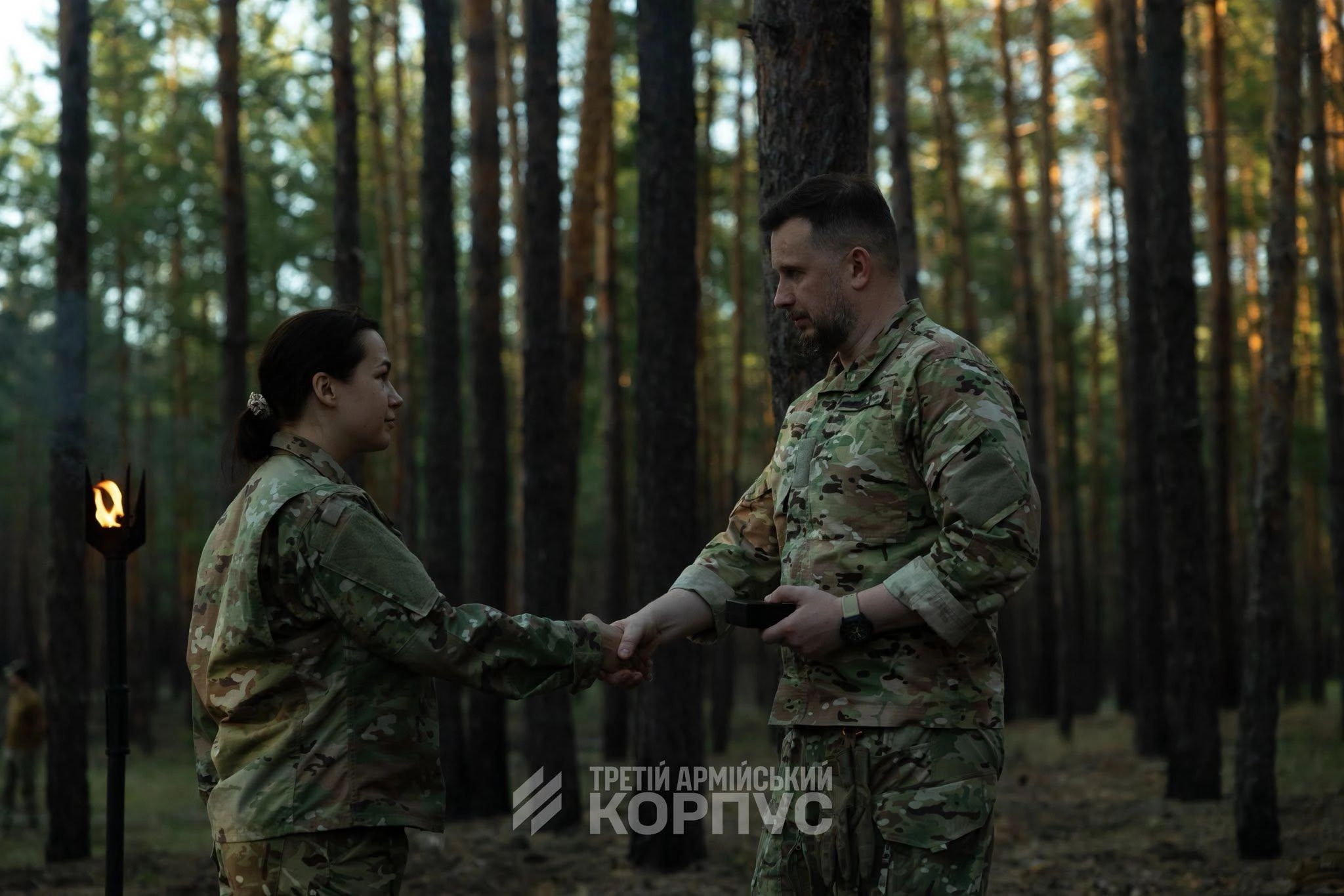
Gen. Biletsky is a legendary figure with extraordinary organizational abilities. It was he who organized the Azov Battalion in 2014, which later grew into a regiment and has since become a brigade within the National Guard.
Biletsky not only created the unit but was also the first to introduce modern standards of military training and combat operations, including a professional NCO school and a shift away from centralized command toward greater autonomy for small units and increased initiative among non-commissioned officers. Very quickly, Azov became one of the Armed Forces’ most effective units and demonstrated the effectiveness of these principles during the defense of Mariupol.
Biletsky repeated Azov’s success during the full-scale invasion by creating the 3rd Assault Brigade, which, in addition to the innovations mentioned above, became the first unit to employ drones, electronic warfare systems, artillery, and infantry groups together on a massive scale for the effective destruction of enemy forces.
The 3rd Corps, which currently consists of six brigades and several separate units, is considered one of the most effective formations in the AFU.
Denys Prokopenko, 35, Brigadier General of the National Guard, Commander of the 1st National Guard Corps
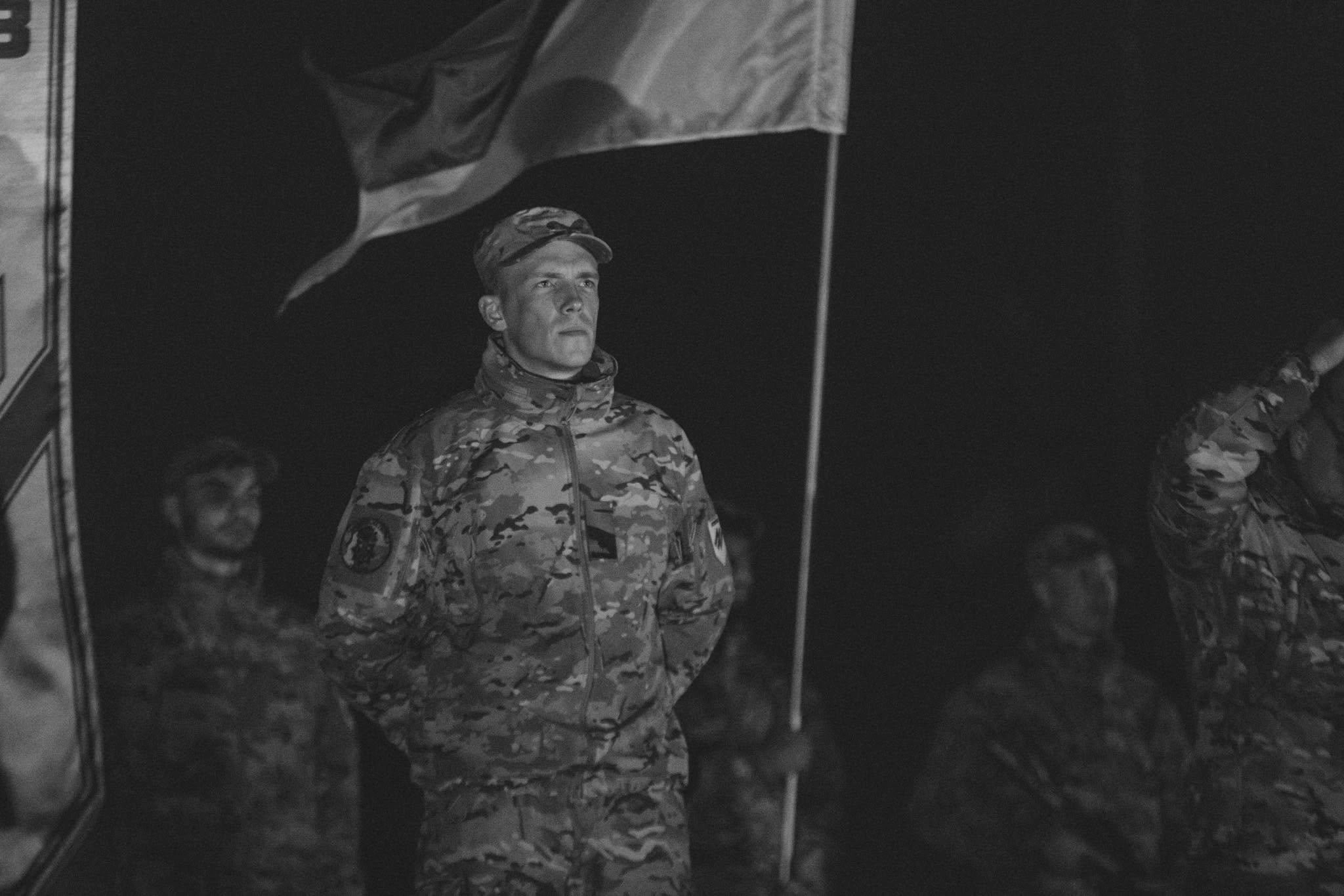
Prokopenko is the youngest of the candidates, but he already possesses extensive experience in operational-level command. He commanded the Azov Regiment and the entire Mariupol garrison during the spring of 2022, when Ukrainian forces managed to hold the city for three months against an enemy with overwhelming superiority in both manpower and equipment.
After returning from captivity, Prokopenko once again proved himself as an outstanding organizer by rebuilding Azov as the 12th Brigade of the National Guard and once again transforming it into one of Ukraine’s most effective defense units.
Since 2025, Prokopenko has commanded the National Guard’s 1st Azov Corps.
Ihor Oboliensky, 39, Colonel of the National Guard, Commander of the 2nd National Guard Corps
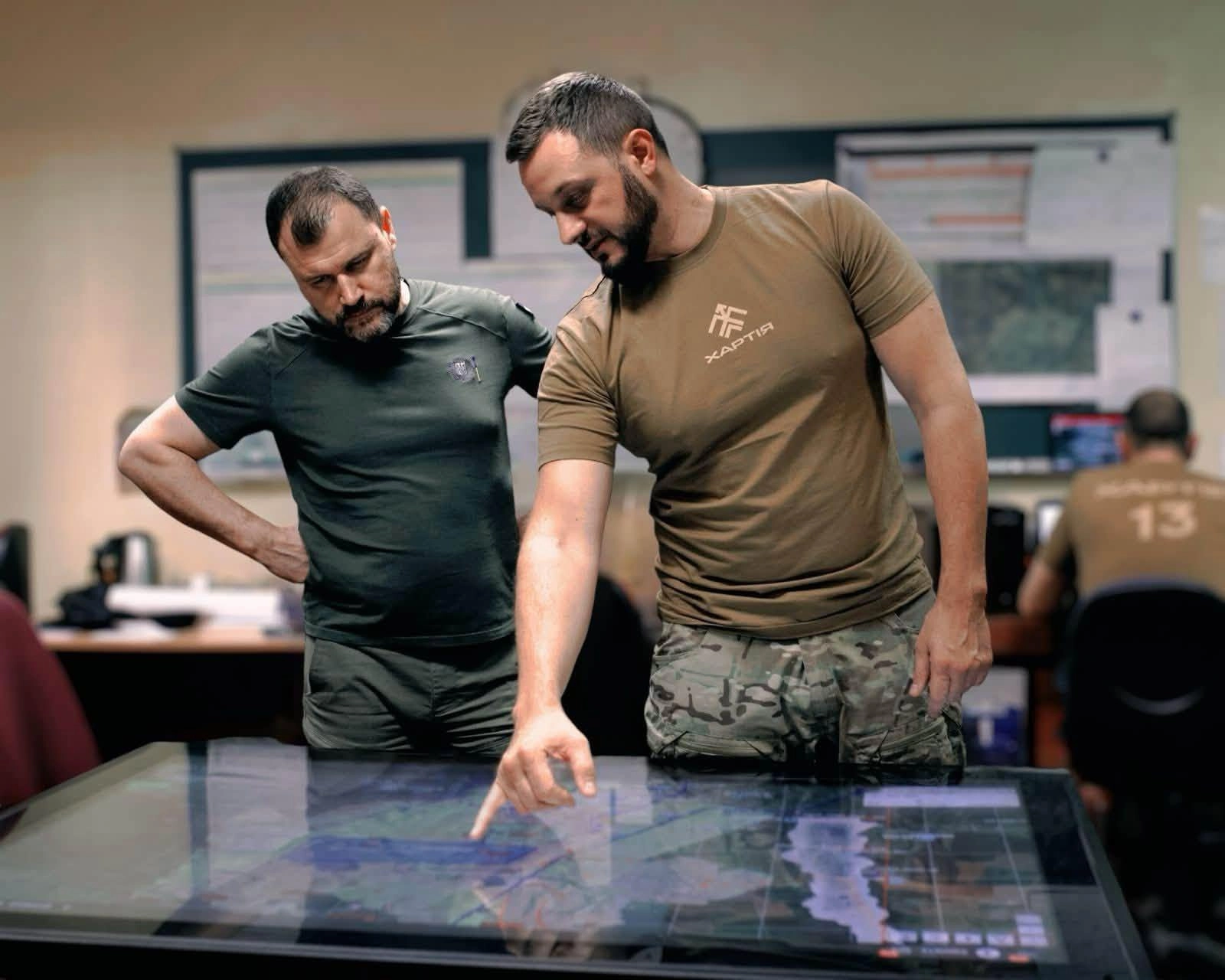
Despite holding the lowest military rank among all the candidates, Oboliensky is no less experienced in operational command. His career closely resembles those of Biletsky and Prokopenko. The Khartiia unit he organized became one of Ukraine’s most effective formations, particularly in the use of drones – including ground drones – on a large scale.
At the same time, Oboliensky is not only an innovator; he also remembers the more “classical” phases of the war, having fought since 2014 in units of the Ministry of Internal Affairs. He became a battalion commander at the age of 28, back in 2015.
He is also a remarkably versatile individual. Before the full-scale invasion, he spent some time in business before quickly returning to military service. In 2023, he expanded the Khartiia unit into a brigade, and in 2025 the 2nd National Guard Corps “Khartiia” was established on its basis.
Kyiv Post’s military sources – despite the candidates’ differing ranks, experience, and current command responsibilities – assess all of them as having roughly equal chances, though they give a slight edge to Drapaty due to his broader experience in the highest command positions. They are all convinced that Volodymyr Zelensky’s decision could be an unconventional one – similar to his appointment of Defense Minister Yevhen Khmara, a young general from the Security Service of Ukraine (SBU), who until recently commanded the SBU’s Alpha special forces unit.
Everything will depend on what priorities the Supreme Commander-in-Chief chooses to emphasize in the future development of the Armed Forces and the conduct of the war.
You can also highlight the text and press Ctrl + Enter