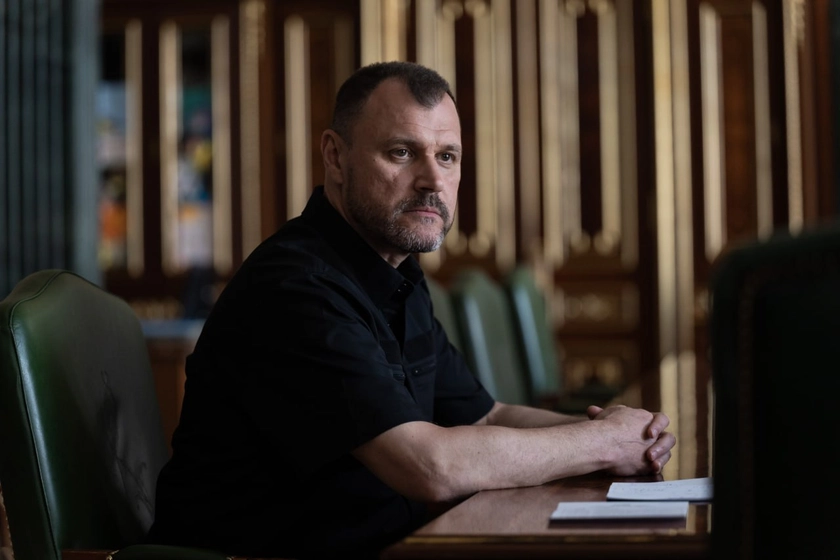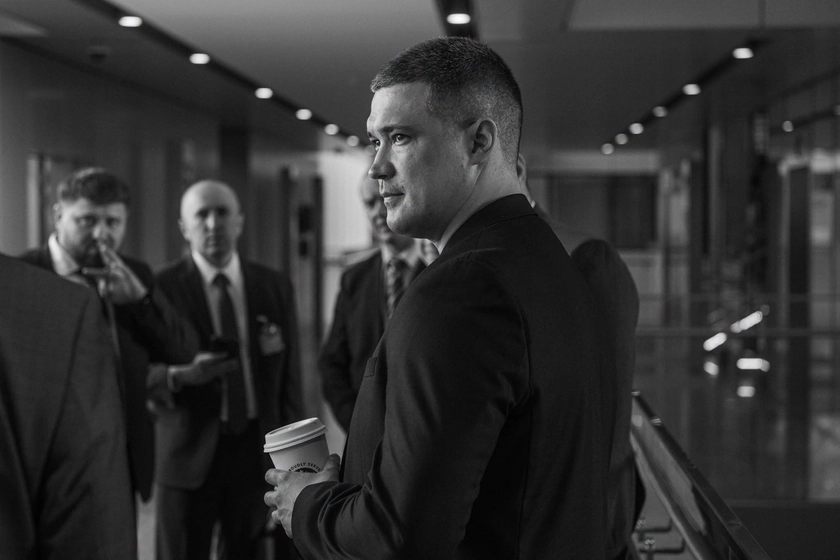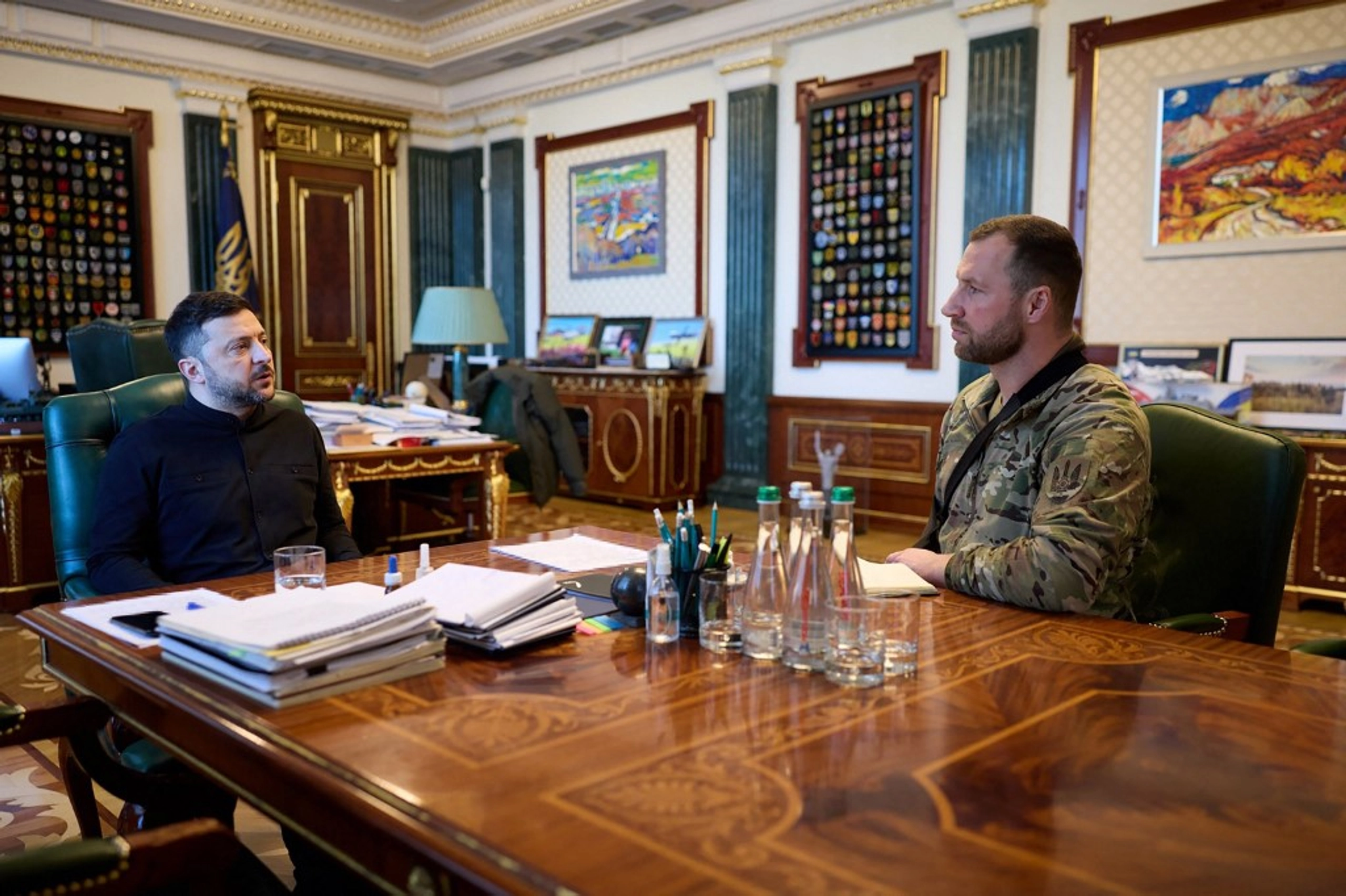
Former SBU Special Forces chief Yevhen Khmara took over Ukraine’s Defense Ministry on Monday, July 20, following President Volodymyr Zelensky’s decision four days earlier to appoint him as acting defense minister amid a growing political crisis over the dismissal of reformist Defense Minister Mykhailo Fedorov.
Khmara’s appointment was formalized by a Cabinet of Ministers order published on the government portal. He previously served as commander of the Security Service of Ukraine’s (SBU) Alpha Special Operations Center and oversaw the agency’s long-range operations.
JOIN US ON TELEGRAM
Follow our coverage of the war on the @Kyivpost_official.
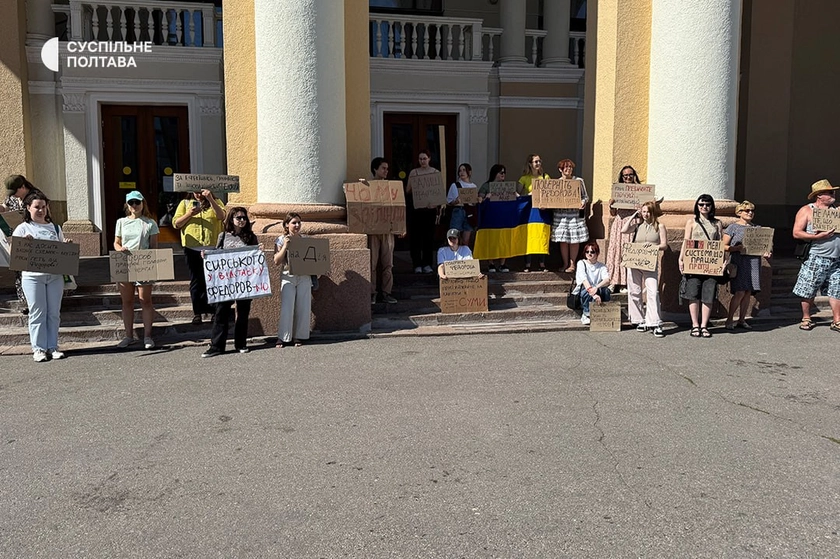
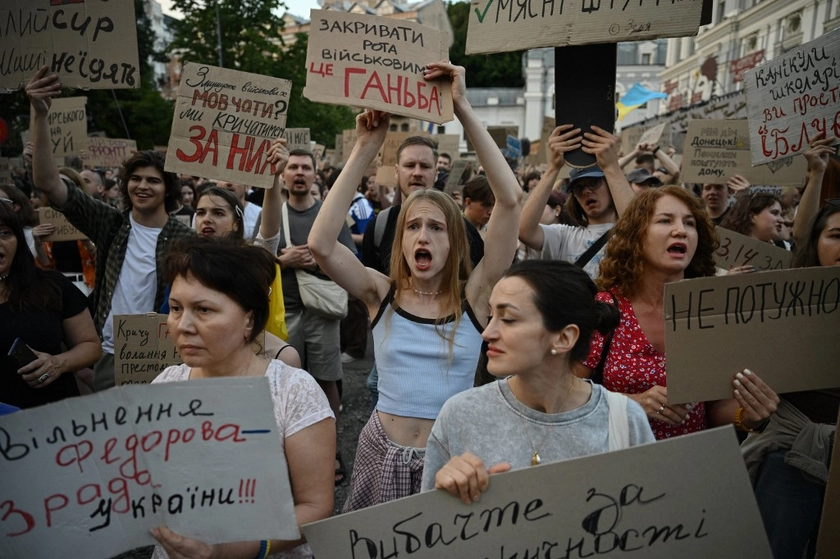
The move comes as Zelensky faces mounting pressure over Fedorov’s removal, which triggered days of protests in Kyiv and other Ukrainian cities.
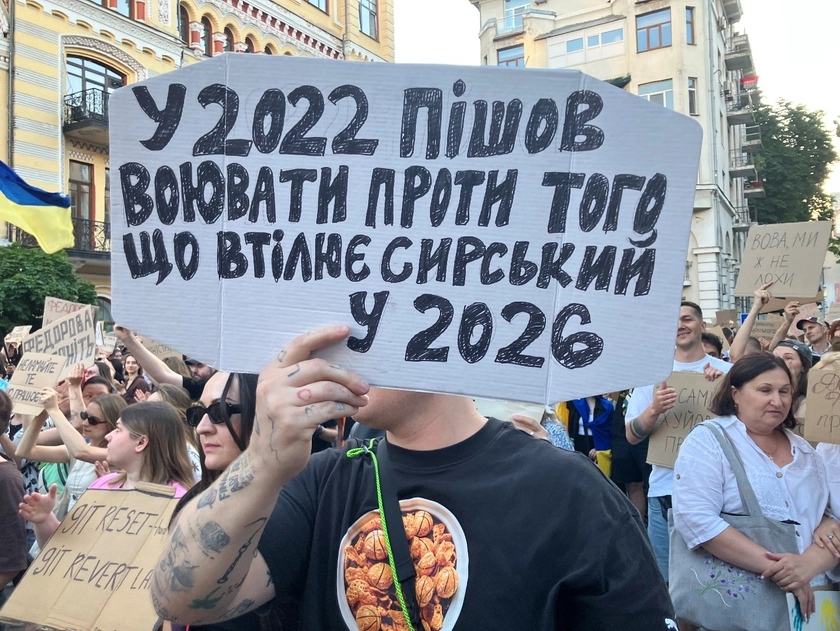
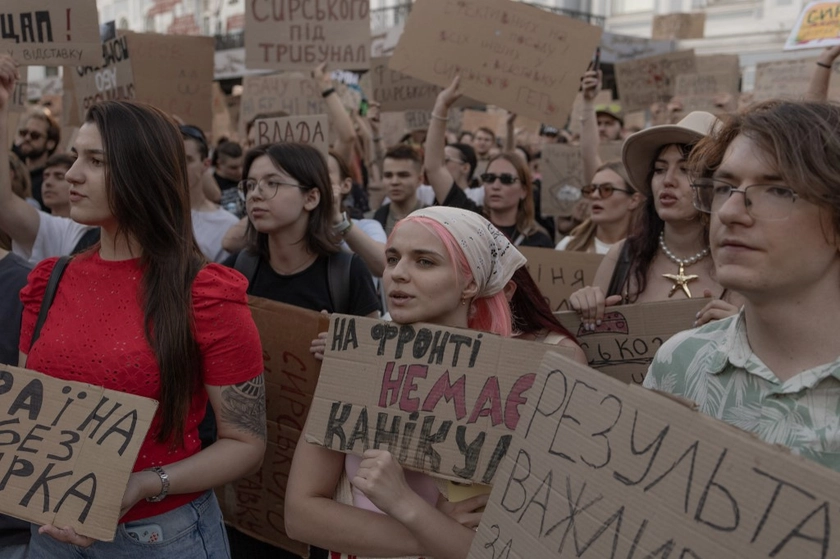
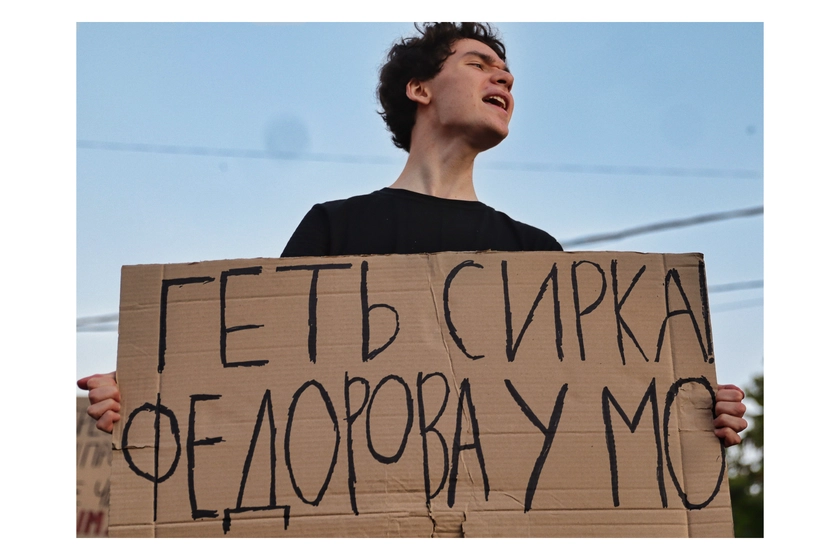
Thousands of demonstrators have called for the reinstatement of the former defense minister, accusing authorities of removing a reform-focused official whose tenure saw major advances in Ukraine’s drone warfare capabilities and military procurement.
Fedorov’s dismissal sparks wartime protests
The protests, now entering their fifth day, were triggered by Fedorov’s removal on July 15 after he repeatedly clashed with Ukraine’s military leadership. They have become the longest-running demonstrations in Ukraine directly linked to wartime decisions.
Thousands of demonstrators have gathered in Kyiv since last week, holding cardboard signs and singing the national anthem. Hundreds returned to the streets on Monday, although turnout was lower following a weekend of Russian attacks.
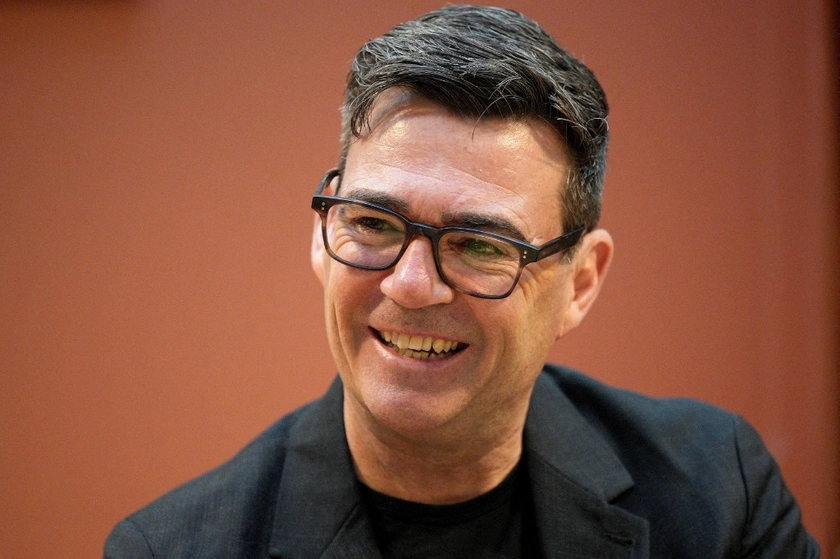
Zelensky, UK’s Burnham to Discuss Anti-Ballistic Coalition Cooperation at Upcoming Meeting
Fedorov served as defense minister for about seven months, during which Ukraine accelerated military procurement reforms and expanded its use of unmanned systems for frontline operations.
Under his tenure, Ukraine strengthened its drone warfare capabilities, launched a campaign targeting Russian oil facilities and logistics networks, and secured the removal of Starlink access for Russian forces operating on Ukrainian territory.
Since January, Ukraine’s military has carried out more than 50,000 logistics and evacuation missions using ground robotic complexes, reducing the need to send soldiers into high-risk areas.
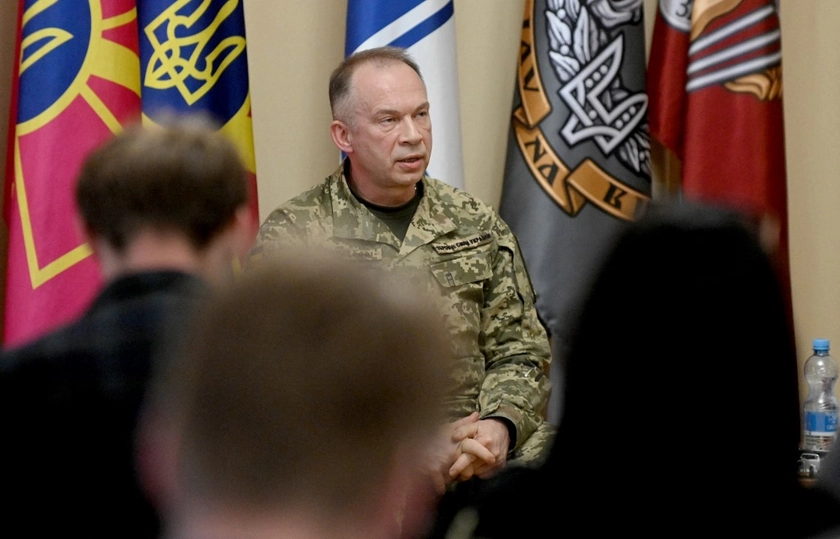
Fedorov’s supporters have accused Ukraine’s top military leadership, including Commander-in-Chief Oleksandr Syrsky, of resisting reforms and favoring Soviet-style attrition warfare.
After his resignation, Fedorov said Syrsky had created divisions within the military and blocked changes, confirming that their dispute was central to his dismissal.
The controversy has fueled public anger, with many Ukrainians arguing that officials who deliver reforms and results are often removed before their work can fully take effect.
Protesters have called for Fedorov’s reinstatement, although reports said he rejected alternative positions offered by Zelensky as of Monday.
Former SBU commander takes charge of defense ministry
Against this backdrop, Zelensky appointed Khmara to temporarily lead the Ministry of Defense. On July 17, the president dismissed him as acting head of the SBU and removed him from his position as commander of the agency’s Alpha Special Operations Center.
Khmara’s appointment followed a July 16 parliamentary vote approving the new government, which left the defense and foreign minister positions vacant.
Zelensky did not submit candidates for either post but said Khmara would temporarily oversee the defense ministry.
“He headed the SBU’s Alpha Special Operations Center, which has delivered some of the most effective strikes against occupiers on the front line,” Zelensky said in his evening address on July 16.
The president said Khmara would continue overseeing Ukraine’s long-range operations, calling them a priority.
“He was responsible for the SBU’s long-range operations. We agreed that Khmara will also oversee long-range operations of the security and defense forces,” Zelensky said.
You can also highlight the text and press Ctrl + Enter

Zelensky to Hold ‘Key Talks’ on Strategy to End War Monday