Russia’s lower house of parliament approved sweeping restrictions targeting citizens living abroad who have been convicted in absentia, a measure rights lawyers say amounts to the “de facto deprivation of citizenship.”
The State Duma passed the legislation in its second and third readings on Wednesday. The measures are set to take effect immediately upon official publication, without a transition period.
JOIN US ON TELEGRAM
Follow our coverage of the war on the @Kyivpost_official.
According to Moscow Times, the legislation authorizes what the Kremlin calls “temporary restrictive measures” against Russian citizens who live outside the country, have been convicted under criminal, or selected administrative laws, and are deemed by the authorities to be “evading punishment.”
The restrictions can be imposed on anyone convicted under any article of Russia’s Criminal Code.
They also cover several administrative offenses frequently used to prosecute government critics, including violations of the country’s “foreign agent” rules, participation in an “undesirable organization,” calls for sanctions, alleged threats to Russia’s territorial integrity, and “discrediting” the armed forces.
Many of those provisions have been introduced or expanded since Russia launched its full-scale invasion of Ukraine in February 2022. They have been used to prosecute journalists, activists, opposition figures, and ordinary Russians who publicly condemn the war.

'Gasoline Situation Is F***ed' – Fuel Crisis Hits Russian Army as Troops Report Severe Shortages
Those placed on an official government blacklist would lose access to online banking and be prevented from making transfers or conducting other digital transactions. Their accounts, money and other assets could be frozen, while income would be redirected to special accounts from which court costs and compensation payments could be deducted.
The restrictions would also block property and vehicle transactions, suspend previously issued licenses, permits and accreditations, and prevent listed individuals from receiving government or municipal services electronically.
Russian registries would reject documents connected to property sales if an owner appeared on the list.
The legislation would also prohibit those targeted from registering as individual entrepreneurs or self-employed workers, receiving state payments, obtaining loans, or acting through a power of attorney.
International limitations
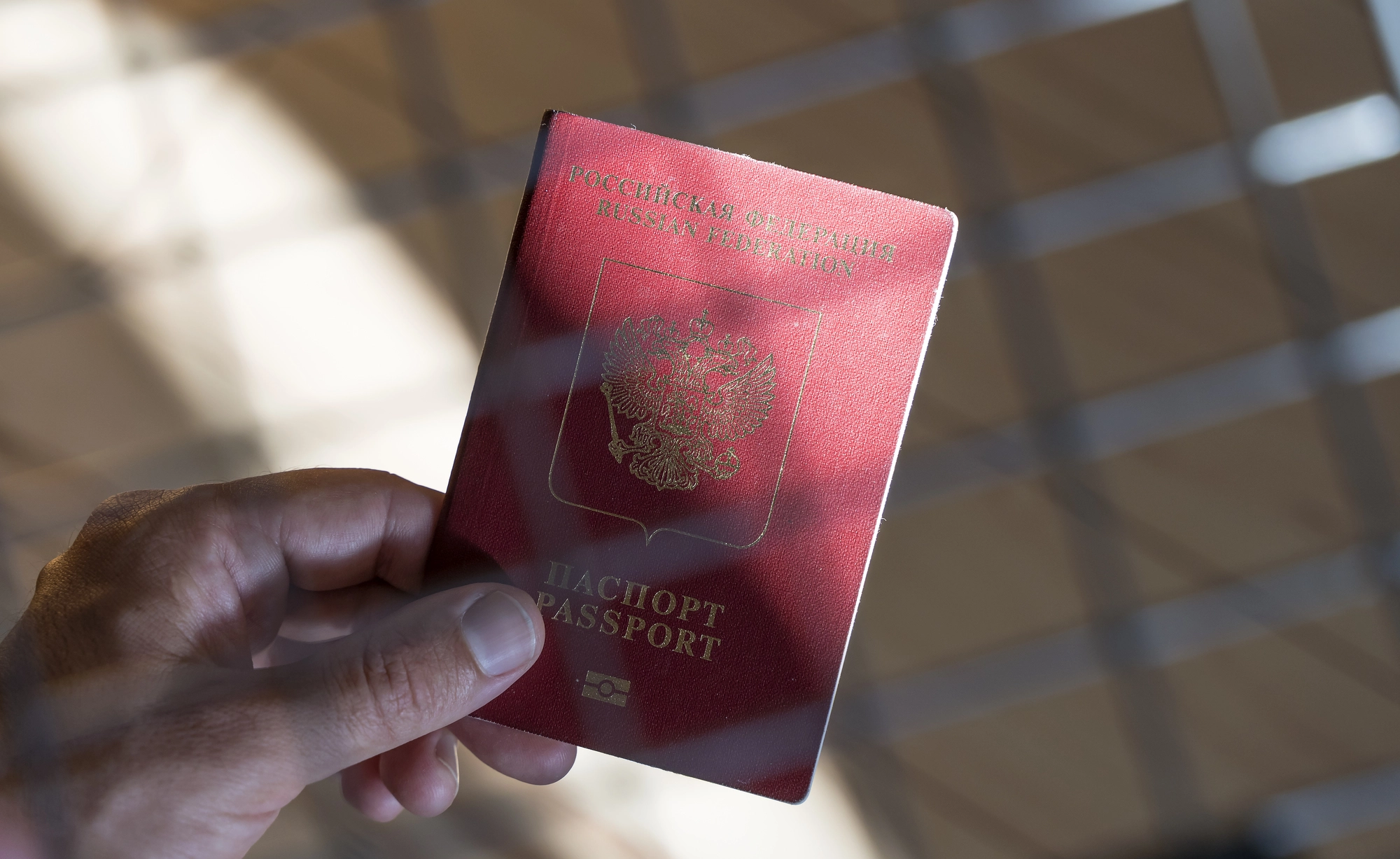
Russian embassies and consulates around the world would no longer accept applications from listed citizens seeking to renounce their Russian citizenship. They would also be barred from issuing passports or performing most other consular services, including certifying transactions, wills, and powers of attorney.
One of the few services that would remain available would be certification that the person is still alive.
The First Department, a Russian legal rights group specializing in politically motivated prosecutions and national security cases, described the measures as an attempt to turn exiles into citizens who formally retain Russian nationality while being stripped of almost every practical right associated with it.
“A person who left for political reasons and is recognized as ‘evading punishment’ receives the status of an internally ‘canceled citizen,’” the organization said.
Lawyers with the organization described the legislation as the “de facto deprivation of citizenship.”
The measures could affect a broad range of Russians who left the country following the invasion of Ukraine and were later prosecuted in absentia for anti-war statements, journalism, political activism, or cooperation with organizations outlawed by the Kremlin.
Russian authorities have opened thousands of criminal and administrative cases over criticism of the war. Courts routinely conduct trials in absentia against activists, journalists and opposition politicians living abroad.
State Duma Speaker Vyacheslav Volodin made clear that the restrictions were intended to pressure exiles to return to Russia and submit to prosecution.
“Those who left need to think about how they will appear before the court and confess,” Volodin said before the vote.
He described those targeted by the legislation as “extremists” and “traitors to the motherland” who had allegedly spent years attempting to destroy the Russian state, justify Nazism, and insult Russian soldiers and officers before hiding abroad.
“This concerns those who harm our country,” Volodin said.
Russian lawmakers have repeatedly expanded penalties against citizens living outside the country. Earlier legislation enabled authorities to pursue people for alleged offenses committed abroad and seize assets to secure the payment of fines.
You can also highlight the text and press Ctrl + Enter