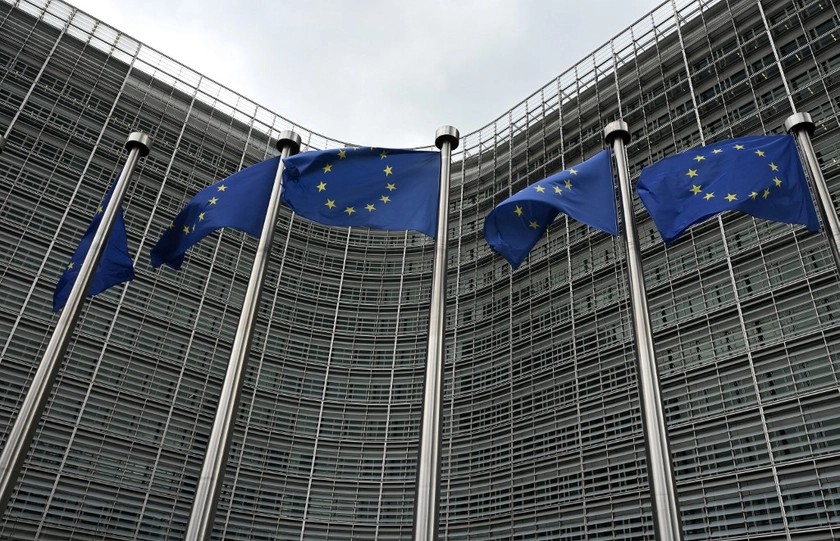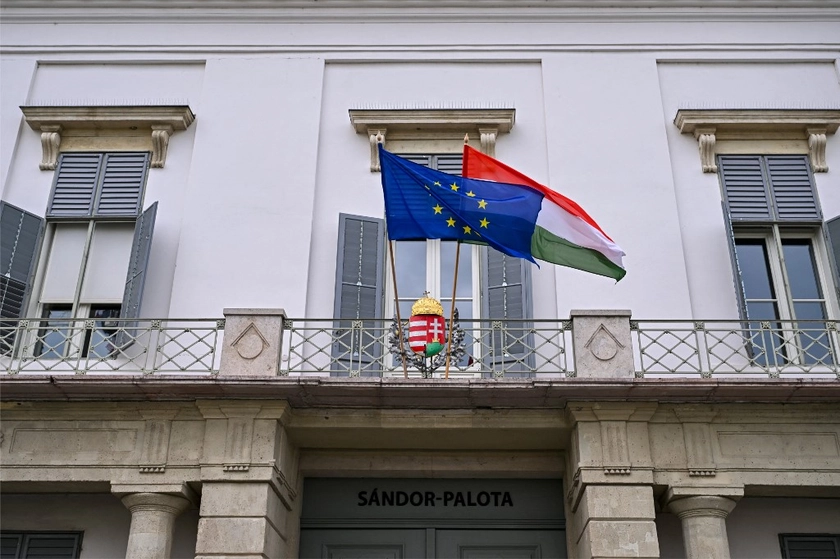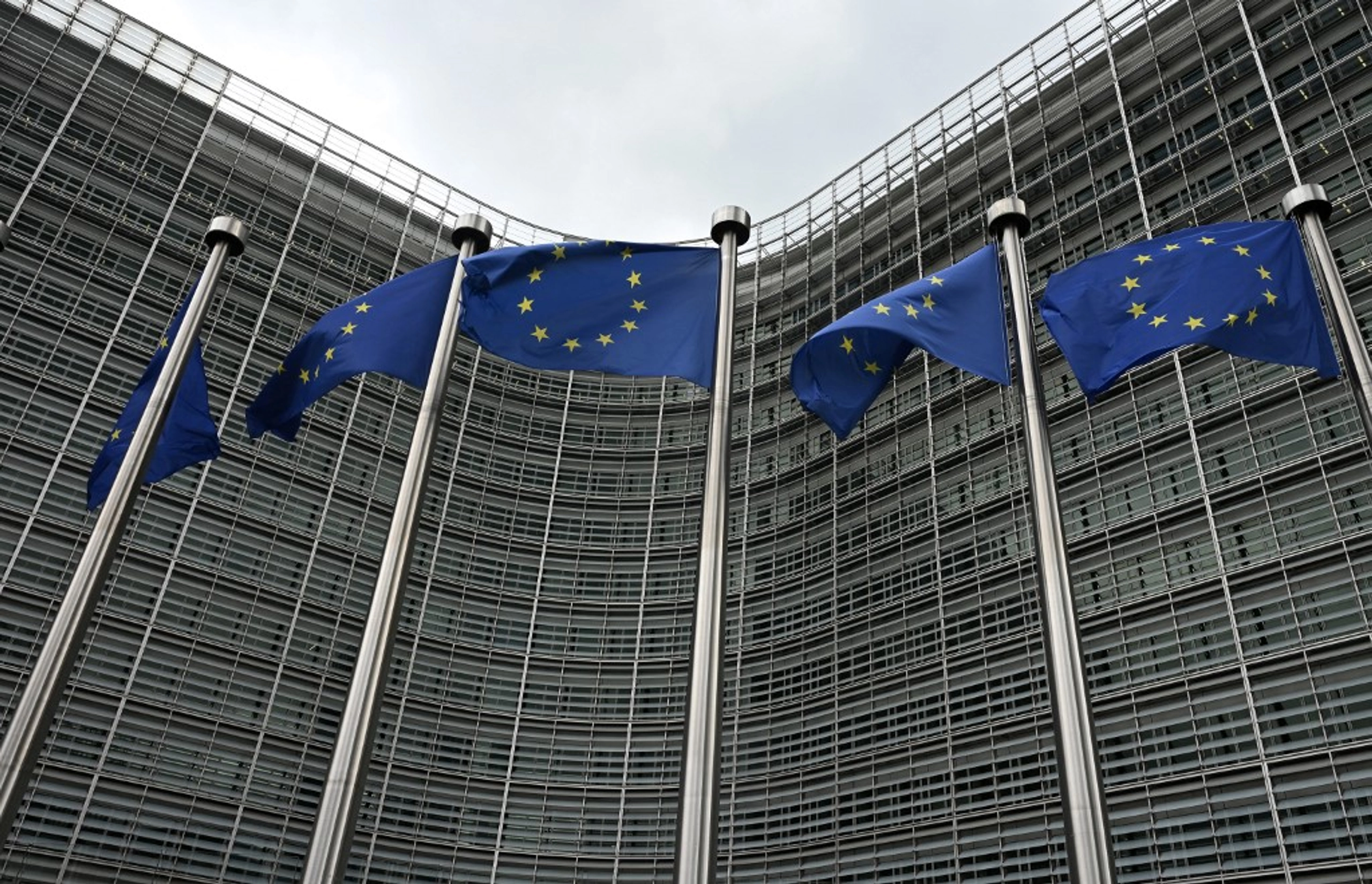
The European Union’s attempt to approve its next package of sanctions against Russia is facing fresh resistance from member states protecting their own economic interests, despite expectations that the departure of Hungary’s Viktor Orbán would clear the way for tougher measures.
EU ambassadors are set to return to negotiations Wednesday over the bloc’s 21st sanctions package since Russia launched its full-scale invasion of Ukraine.
JOIN US ON TELEGRAM
Follow our coverage of the war on the @Kyivpost_official.
But several proposed measures have already been scaled back, delayed or removed after objections from countries concerned about the impact on their businesses.
The package was initially seen as a test of whether the EU could move more quickly against Moscow without Orbán, Hungary’s former prime minister and one of Russia’s most sympathetic voices inside the union, blocking decisions.
Instead, diplomats say disagreements have shifted from Budapest to other capitals.
“It has been a surprise and a disappointment how many member states have stalled in their actions,” Ville Niinistö, a Finnish lawmaker and chair of the European Parliament’s Russia delegation, told Politico.
The EU needs unanimous approval from all 27 member states to adopt sanctions.
Greece challenges LNG restrictions
The biggest remaining dispute centers on a proposed ban on EU-based companies transporting Russian liquefied natural gas to third countries.
Greece has opposed the measure, arguing it could hurt its powerful shipping sector, which controls a large share of the global merchant fleet.
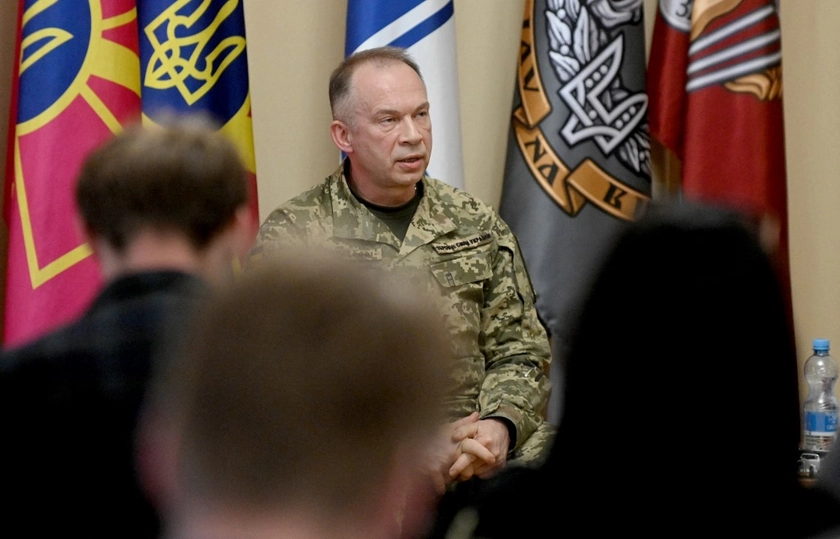
Syrsky Says Army Went From Defense to Offensive Before Exit as Russia Declares Drapatyi Wanted
Greek officials have warned that restricting EU companies could push Russian-linked shipping activity into jurisdictions with weaker enforcement, according to diplomats involved in the talks.
The dispute has also complicated efforts to extend the EU’s frozen price cap on Russian oil, currently set at $44.10 per barrel.
Greece, Malta and Cyprus had raised concerns over the extension, although diplomats expect the measure to pass if the LNG issue is resolved.
Sanctions trimmed after member state objections
Several other proposals have been weakened during negotiations.
According to Politico, a planned phaseout of Russian fish imports was removed after concerns from countries with large seafood-processing industries.
The original proposal targeted imports of cod, haddock and pollock – products that still bring Moscow hundreds of millions of dollars annually.
Austria also pushed back over sanctions affecting Raiffeisen Bank International, which remains one of the largest Western banks operating in Russia.
Vienna has argued that the bank should receive compensation over the seizure of its Russian assets. The European Commission offered to address the issue in a future sanctions package, easing the immediate dispute.
A proposal to sanction Russian Orthodox Patriarch Kirill, a key supporter of President Vladimir Putin’s war, was also dropped after objections from several countries, including Bulgaria and Italy.
Restrictions targeting former Russian military personnel were similarly reduced after France and Italy raised concerns over how the rules would be enforced.
Pressure on Moscow still grows
Despite the compromises, the package would still expand the EU’s economic pressure on Russia.
The measures would reportedly add dozens of Russian banks to the list of institutions blocked from the SWIFT financial messaging system and impose travel bans on more than 250 additional individuals.
The package comes as EU officials argue that sanctions are increasingly affecting Russia’s economy and public confidence in the war.
But the negotiations have shown that removing Orbán from the equation did not eliminate internal divisions over how far Europe is willing to go.
“Orbán was difficult,” one EU diplomat said. “But he never actually blocked whole packages.”
You can also highlight the text and press Ctrl + Enter