Europe is unlikely to achieve its goal of filling natural gas storage sites to 80% capacity before the winter heating season due to intensified global competition for liquefied natural gas (LNG), according to Equinor CEO Anders Opedal.
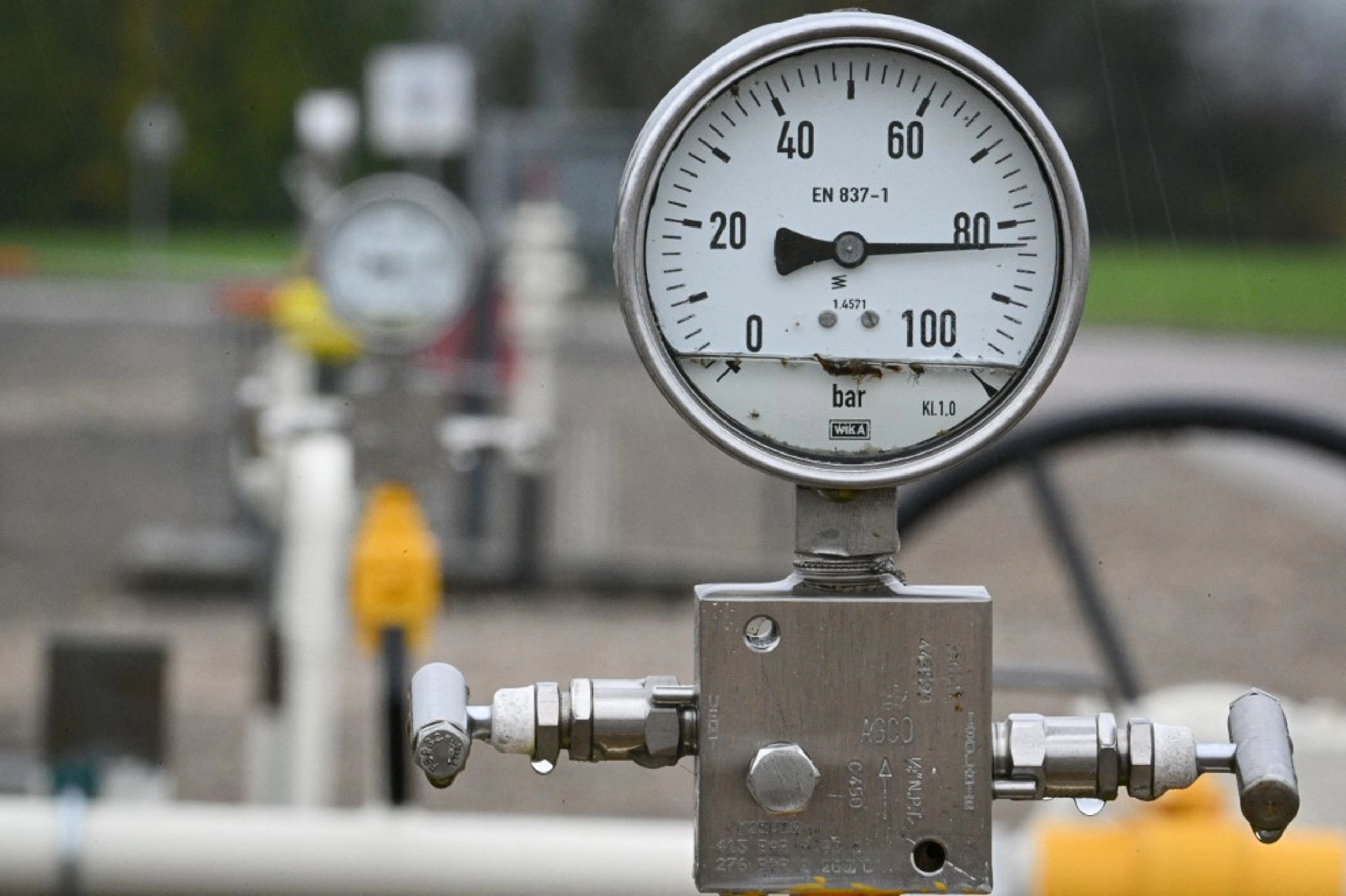
According to Reuters, the head of Europe’s largest natural gas supplier stated that current gas volumes at European storage sites are significantly below the five-year average. Storage levels currently stand at approximately 54%, marking the second-lowest reading for this time of year in 15 years.
JOIN US ON TELEGRAM
Follow our coverage of the war on the @Kyivpost_official.
“We do not think that Europe will necessarily be able to fill up its stocks to more than 80% this autumn,” Opedal said. He noted that the lower storage levels will leave the continent more exposed to price volatility and supply shocks during the winter months.
The storage shortfall is largely driven by a tight global LNG market. Europe relies on LNG for roughly 30% of its gas import needs.
However, geopolitical disruptions in the Middle East – specifically the ongoing US-Iran conflict, which has halted shipping through the Strait of Hormuz – have disrupted a critical transit route that typically handles a fifth of the world’s LNG supply bound for Asia.
Consequently, Asian buyers are increasingly securing LNG cargoes that would otherwise be directed to European terminals.
“The gas that was supposed to come from Qatar was supposed to go to Asia, and that means that LNG that earlier in the year came into Europe is now going to Asia,” Opedal said.
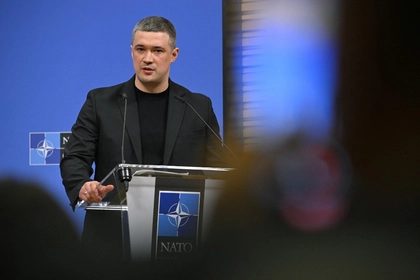
Italian Defense Minister Offers Advisory Role to Mykhailo Fedorov
Market analysts project that Asian LNG imports reached a six-month peak in July, while European LNG imports are expected to drop to their lowest level since September 2024.
EU targets Russian energy revenues
The tightening gas market coincides with the EU’s continued efforts to restrict Russian energy revenues.
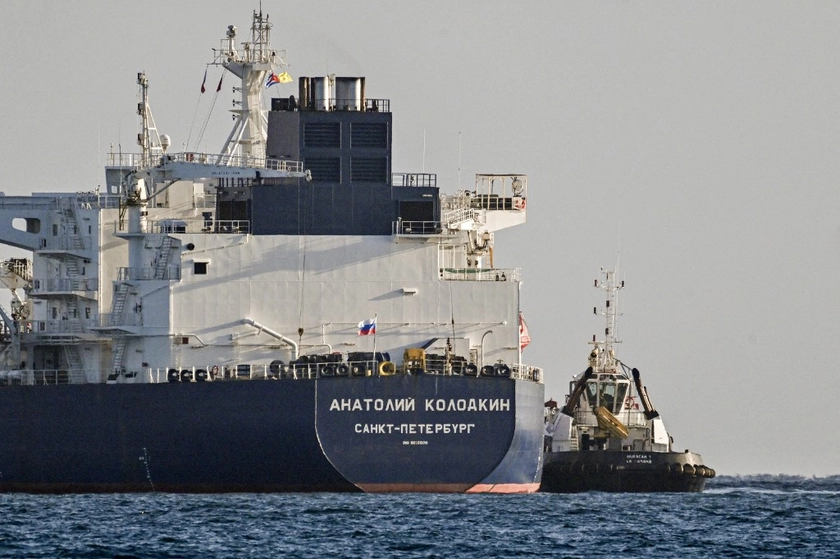
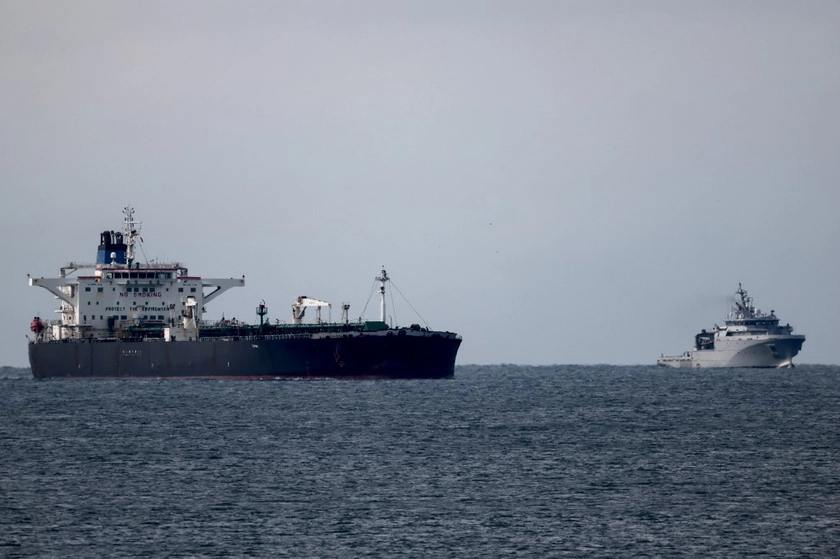
On Thursday, European Commission officials confirmed an agreement on the bloc’s 21st sanctions package against Moscow. The new measures include a provision allowing EU member states to confiscate and sell crude oil and other commodities seized from Russia’s “shadow fleet” of tankers operating in violation of the G7 oil price cap.
“The issue was what to do with the cargo and the commodities,” an EU official told reporters in Brussels. “This is very valuable, as you can imagine.”
The sanctions package also includes a 12-month freeze of the Russian oil price cap at $44 per barrel, preventing the limit from rising to $58.
You can also highlight the text and press Ctrl + Enter