The EU will allow capitals to sell Russian oil seized from vessels attempting to evade the bloc’s sanctions, in its latest effort to ramp up economic pressure on the Kremlin.
European Commission officials confirmed on Thursday, shortly after an agreement among EU diplomats, that a fresh round of sanctions against Moscow would include a provision to allow member states to sell crude oil and other commodities seized from Russia’s ‘shadow fleet’ of tankers, which it is using to evade a G7 oil price cap.
JOIN US ON TELEGRAM
Follow our coverage of the war on the @Kyivpost_official.
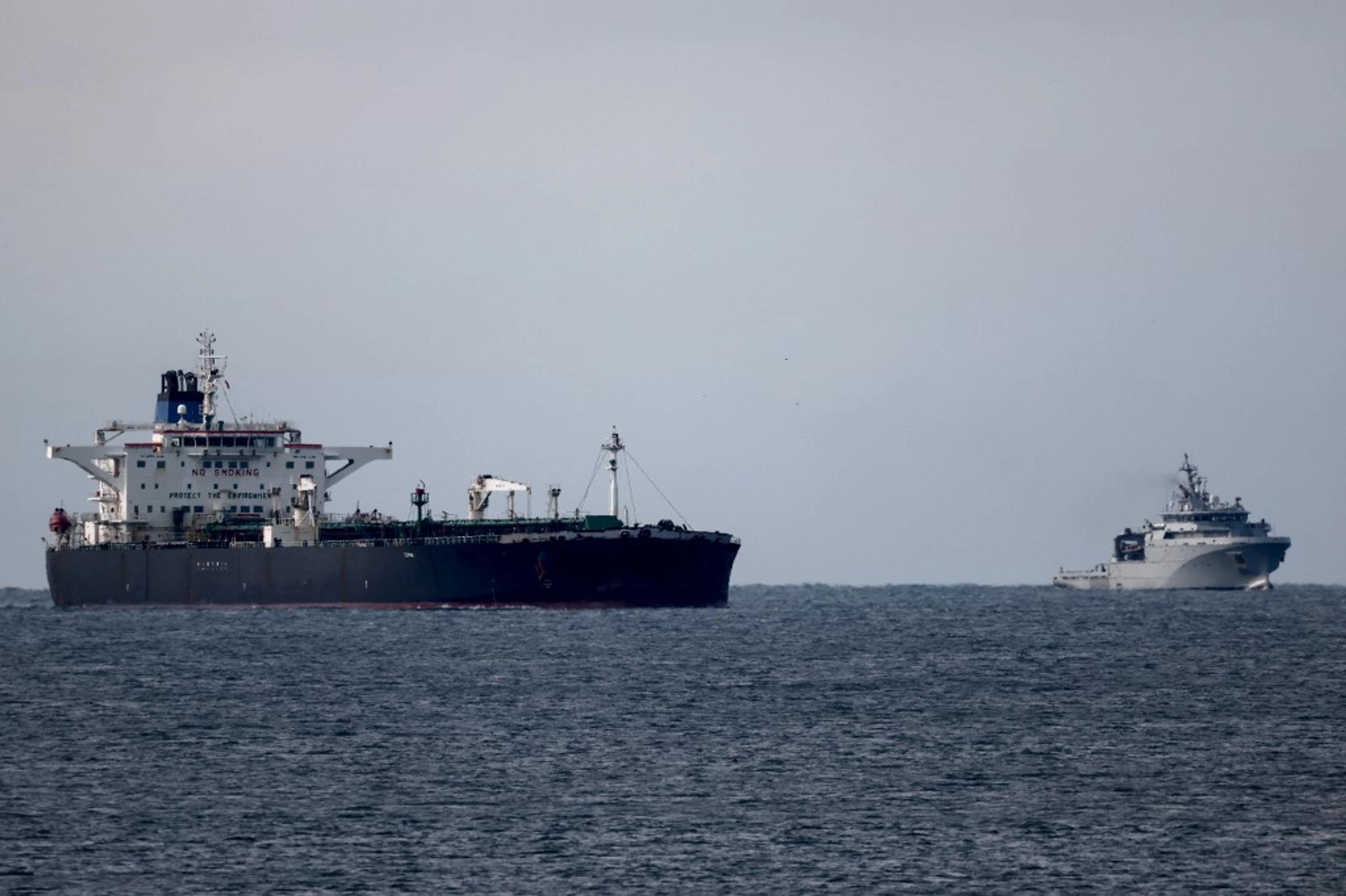
The “very important provision” would allow “member states to confiscate the commodities transported by this shadow fleet once they’ve been boarded … in a naval operation,” one EU official said.
Such seizures were taking place more and more frequently, the official added while briefing reporters in Brussels. “The issue was what to do with the cargo and the commodities,” they said. “This is very valuable, as you can imagine.”
While oil is Russia’s most lucrative export, the policy implies that grain could also be put up for sale if seized.
The move comes as Brussels seeks to crack down on Russia’s energy exports in a bid to deplete the Kremlin’s capacity to finance its war on Ukraine.
“Action at sea”
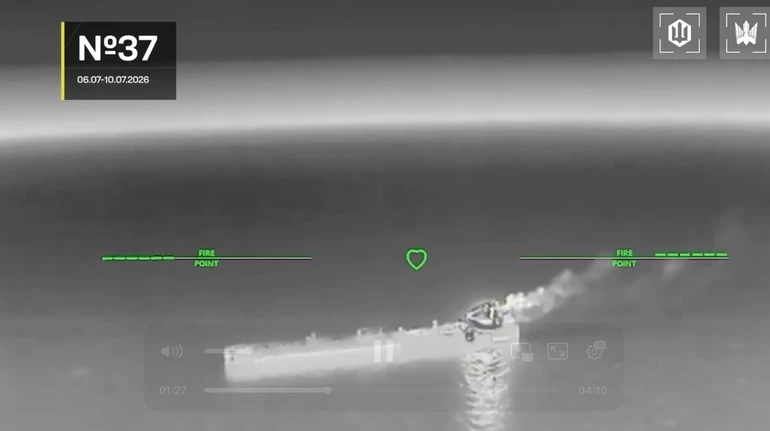
Belgium seized an alleged Russian shadow fleet vessel in the North Sea in March. The tanker had a carrying capacity of some 330,000 barrels of oil, which could be worth up to $26 million at current market prices.
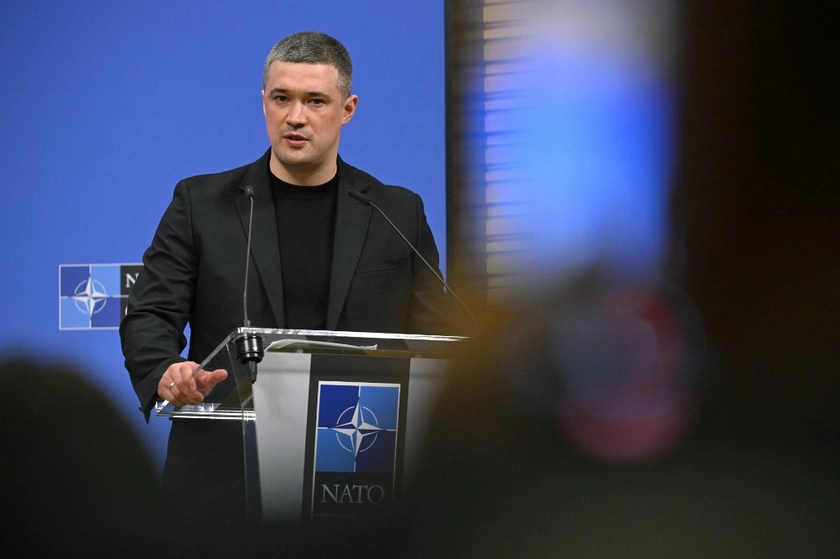
Italian Defense Minister Offers Advisory Role to Mykhailo Fedorov
Last month, France took control of another alleged sanctions-dodging ship – this one with an estimated carrying capacity of 600,000 barrels, worth around $48 million (€42 million) – shortly after it loaded in Murmansk, Russia.
Moscow has condemned the seizures as “piracy” and threatened to retaliate using “all necessary means” at its disposal.
Kaja Kallas, the EU’s top diplomat, also said yesterday that Russia-linked MV South Star was boarded by European maritime security officials in the Mediterranean on July 20 for “flag verification”.
“Every illicit voyage helps sustain Russia’s war machine,” Kallas said. “We are matching our sanctions with action at sea.”
Thursday’s package of sanctions – the EU’s 21st since Russia’s full-scale invasion of Ukraine in 2022 – also includes a twelve-month freeze of Russia’s oil price cap, which bars EU firms from providing services, such as insurance, to Russian tankers that sell oil above a certain price. The cap is set at $44 per barrel but would have risen to $58 per barrel without an agreement.
The EU estimates that the oil price cap will cost the Kremlin $3.5 billion in lost oil revenue over the next year. This estimate is based on Urals crude, Russia’s main export blend, selling at $60 per barrel.
Urals crude was trading at around $50 per barrel at the start of July, but the price has since risen to $80 per barrel following the re-escalation of the US war on Iran.
See the original by Thomas Moller-Nielsen, Nikolaus J. Kurmayer, and Magnus Lund Nielsen here.
You can also highlight the text and press Ctrl + Enter