EN

EN


EN
Stay informed with the most important Ukraine breaking news today. This page compiles the top headlines and critical updates from across Ukraine, offering a real-time snapshot of key developments.
Whether it’s military updates, political changes, or international reactions — we bring you the latest Ukraine news as it happens. All reports are carefully curated from verified sources and KyivPost correspondents on the ground.


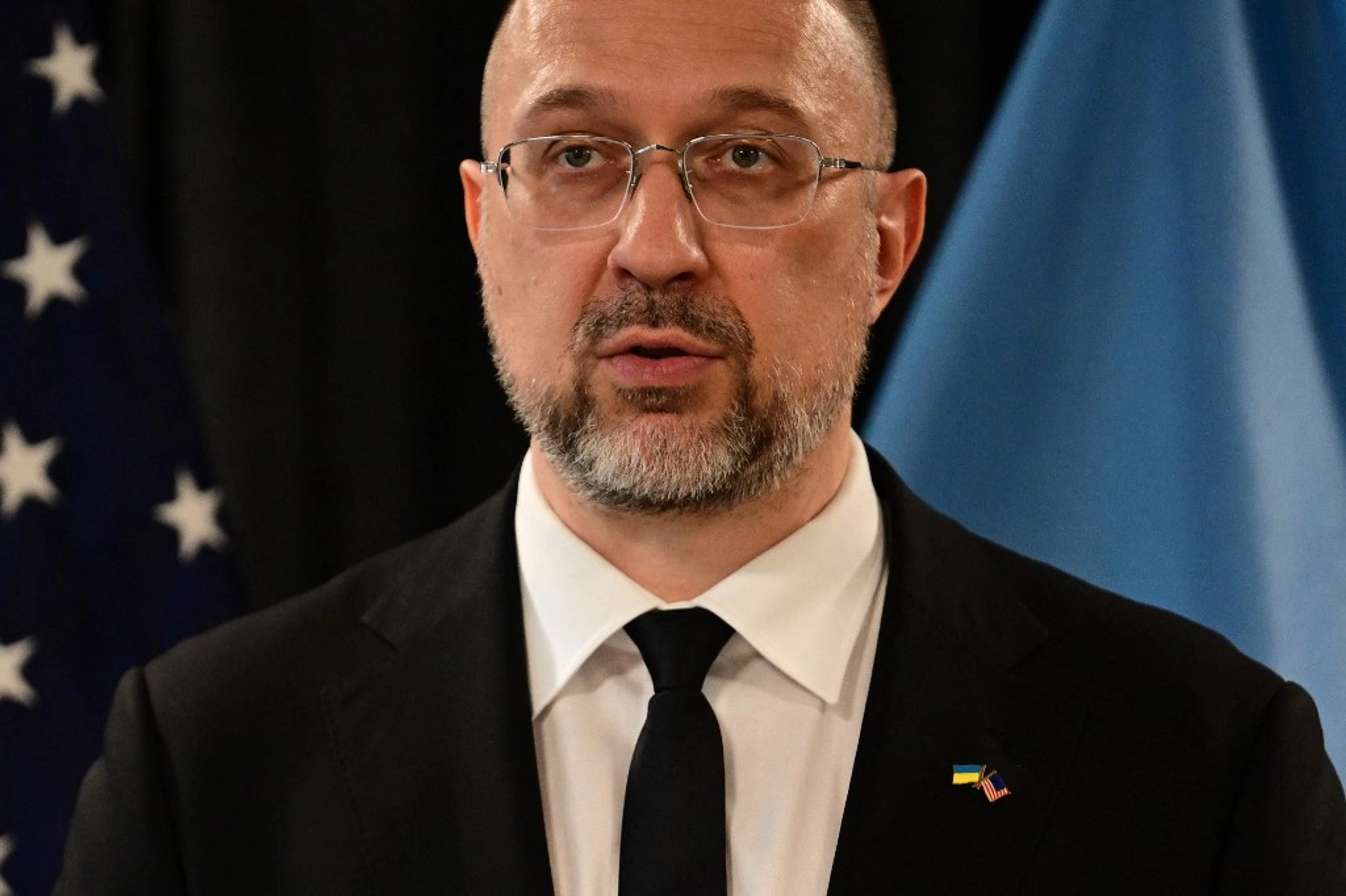
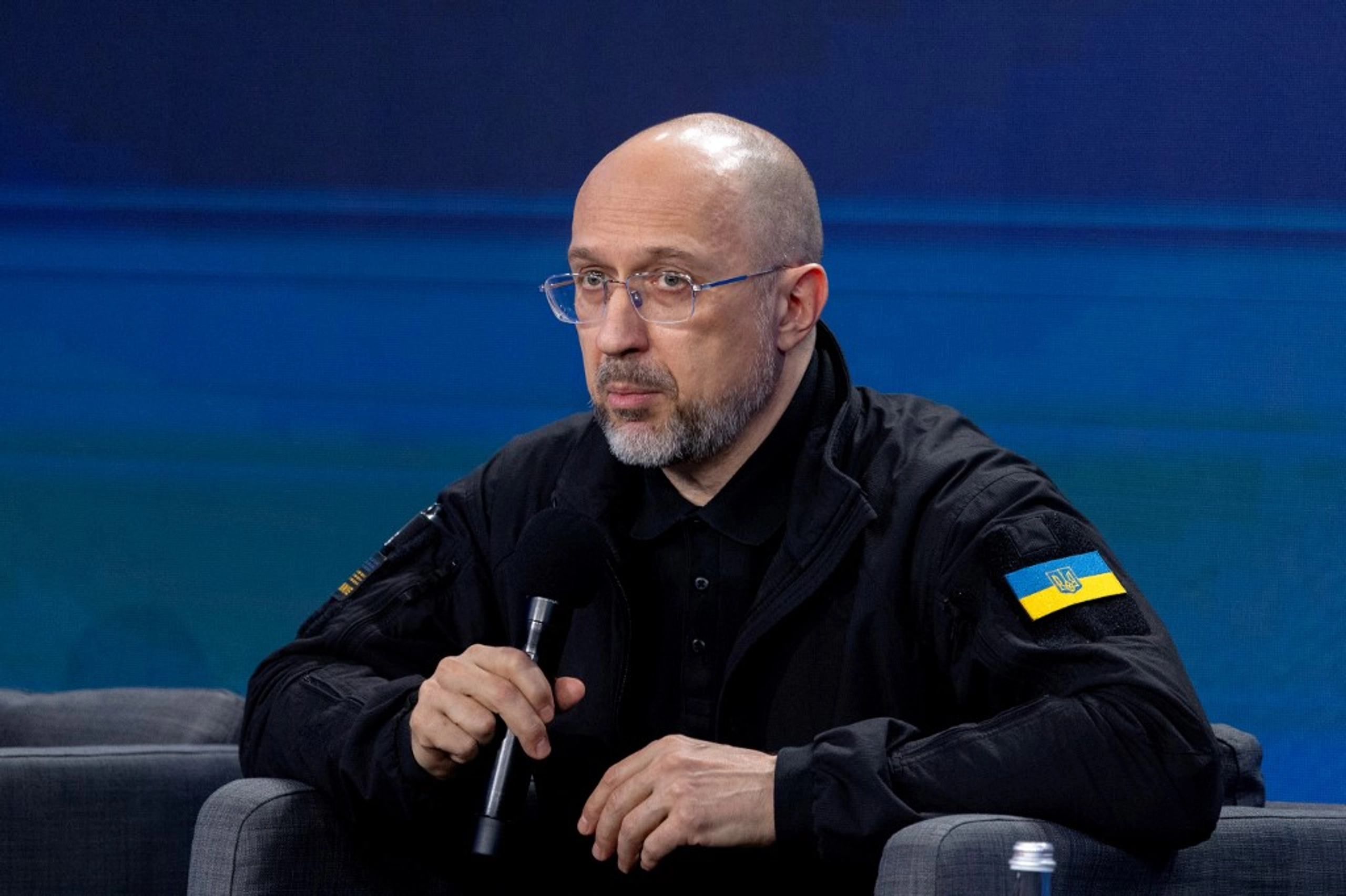
Defense Minister Denys Shmyhal held meetings with representatives of several leading defense companies while in London this week.
Defense Minister Denys Shmyhal announced on Thursday that German defense giant Rheinmetall is to build an ammunition plant to supply the Ukrainian military in a “safe region” of Ukraine.
Writing on Facebook, Shmyhal said that the plans for the project had been finalized and the land allocated on Sept. 9, during his attendance of a weapons exhibition in London where Rheinmetall CEO Armin Papperger was also present.

US Energy Secretary Chris Wright says American oil and gas can replace imports to Europe from an “adversary” like Russia and help promote global peace.
WASHINGTON DC – US Energy Secretary Chris Wright on Thursday laid out the Trump administration’s vision for a “commonsense” energy policy, framing American energy abundance as a key tool for both domestic prosperity and global peace.
His remarks took a particularly pointed turn when discussing Europe’s reliance on Russian energy, a dependency he vowed to end.
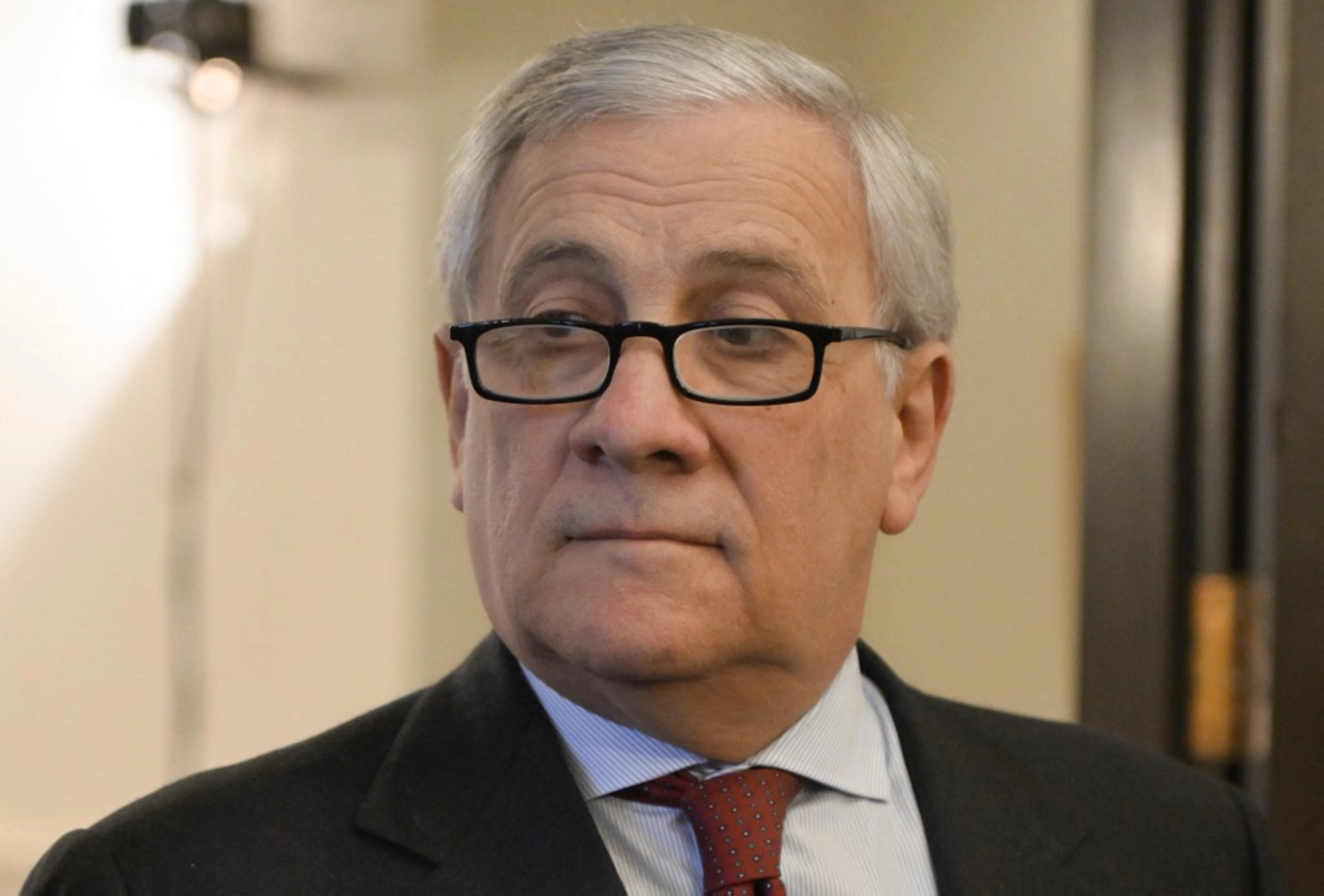
Italian Foreign Minister Antonio Tajani said on Thursday that it was “essential to intensify pressure” on Putin, as the dust settles following Russia’s largest ever violation of NATO airspace.
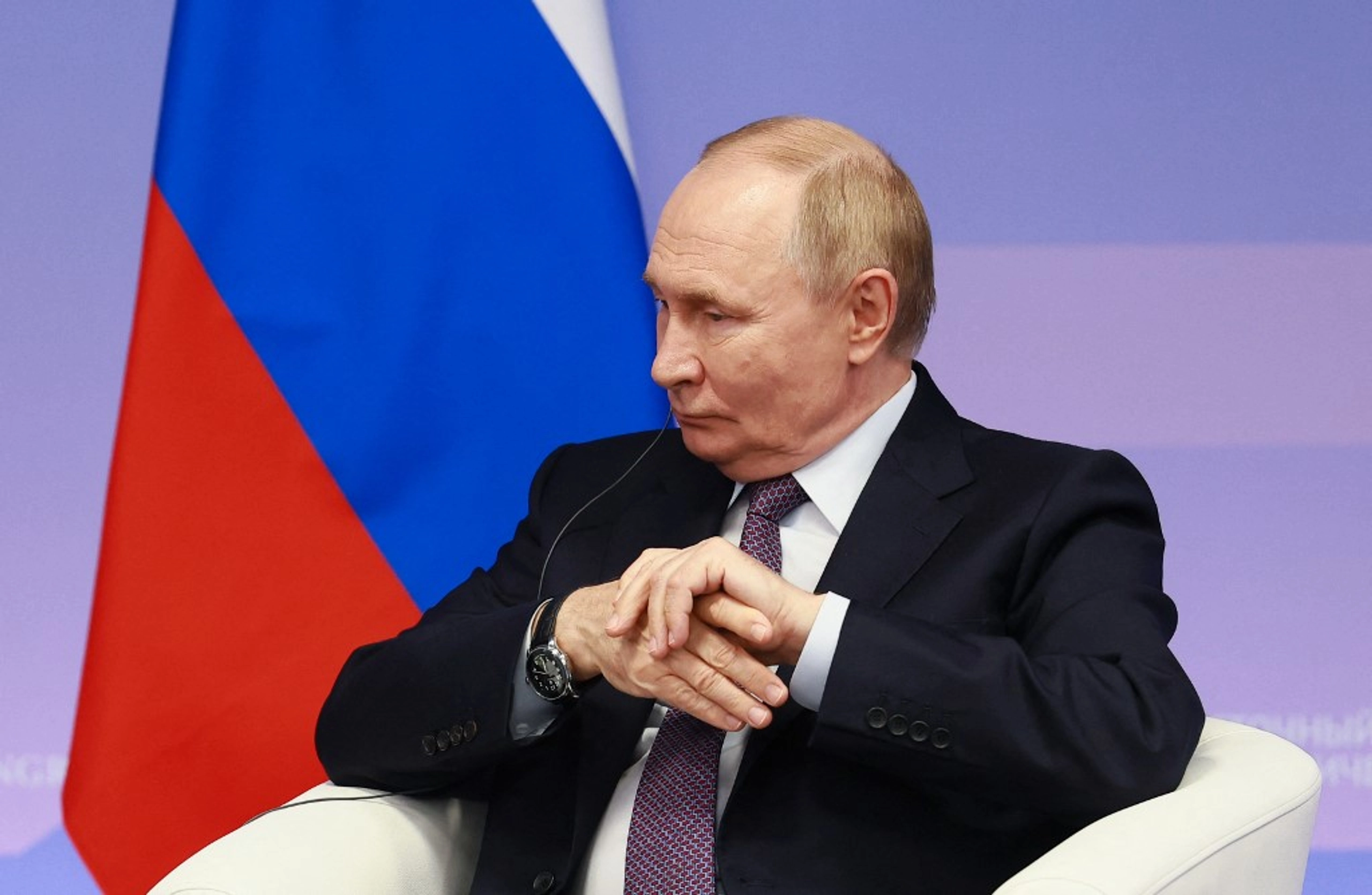
Italy’s Foreign Minister Antonio Tajani called for new sanctions against Russia on Thursday, with the aim of forcing Russian President Vladimir Putin to negotiate with Ukraine and its allies.
According to Reuters, Tajani told the Italian Senate that it was essential to intensify pressure on Putin to bring him to the negotiating table.

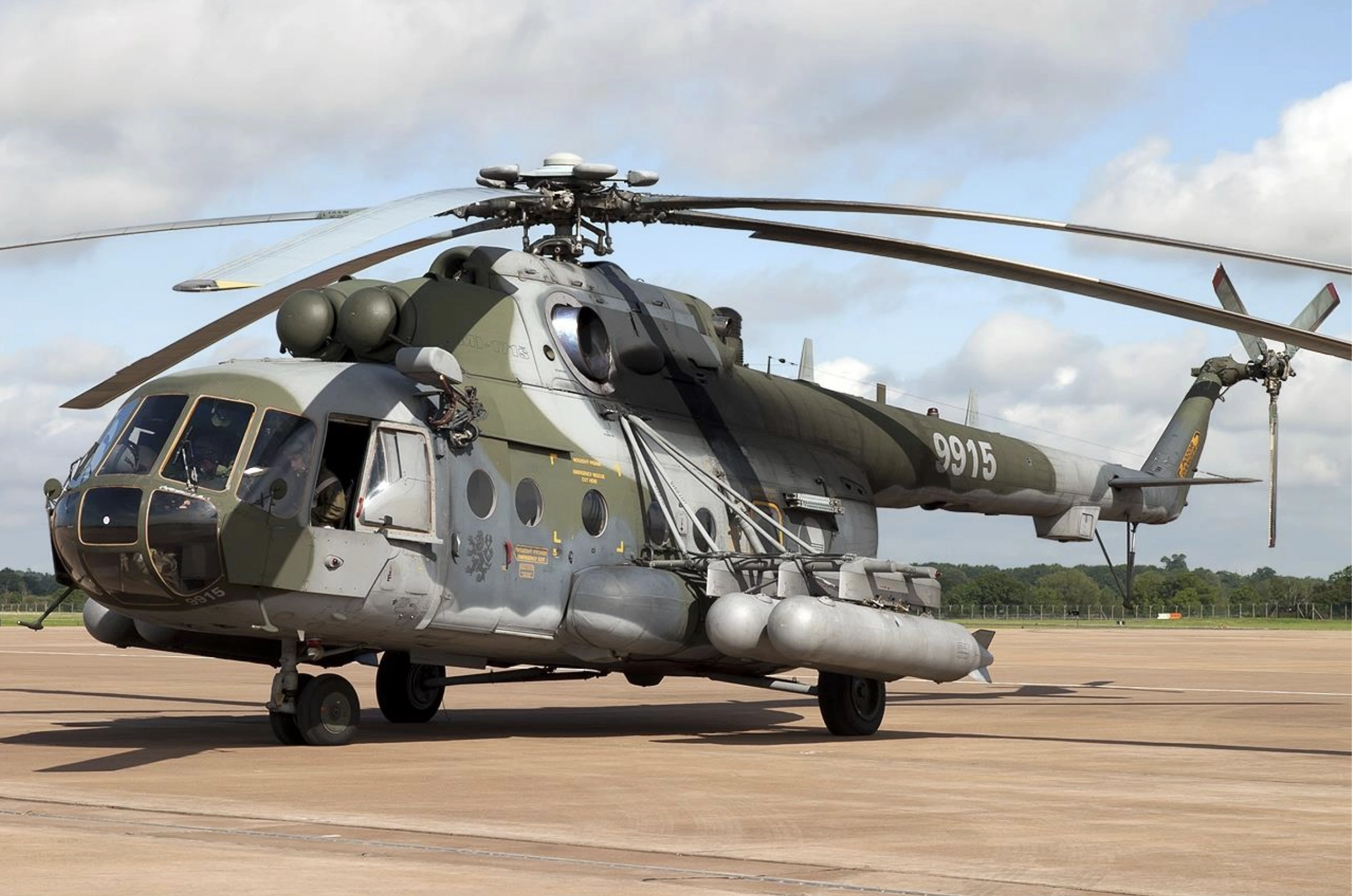
The Czech Ministry of Defense said on Thursday that it had agreed to send the specially equipped aircraft and crew following a direct request from Poland’s Defense Minister.
The Czech Republic is to deploy a Special Operations unit equipped with a specially modified Mi-171Š helicopter for use in counter-drone operations in Poland -- following an unprecedentedly large Russian drone incursion on Wednesday.
According to a statement from the Czech Ministry of Defense, the deployment is the result of a direct request from Warsaw -- following Thursday’s phone call between Polish Defense Minister Władysław Kosiniak-Kamysz and his Czech counterpart Jana Černochová.
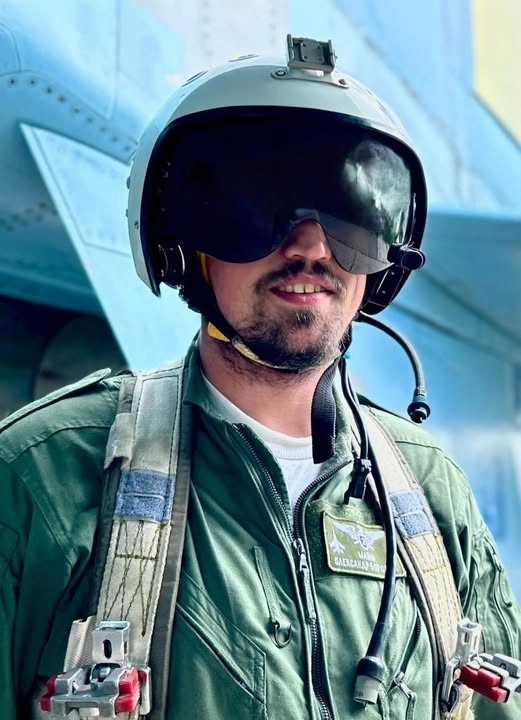
Major Oleksandr Borovyk of the 39th Tactical Aviation Brigade was engaged in combat operations over the southern Ukrainian region when his plane went down on Thursday.
Ukraine’s 39th Tactical Aviation Brigade announced on Thursday that the pilot of a Su-27 (NATO: Flanker) fighter aircraft, Major Oleksandr Borovyk, has been killed in action during combat operations near Zaporizhzhia.
According to the 39th’s statement on Facebook, Borovyk was performing a combat mission in a Su-27 aircraft on the Zaporizhzhia front when his fighter jet went down at about 13:30 on Thursday afternoon – for reasons that are still being clarified.

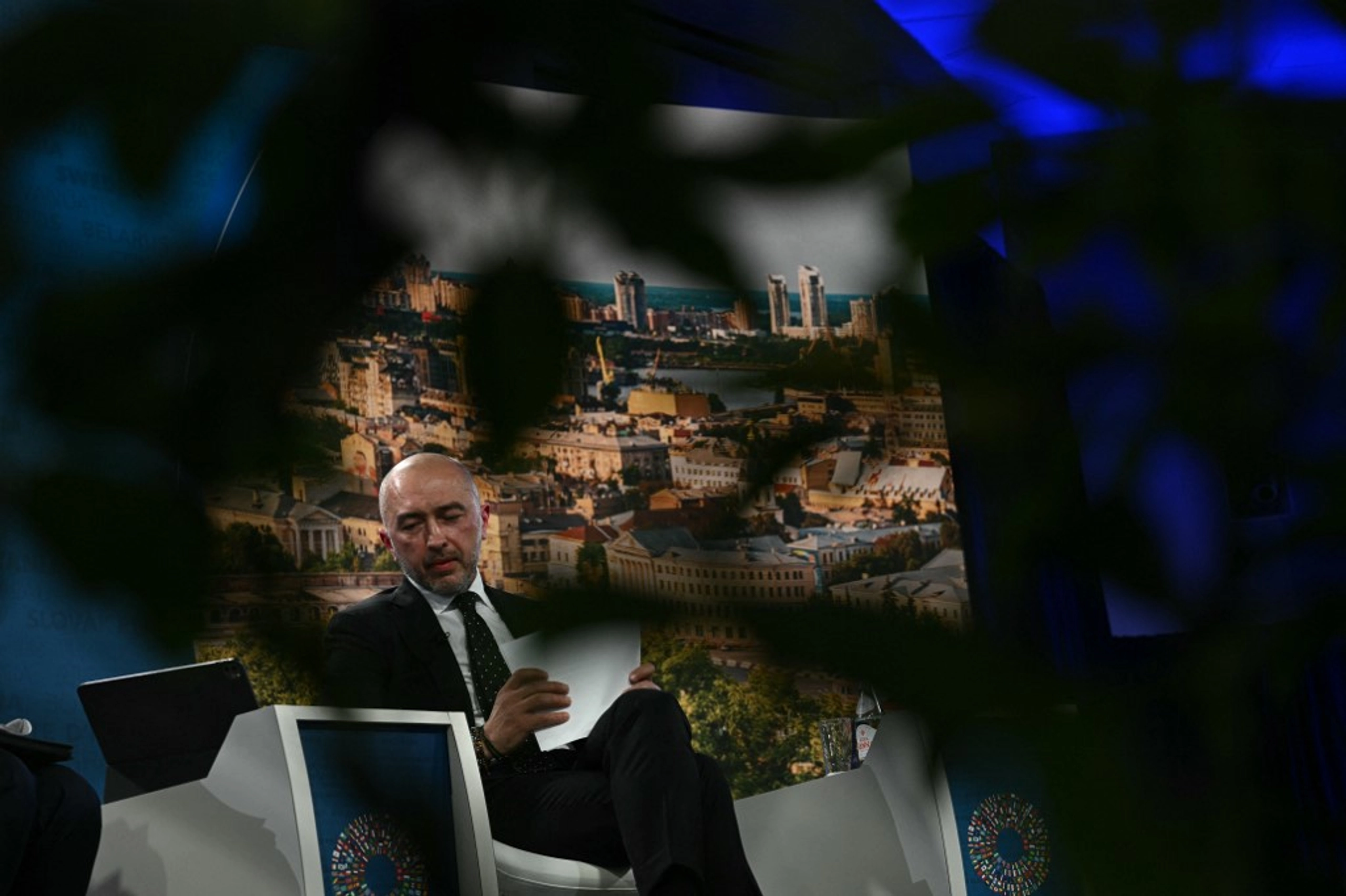
The National Bank of Ukraine warns that inflation risks persist despite a sharp slowdown, as the country faces intensified Russian attacks and seeks additional financing to plug its 2026 budget gap.
The National Bank of Ukraine (NBU) has decided to keep the key rate at 15.5%, NBU governor Andriy Pyshny said during an online briefing with journalists on Thursday.
Pyshny said the inflation rate has been steadily decelerating for three consecutive months, after reaching its peak in May this year.
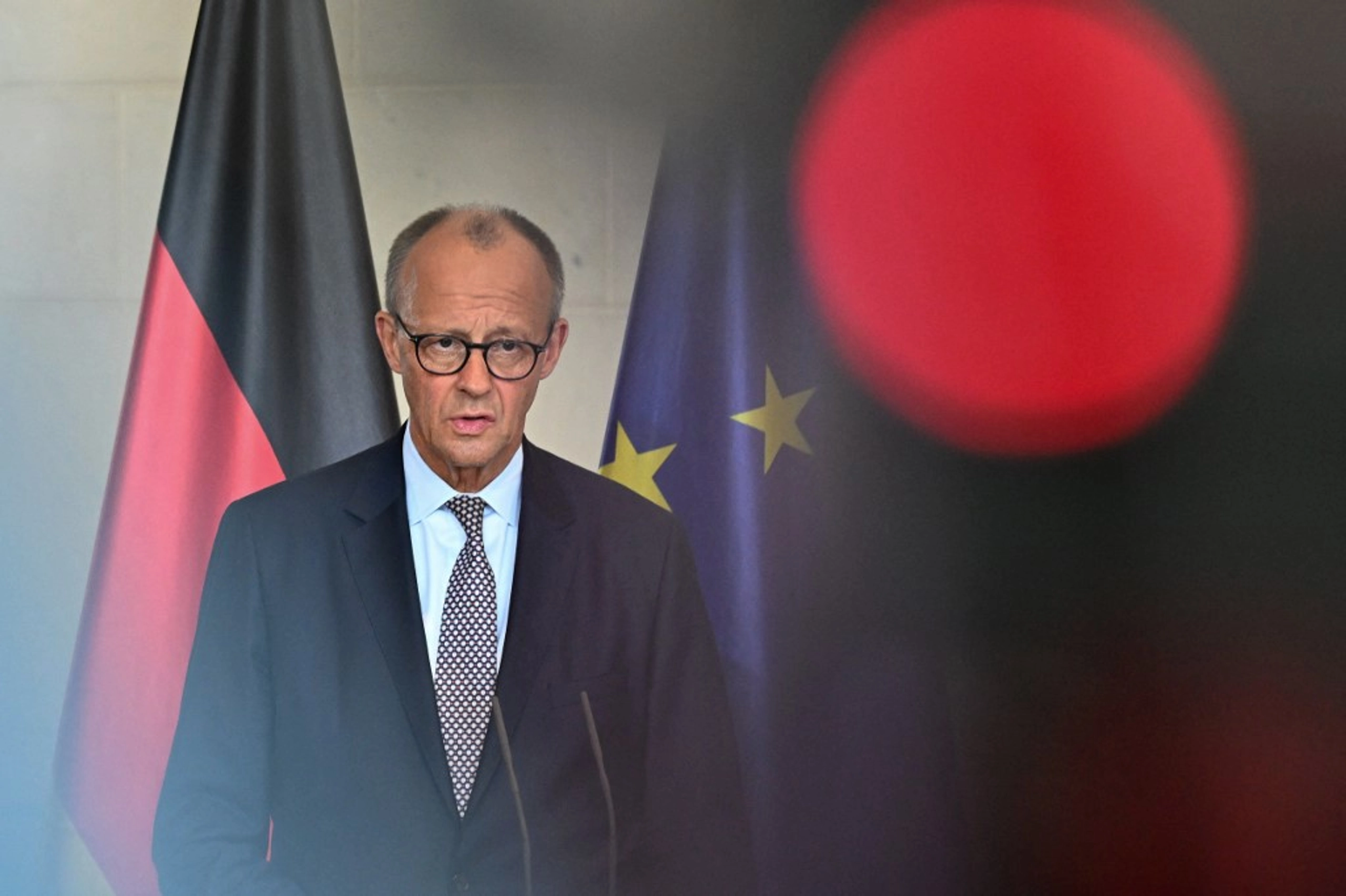
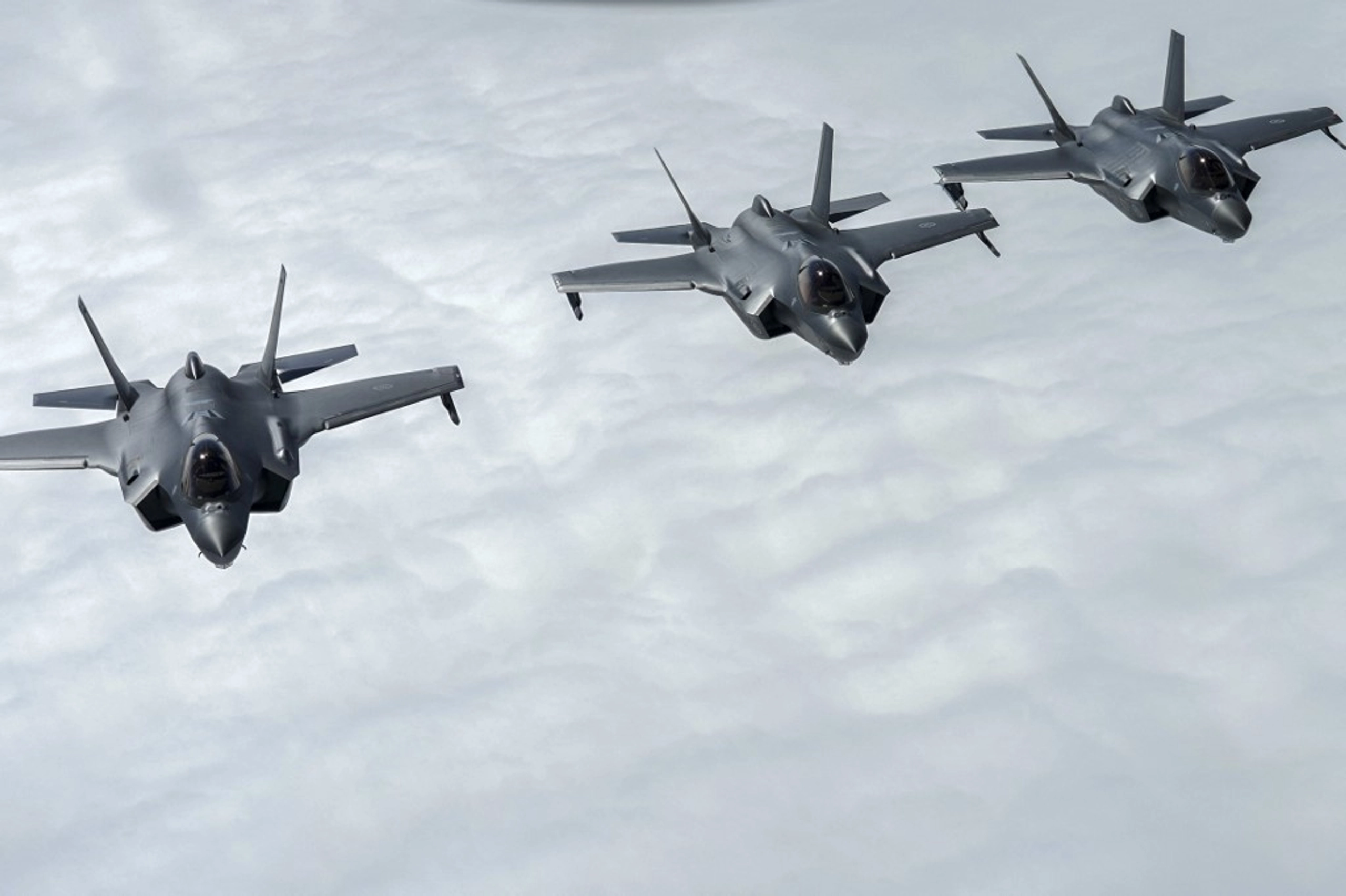
A spokesperson for Berlin said that Germany will “extend and expand air policing over Poland” as part of its commitment to defending NATO’s eastern flank.
Berlin said on Thursday that Germany will expand its commitments to policing NATO’s eastern airspace – a day after Russia’s largest incursion into NATO airspace since the beginning of the full-scale war.
According to Reuters, a spokesperson for the German government said Berlin will “extend and expand air policing over Poland” in addition to its existing commitments in Poland and the Baltics.

A truck driven by two Ukrainian citizens transporting explosives was stopped in Georgia. Investigators are trying to determine if a terrorist act was being planned – and if so, then where.
Georgia’s State Security Service (SUS) announced on Sept. 11 the arrest of two Ukrainian citizens after 2.4 kilograms of Hexogen – a military grade explosive similar to TNT – which was found in a truck that had driven from Turkey to Georgia. The SUS stated that they seized eight mobile phones, a computer device, other electronic storage devices, large sums of cash, foreign mobile operator SIM cards, and cocaine.
Georgia’s State Security Service indicated that they are working to determine if the explosives were intended for a terrorist act in Georgia, if Georgia was used as a transit corridor, or if it was intended for elsewhere. At first look, they seem to have simply made a straight forward counterterrorism case.

The drone was designed by Ukraine along with British expertise, according to the British Ministry of Defence, with the UK planning to churn out thousands a month for Kyiv.
The UK will produce interceptor drones for Ukraine under an expanded agreement, according to Defense Minister Denys Shmyhal on Thursday.
Shmyhal, who visited London this week for the Ramstein meeting to discuss Western military aid for Ukraine, said the first thousand drones will soon be delivered to Ukraine.

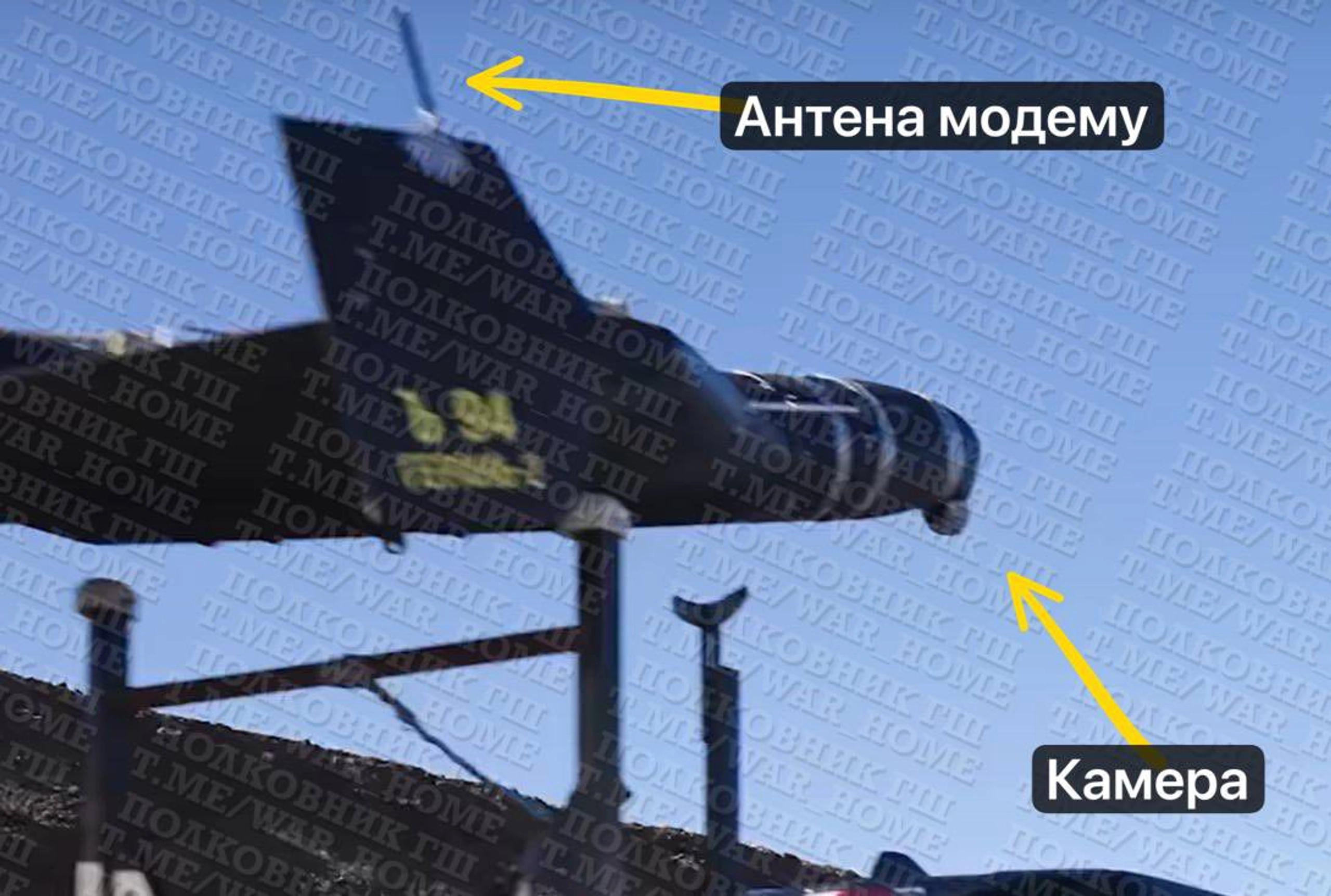
Russia is turning its Shahed / Geran 2 drones into FPV-style weapons by equipping them with Chinese-made mesh modems and cameras, according to Ukraine’s commander-in-chief.
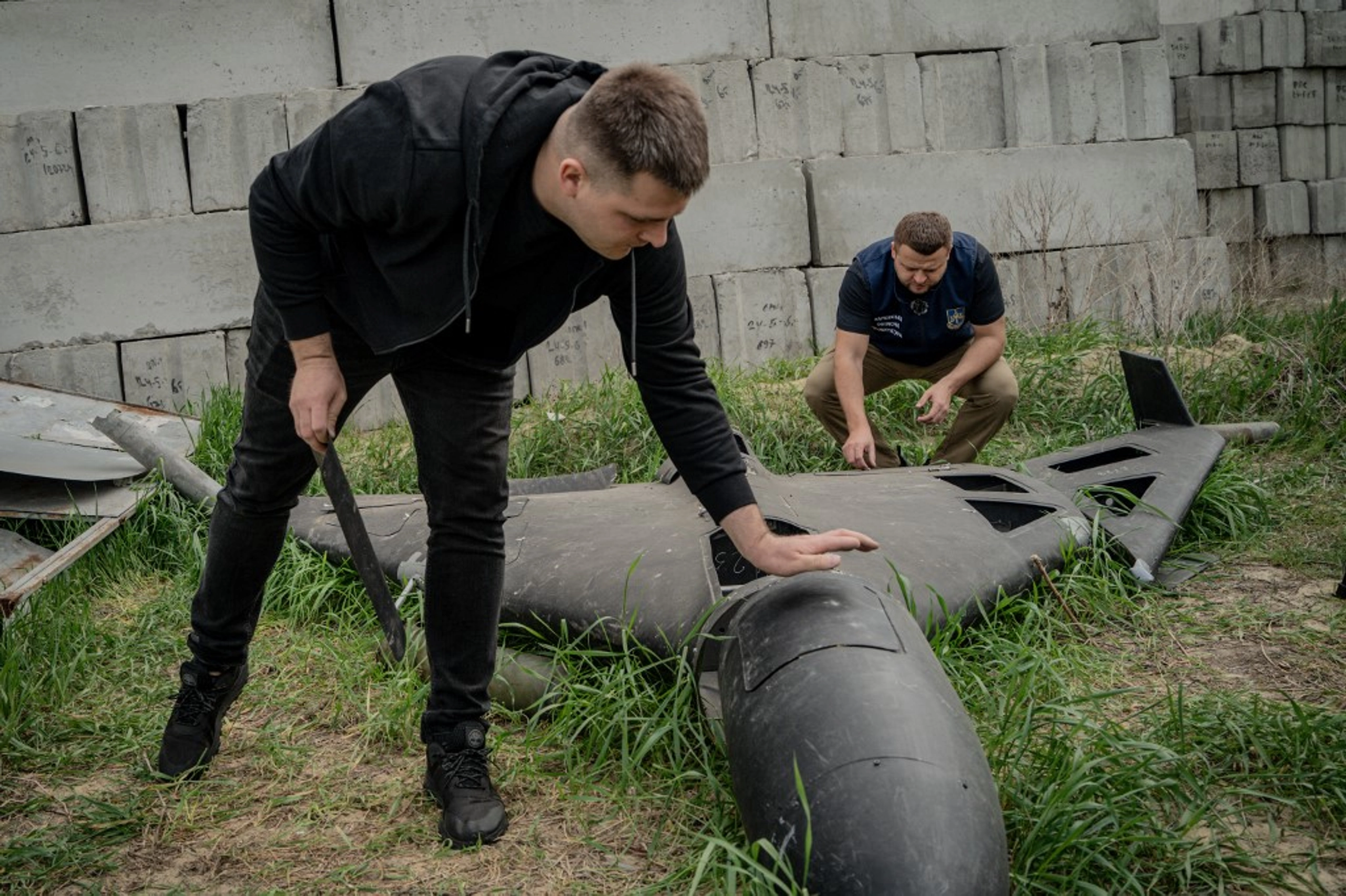
Analysis of wreckage from recently downed Shahed drones shows that Russian forces are increasingly equipping them with mesh modems and cameras, effectively converting them into first-person view (FPV) drones.
According to Defense Express, such mesh modems – which create a dynamic relay network where each unit serves as a repeater for others – were first spotted on foam-filled “Gerbera” drones.

Over the course of the war, Ukraine has gained a lot of experience blowing up Russian Shahed drones, and they say they are happy to share their knowledge with NATO.
Ukraine has been fighting off Russian drones for years and have built up tested tactics for detecting and destroying Shahed drones – the explosive-toting aircraft that for the first time ever penetrated NATO airspace on Wednesday. Here are four key Ukrainian lessons learned in the anti-Shahed campaign.
According to Ukrainian Air force counts, Russian forces sent about 12,000 of the Iran-designed aircraft each carrying a 50-90 kg warhead into Ukrainian airspace in 2024. In 2025 the count to date is about 15,000 launches in strikes taking place daily.

Ukraine plans more domestic borrowing and seeks EU support for weapons and ammunition to cover an estimated $7.2 billion funding gap in the defense budget in 2025.
Ukraine’s government may face a Hr.300 billion ($7.2 billion) shortfall in its defense budget for the rest of 2025 as the full-scale war continues, Ekonomichna Pravda (EP) estimated.
Ukraine is forced to revise the 2025 budget spending as Russia’s ongoing full-scale invasion has resulted in funding plans being insufficient to cover growing needs.

Don’t look for jumbo jets piercing skyscrapers. Russia is playing a long game with probes and hybrid war tactics that capitalize on Trump’s fondness and Europe’s cravenness.
Vladimir Putin just conducted a test run against NATO, and the alliance flunked. Russian drones entered Polish airspace, NATO shot some down, airports shut, ministers scrambled, Warsaw went into emergency meetings, and Poland even invoked NATO’s Article 4, calling for urgent consultations. But the episode was treated more like a weather incident rather than an act of war.
Excuses proliferated, but this was no accident. It was deemed “reckless,” not dangerous, by NATO Secretary-General Mark Rutte because the drones were not the lethal variety that obliterate Ukraine daily. But that was beside the point. This was a dress rehearsal for all-out war – a probing attack meant to gauge Europe’s defenses, response times, and political nerve. And NATO’s wobbling signaled weakness.
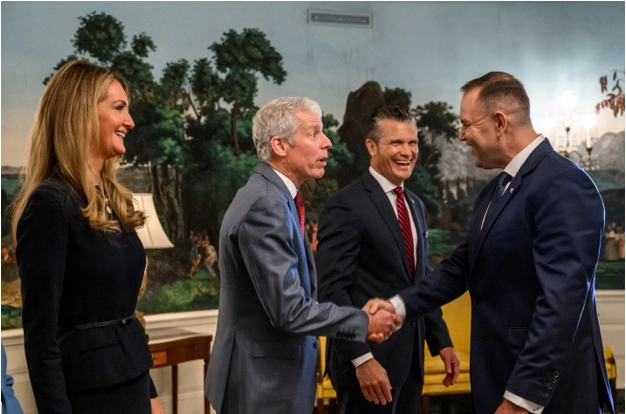
This is Kellogg’s third visit to Ukraine in recent months. He attended Independence Day events in Kyiv on Aug. 24, joining a prayer breakfast and meeting Ukrainian leaders. He also visited in July.
US President Donald Trump’s special representative for Ukraine, retired Gen. Keith Kellogg, arrived in Kyiv this week, a source told RBC-Ukraine.
Kellogg had earlier planned a stop in Poland before traveling to Ukraine, according to CNN. His arrival came shortly after dozens of Russian drones violated Polish airspace overnight on Sept. 10.

Poland’s response to Russia’s violation of its airspace also tests unity and resolve of Western Alliance.
Poland said Thursday it had called an emergency meeting of the UN Security Council to discuss violations of its airspace, a day after it accused Russia of carrying out a drone raid on its territory.
Poland said the incident was not accidental and branded it an “unprecedented” attack on Poland, NATO and the European Union, but Moscow denied targeting the country and said there was no evidence the drones were Russian.

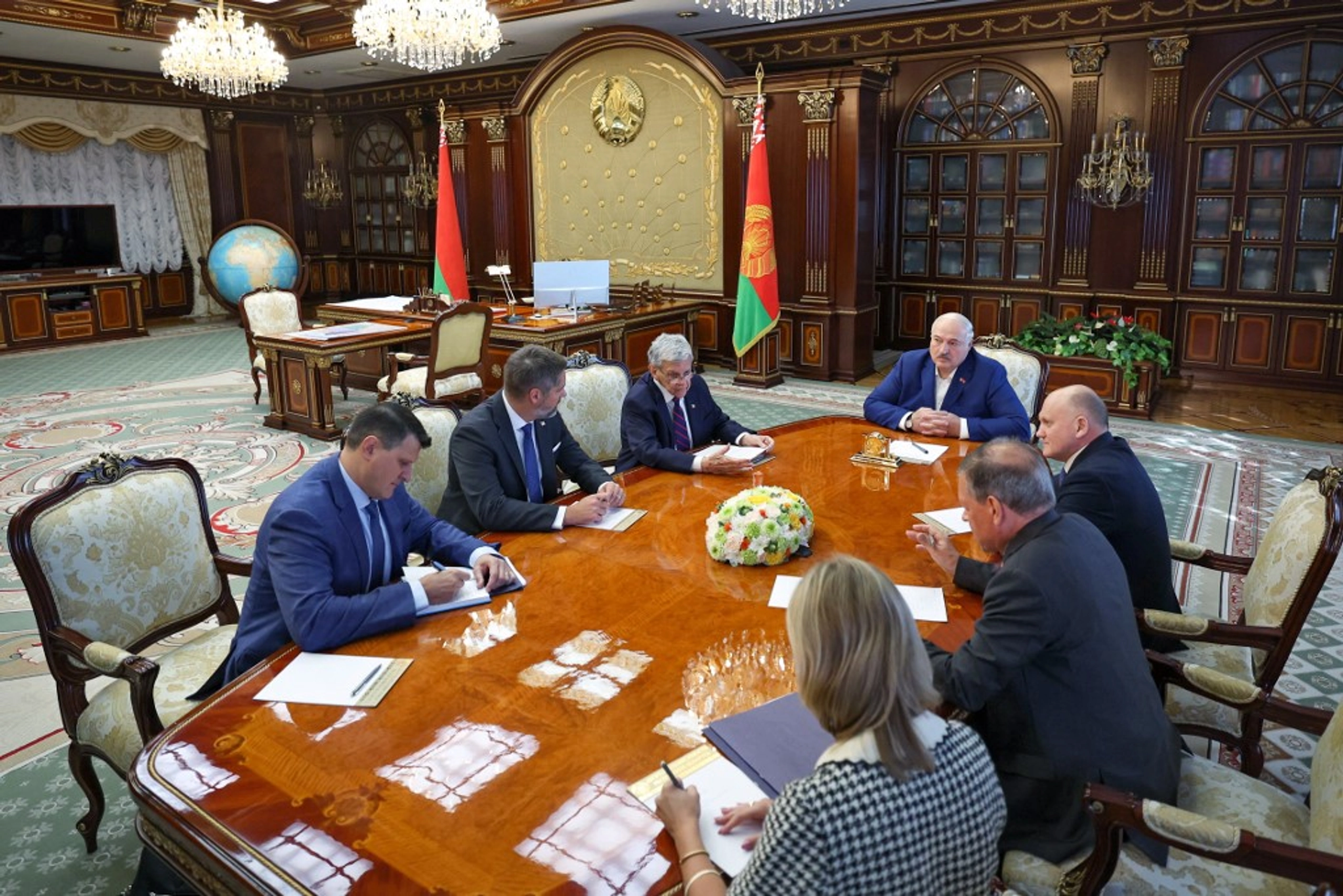
The move follows a smaller release earlier this summer, when Lukashenko freed 14 detainees after meeting another Trump envoy, Keith Kellogg.
Belarus has freed 52 political prisoners of different nationalities, the US Embassy in Vilnius said Thursday, in what appeared to be the largest release of detainees in years.
The embassy said those freed were on their way to Lithuania. Belarusian media reported the group included opposition politician Mikalai Statkevich, philosopher Uladzimir Matskevich, and Lithuanian citizen Alena Romanauskienė.
Civilian drones are banned in the area at all times. At night, only military aircraft may fly there, while daytime flights require prior approval from Polish authorities.
Poland has restricted flights near its borders with Belarus and Ukraine for three months, starting Sept. 10, the Polish Air Navigation Services Agency said. The restrictions will last until Dec. 9.
Civilian drones are banned in the area at all times. At night, only military aircraft may fly there, while daytime flights require prior approval from Polish authorities. Emergency and disaster-relief flights are exempt.

The assassination of the influential MAGA figure sparked an almost immediate blame game: “the left” was responsible for the killing and there should be “revenge.”
An article on the US investigative news site “Crikey” said that minutes after Charlie Kirk was murdered by a (currently) unknown sniper, the blame game began among US right-wing figures, elected Republicans, the Kremlin’s attack dog, and even the US President who had no doubt: the “Left” was responsible.
While President Donald Trump initially called on the US public to pray for Kirk on receiving the news of the shooting, his language changed once news of his passing broke.
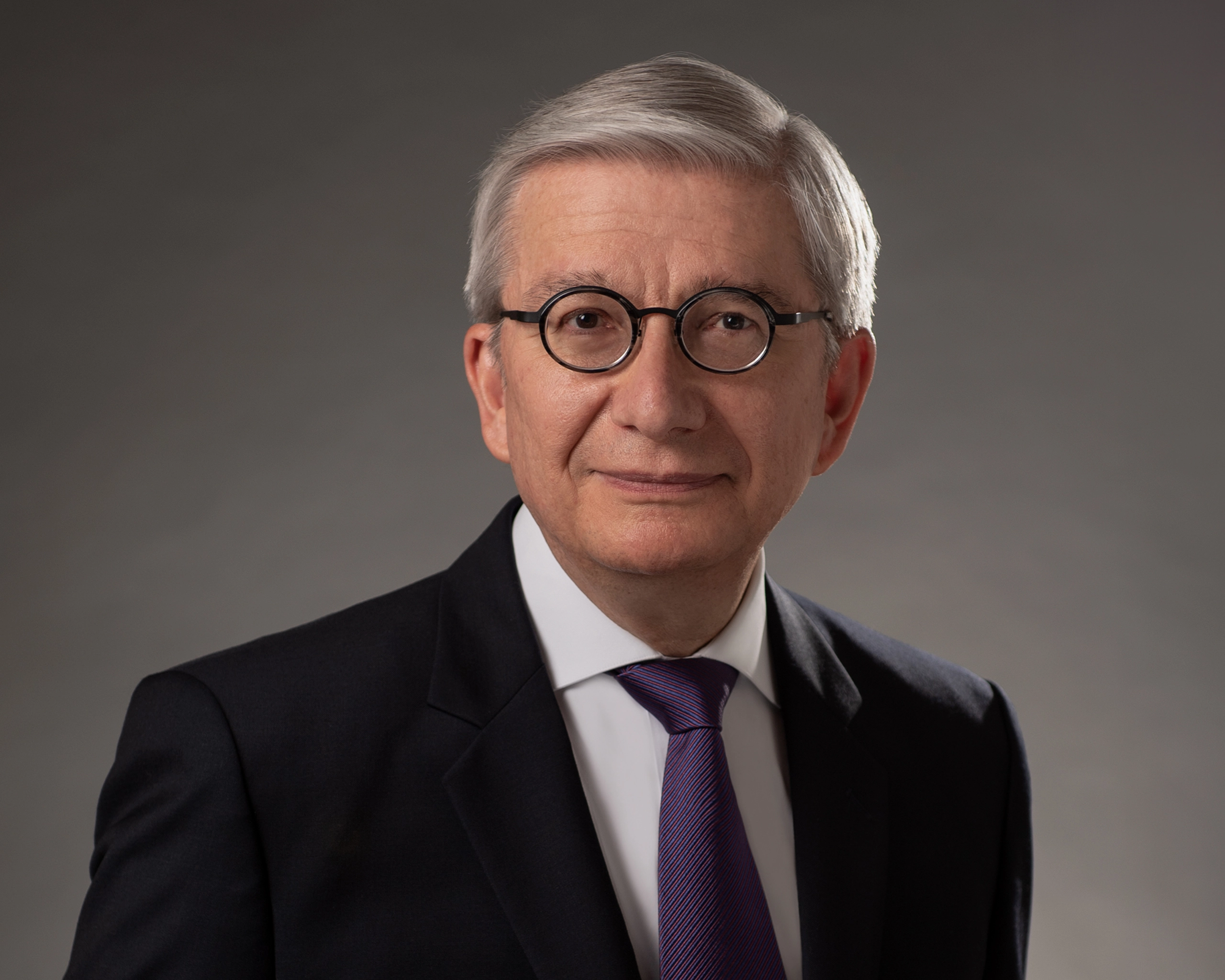
Eugene Czolij has been listed in “The Best Lawyers” in Canada for the 15th consecutive year.
Eugene Czolij, a Canadian lawyer and community leader based in Montreal, is a frequent commentator and contributor to the Kyiv Post.
He has been selected by his peers for inclusion in the 20th edition of The Best Lawyers in Canada 2026 for his work in Corporate and Commercial Litigation.
The two leading organizations in the field of drone technology — Dronarium Academy and Gnizdo Ltd — announced the creation of the joint company Ptaki Dronarium (dronariumbirds.pl).
Dronarium Academy and Gnizdo Ltd are opening a joint project, Ptaki Dronarium, in Poland — training centers that will prepare operators for all classes of unmanned systems.
The two leading organizations in the field of drone technology — Dronarium Academy and Gnizdo Ltd — announced the creation of the joint company Ptaki Dronarium (dronariumbirds.pl).
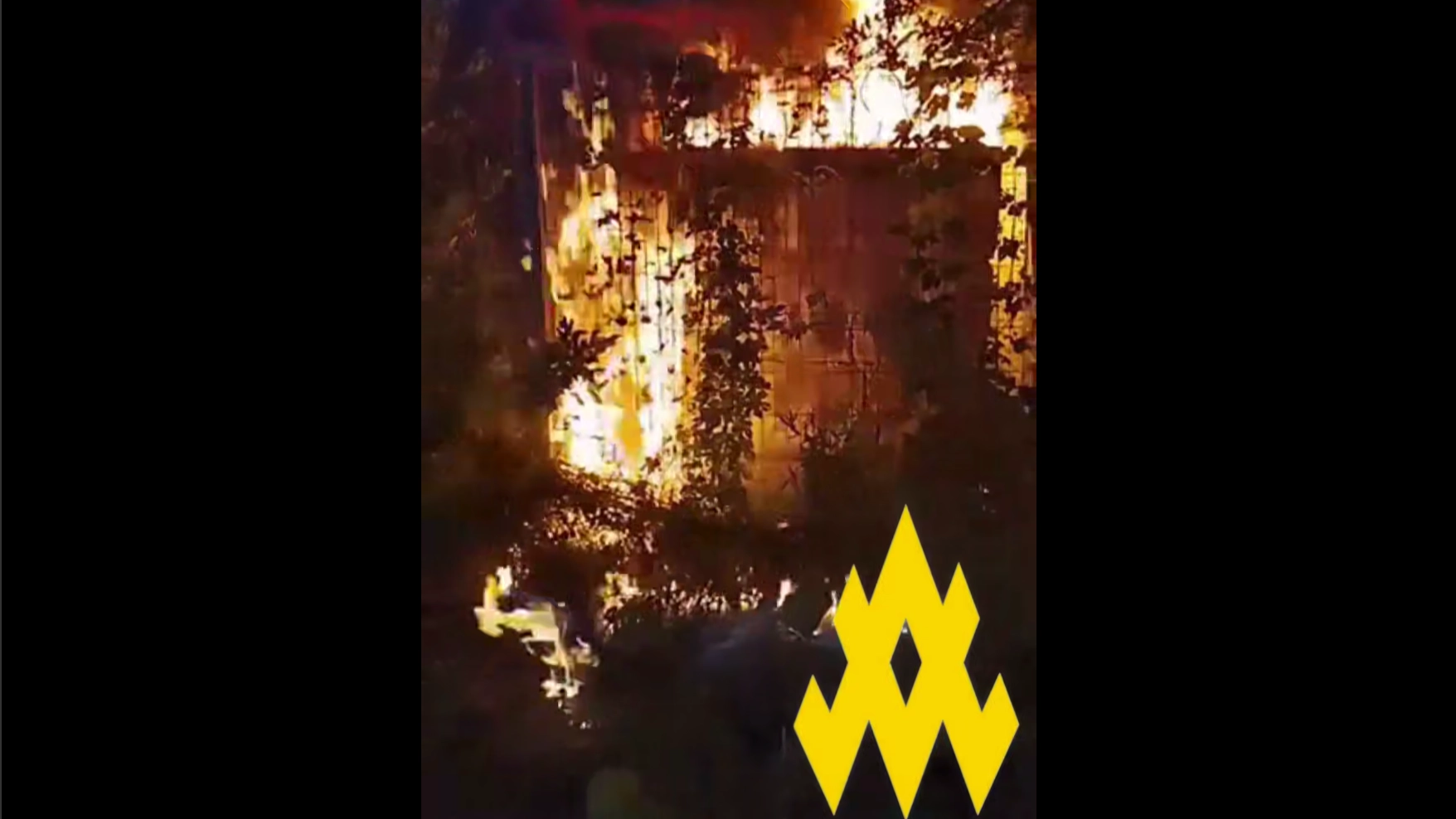
Atesh movement says it destroyed a communications tower at the Shcheglovsky Val plant in Tula, where Russia produces Pantsir-S air defense systems, and prototypes of next-generation armored vehicles.
Agents of the Atesh guerrilla movement carried out a sabotage operation in Tula, destroying a communications tower near the Shcheglovsky Val JSC plant, a major hub of Russia’s military-industrial complex.
The plant manufactures Pantsir-S surface-to-air missile systems, develops guided weapons, and produces rapid-fire guns and small arms.
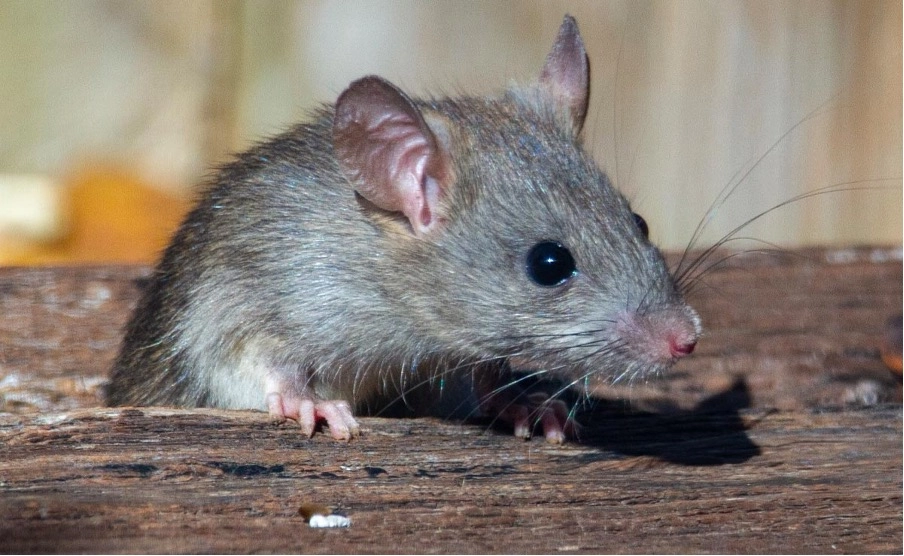
Troops from a self-titled Chechen special forces unit are falling sick with hantavirus, a rodent-borne disease, that has previously hit Russian trenches during the war in Ukraine.
At least three members of the Akhmat Battalion, the self-declared Chechen special forces unit serving with Russia’s armed forces, notorious for its social media combat enactments rather than its actual battlefield achievements, are suffering from hantavirus, according to The Telegraph.
The disease, commonly called “mouse fever,” is spread by contact with infected rodent urine, droppings, or saliva. Infestation by rats and mice is endemic in the trenches and defensive positions on Ukraine’s battlefields.
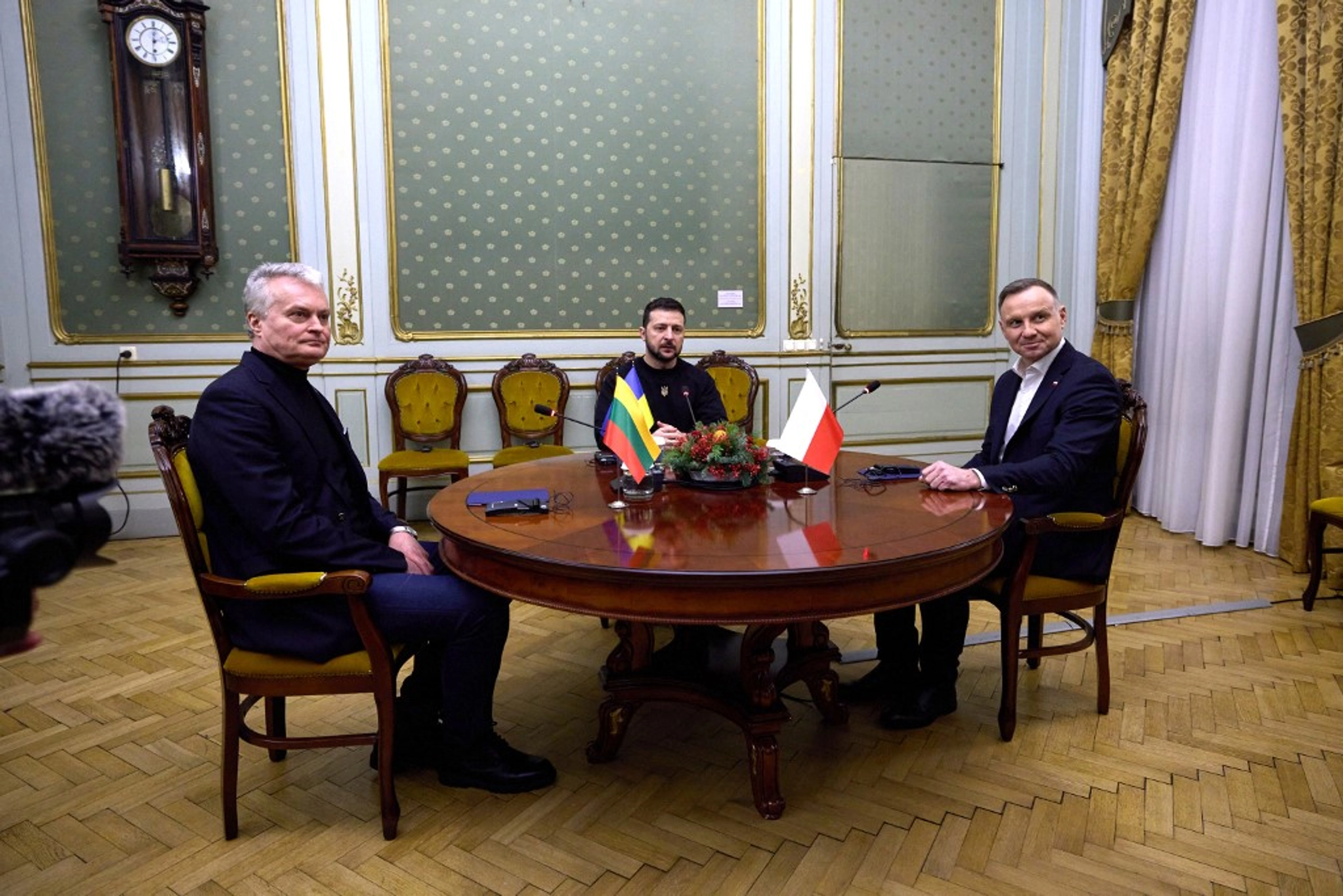
Lithuania, Poland, and Ukraine condemn Russian drone incursion into Poland, call for joint air defense, intelligence sharing, and stronger NATO and EU support to counter Russian threats.
Kyiv Post was provided with the Draft Joint Statement of the Foreign Ministers of Lithuania, Poland, and Ukraine (the Lublin Triangle). You can read it below:
We, the Foreign Ministers of Lithuania, Poland and Ukraine – the Lublin Triangle, strongly condemn the recent intrusion of Russian drones into Polish territory. This was a deliberate and coordinated strike constituting an unprecedented provocation and escalation of tension.
Russia’s actions and Belarusian acquiescence to the use of its airspace pose a direct threat to the security of all nations in the region. Only joint coordinated responses can guarantee the safety of our citizens. We note and appreciate Ukraine’s readiness to share all available intelligence and operational data with Poland, Lithuania and other partners in building an effective system of early warning and defence against Russian missile and drone attacks.

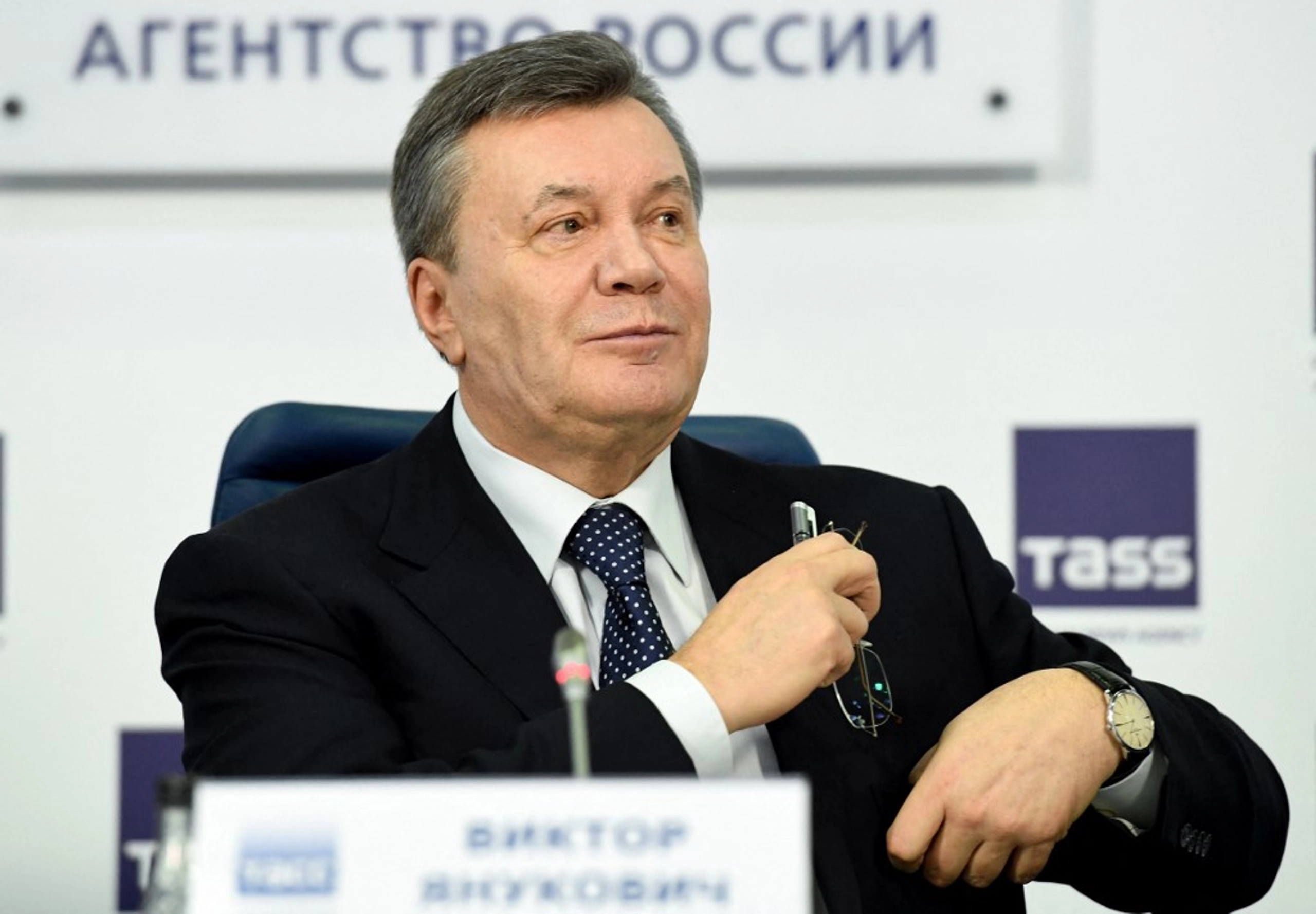
EU court rejected fugitive ex-president Yanukovych’s appeal, ruling his actions destabilized Ukraine and upholding sanctions first imposed in 2014 and expanded in 2022.
Fugitive former Ukrainian President Viktor Yanukovych has definitively lost his legal bid to overturn European Union sanctions, the EU’s General Court ruled on Sept. 10.
In its 18-page ruling judges rejected Yanukovych’s appeal, saying his actions in office “contributed to the destabilization of the country,” and justified his inclusion on the sanctions list.
Here’s everything we know so far about the shooting of Charlie Kirk, a pro-Trump activist known for opposing US support for Ukraine and saying Crimea should belong to Russia.
Charlie Kirk, a prominent US right-wing activist and close ally of President Donald Trump, who repeatedly urged Washington to end military and financial support for Ukraine, was shot and killed Wednesday, Sept. 10, during a student event at Utah Valley University. He was 31.
The shooting occurred during a debate-style appearance on campus. Video from the event showed Kirk speaking on stage when shots were fired. The university said he was the only victim. Kirk was rushed from the scene with his security detail and later died at a hospital. The campus was evacuated shortly after the attack.

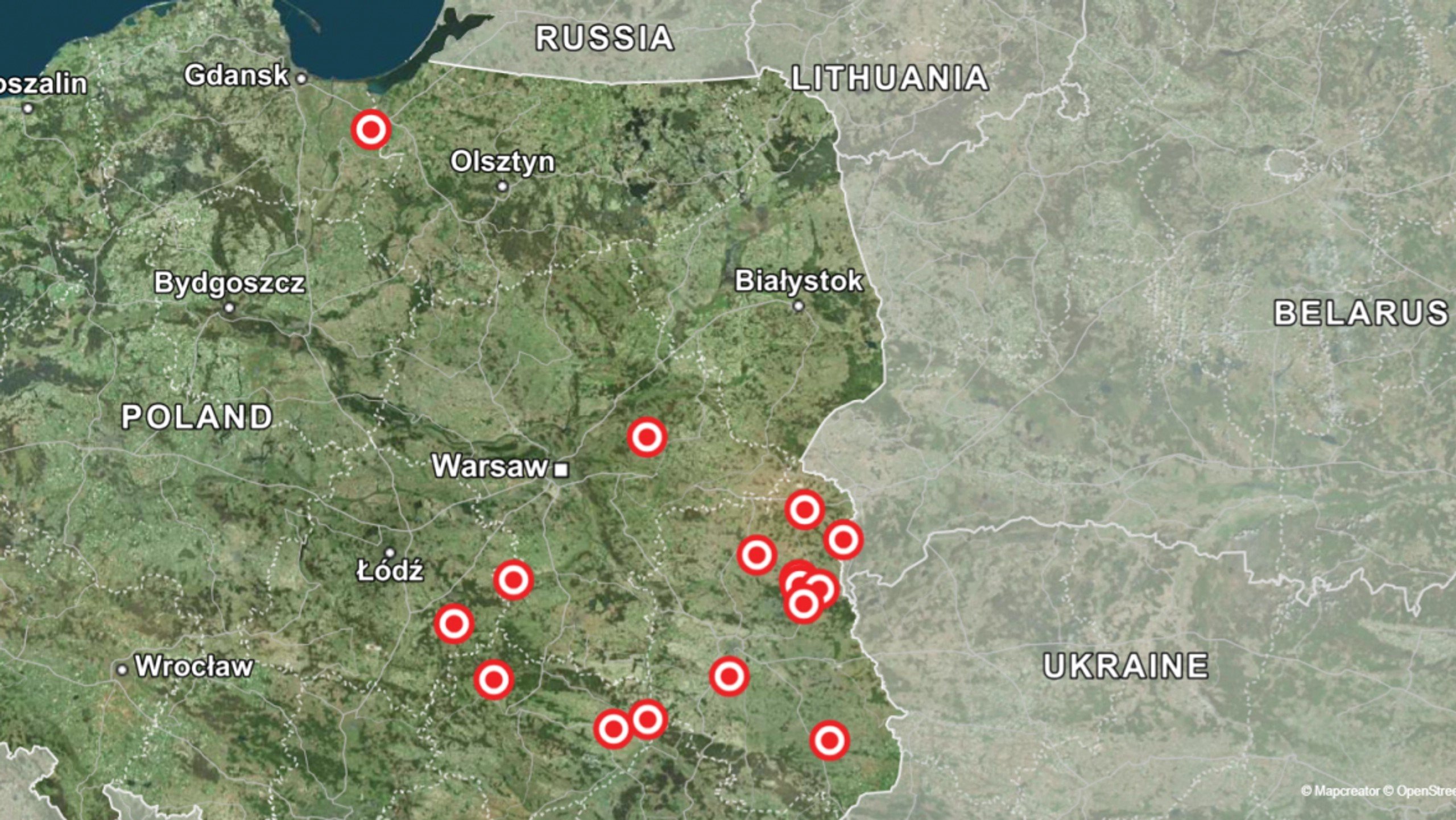
By Wednesday evening, police and emergency services had confirmed the discovery of debris from 16 drones and the remains of a missile in several regions of the country.
Polish authorities said they have located debris from 16 Russian drones and part of a missile after reporting 19 airspace violations overnight. Poland’s military called it an “act of aggression.”
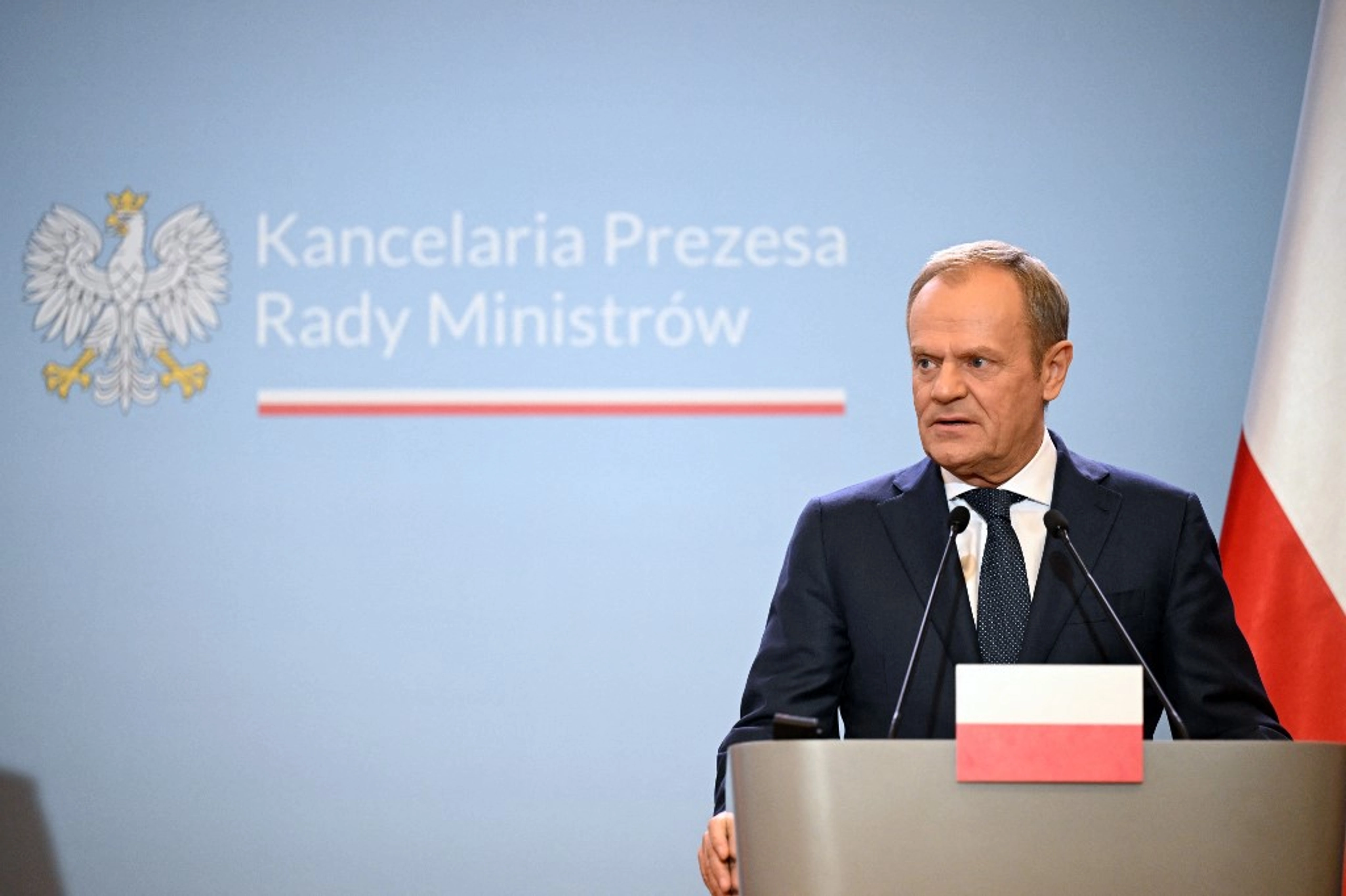
Prime Minister Donald Tusk told parliament in an emergency sitting on Wednesday morning that at least three drones posing a direct threat were shot down by Polish and allied fighter aircraft, adding that the final interception took place at 6:45 a.m. He cautioned that figures could change as investigations continue.
The drone targeted the vessel’s bridge, destroying its navigation and communications systems and knocking out its electronic surveillance equipment.
Ukraine’s Military Intelligence (HUR) said Thursday its special forces struck and disabled a high-value Russian Black Sea Fleet vessel near Novorossiysk in a drone attack.
The agency said the Sept. 10 strike hit a Project MPSV07 multipurpose support ship, one of only four in Russia’s fleet. Commissioned in 2015, the ship is worth an estimated $60 million.
Volodymyr Tymoshchuk, 28, is accused of helping deploy the “Lockergoga” ransomware that disrupted hundreds of companies and forced ransom payments.
A Ukrainian man accused of leading a cybercrime network that caused billions of dollars in damages was placed on the EU’s most wanted list on Wednesday, police agency Europol said.
Volodymyr Tymoshchuk, 28, is accused of helping deploy the “Lockergoga” ransomware that disrupted hundreds of companies and forced ransom payments.
Tens of thousands of NATO troops are already running drills and firing on ranges in an even bigger exercise in Poland – but they’re not practicing nuclear war.
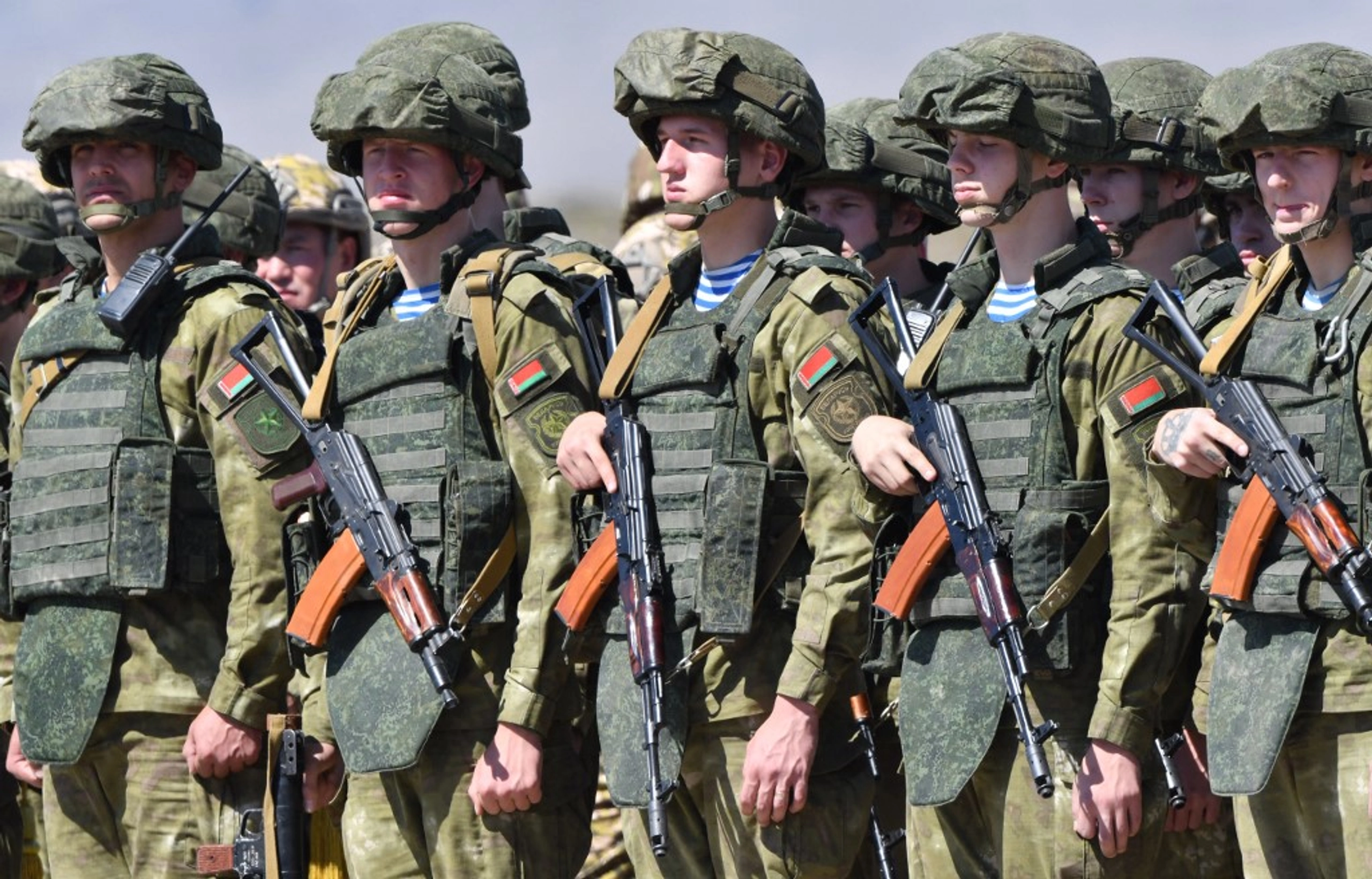
Kremlin kamikaze drones violated Polish air space 48 hours before the scheduled start of a provocative Russo-Belarusian military exercise that will practice firing nuclear weapon-tipped medium-range ballistic missiles from Belarus launch sites at targets in Europe.
Most troops deploying for the exercise, called Zapad-2025, will simulate attacking with and defending against nuclear weapons in military training areas into central or north-western Belarus, or in the Russian enclave Kaliningrad. Smaller contingents in Russia’s Moscow and Leningrad military districts, the Arctic region, and the Baltic and Barents Seas also will participate, Kremlin statements have said.

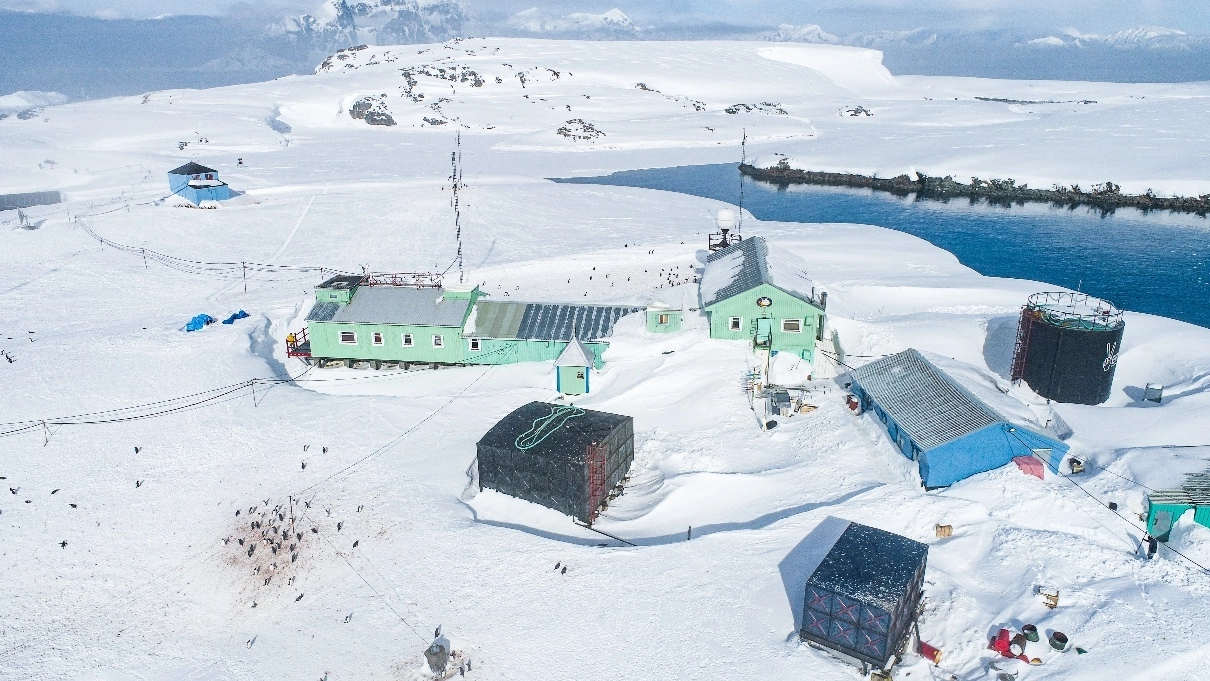
Thirty years ago, Ukraine took ownership of the former British Faraday Station (now Vernadsky) in Antarctica. Charles Cockell looks at the fascinating history of Ukraine on the White Continent.
On his last expedition to Antarctica, a journey of tragedy that would define the sacrifices of the so-called “Heroic Age of Polar Exploration,” Captain Robert Falcon Scott had nothing but warm words for the man who labored in the freezing antipodes to maintain the welfare of the ponies, animals crucial to the success of his plan to be the first person to reach the Geographic South Pole.
That man was Anton Omelchenko, born in 1883 in the village of Batky, Poltava. The seventh child of a farmer, Anton’s prospects would not normally have been excellent. However, after landing himself a job on a local estate looking after the horses, he soon turned himself into a formidable jockey, his short stature proving perfect for the job. The new aristocratic owner of the estate took the young horseman into his tutelage and Anton joined him on far-flung travels.

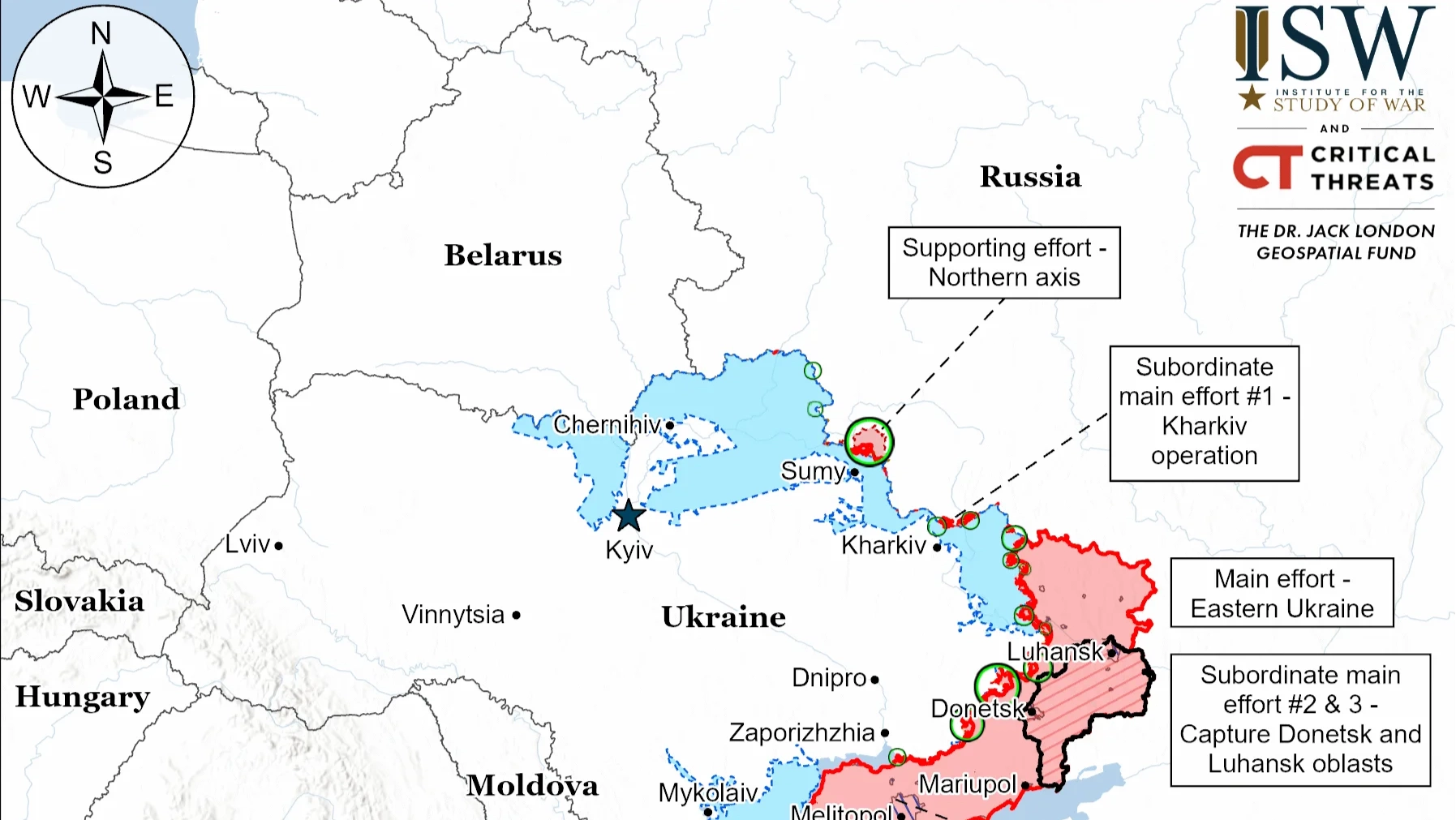
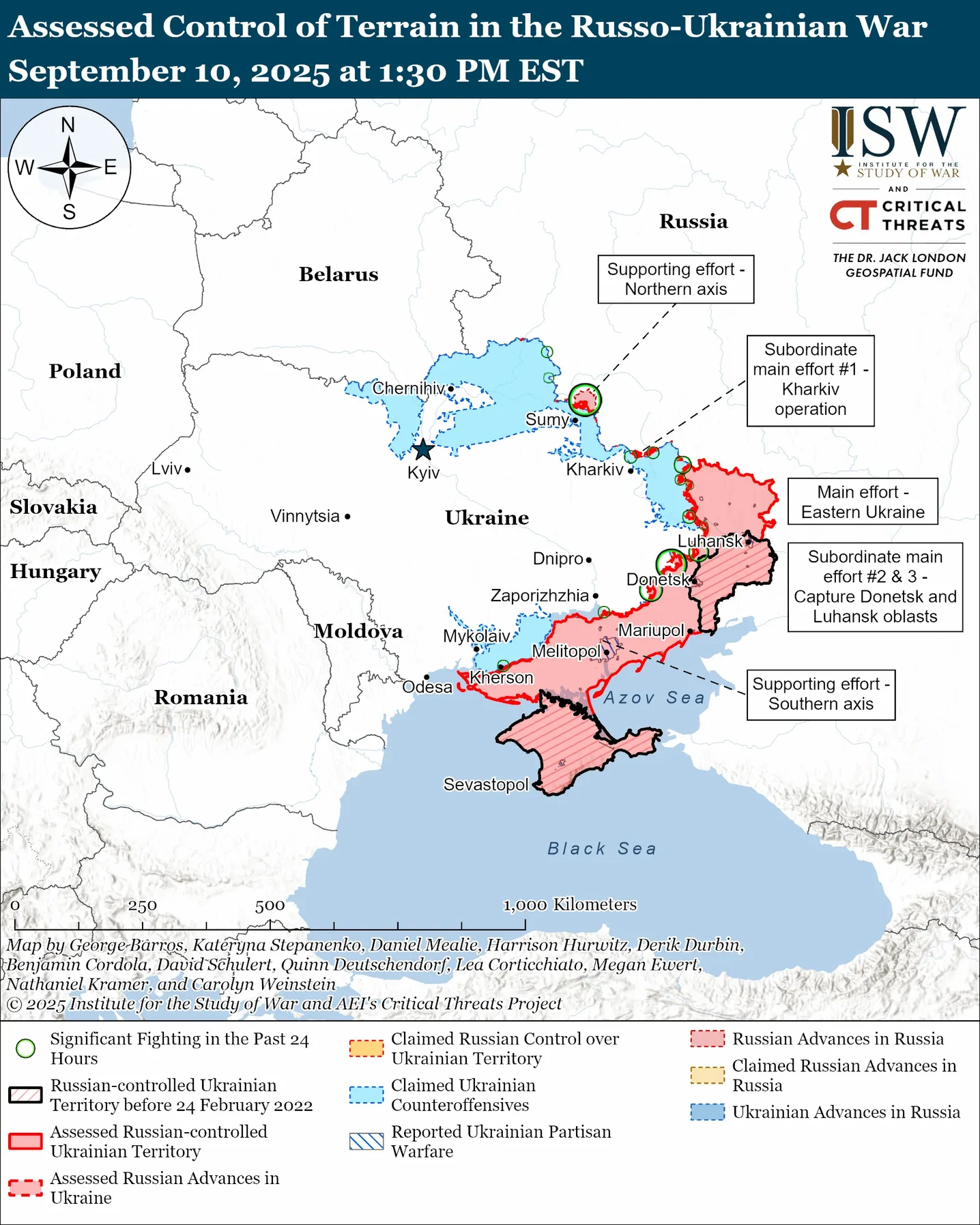
Latest from the Institute for the Study of War.
Key Takeaways from the ISW:

Trump’s special envoy to Kyiv was traveling to Warsaw as Russian drones were shot down over Poland, as NATO leaders insist that they will not abide this aggression.
US President Donald Trump’s special envoy for Ukraine, retired General Keith Kellogg, is traveling to Poland this week and then will continue on to Ukraine, as Russian drones drifted westward on Wednesday into NATO territory.
“Gen. Keith Kellogg, Trump’s Special Envoy for Ukraine, was en route to Poland when the Russian drone incursion occurred,” an official told CNN. Another source noted that Kellogg is expected to visit Ukraine in the coming days.
The violation of Polish airspace by Russian drones forces US, NATO allies to act, sparking a fierce partisan debate in Washington over Trump’s foreign policy.
US President Donald Trump is facing intense scrutiny following a Russian drone incursion into Polish airspace, an event that has been described as a deliberate test of the NATO alliance.
The incident, which saw Polish forces, supported by other NATO allies, shoot down at least 15 Russian drones, prompted Poland to invoke Article 4 of the NATO treaty, a move that signals a serious threat to a member’s security.
From the vulnerability of a Ukrainian warship to a logistical hub in Poland, Moscow’s escalations are a chilling warning for the West, experts argue.
An audacious Russian naval drone strike in the Danube Delta and a subsequent large-scale drone incursion into Polish airspace have sent shockwaves through NATO and the EU, revealing a new and alarming level of sophistication in Moscow’s asymmetric warfare capabilities.
These aren’t isolated incidents; they are a calculated series of escalations that, according to Western experts, are a deliberate “test of the solidarity of the NATO alliance” and a strategic message that could reshape naval warfare and threaten critical infrastructure across Europe.