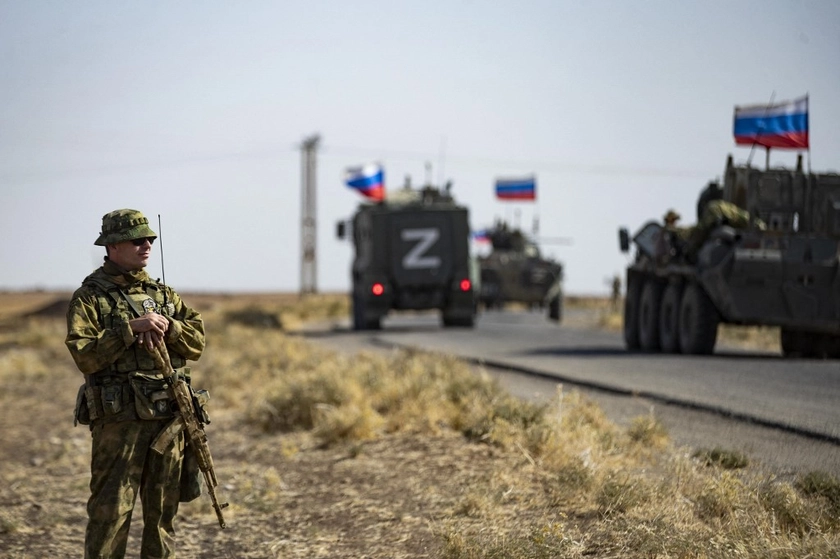
At least three members of the Akhmat Battalion, the self-declared Chechen special forces unit serving with Russia’s armed forces, notorious for its social media combat enactments rather than its actual battlefield achievements, are suffering from hantavirus, according to The Telegraph.
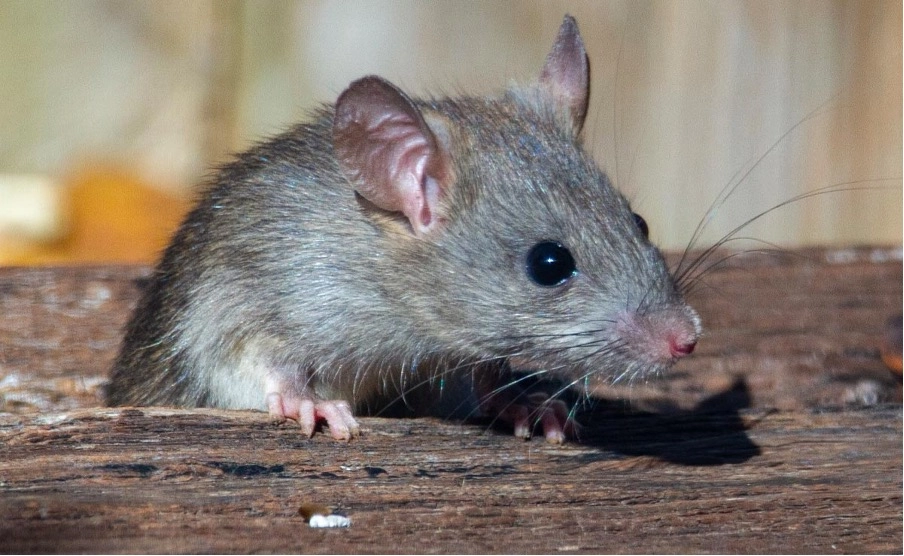
The disease, commonly called “mouse fever,” is spread by contact with infected rodent urine, droppings, or saliva. Infestation by rats and mice is endemic in the trenches and defensive positions on Ukraine’s battlefields.
JOIN US ON TELEGRAM
Follow our coverage of the war on the @Kyivpost_official.
A Russian Telegram channel citing a medic serving with the Chechens, using the callsign Shama, who confirmed that three of her comrades were suffering from the illness said, “Mice are everywhere. We wake up because they run across us. We even wrestle over cans of condensed milk.”
It remains unclear how far the infection has spread within the unit, currently stationed near Zaporizhzhia in southeastern Ukraine. A major outbreak of the disease was reported at the end of 2023 on the Kupyansk front line in the Kharkiv region which was said to have negatively impacted the combat effectiveness of Russian troops at the time.
The most serious form of hantavirus is known as Hemorrhagic Fever with Renal Syndrome (HFRS). It manifests initially with flu-like symptoms before developing into high fever and abdominal pain. In severe cases, it can result in dangerously low blood pressure, bleeding from the eyes, and ultimately kidney failure – at that stage more than a third of cases are fatal.

Kremlin to Review Viral Video Alleging Army Abuses
There are currently no readily available treatments for the virus.
The Telegraph cites the health company Airfinity, a specialist infectious disease tracking agency, which said that the outbreaks within Russian units “underscore the health risks posed by poor living conditions and uncontrolled rodent populations at the front lines.”
It added that the three confirmed cases may represent the shortage of medical support and subsequent under reporting of the infections, adding, “movement among units mean more cases could be undetected, heightening potential for wider transmission and operational disruption.”
You can also highlight the text and press Ctrl + Enter