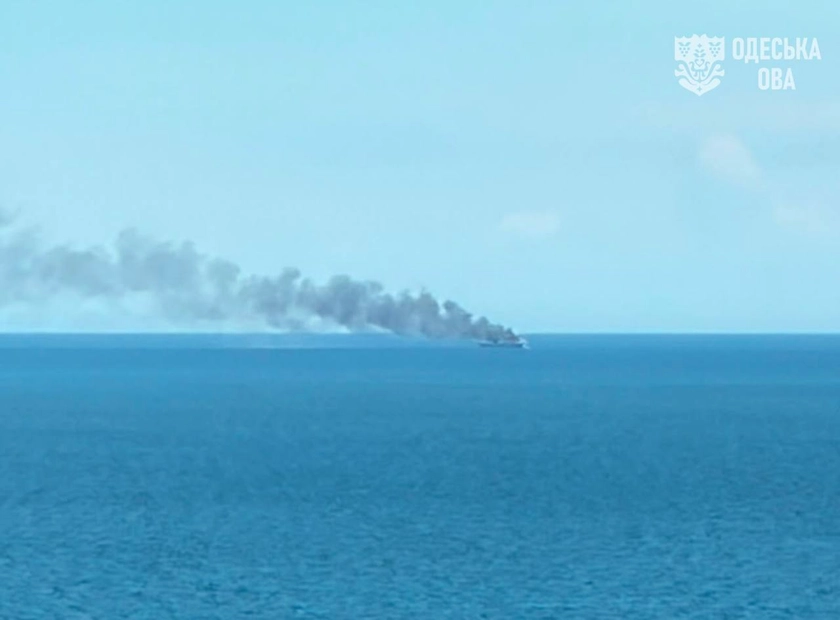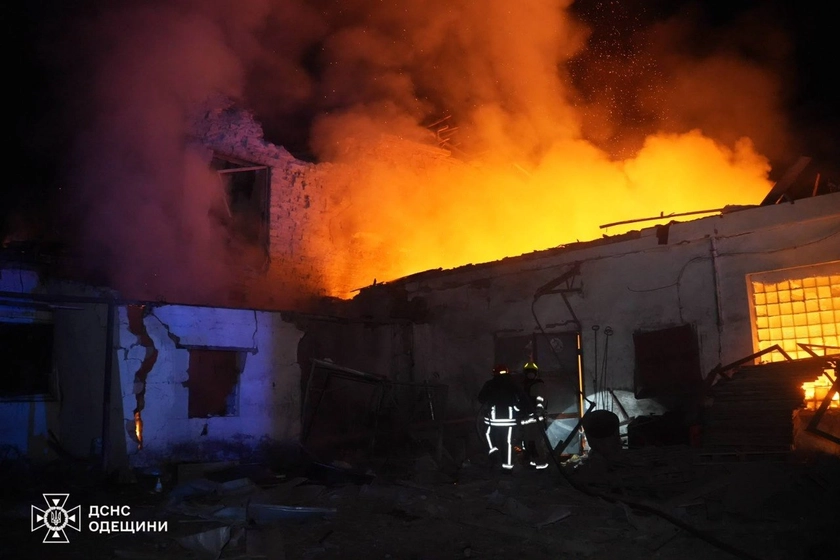
Ukraine’s expanding maritime drone campaign struck another 11 Russian vessels in the Sea of Azov overnight Tuesday, signaling a broader effort to paralyze Moscow’s maritime logistics, restrict military supplies to occupied Crimea and disrupt Russian oil exports.
Robert Brovdi, commander of Ukraine’s Unmanned Systems Forces and widely known by his callsign “Madyar,” reported that the latest targets included five tankers, five cargo vessels and one tugboat.
JOIN US ON TELEGRAM
Follow our coverage of the war on the @Kyivpost_official.
According to Brovdi, Ukrainian forces have targeted 116 vessels during 9 days of operations.
Dismantling the myth of Russia’s “internal sea”
The campaign directly challenges one of Vladimir Putin’s central claims following Russia’s occupation of southern Ukraine – that the Sea of Azov had effectively become an uncontested Russian “internal sea.”
Moscow presented control of the waterway as a permanent geopolitical achievement. Russia occupied Ukrainian ports, restricted international navigation and used the sea to transport fuel, military cargo and other commodities with little fear of interference.
That assumption is now being dismantled.
“The Sea of Azov was Russia’s second great trophy after Crimea,” Ukrainian journalist and military blogger Dmytro Karpenko, known online as “Apostle,” observed, arguing that Ukraine’s Defense Forces are now systematically destroying the Kremlin’s illusion of complete control.
Trump Says Russia Sanctions Bill Has ‘Good Chance’ of Passing in Graham’s Honor
Traffic collapses near Kerch
The effects are increasingly visible in regional shipping patterns.
Satellite imagery reviewed by Reuters showed more than 40 vessels waiting near the Kerch Strait in early June. After Ukrainian attacks intensified, only a handful remained visible.
The Kerch Strait is the Sea of Azov’s only maritime outlet into the Black Sea.
To the northeast, the Don-Azov shipping channel connects the sea with the Don River and Russia’s inland waterway network. Together, the two narrow gateways form the basic structure of the route: vessels enter through the Don, cross the Sea of Azov and leave through Kerch.
Disrupt one chokepoint and maritime traffic slows. Disrupt both and the entire system begins to seize up.
Russia temporarily suspended passage through the Don-Azov channel following Ukrainian strikes, according to shipping and grain industry sources. Movement through the Kerch Strait was also heavily restricted.
For a state that claimed undisputed control over the region, closing its own waterways amounts to an admission that it can no longer guarantee safe navigation.
Cutting fuel routes into Crimea
The campaign also targets one of Russia’s most important military supply networks.
Occupied Crimea remains a major logistical hub for Russian forces operating in the Zaporizhzhia and Kherson regions. Fuel, ammunition and equipment move through the peninsula by road, railway and sea.
The campaign is intended to restrict fuel deliveries to Russian forces and occupied Crimea while alternative land routes remain exposed to Ukrainian strikes.
Continued pressure on the Kerch Strait and maritime routes further isolate the peninsula.
Physical enforcement of “long-range sanctions”
The Sea of Azov campaign extends beyond immediate battlefield logistics.
Russia relies on a broad network of tankers, intermediaries, shell companies, reflagged vessels and opaque ownership structures to continue exporting oil while circumventing Western sanctions and price restrictions.
The ocean-going tankers associated with this so-called shadow fleet generally cannot navigate the shallow waters of the Sea of Azov.
Smaller tankers must first transport petroleum products from Russian inland and Azov ports to transfer points in the deeper Black Sea.
Ukraine is now attacking that first link.
If the smaller tankers cannot deliver their cargo, the shadow fleet has nothing to export.
The strategy functions as a form of physical sanctions enforcement. Western governments can blacklist vessels, companies and ports on paper. Ukrainian drones can make the transportation route itself unusable.
President Volodymyr Zelensky has previously described attacks against Russia’s oil and transport infrastructure as “long-range sanctions” – military pressure intended to reduce the revenues Moscow uses to finance its invasion.
Russia’s rear is disappearing
The Sea of Azov campaign reflects a broader transformation of the war.
Russia once treated its refineries, ports, waterways and military infrastructure behind the front as relatively secure.
Ukrainian strikes now reach oil depots, refineries, railways, ports and military facilities hundreds or even thousands of kilometers from the battlefield.
Moscow continues to boast of possessing some of the world’s most advanced air-defense systems. Yet Russian authorities increasingly report damaged tankers, burning fuel depots, disrupted ports and suspended transportation routes.
The contrast with Kremlin propaganda is stark.
A country that built its economy around oil revenues is facing fuel shortages and attacks on its petroleum infrastructure.
A state that portrayed itself as a maritime power is restricting navigation through waterways it claimed to control.
A Kremlin that insists sanctions have only strengthened Russia’s economy is now scrambling for new routes to preserve its oil revenues and sustain its military lifelines.
You can also highlight the text and press Ctrl + Enter

OPINION: The Bill for Crimea Comes Due for Putin
‘Shadow Fleet Is Leaving the Chat’: Ukraine Hits 10 Russian Fuel Tankers in One Day