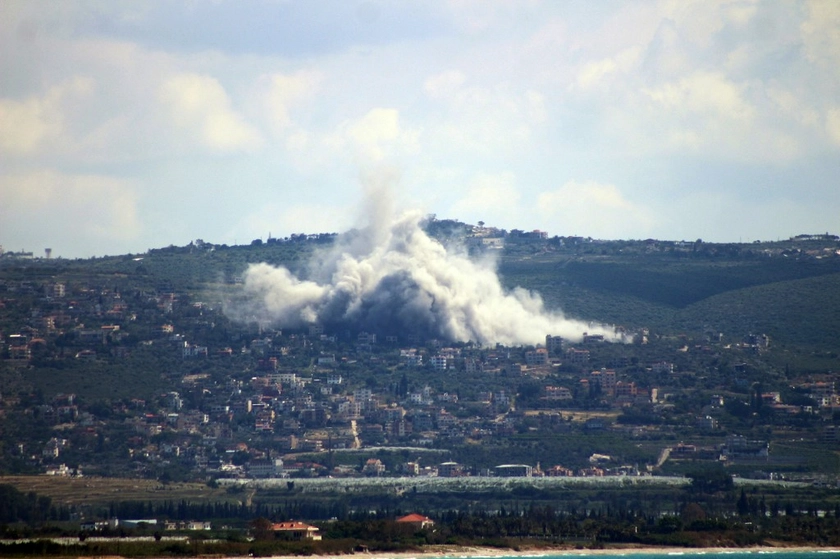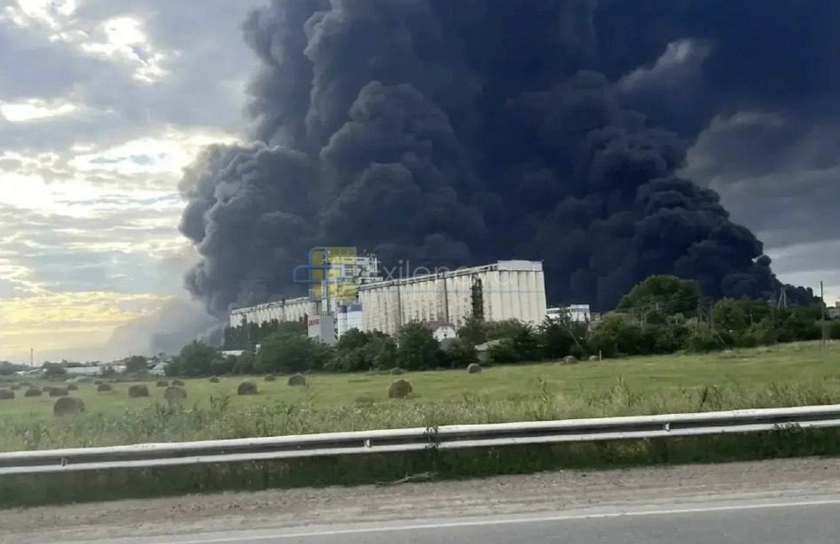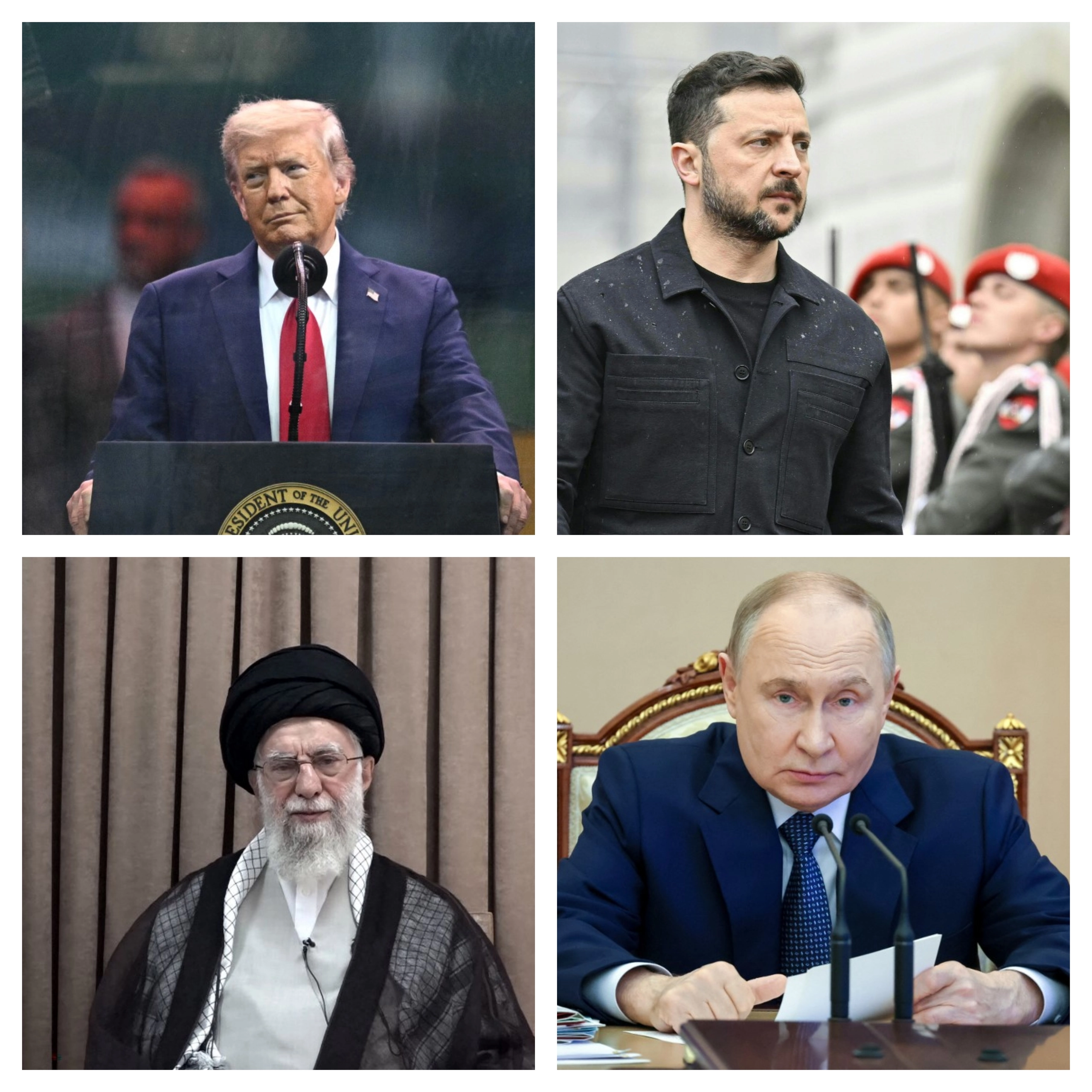
As American missiles rained down on Iranian nuclear infrastructure, possibly igniting a dangerous new chapter in the ongoing Middle Eastern conflict, the global ramifications extend well beyond Tehran.
In the Kremlin, Russian President Vladimir Putin looks on with more than a little interest – and perhaps hope. A major war between Israel and Iran could grant him a strategic reprieve: surging oil prices to refill depleted war coffers, a reduction in a distracted West’s capacity to aid Ukraine, and new arms markets opening amid regional instability.
JOIN US ON TELEGRAM
Follow our coverage of the war on the @Kyivpost_official.
At a time when Russia faces economic fatigue, battlefield attrition, and the long grind of a war it cannot conclusively win, events in the Gulf may offer Putin not just a moment of opportunity – but a lifeline.
Ukraine in the shadow of a new war
In early June, reports emerged that more than 20,000 US missiles originally designated for Ukraine had been redirected to US troops in the Middle East. The move was more than logistical – it marked a profound strategic shift already underway in Washington: from containing Russian expansion in Europe, to confronting Iranian-sponsored aggression in the Middle East.
The Trump administration’s recent decisions underscored that realignment. A proposed 500% tariff on third-party nations trading with Russia was abruptly shelved, even as new sanctions against Iran were accelerated.
For Trump, the calculation appears transactional. He believes Vladimir Putin holds leverage over Tehran and may serve as a key player in defusing the crisis. In this emerging calculus, the Kremlin is no longer treated as the aggressor in Ukraine – but as a potential partner in the Gulf.
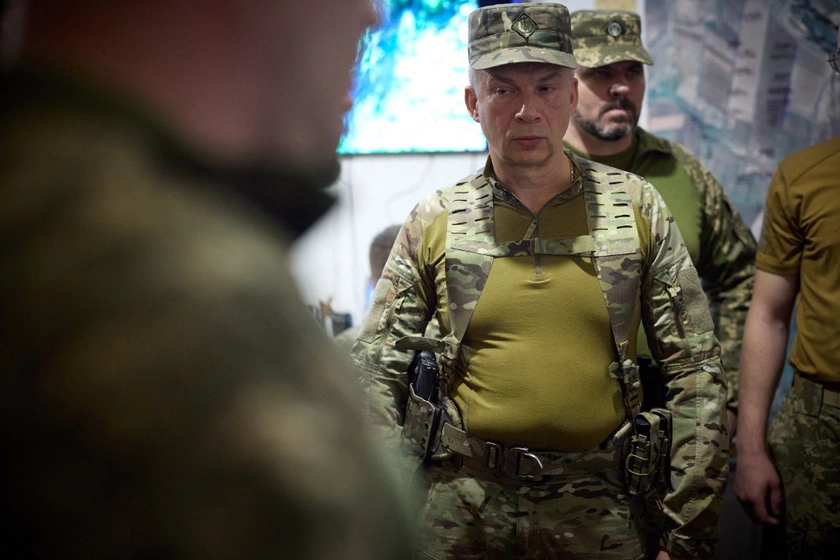
Ukraine’s General Syrsky: AFU Is Making Fair Progress vs Russia But No Victory Soon
The consequences of this pivot are already being felt. Peace negotiations between Kyiv and Moscow, once informally shepherded by Trump team member Steve Witkoff, have stalled. Witkoff has now been redirected by Trump to serve as US Special Envoy to the Middle East, effectively abandoning the Ukrainian track.Meanwhile, prominent voices within the administration, like Senator Marco Rubio, have begun framing America’s global role in narrower terms, with Rubio recently declaring that the US “can no longer be the solver of the world’s problems.”In practice, this new posture translates into a muted Western response to fresh Russian war crimes, diminished diplomatic pressure on the Kremlin, and a dangerous erosion of Ukraine’s strategic visibility.
While peace negotiations remain nominally active, Putin used his platform at the St. Petersburg International Economic Forum to double down on his imperial narrative – reaffirming that the entirety of Ukraine, in his view, constitutes “historically Russian land.” Almost simultaneously, the Kremlin intensified its aerial onslaught. Ukrainian officials reported an unprecedented surge in drone and missile strikes, with up to 500 weapons launched in a single night.
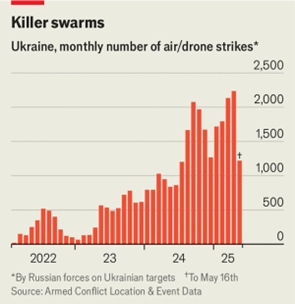
The reaction from Washington? Silence. Trump’s team, consumed with the prospect of deploying troops to the Gulf, appears unwilling – or unable – to respond.
An energy crisis that pays for war
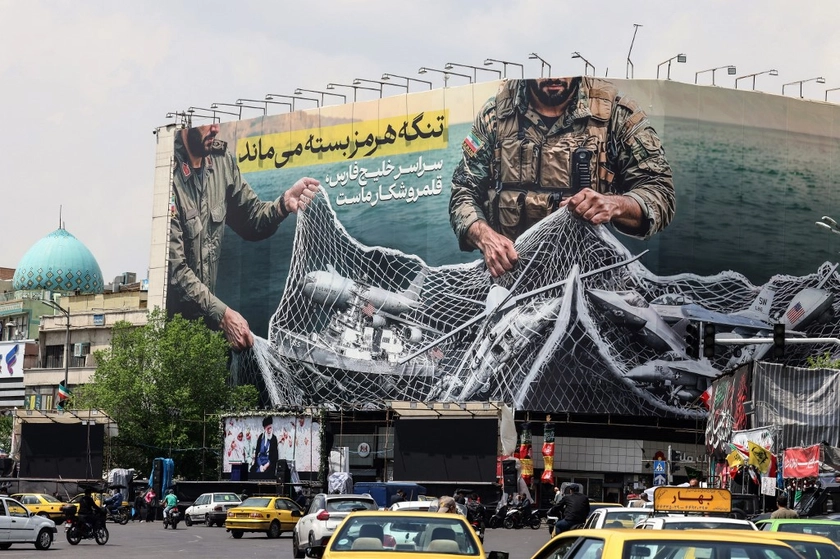
Since Israel struck Iran’s nuclear facilities, the European Union has paused discussions on lowering the price cap on Russian oil, fearing a potential energy crisis.This concern is not unfounded, as Brent crude briefly surged above $80 per barrel following the Israeli strikes. Now, with Iran threatening to close the Strait of Hormuz – a chokepoint for nearly 20% of the world’s oil shipments – banks like J.P. Morgan warn that prices could soar past $130 per barrel if the threat materializes.
The EU’s hesitation is not a technical delay; it reflects a harsh geopolitical reality: when energy security is under threat, even sanctioned barrels find new relevance. In a destabilized oil market, Russian crude becomes not only tolerated – but indispensable.
But the potential windfall for Moscow doesn’t end with energy – it is just one piece of the puzzle. Russia’s defense sector, already well-established, has long been assembling Iranian Shahed drones domestically, insulating Moscow from potential supply chain disruptions in the Gulf.
Moreover, if Iran, cut off from most Western weapons systems and desperately needing to replenish its stockpiles for combat, turns to Moscow to purchase drones, ballistic missiles, and air defense systems, the situation could shift further. Should the war in the Persian Gulf escalate, Russia’s war economy, currently stretched thin, could become flooded with demand, cash, and strategic leverage.
The military consequences
Over the past four years, Ukraine has relied on the United States not only for advanced weaponry but also for battlefield coordination.
American satellites tracked Russian troop movements. Pentagon analysts helped model offensive strategies. High-level intelligence sharing gave Kyiv a critical edge in anticipating and disrupting Russian operations.
That advantage is now visibly eroding.
The Pentagon has begun reviewing and delaying new aid packages for Ukraine, citing “global security demands” and “emerging threats in other theaters of conflict.” US congressmen are increasingly preoccupied with escalation in the Middle East, acknowledging a “limited bandwidth” for supporting two large-scale conflicts simultaneously.
However, the problem runs deeper than it appears. The supply of American weapons to Ukraine, once expedited under emergency protocols, is now in question, even for sales. Requests for long-range ATACMS missiles, Patriot air defense missiles, and F-16 fighters have quietly lost priority.
Meanwhile, Israel is receiving expedited shipments of Iron Dome interceptors, precision-guided bunker busters, and live satellite targeting data – aid that once defined the US–Ukraine partnership.The consequences are already playing out on the battlefield. Ukrainian commanders report mounting delays in the delivery of critical artillery shells and replacement parts for Western-supplied systems.
Ukrainian air defenses are struggling to counter the growing number of Russian strikes on critical infrastructure, residential areas, and Ukrainian business assets.
This undoubtedly impacts Ukraine’s ability to defend itself and deter Russia’s imperialist ambitions to seize significant parts of Eastern Europe.
One war ends when another begins
War cannot be paused. As the United States considers deploying its own forces to the Middle East to counter Iran and support Israel, the pause created in Ukraine is already being filled – with indifference, delay, and inaction.
For Putin, this may be more than just a lifeline. It is the culmination of a strategy rooted in opportunism and endurance. He knows the West cannot wage two wars simultaneously.
He knows American voters are tired, European leaders are divided, and public attention is fleeting.
A full-scale Israel–Iran conflict would do more than divert headlines. It could not only shatter the world’s focus on the war in Ukraine but also sever the last thread of the Western coalition’s resistance to Russia. Putin may gain something far greater than a lifeline for himself and Russia – he may get a second wind, for his imperialistic war, second chance to finish what he started.
The views expressed in this opinion article are the author’s and not necessarily those of Kyiv Post.
You can also highlight the text and press Ctrl + Enter