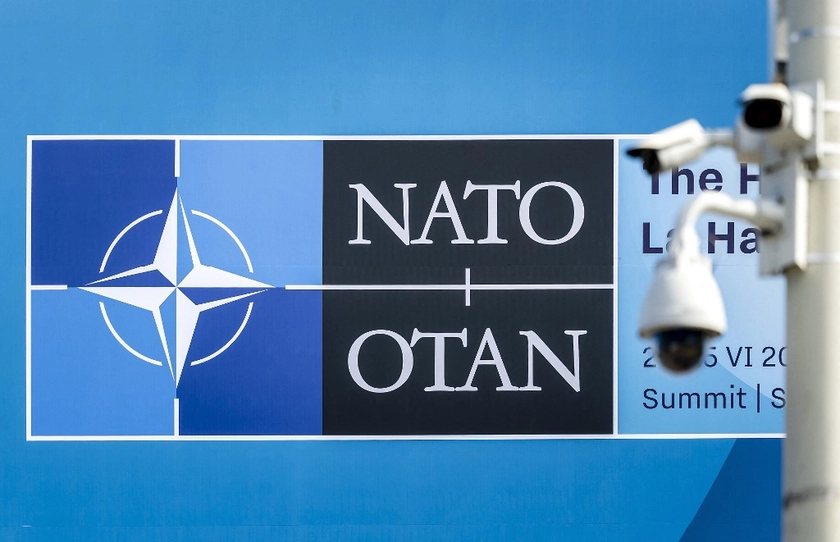
The forthcoming NATO summit in The Hague on June 24 and 25, followed by the European Council meeting from June 24 to June 27, will be more than routine diplomatic gatherings. Amid a shifting security landscape in Europe, evolving US commitments, and the ongoing war in Ukraine, these events could lead to consequential decisions.
In advance of these meetings, Crisis Group experts share their assessments.
JOIN US ON TELEGRAM
Follow our coverage of the war on the @Kyivpost_official.
Olga Oliker, Europe and Central Asia Program Director
What’s most interesting about the NATO summit may be things that aren’t said in public, but that everyone is thinking about. At the core of that is uncertainty about just how much US engagement the European allies can count on going forward. But whatever is promised at The Hague, prepare for more changes in the months and years to come.
The bottom line for European allies is that whether they’re trying to keep the US engaged or hedging against its withdrawal, the answer is to spend more on defense and plan to do more on their own. But the hard part isn’t agreeing to a percentage of GDP. The hard part will be defining, and then implementing, strategies that credibly deter Russia and assure allies regardless of what the US does.
When it comes to Ukraine, we know Russia will be watching this summit in hopes that Kyiv will be abandoned. The job of the NATO allies committed to backing Ukraine is to message that their support is not only unwavering credibly, it is adequate to keep Ukraine fighting, and hurting Russia, for a very long time, and that Moscow is therefore better off coming to the negotiating table ready to accept a capable and sovereign Ukraine with strong ties to its partners.
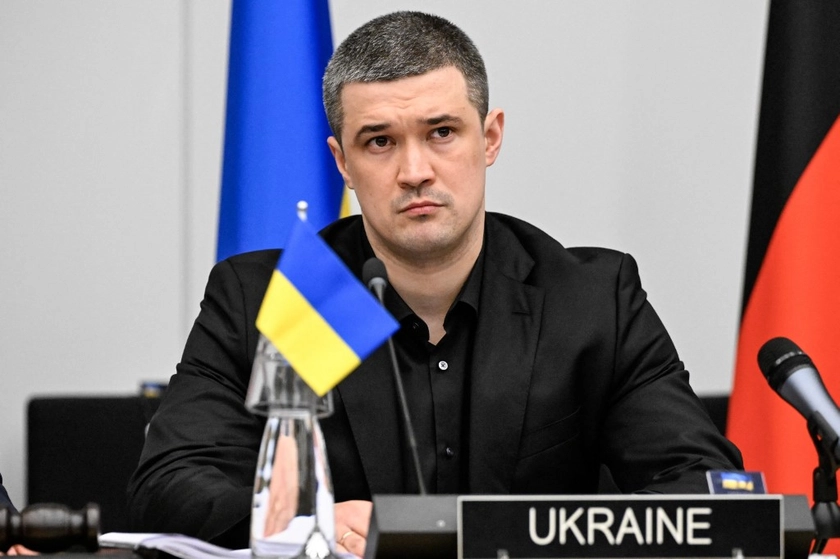
Ukraine Regained Battlefield Initiative but Needs More Aid to Keep It – Fedorov
Michael Hanna, US Program Director
The US’s NATO allies faced considerable uncertainty at the start of the Trump administration, and early signals were hardly reassuring. However, European allies have since been partially reassured that major ruptures are not on the cards.
This isn’t to suggest that major changes are not in the offing. Many in the Trump administration still hope to see a reduction of US troop levels in Europe, perhaps returning to 2014 levels, and Trump continues to ask US allies to do a lot more and on a faster basis. The administration is keen to emphasize that this is not a new message, and that it was taken up in earnest by President Obama and Defense Secretary Gates.
While this message on conventional capabilities will represent a source of potential ongoing friction, the message on strategic capabilities seems more straightforward, with no expectations of major changes on nuclear posture.
Marta Mucznik, Senior EU Analyst
The NATO summit will be all about Europe showing the US administration that it’s serious about boosting defense spending, with a new pledge to raise the target to 5% (3.5% for hard security and 1.5% for resilience) by around 2032. Their goal: to keep Washington engaged, Europeans resolute, and support for Ukraine afloat, even as Ukraine’s NATO membership remains off the table at this year’s Hague Summit.
However, disparities persist in how alliance members assume their responsibilities. Frontline states are ramping up fast – Poland is nearing 5%, and the Baltic countries are not far behind. The further west and south, the less immediate the threat feels, and it shows. Portugal, Spain, Italy, Luxembourg and Belgium, while staunch supporters of Ukraine, still haven’t hit the 2% threshold and may scramble to get there by the year’s end.
Agreeing to reach these targets will be an important milestone, but just as critical is the follow-up. Incremental increases and annual progress checks are essential to show that allies are truly putting their money where their mouth is. Equally important is ensuring that the money is spent wisely, addressing key capability gaps vital to protecting European security and sustaining Ukraine’s deterrence over the long haul.
Natalia Tuzovskaya is a senior communication and advocacy Officer for the Crisis Group’s Europe & Central Asia Program.
Crisis Group, an international conflict prevention organization, has offices in Bogotá, Brussels, Dakar, Istanbul, London, Nairobi, New York, Washington DC, and has a presence in more than 25 different locations in Africa, Asia, Europe, the Middle East and the Americas.
The views expressed in this opinion article are the author’s and not necessarily those of Kyiv Post.
You can also highlight the text and press Ctrl + Enter