JOIN US ON TELEGRAM
Follow our coverage of the war on the @Kyivpost_official.
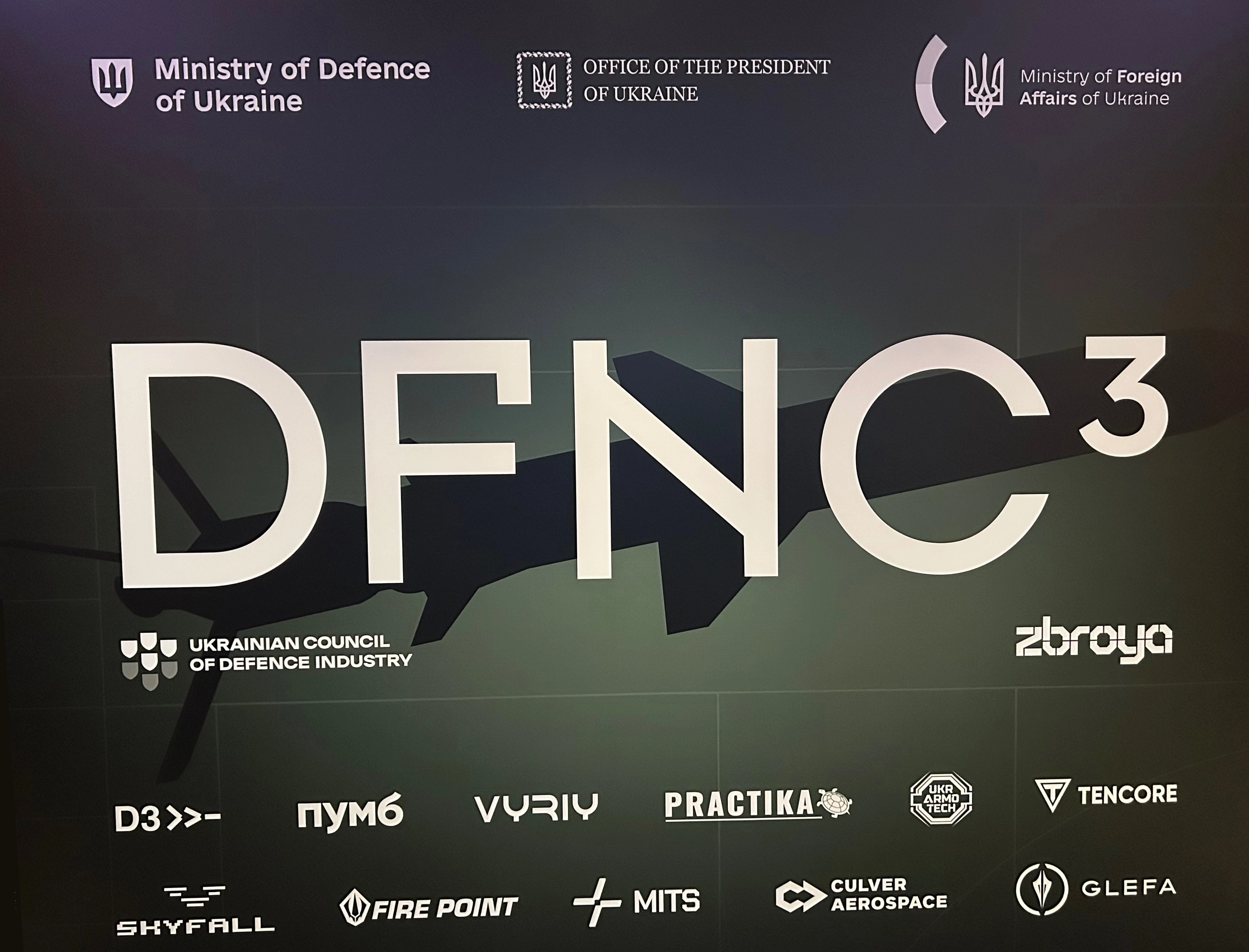
The third version of Ukraine’s International Defence Forum (DFNC3) was held in Kyiv from Oct. 5-8, with, according to the event’s website, more than 1,500 participants – including members of the Ukrainian and partner countries – from more than 800 defense companies representing 20 plus nations.
The timetable
The event covered four days:
Day 1, Oct. 5
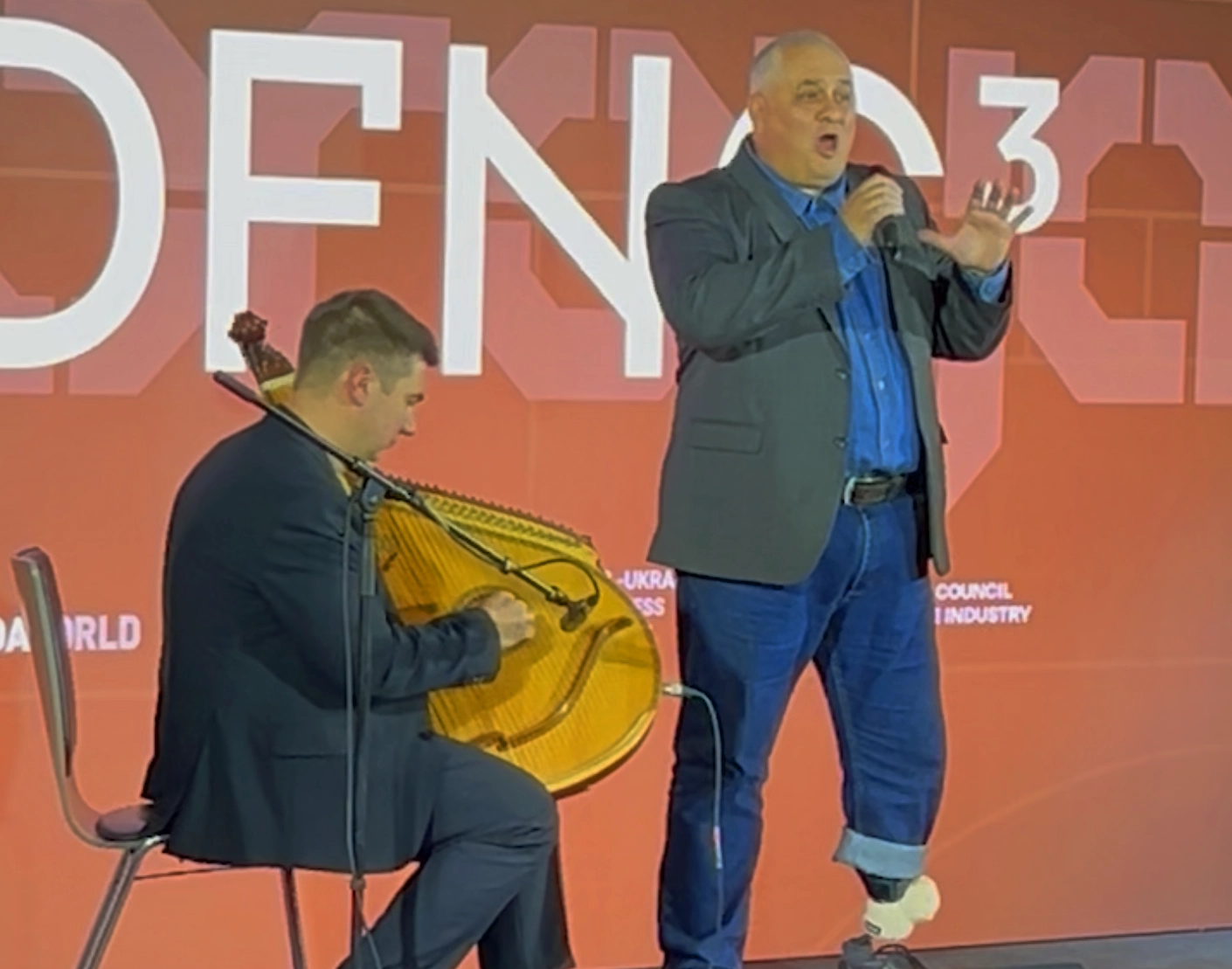
A “cocktail party” type reception followed by a formal introductory session by members of the Strategic Industries department of the Ukrainian Ministry of Defense and a short concert by members of the Ukrainian Armed Forces’ Cultural Forces – the unique military unit made up of active-duty soldiers and veterans who provide music, poetry, and theatre to troops in support of their morale and psychological well-being.
Day 2, Oct. 6
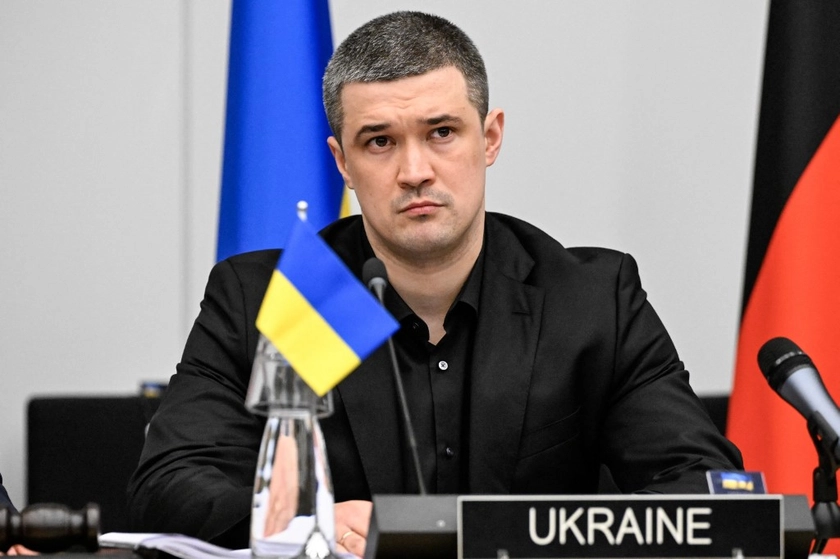
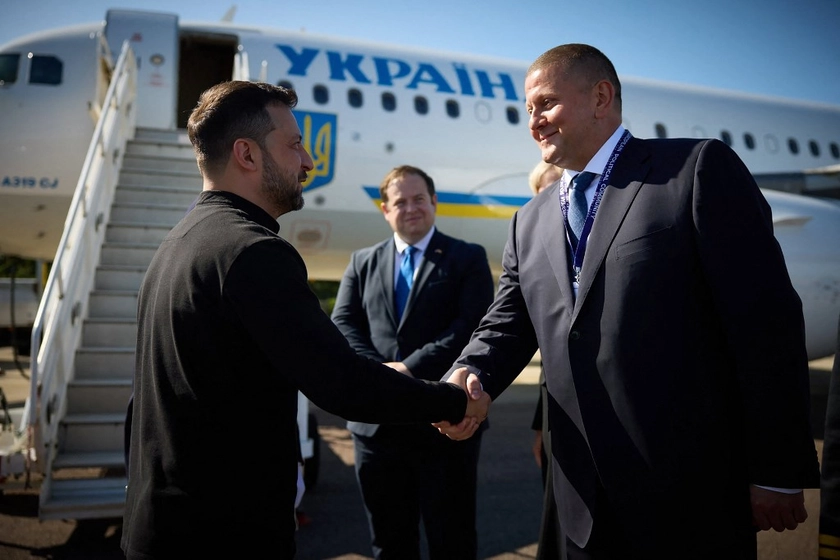
An opening ceremony to which only political and government representatives were given access included addresses given by Ukrainian President Volodymyr Zelensky and Dick Schoof, the Prime Minister of the Netherlands, which included the presentation of awards to representatives of foreign defense companies for their personal contributions to the development of Ukraine’s defense industry.
Ukraine Approves National Pantheon Law to Honor State Builders, Military Leaders and Cultural Icons
Other introductory speeches were given by Ruslan Stefanchuk Speaker of the Verkhovna Rada, Andrii Sybiha Minister of Foreign Affairs, Robert Kaliňák Slovakia’s Minister of Defense, Troels Lund Poulsen, Danish Minister of Defense, Morten Bødskov, Danish Minister for Industry and Business, and Luke Pollard, the UK’s Minister for Defense Readiness & Industry.
These introductory speeches welcomed the attendance and support of the international and domestic diplomatic and industrial representatives, which they said had been and would continue to be essential to Ukraine’s successful defense against Russia.
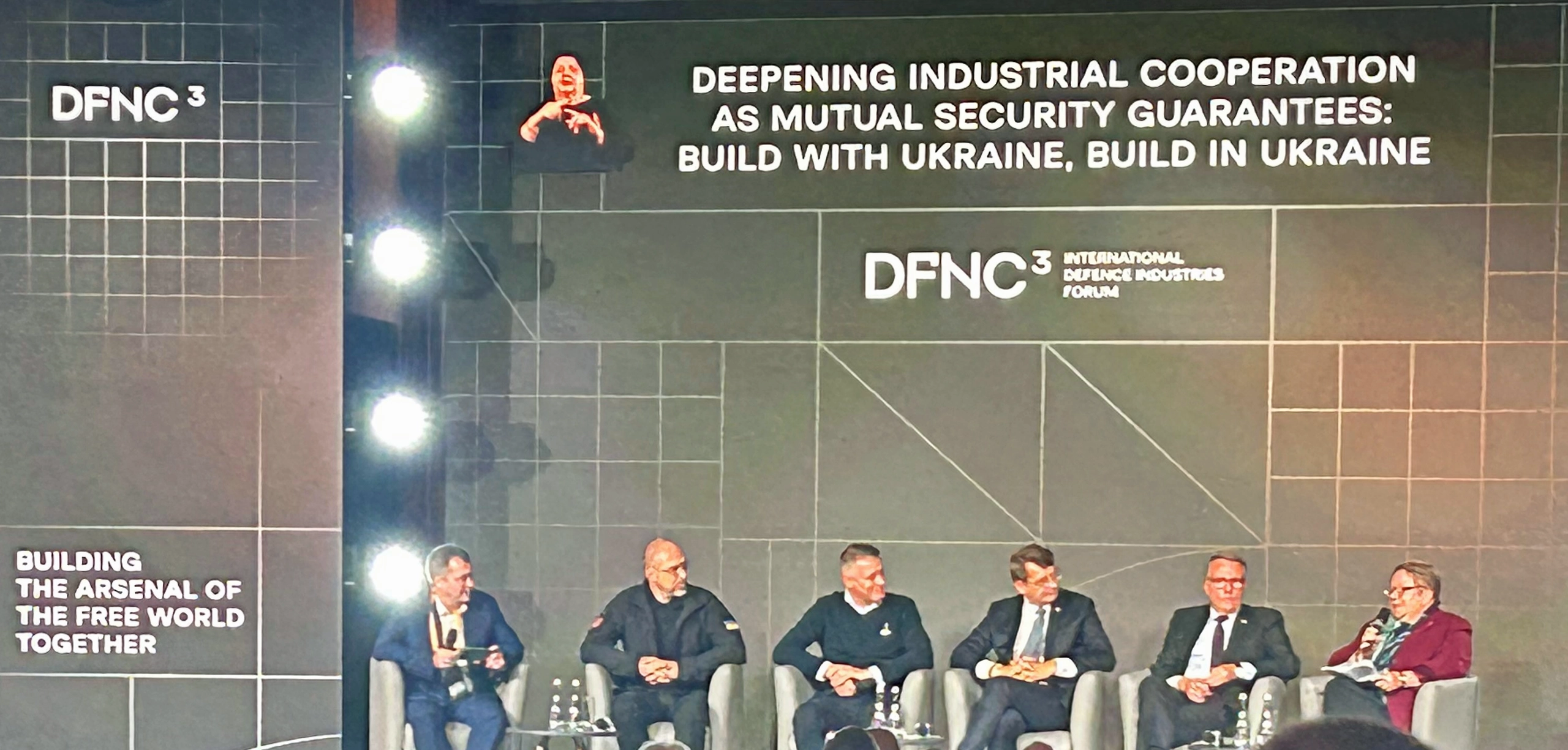
The main meeting then began the first of five sessions of expert panel presentations and discussion throughout the day examining:
- Session 1: current and future industrial cooperation as a means of securing security guarantees based on the slogan: “Build WITH Ukraine, Build IN Ukraine.”
- Session 2: how combat experience was the primary driver for Ukraine’s defense industry development along with efforts to align to EU / NATO standards
- Session 3: discussion on the “technological contest” driving the development of unmanned vehicles and associated know-how
- Session 4: the search for partners’ financial and procurement support including EU mechanisms including EDIP (the European Defense Investment Program) and SAFE (the €150 billion Security Action for Europe program), and Ukraine’s Procurement Experience
- Session 5: preparing Ukraine’s defense for its future entry into the export market with including the need for a rapid upscaling of its workforce and procedures.
Day 3, B2B sessions – a formal networking day where attendees booked a series of 20-minute one-on-one discussions with other participants who have expressed interest in business or other areas of cooperation. Additionally, many of the discussions between potential international and Ukrainian partners focused on protection of intellectual property rights (IPR), non-disclosure, rules for forming joint ventures, codifying NATO and EU standards, export controls, and certification, just as much as examination of technologies and weapons performance. Ukrainian producers are focused on giving Ukraine’s Armed Forces what it needs to fight, but now have one eye on the potential for the future export of their production.
Day 4, Investors’ Day – the morning was an opportunity for 20 Ukrainian unmanned vehicle manufacturers to make a pitch for investment to the international community, while in the afternoon, a panel gave guidance and “pointers” on investing in Ukraine and securing investment led by the head of the Ukrainian Council of Defense Industry, with the participation of expert advisors.
According to Ukrainian media several agreements were signed between Ukrainian industry and international partners before Oleksii Sobolev, Ukraine’s Minister of Economy, Environment and Agriculture, closed the forum.
A display of Ukrainian spirit
The most noteworthy aspect was not just the size of the event but the Ukrainian sense of purpose, self-confidence, and assertiveness that pervaded the conference – from the welcome addresses at the Sunday evening reception, President Volodymyr Zelensky’s address, and the other speeches on Monday, and engagement with participants over the four days of the forum:
EMBED video inside
The tenor of Zelensky’s speech and the conference was that Ukraine needed and was still seeking the assistance of the West, but was no longer coming “cap in hand” – it was saying: “We have been proving ourselves on the battlefield for more than 11 years. Cooperate with us and we’ll get the job done (assuring the continued security of Europe). We can even provide the tools needed – we just need funding.”
It has been a constant theme with commentators and in the media over recent months that “the West needs Ukraine as much (if not more) than Ukraine needs the West (EU and NATO).”
Drones, drones, and yet more drones
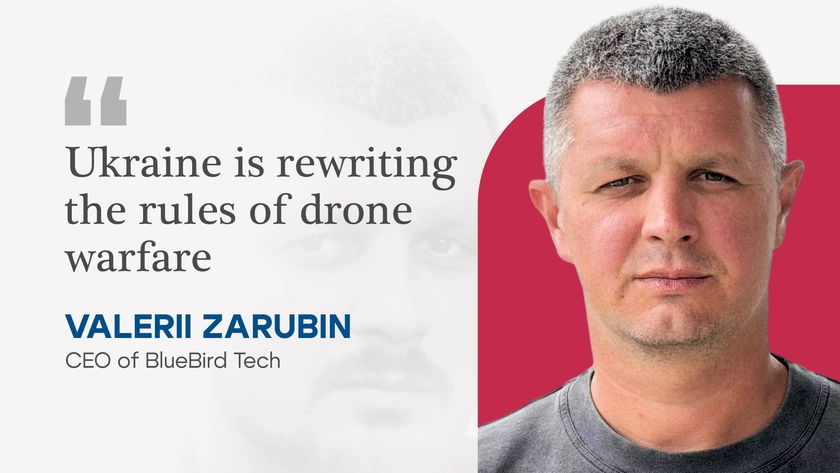
A refrain that ran through many (if not most) of the exchanges that could be heard during formal and informal networking conversations focused on Ukraine’s world-leading position on the development and use of unmanned vehicles. It is not hyperbole to say that Western industry representatives were clamoring for more information and involvement in Ukraine’s weapons and technology programs – particularly drones.
The pre-eminent position of Ukraine’s own weapons production, particularly drones and missiles, was evident in Zelensky’s address to kick off the main agenda, in which he said that more than 40% of the weapons his troops were using on the battlefield were produced or designed in Ukraine or manufactured in cooperation with its partners. He said that the aspiration was that such production would exceed more than 50% by next year.
Echoes of his words were heard just about everywhere you went. As you walked past you could pick out murmured discussion about: FPV (first-person view) drones, AI (artificial intelligence), machine learning, autonomous control, EW (electronic warfare), jamming, counter-drone, counter-counter-drone, interceptors. These were closely followed in popularity by phrases involving the words Flamingo, Neptune, Long-Neptune, and Hrom – Ukrainian-designed long-range missiles.
Size isn’t everything
The central conference panel talks on Day 2 suffered from a lack of space – the hall could only accommodate less than half of those attending. This forced the remainder to mill around outside, with some trying to follow the discussion on video screens, finding the sound was drowned out by the hubbub of 400-plus individuals chatting away.
The number and mix of attendees were a measure of success, but they also created issues for those wishing to expand their business networks. While the ribbon on participants’ conference passes identified the nature of the holder’s affiliation – red for organizers, yellow for government representatives, blue for commercial organizations, black for the media, and pink for those who didn’t want to be photographed – they only gave the individual’s name. This meant that engaging with other attendees during breaks and other downtime was a “hit and miss” exercise, with more than one participant saying as many as 75% of those they approached did not share their interests, and so they felt they had wasted a lot of time.
Did DNFC3 achieve its aims?
Individual participants can only confirm how much they got out of attending. Collectively where it did hit the target, was imbuing everyone with the awareness that 11 years after the 2014 partial invasion and the almost four since the 2022 full-scale invasion, Ukraine means business in every sense of the word – in the political sphere, on the battlefield and in the military industrial arena, where Ukraine was developing the weapons it (and the West) needs.
DNFC3 also underlined the progress Ukrainian society is making despite the war in striving to reach EU, NATO, and other international standards – in the areas of business, manufacturing, and politics. Even the subject of corruption – which in the past would elicit a sucking in of breath and shuffling of feet – was addressed “head-on” as another enemy that, like Russia, Ukraine was determined to defeat.
The views expressed in this article are the author’s and not necessarily those of Kyiv Post.
You can also highlight the text and press Ctrl + Enter

Russia Hit by 660-Drone Overnight Barrage Targeting Moscow, Crimea and Key Military Sites