Isolation of Crimea is real
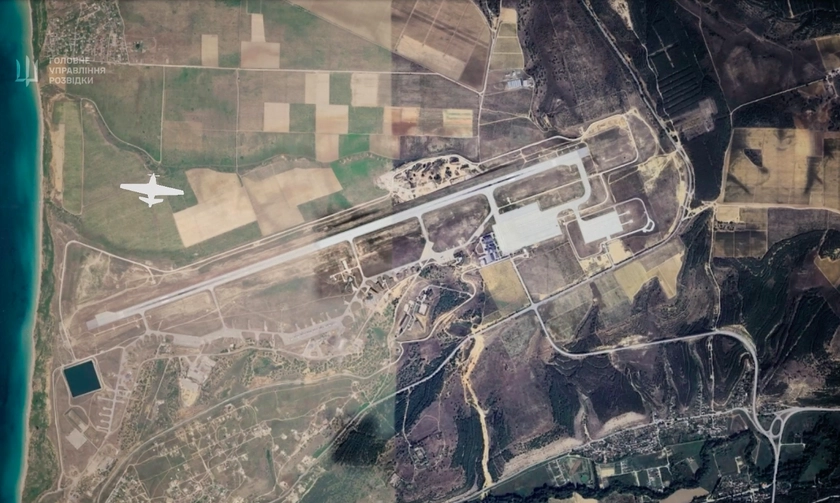
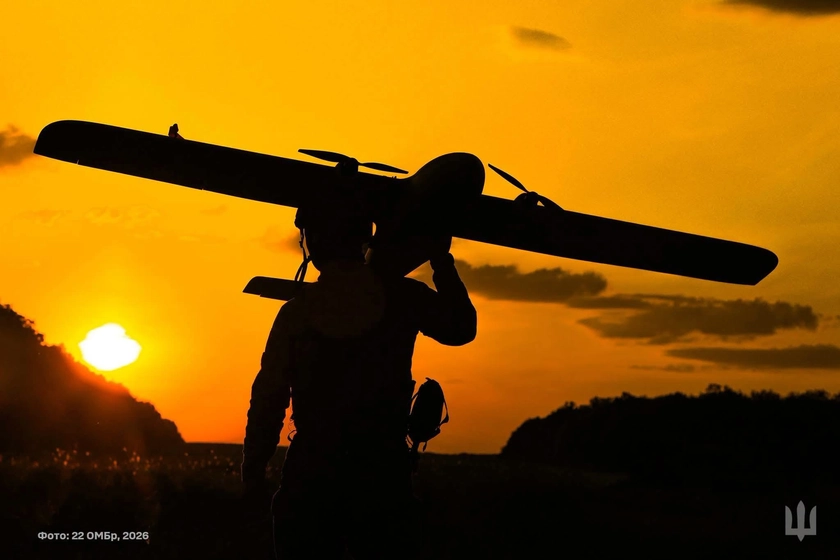
Ukraine’s Defense Minister has declared Crimea is “being isolated by drones” and will “soon become an island.” Strikes on bridges at Chonhar, Henichesk, and Armiansk have cut military traffic on key routes by 71 percent. This is no longer a plan.
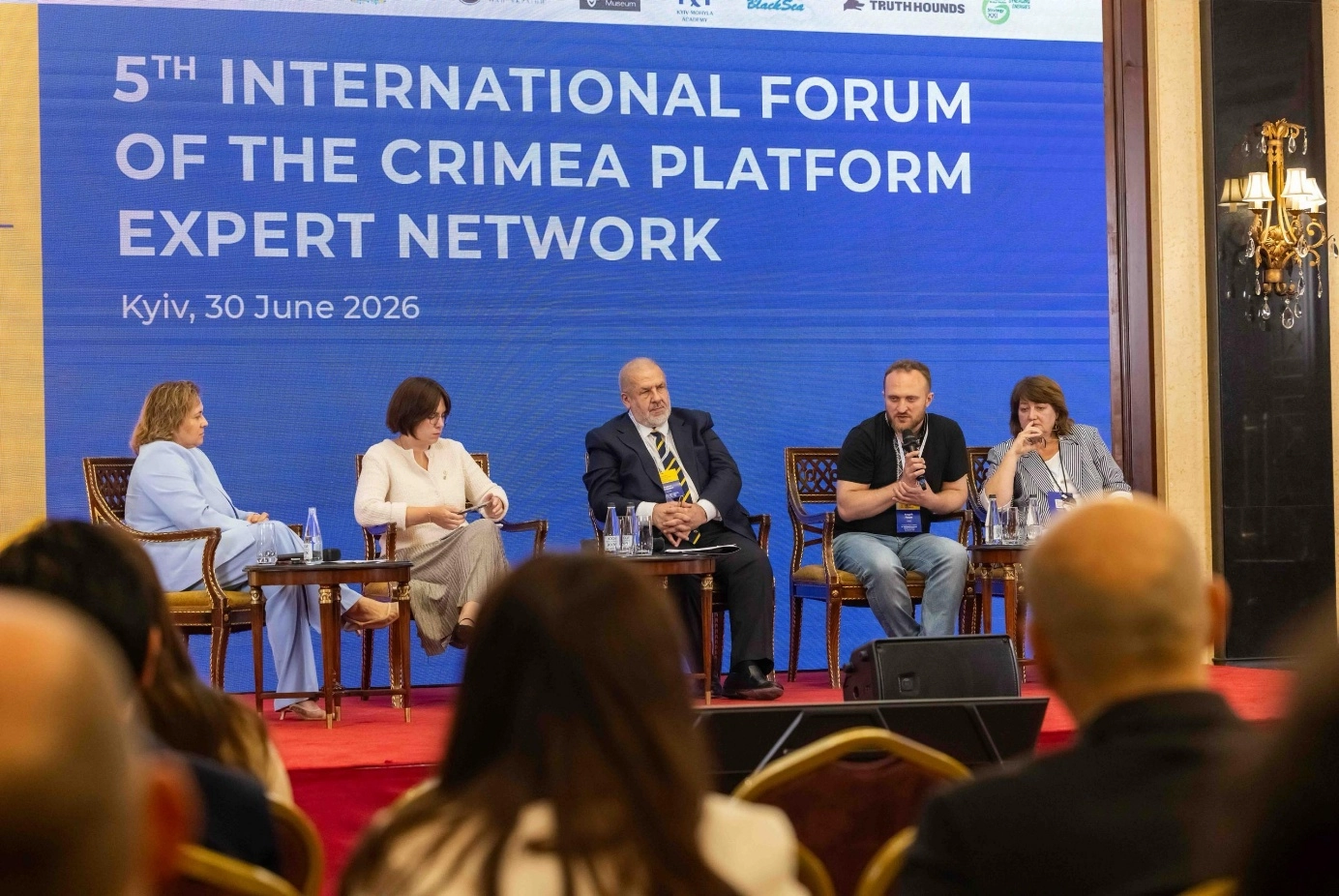
Alina Frolova, deputy chair of the Center for Defense Strategies and security panel moderator, said Western partners are still not ready for what that means. “I am yet to hear any meaningful discussion among our foreign partners to show their understanding of potential developments – of their readiness to accept the military liberation of Crimea,” she said.
JOIN US ON TELEGRAM
Follow our coverage of the war on the @Kyivpost_official.
Major General Illia Pavlenko, former deputy head of Ukraine’s Main Intelligence Directorate, pushed back on a common misreading of the campaign. “Our objective is not to isolate residents there. It’s rather about isolating the military machinery of Russia – to limit its ability to transport weapons, oil and fuel, to cut short the ability to use Crimea as a starting point for military actions.” He was blunt about what isolation buys diplomatically. “A diplomacy without any leverage is a beggar’s position,” Pavlenko said.
John Herbst of the Atlantic Council walked through Russia’s escalation options if Crimea comes under real pressure. The most likely option in his view is more strikes on Ukrainian civilians, albeit with no strategic effect since Russia has been doing that since the first winter. A horizontal escalation against NATO military-industrial targets is a less likely option (possibly a ten percent chance, according to Herbst); while tactical nuclear use is less likely still. Since Ukrainian forces are dispersed, the fallout risks blowing back into Russia and China would not absorb it. “Putin has threatened nuclear use many times over the past four-plus years of the big invasion. We’ve never seen him actually use it,” Herbst added.
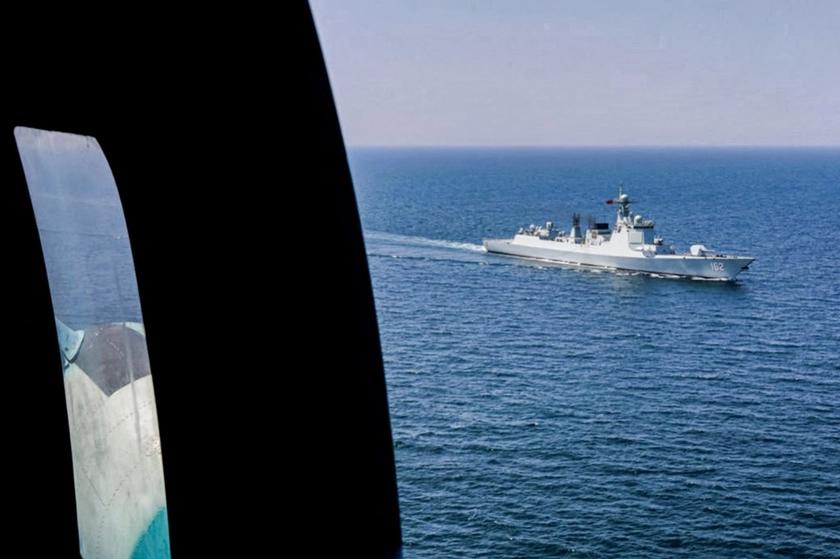
China and Russia to Conduct Joint Naval Drills in the Pacific
Oil, Turkey, and hypocrisy
Ukrainian strikes have knocked out an estimated 50 percent of Russian refining capacity. The result? Raw crude flooding out through the Black Sea instead. June is on track for a record 8.5 million tons – roughly 30 percent of total Russian exports. Only Novorossiysk and Taman are still functioning as major terminals. Tuapse is gone.
Andrii Klymenko, editor-in-chief of BlackSeaNews, did not soften his language on who is enabling this. Turkey bought 27 million tons of Russian crude last year, processed it, and sold the products back into the EU. “Turkey demonstrates that they are not a friend of ours,” he said. Greek-flagged ships carry a significant share of the non-sanctioned cargo.
On Western enforcement, Klymenko added: “This is pure hypocrisy, and we have to expose that hypocrisy.” President Volodymyr Zelensky has been pushing allied parliaments to update seizure law for nearly a year. Ships get fined. Captains get briefly detained. Tankers get released.
On accountability, the prosecutor’s office covering all of occupied Crimea runs on five people. Ten years of remote investigation has yielded two concrete wins: an extradition ruling against a Russian national in Poland for crimes committed on the peninsula; and the first shadow fleet seizure by a foreign government on a Ukrainian warrant, in Sweden.
But reparations eligibility starts in 2022. Everyone harmed before that date is outside the framework. “When you go to your countries,” said Vitaliy Sekretar, first deputy head of the Crimea Prosecutor’s Office, “please try to get across this point: these two groups of victims is one and the same thing. If we do not provide for that, justice will be one-sided.”
Twelve years of erasure
Russia has seized 1.3 million museum objects from Crimean institutions. It has paved 140,000 square meters of the Chersonesus archaeological site with a Russian Orthodox complex. It cut Crimean Tatar language instruction to one hour a week. Refat Chubarov, chairman of the Mejlis of the Crimean Tatar People, said liberation will not start from scratch – it will start in deficit. Everything built between 1991 and 2014 was methodically destroyed.
Valentyna Potapova of the Almenda Centre for Civic Education brought Erika Mann’s 1938 book “School for Barbarians” to the panel – written about Nazi indoctrination – and read two passages aloud. They fit the current occupation without alteration. Russia spends over a billion dollars a year on youth policy in occupied territories – the goal is not to erase ethnicity, but to rewire political consciousness. “Children who are taught to tolerate dictatorship are the children who can hardly be reclaimed,” Potapova said.
Chubarov put it another way. “If we spoke about some huge house taken by bandits, and we said it has a very strategic location – we would never speak about the people who live in this house and who are taken hostage.” He was not speaking metaphorically.
The peace that punished the wrong people
The 1856 Paris Peace Agreement banned Russian naval forces from the Black Sea. Russia ignored it within 13 years. The historians’ panel spent the afternoon making the same point from multiple angles: paper guarantees without military backing are not guarantees.
Andrii Ivanets, representing the Crimean Ukrainians Regional Council, laid out the 19th century precedent. Russia was not beaten in Crimea. It was beaten in the Baltic, when France moved to bombard St. Petersburg and Austria signaled it would join the coalition. The empire’s finances collapsed. Nicholas I deteriorated rapidly. “He basically committed suicide while being a believer – just taking walks in flimsy clothes in sub-zero temperatures and got pneumonia.” Ivanets called Kremlin leader Vladimir Putin a caricature of the same man.
Chubarov had the last word, and it was a warning. Before the 1853–56 war, Crimean Tatars were 73 percent of the peninsula’s population. The coalition won. Then the imperial administration expelled the Tatars anyway – and the British, French, and Ottomans who had nominally fought for the region let it happen.
Within 50 years, the Tatar share of Crimea’s population had fallen to 25 percent. “Even though Russia suffered a defeat, it was the Crimean Tatars who were punished.” Chubarov said any settlement ending the current war must include explicit legal protections for the Crimean Tatar people – built into the architecture, not added afterward.
It was not done in 1856. He intends to make sure it is done this time.
The views expressed in this opinion article are the author’s and not necessarily those of Kyiv Post.
You can also highlight the text and press Ctrl + Enter