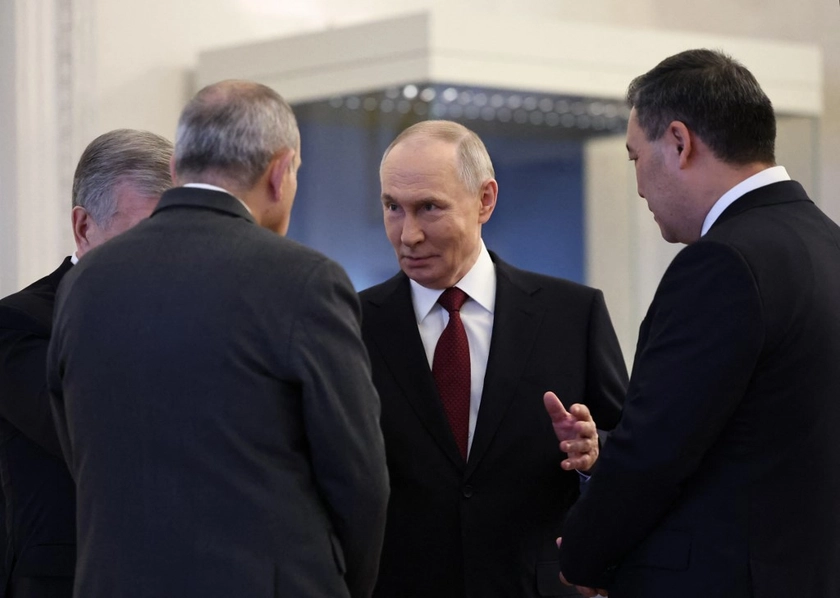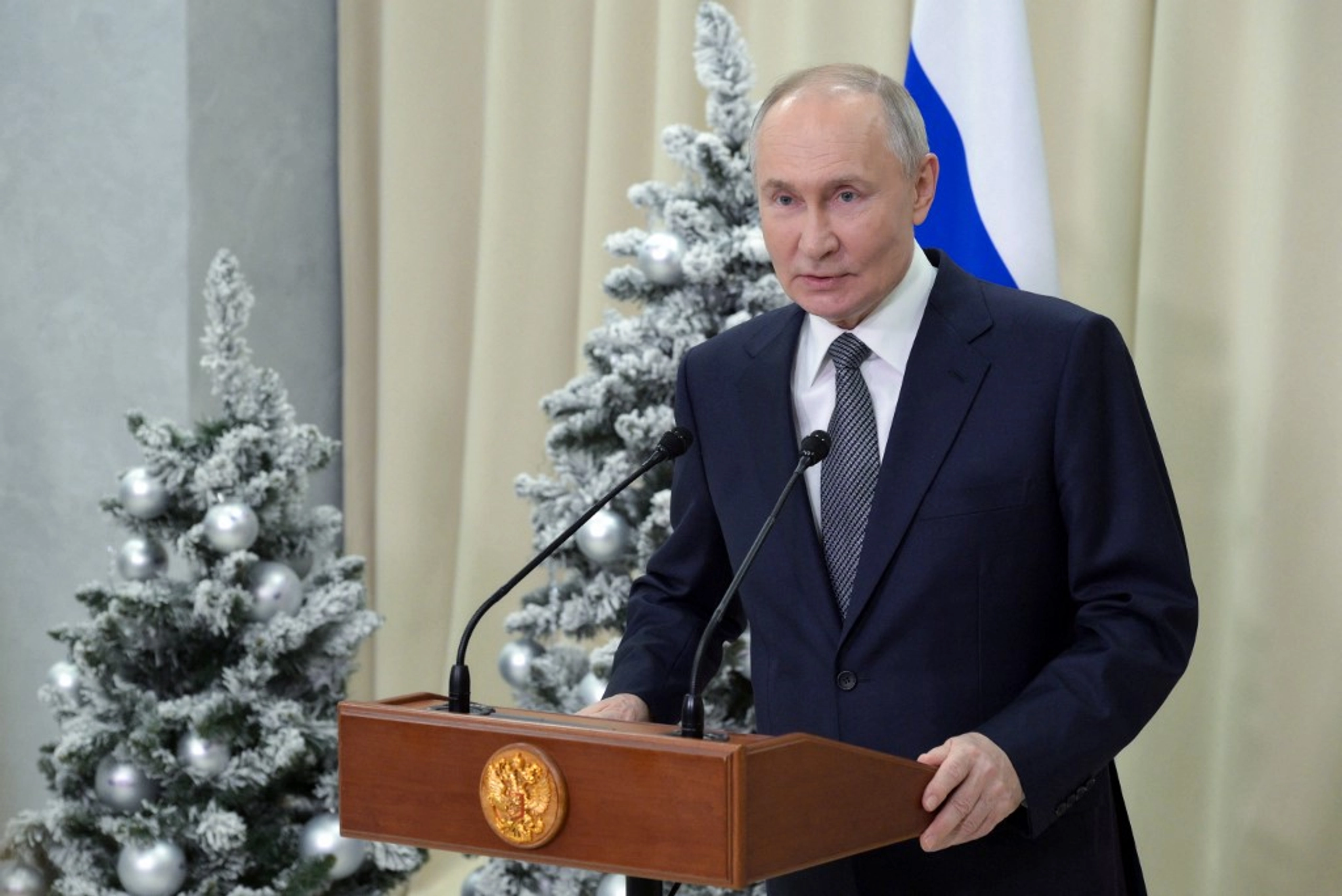
Russian President Vladimir Putin signed a decree yesterday on a new “Strategy for countering extremism in the Russian Federation,” Radio Liberty reported.
In the updated strategy, the concept of Russophobia was introduced for the first time. It is defined as “unfriendly, prejudiced, hostile attitude toward the citizens of Russia, the Russian language and culture.” Discriminatory actions by the authorities of states unfriendly to Russia are also considered Russophobia.
JOIN US ON TELEGRAM
Follow our coverage of the war on the @Kyivpost_official.
The strategy claims that extremism is used by some states for hybrid wars and interference in the internal affairs of other countries. Among the sources of extremism is Ukraine, which, according to the Russian authorities, supports “radical neo-Nazi formations” that threaten Russia.
The document emphasizes that the so-called “Ukrainian crisis” (as the Russians and Chinese name for Moscow’s war against Ukraine) is a tool for inciting Russophobic sentiments and a hybrid war against Russia. Eliminating threats from the territory of Ukraine is called a key task in the document.
Uncoordinated protest actions that “deliberately” turn into mass riots, as well as the illegal activities of migrants and the destructive work of international non-governmental organizations, are noted as factors of destabilization.
The strategy envisages surveilling persons who travel abroad to participate in extremist activities, as well as “for training in educational centers of unfriendly states, whose activities have signs of extremism.”
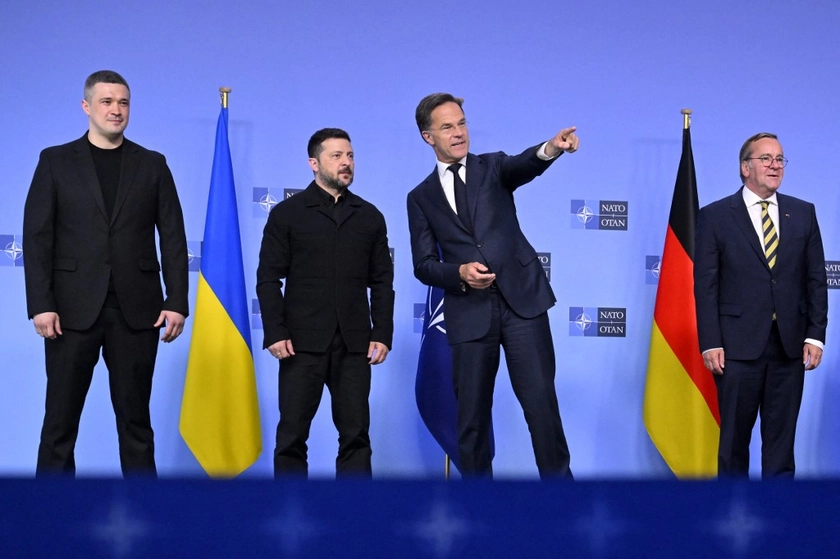
Rutte Calls Ramstein Meeting a ‘Window of Opportunity’ for Ukraine
The criteria for defining “educational centers of unfriendly states” are not specified in the document, but presumably would mean Western universities, where many of Russia’s elite politicians and oligarchs send their children.
You can also highlight the text and press Ctrl + Enter
Putin’s Worst Nightmare