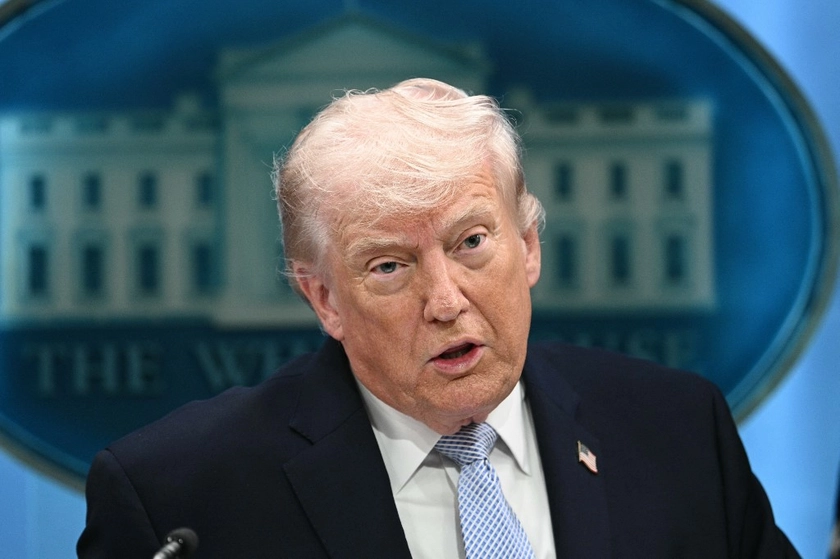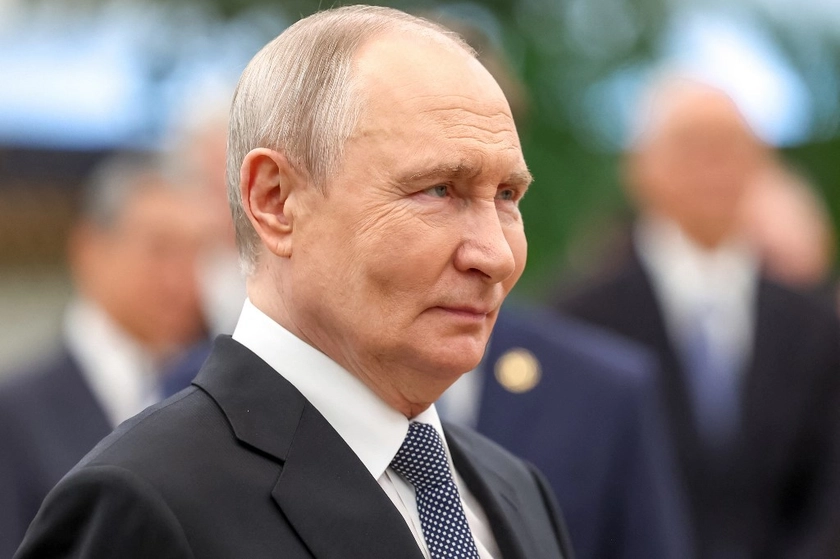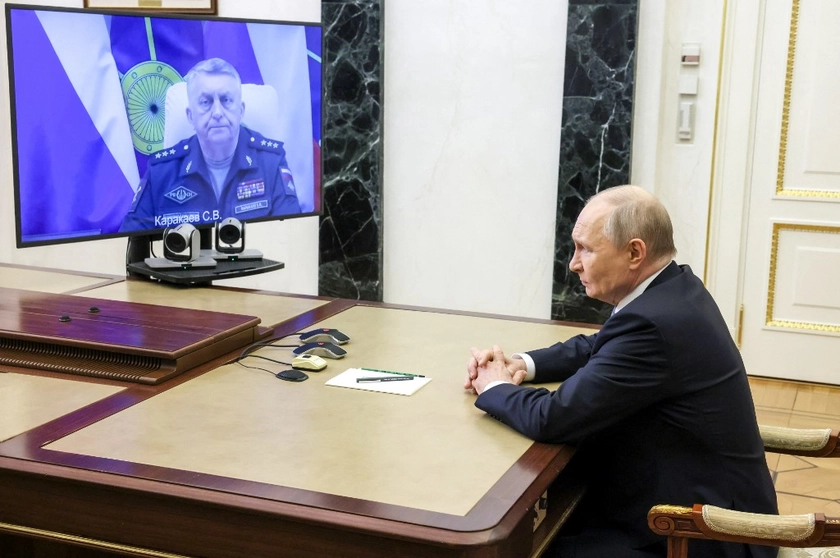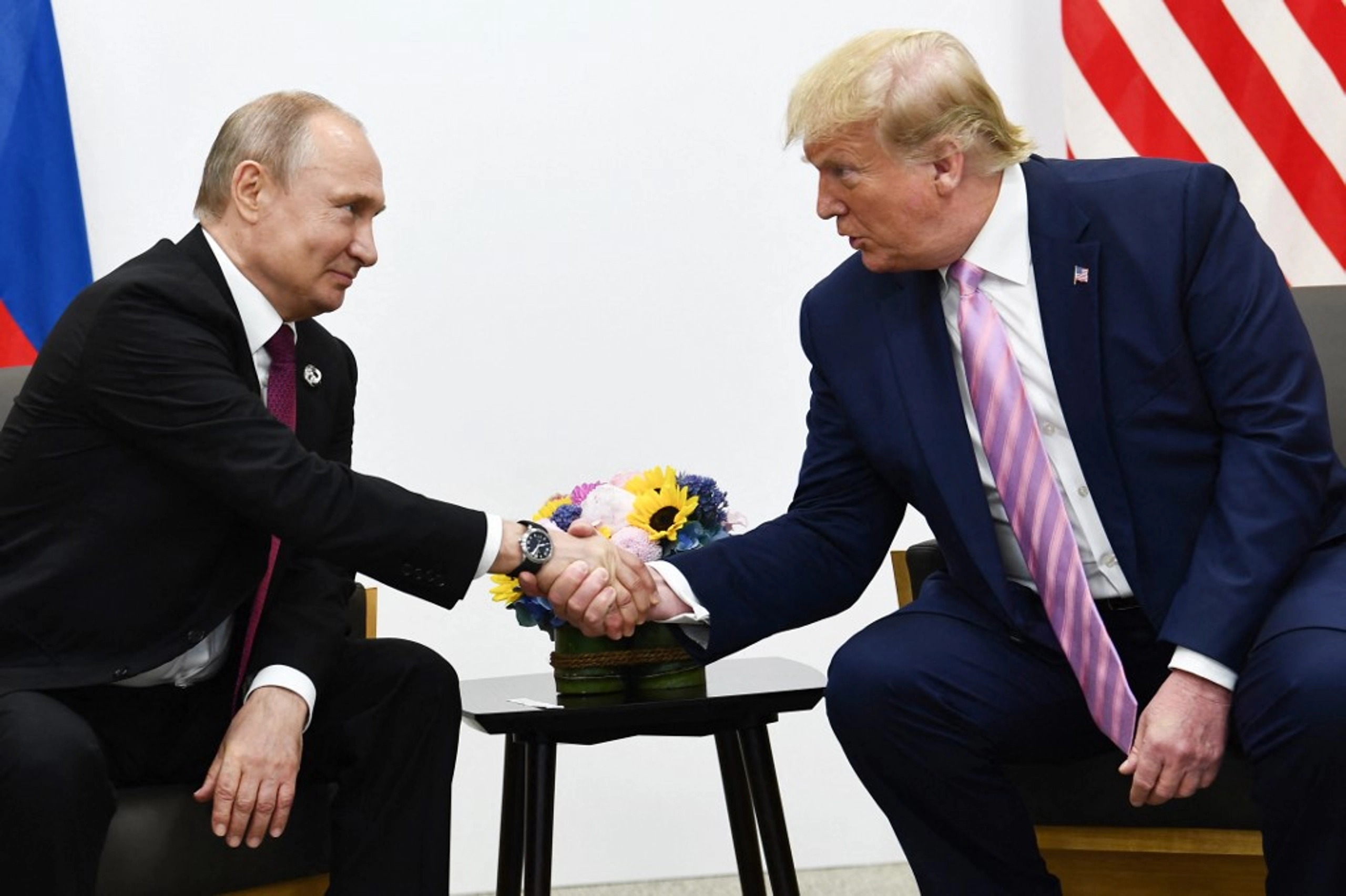
US President Donald Trump’s quote over the weekend that he is “pissed off” about Russian autocrat Vladimir Putin’s resistance to a ceasefire in Ukraine may have reverberated around the Kremlin’s walls, but analysts are wondering if Putin has tuned out that noise completely as they question what the self-described deal-maker-in-chief in the White House can actually do about it.
“If I think they’re tapping us along, I will not be happy about it,” Trump told reporters aboard Air Force One on Sunday, referring to Putin.
JOIN US ON TELEGRAM
Follow our coverage of the war on the @Kyivpost_official.
“[Putin] is supposed to be making a deal with [Zelensky], whether you like him or you don’t like him. So, I wasn’t happy with that,” Trump said. He has threatened 25-point tariffs on Russian oil if the Kremlin does not comply with terms discussed at recent peace talks in Saudi Arabia, but geo-economic experts are warning that such a threat could be meaningless in the end.
Finnish President Alexander Stubb, after golf with Trump on Saturday, told Sky News: “I do think that the president of the United States is a very skillful negotiator, and he’s trying to find the right balance.
“My message was, he’s the only one who can do it, and now we need a deadline for the ceasefire. And for me, the deadline would be the 20th of April, when he’s been in office for three months, and also when we have Easter. “
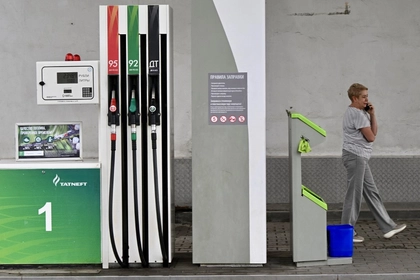
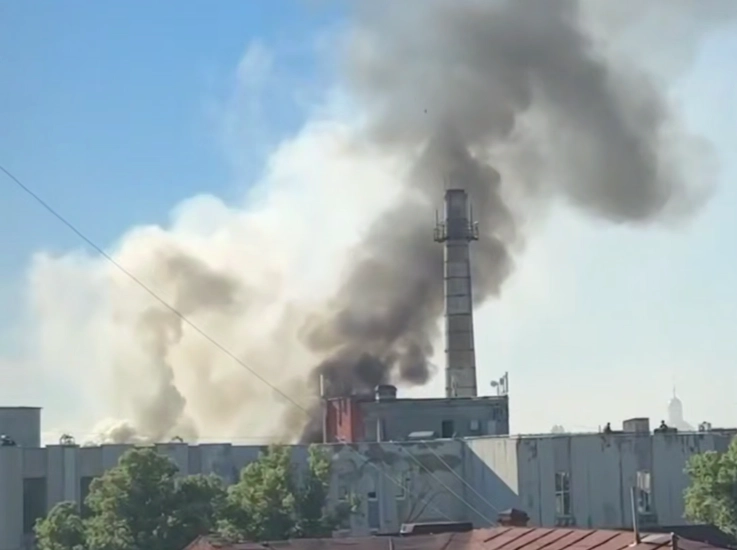
Russia's Fuel Crisis Disrupts Cargo Transport to China, Drives Up Freight Costs
However, he added, “This is sort of where Putin is strongest. And I think, when you put him in a room or phone call with Donald Trump, or have their deputies speak, the Russians are very good at sort of massaging the language and hitting the nerves and making this thing look like everything is going to be OK,” he said.
The Finnish leader concluded: “My message to President Trump, when he asked, ‘Can I trust Putin?’ was, ‘No, you can’t.”
Moreover, analysts have said that the impact of any US penalties on buying Russian oil would be limited.
The tariffs would likely boost oil prices in the short term if countries opt for other oil sources. Still, the tariffs’ effectiveness and resulting market fluctuations are unclear at this stage, given the lack of details, particularly on how the tariffs would be imposed, since the US does not import any fossil fuel products from Russia.
Most economists have interpreted Trump’s word “tariffs” to mean sanctions.”
When interviewed on MSNBC on Monday, Richard Haas, president emeritus of the Council on Foreign Relations, said, “That essentially means you would sanction China, India, and Turkey, the three biggest importers of Russian energy. So, we’d create bilateral issues with all of them without really having a significant impact on Russia’s economy.”
India, one of the founding members of the BRICS coalition, which includes Russia and China, has been one of the greatest beneficiaries of the West’s sanctions on Russian oil.
Now the world’s largest country by population, India has been guzzling discounted barrels of Russian oil while attempting to keep warm ties with Washington.
Indeed, President Narendra Modi has promised to lower India’s tariffs on US goods, while simultaneously consuming record amounts of Russian crude. In 2024, the rate of Russian oil imported to India hit a record 2.07 million barrels per day in July, surpassing China’s reliance on energy from Moscow.
Nonetheless, noted one Reuters commodity analyst, the mere threat, while possibly not very effective, might be enough to sway the Kremlin, which more than anything has asked for the West to relax its sanctions on Russia’s economy in exchange for peace.
“If Putin believes Trump will go ahead and massively boost what are effectively sanctions on Russia’s main export, he may be inclined to back down at least far enough to allow Trump to appear to have ‘won’ in negotiations,” said Asia commodities analyst Clyde Russell.
You can also highlight the text and press Ctrl + Enter

Russia Hit by 660-Drone Overnight Barrage Targeting Moscow, Crimea and Key Military Sites