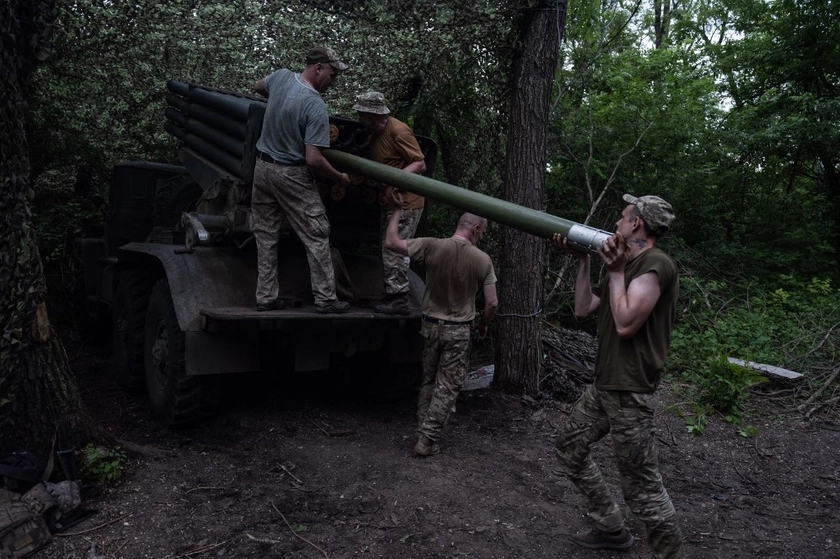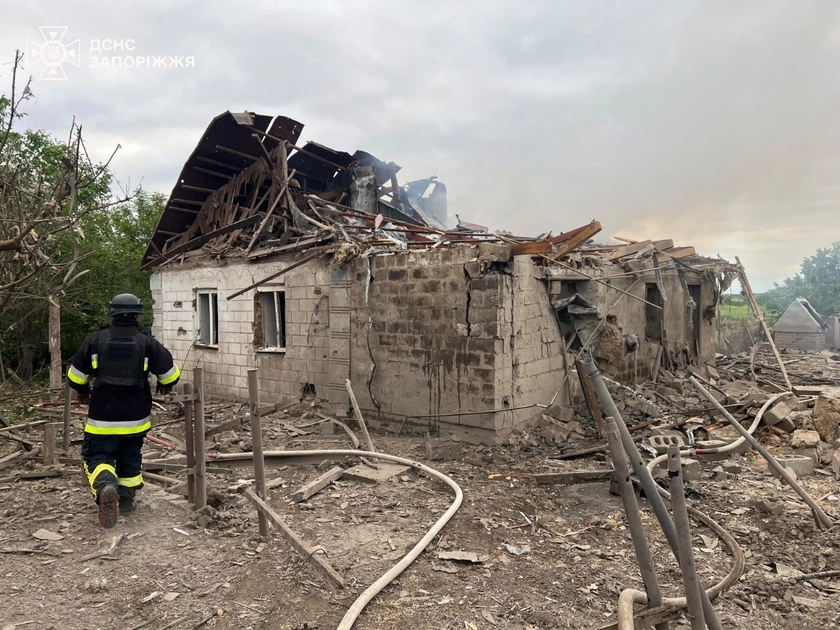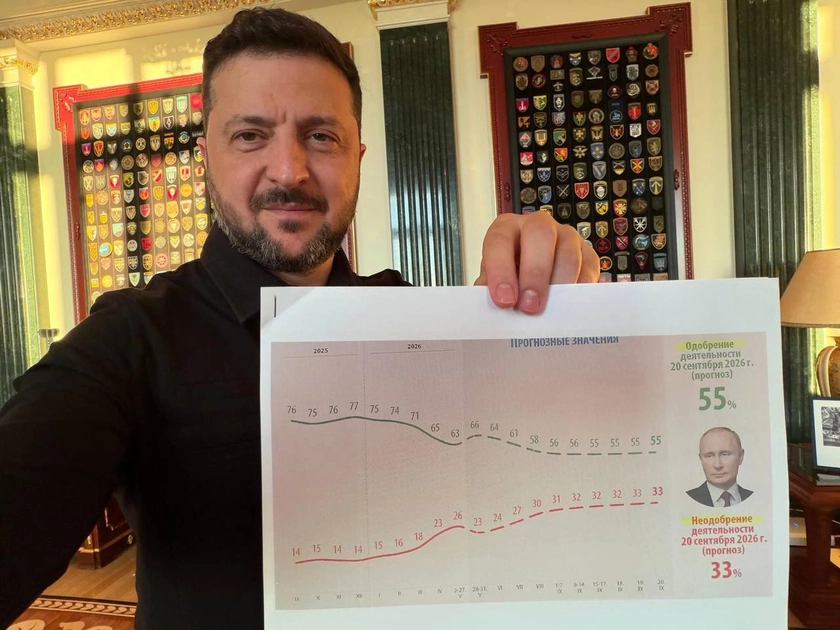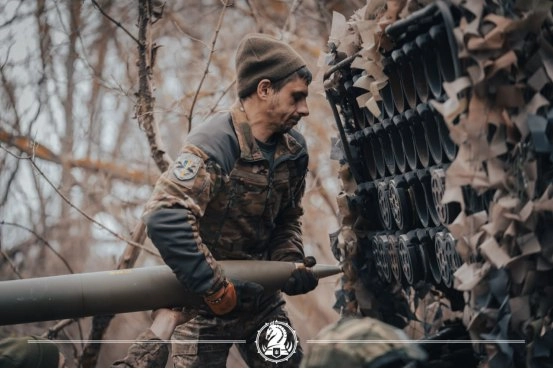
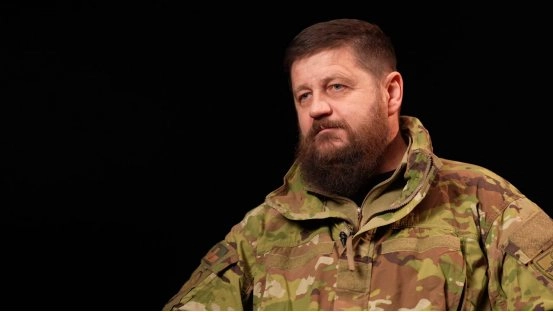
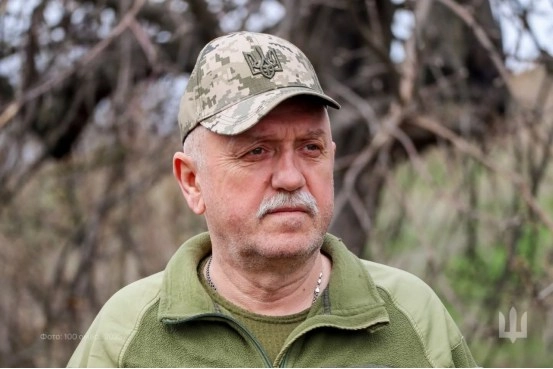
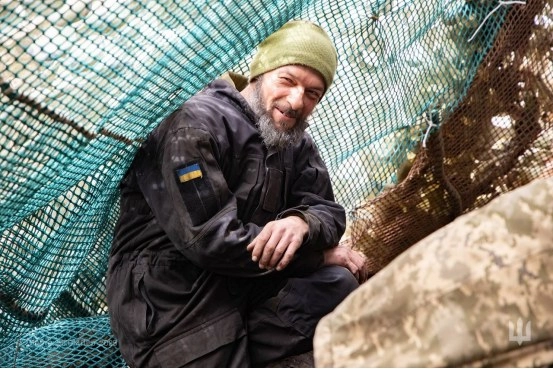
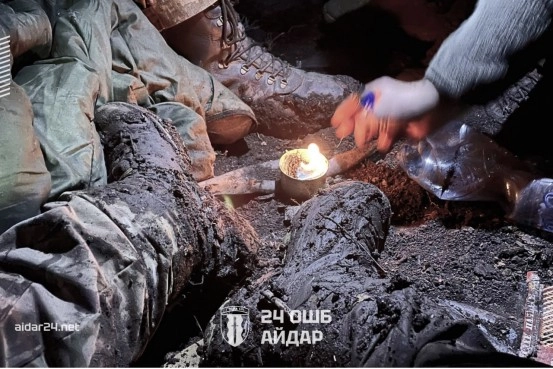
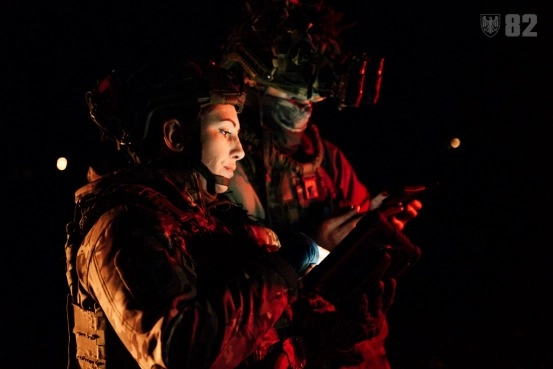
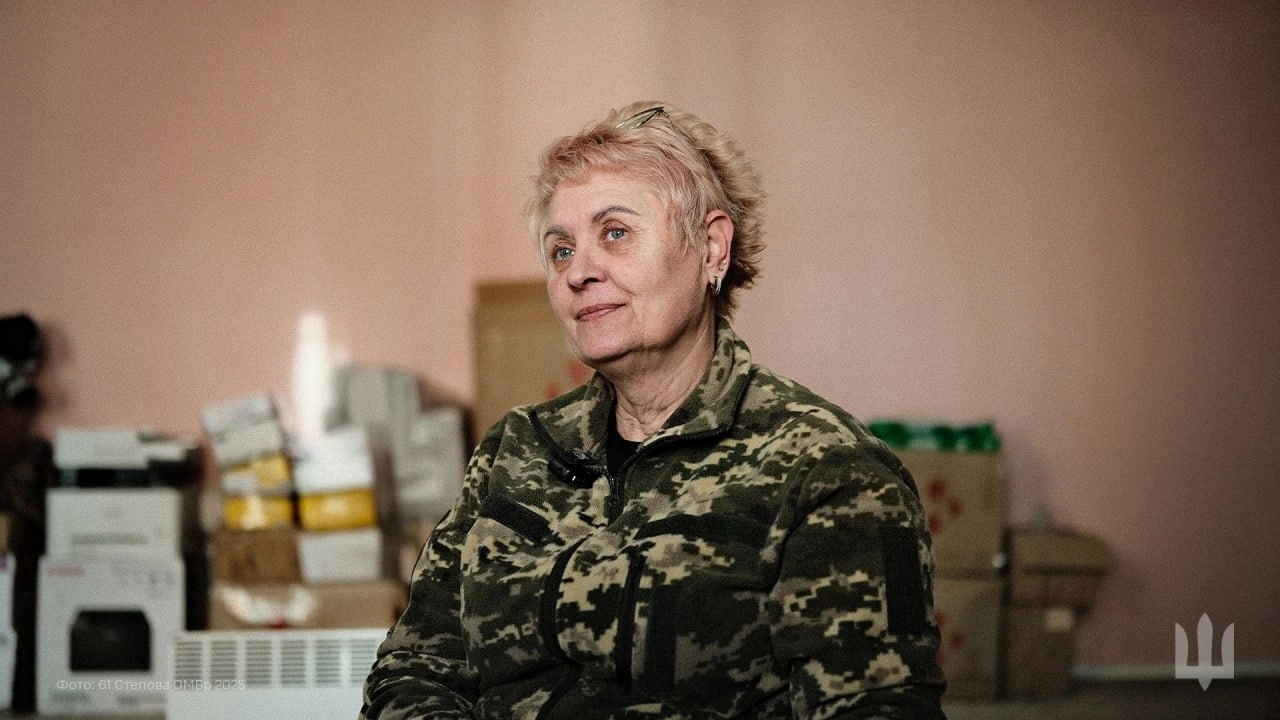
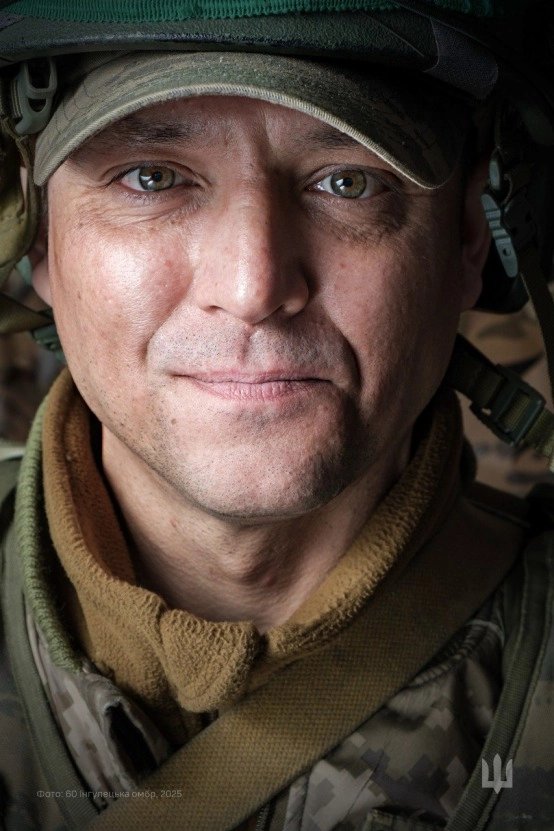
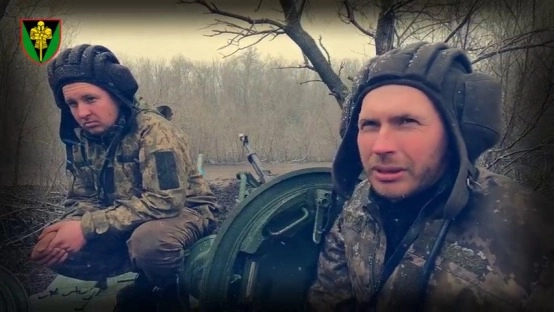
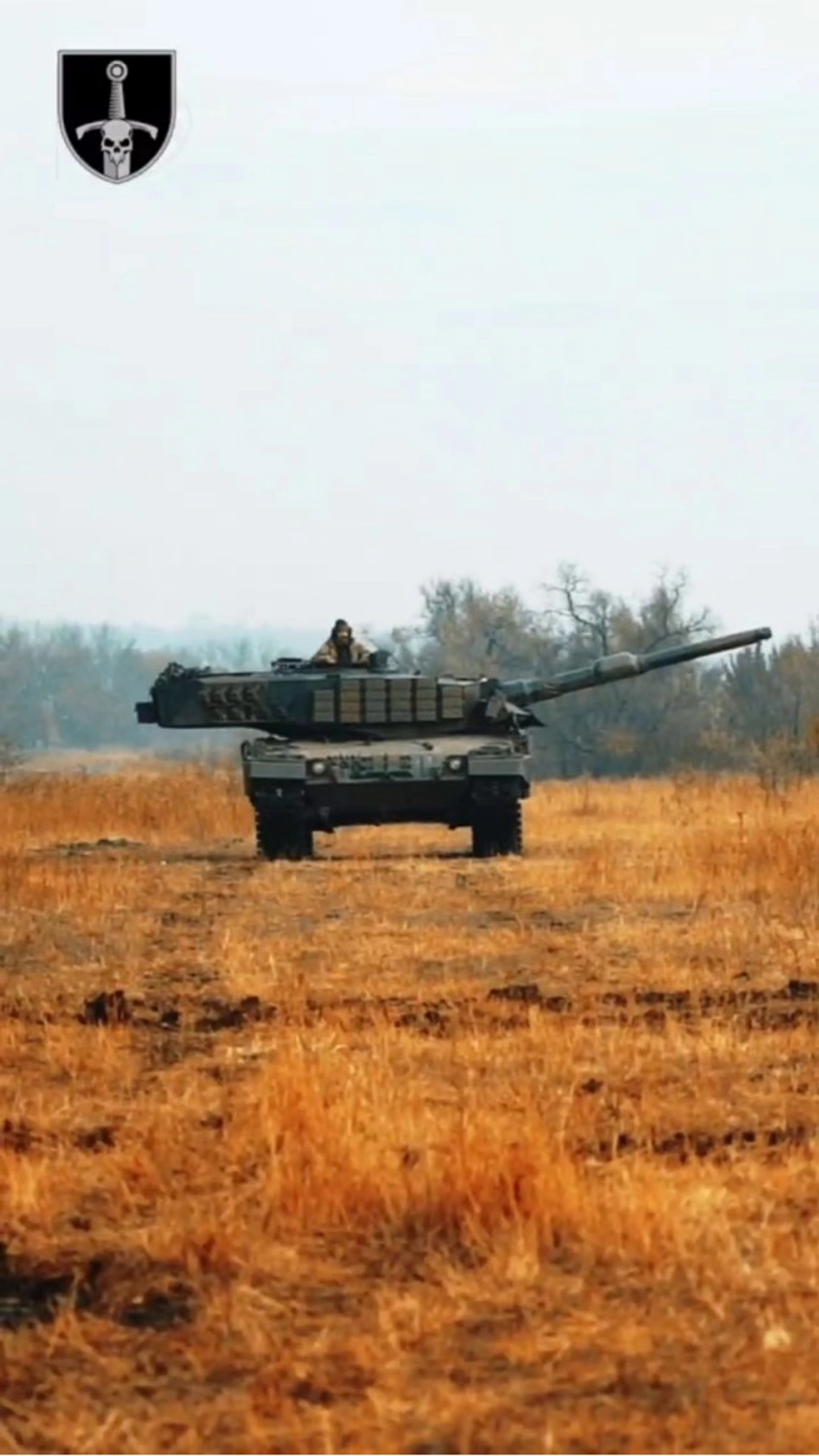
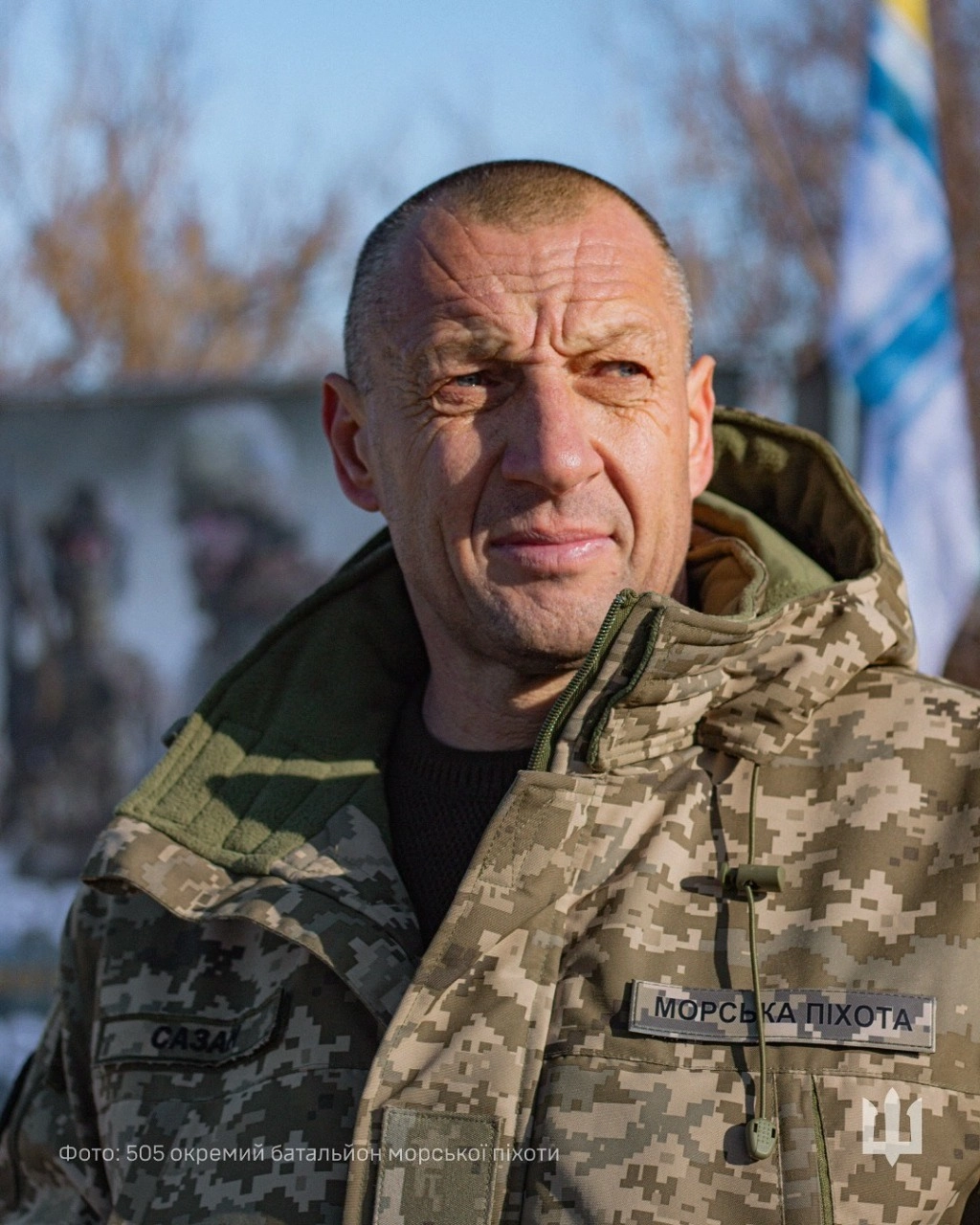
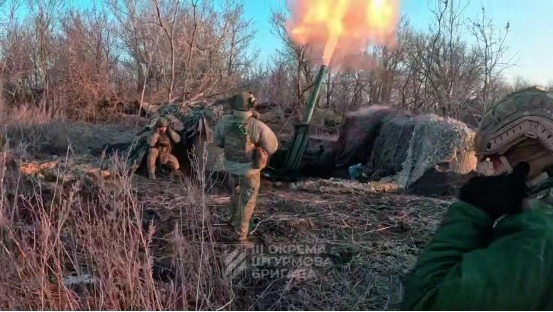
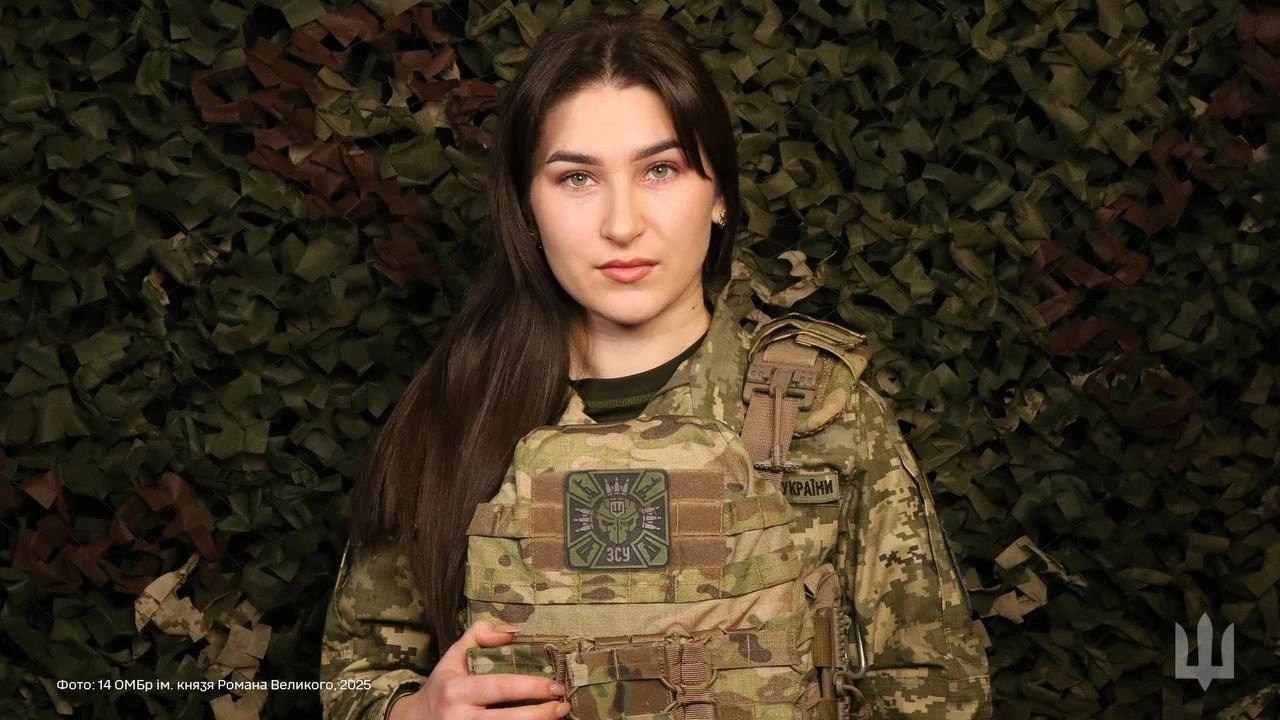
There were plenty of developments in the war this week but none dominating. But, in the category of interesting but probably not critical, recently there has been a proper spike in content featuring individual Ukrainian combat units and the soldiers in them.
This is directly linked to the 18-24 recruiting campaign which, my impression, is certainly bringing in recruits in good numbers to some units at least. But I’m far from convinced the Armed Forces of Ukraine’s (ZSU’s) manpower problem is fixed. At best, it may be on that path.
JOIN US ON TELEGRAM
Follow our coverage of the war on the @Kyivpost_official.
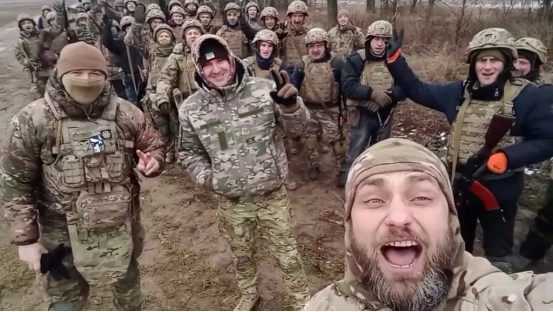
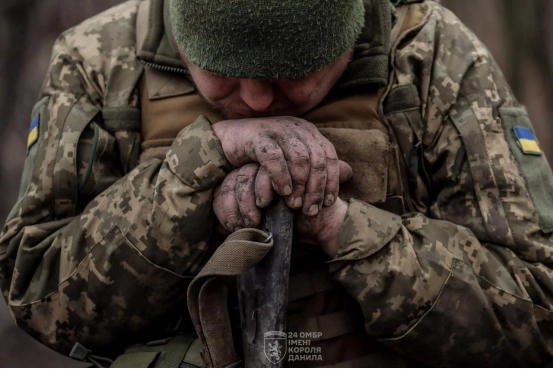
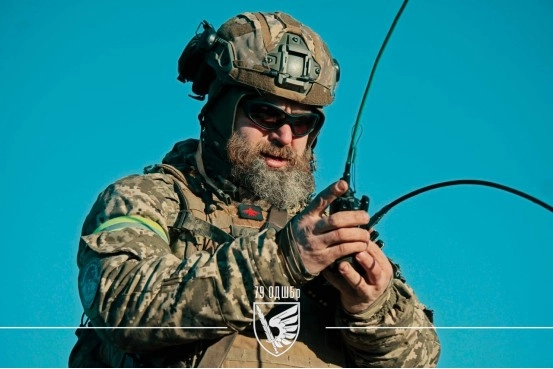
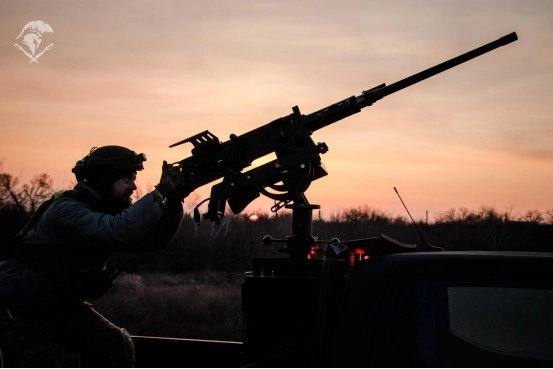
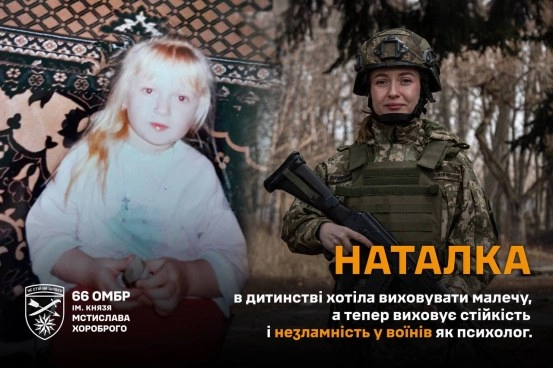
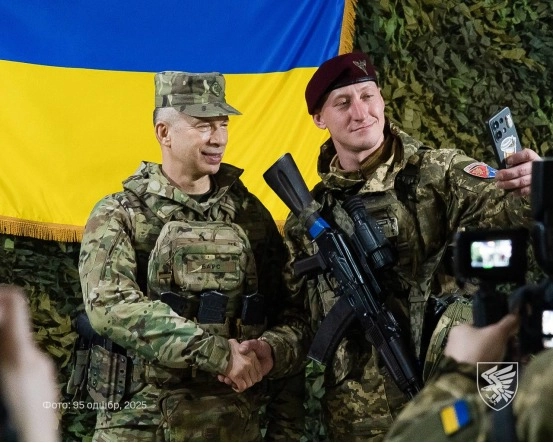
Still, a fascinating by-product of dozens of Ukrainian units trying to put themselves out into the internet as excellent organizations a young person definitely should want to join, has been a wave of images of individual soldiers, sometimes in straight recruiting ads, sometimes in news reports about the unit, and sometimes it’s just a soldier who appears to have decided now would be a good time to stick some shots he took of his buds.
I assume what is going on is that the ZSU high command ordered: “Recruiting Is Important! Promote Your Unit! Post Content! Make Joining the ZSU Look Desirable! Deliver Excellent Stats on New Recruits or Your Officer’s Efficiency Rating Will Suffer!”
This being the ZSU, it’s obviously been left to the brigades and battalions to figure out what that means and what they should do about it.
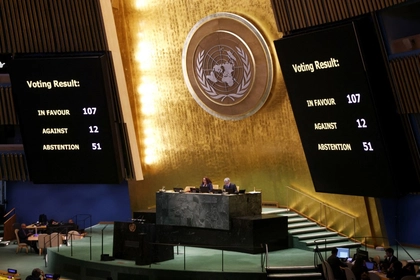
Intent in Plain Sight: the Politics of a UN-Recognized Genocide
The upshot is that in the last couple of weeks there’s been a mini flood of Ukrainian soldier images, some pure advertising, some the unit censor probably would object to if he had bothered to look, and a lot in-between.
So the lead-off of this review is different from the standard approach, or at least, the main subject this week is the pictures.
The ZSU is a national army with hundreds of thousands of members, and even if outsiders never really register it, inside Ukraine it’s not a faceless organization, it’s the national defense force where everyone knows individuals personally. Even if you don’t know a particular soldier, he pretty much always is just exactly like someone else you know. It’s just average Ukrainians, but also, their pictures are a close to perfect cross-section of the nation.
And now, after three years of war, pretty much every individual unit, has its own history and character. Enjoy the pix.
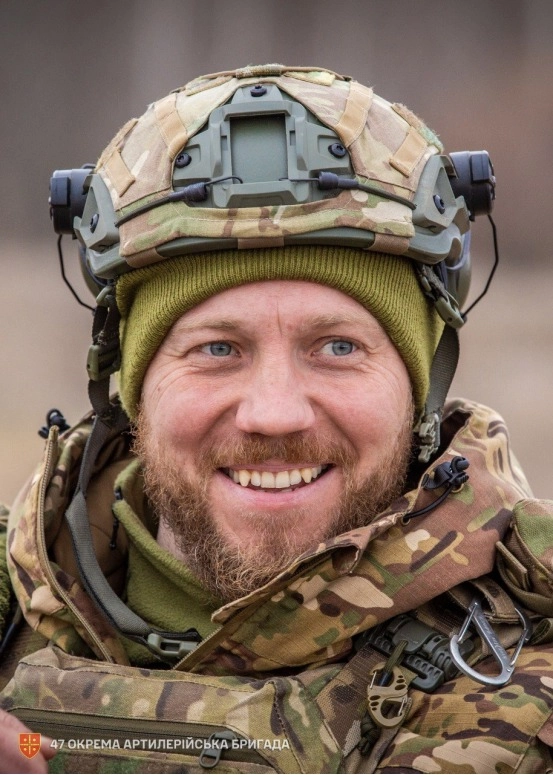
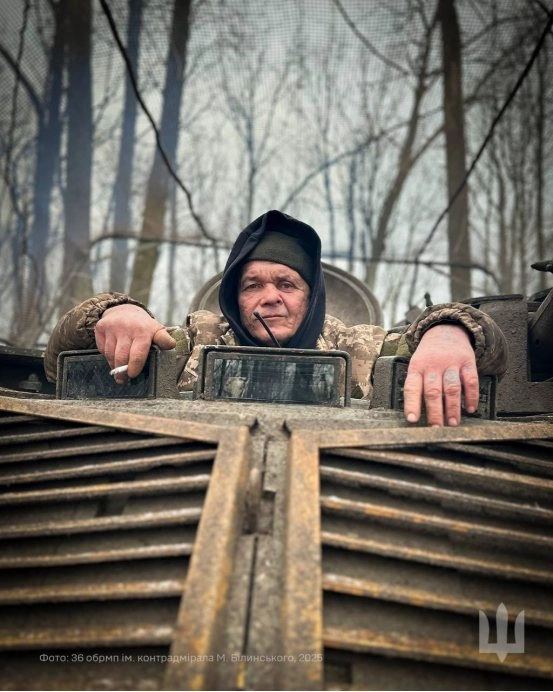
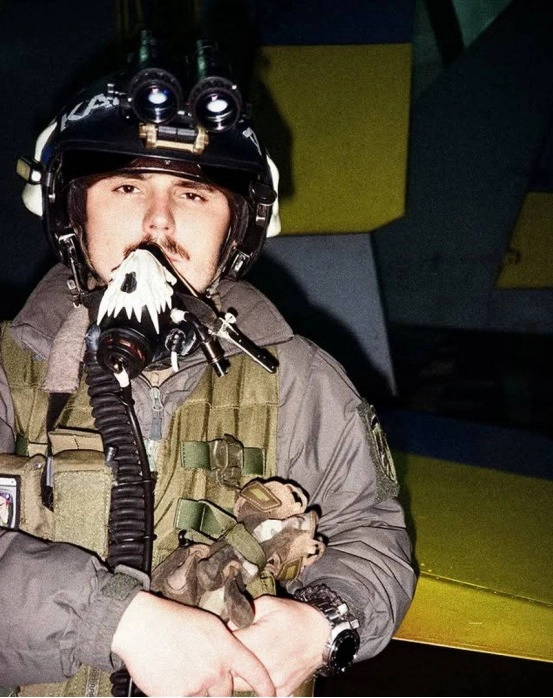
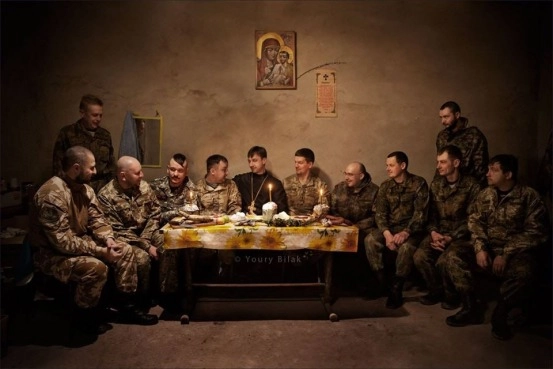
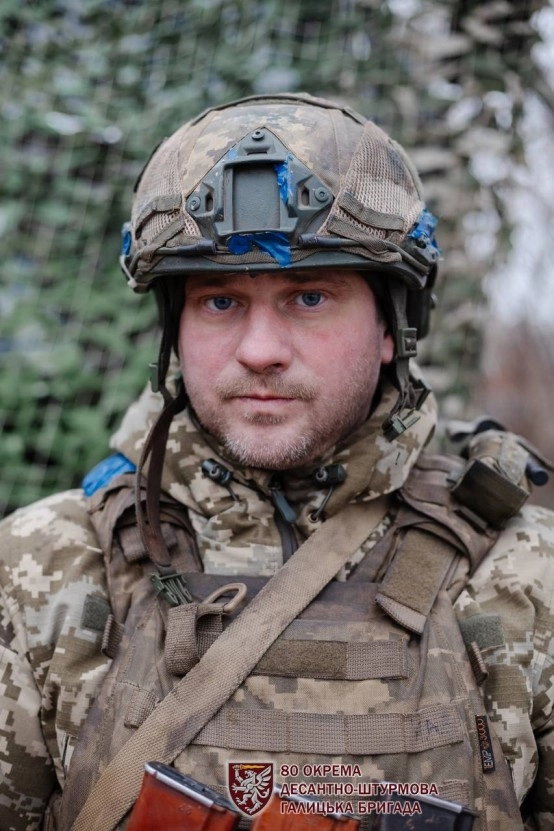
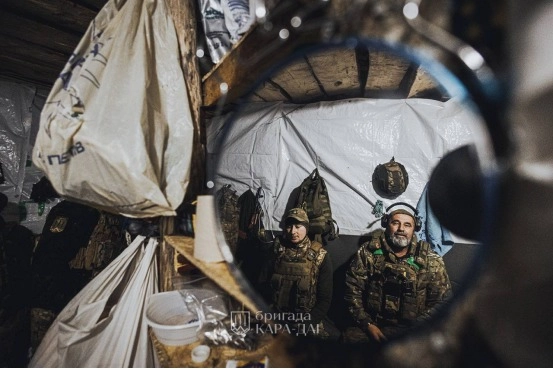
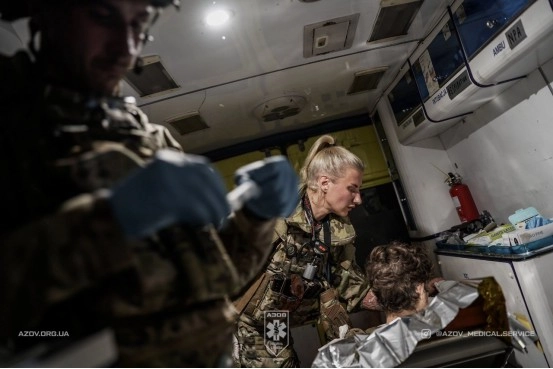
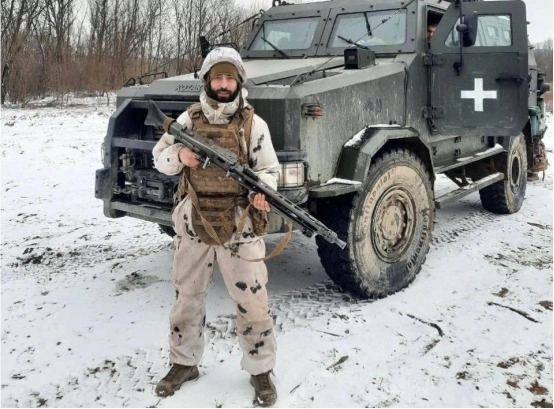
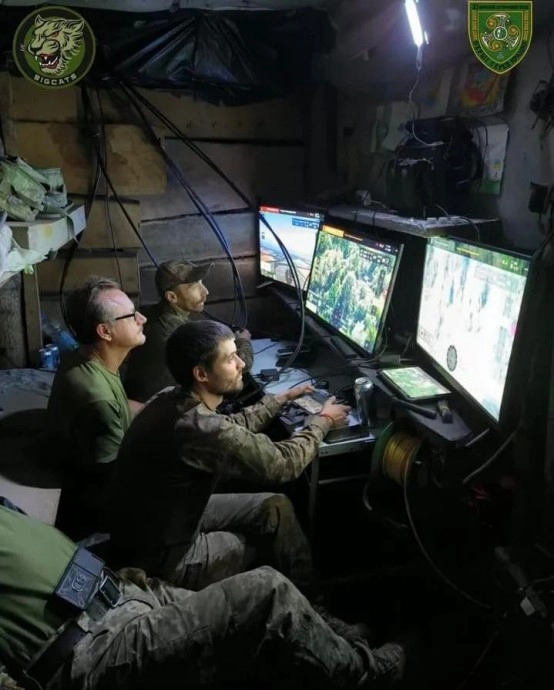
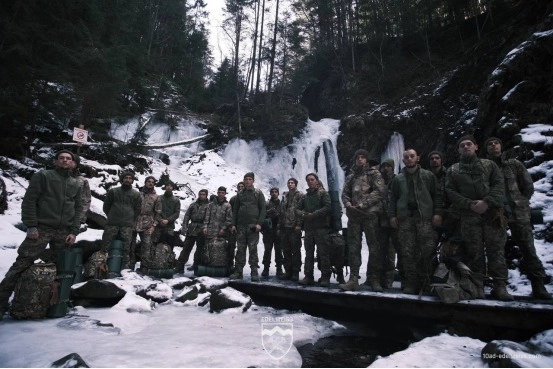
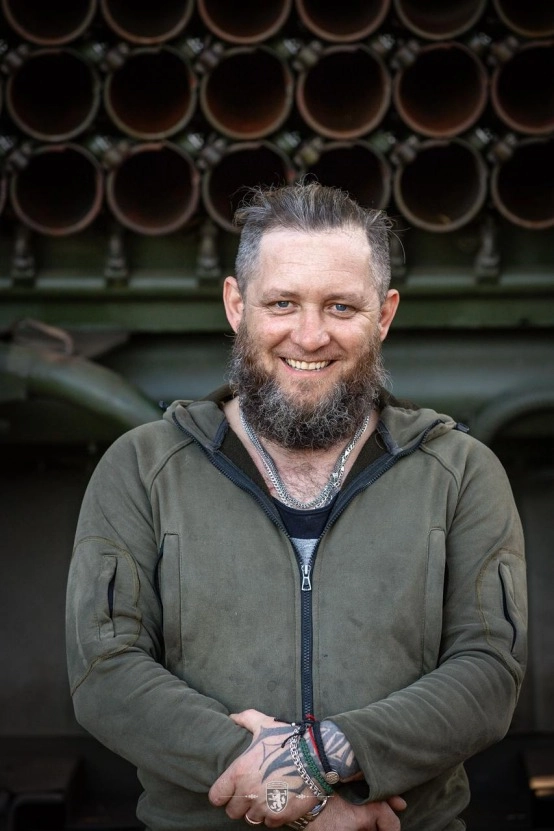
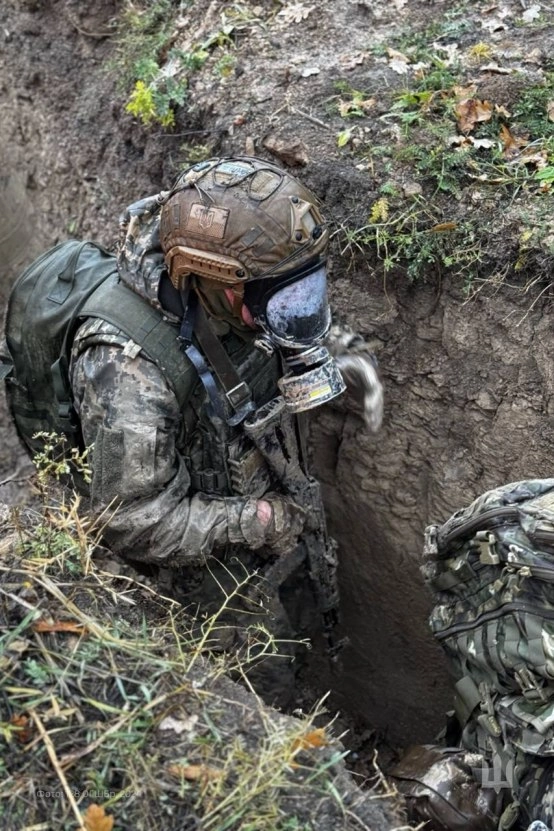

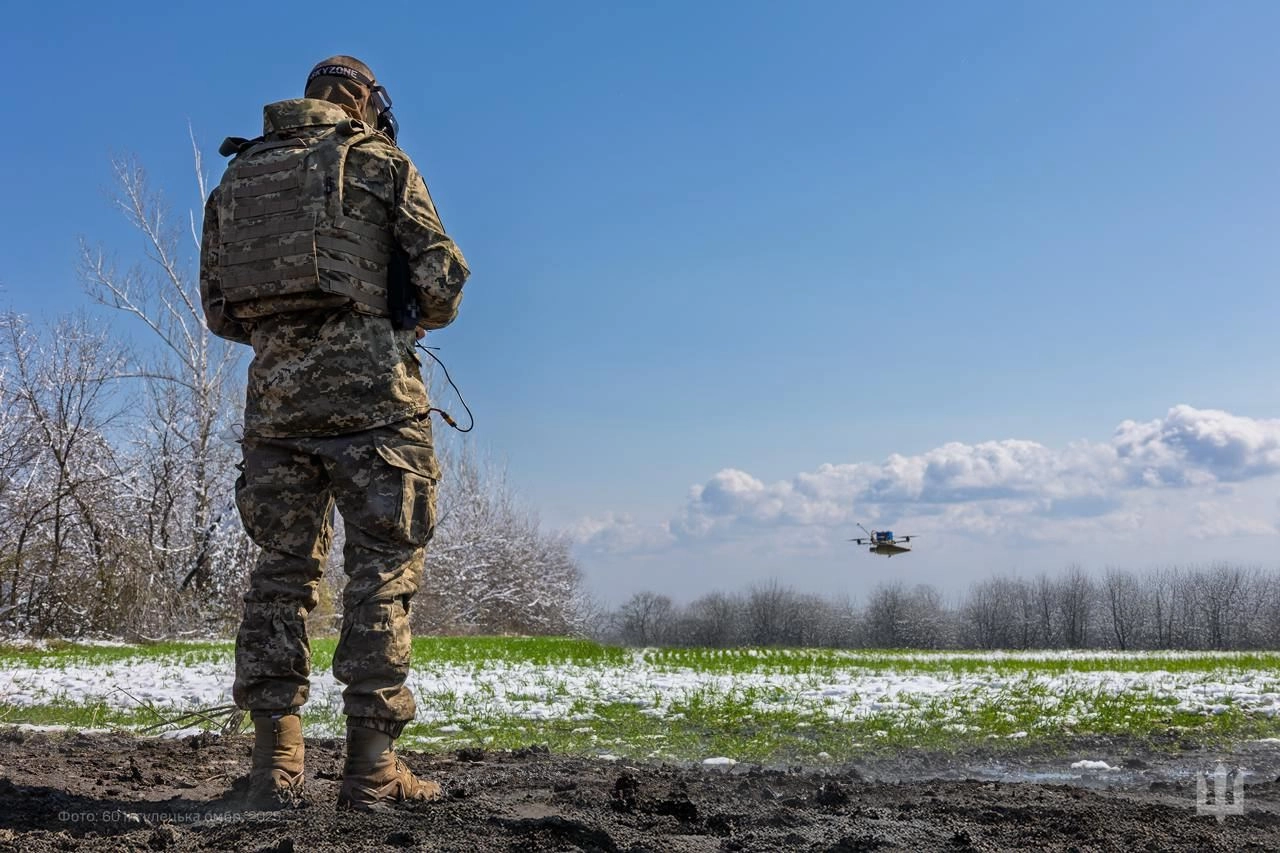
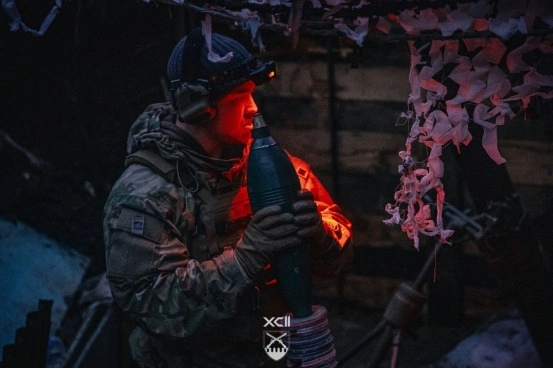
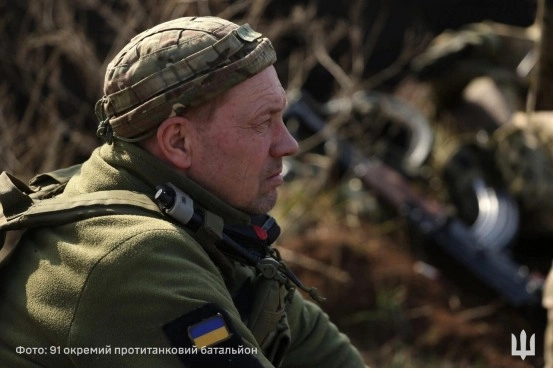
The next big Russian offensive
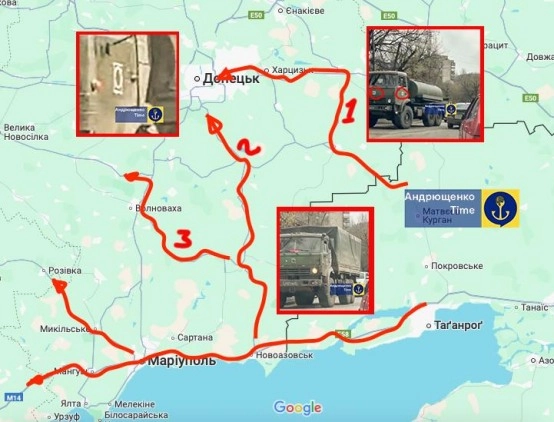
The background noise, indicators and inside reports – this is reporter speak for: “I’m really reading and hearing a lot about this, so I think I better look for a trend before the competition spots it and makes me look stupid” – have been piling up that the Kremlin’s war plan for the spring is to press Ukraine hard on all fronts.
In general, the Russian plan is to increase attacks at multiple locations and try and spread the Ukrainian defenses out.
There’s all sorts of “sky-is-falling” messaging out there: the North Koreans are coming (again), Russia has assembled 65,000 men in Kursk Oblast, the Russians are (1) Across the Zherebets River in strength, (2) About to intervene in Chernihiv region (3) About to make big pushes in Donbas against Lyman and Toretsk and that will cut off Sloviansk and Pokrovsk (4) Pushing raiding groups across the Dnipro (5) Attacking again in Zaporizhzhia region (6) Very shortly will double glide bomb drop counts.
It’s all over the news and probably you have bumped into pieces of it. If it seems to you like a whole lot of very unfocused Russian military activity, then it might be worth looking again.
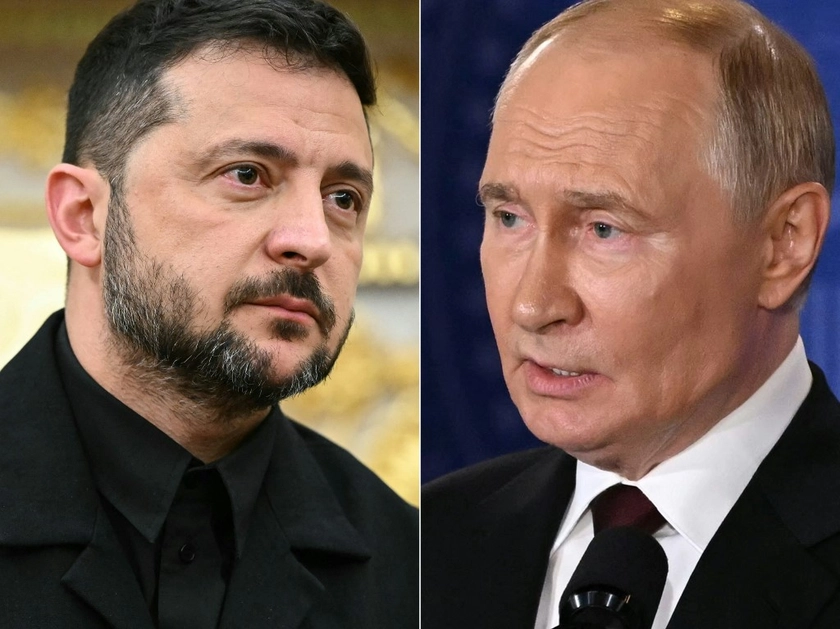
The Russian main focus is very clear: Destroy ZSU fighting capacity first, take ground second. Talk ceasefire after defeating the ZSU. Vladimir Putin, on March 27, was pretty clear on the plan for his spring offensive:
“Along the entire line of combat contact, our troops have the strategic initiative. And there is every reason to believe...there is every reason to believe that we will finish them off.”
Anders Nielsen, a military analyst at the Royal Danish Defence College, in a recent post, laid out the real-life barriers to Putin’s aspiration, and I see no reason for me to rewrite his conclusions:
- The first problem for the Russians is the exhaustion of their army.
- Another problem is the extension of the front line.
- The third factor… is drones…shift(ing) the balance of power in favor of the defender.
- The task…looks extremely difficult…there are doubts about how successful such attempts can be.
- It is unlikely that the Russians have an alternative.
- The problem for the Russians is that their resources are not endless.
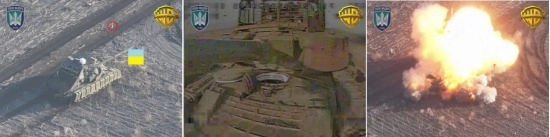
The explosion is a pretty convincing counterpoint to President Putin’s position, I think.
As reinforcement to Nielsen’s points about Ukrainian drones and probable Russian success, below is a link to a “turtle tank” that was armored with steel, anti-drone sheeting, and wooden walls like a log cabin.
Also, I’ve put together a three-image panel of a Ukrainian drone (414th Brigade, “Ptakhi Madyara”) engaging an apparently quite new Russian T-80 BVM tank upgraded with anti-drone armor, including enhanced side skirts. The drone destroys the tank by flying through the driver’s hatch. The explosion is a pretty convincing counterpoint to President Putin’s position, I think.
The peacekeeping force that won’t be a peacekeeping force
This week saw some meetings between the Europeans and Ukrainians appearing to focus on a European troop presence in Ukraine should a peace ever be achieved.
As I have written earlier, I see these discussions primarily as a combination of European responsible government and a tactical heading off of easy-to-predict American accusations.
In simple terms, it makes sense for those states that might somewhere down the line deploy military force to Ukraine to have a properly-thought-out plan. Also, as that planning goes forward, the Trump administration – which loves to hate Europe – can’t blame the Europeans for sabotaging the Russo-Ukraine “peace deal.”
In my view, again, as expressed before, the “peace deal” is absurdly unrealistic and White House claims otherwise are a mix of rhetoric for the domestic political base, and geo-political incompetence.
Still, as a result of the discussions and media reporting, a few more details have emerged about what the European troop deployment might look like, and what it wouldn’t be.
It will be broken up into four action areas, called: Safe skies, Safe seas, Peace on land, and Make the strongest possible deterrent. Different countries will participate in action areas as they choose and to the extent they can sell the idea to their electorates. It will be called “The Coalition of the Willing.”
Although nobody is saying it, either NATO will run the military parts of the deployments, or a command framework using NATO officers, NATO infrastructure, and NATO SOPs will run things.
For instance, Britain and France are likely candidates for “Safe Skies,” after they have been practicing joint military air operations over SE Romania and the Black Sea for several months. Germany is unlikely to deploy ground troops to Ukraine but it can be expected to “Mit vollemEinsatz” throw hundreds of millions of Euros at Ukrainian arms manufacturing (under Rheinmetall license natürlich).
The bell on the cat, the $64,000 question, the unresolved-but-definitely-being-reviewed-by-our-experts-challenge, remain the rules of engagement for those forces.
The idea is that ceasefire/peace justifying European commitment to Ukraine will probably develop piecemeal, so piecemeal responses are being planned.
There will be US participation on the intelligence collection front, but it will be concealed so the US government can preserve the fiction that America isn’t involved. British Defense Minister John Healy, on April 10, called the ground component a work in progress but gave it a name: “a reassurance force.” He said as many as 30 states could participate in one way or another.
The bell on the cat, the $64,000 question, the unresolved-but-definitely-being-reviewed-by-our-experts-challenge, remain the rules of engagement for those forces.
This specifically means, what a European ground, sea or air unit might or might not be allowed to do, were a Russian (or Ukrainian) unit to threaten it, fire on it, or violate some ceasefire term the European unit was there to observe or maybe enforce.
None of this is resolved, and what’s more, none of it is being discussed, as nearly as I can see.
Artillery hunting stats and drone tactics – shoot-and-scoot is becoming scoot-and-die
This has been sort of a secret, but widely known in the Ukrainian military media/milblogger community, but now that the Russians are talking about it I guess it’s OK to put it out in English.
The data point actually is open source, to wit in the past three months Russian artillery losses have shot up dramatically, in the Kursk and Donetsk sectors in some months by a factor of three. How did this happen?
On the tech side, what’s been happening is that the Ukrainian drone battalions – these are the bigger units fielded by the ZSU, like mobile artillery – appear to have reached a critical mass of two types of aircraft needed to take over airspace 15-20 kilometers (9.3-12.4 miles) behind Russian lines.
One is observation drones big enough to carry the fuel for extended flight time but small enough not to be easily spotted and engaged by Russian air defense systems. Ukraine makes an airplane-type drone (Shark) and a flying wing-type drone (Hrim) that do that.
Although there are never enough, word from the front is, drone units usually have enough of these aircraft around to patrol their sectors fairly thoroughly.
The second piece of the drone equation is that the Ukrainians have shifted from buying rolls of fiber optic cable to make attack drones invulnerable to jamming, to manufacturing the cable rolls themselves. This has reduced cost and increased quantities of attack drones capable of flying deep (like, up to 20 kilometers) behind Russian lines trailing a fiber optic cable making the pilot’s instructions impossible to jam.
Then there is the operational piece. In the ZSU, drone unit deployments are no longer seen as up to low-level commanders and sort of nice-to-have but not a proper battlefield tool, but instead are just a conventional combat support unit (the US military jargon would be “force multiplier”) that a chain of command thinks about how to use rationally and for which commanders set priorities using intelligence and staff work.
In the Donbas sector, which is the bailiwick of Joint Forces Khortytsia, commanded by the now several times-promoted General Mykhailo Drapatyi, the chain of command decided that the best way to use drone units assigned to it, and to take advantage of good numbers of observation drones and fiber optic-equipped strike drones, was to hunt Russian artillery.
So, the Ukrainians see where the gun goes to hide, at times they literally follow its tracks...
According to the Russian rah rah milblogger Dva Majora, the Ukrainian drone pilots are taking advantage of Russian army doctrine that calls for the gunners operating an artillery piece to shift locations immediately after firing and once at their new hide, camouflage their gun as quickly as possible. This has been standard drill for most of the war, for artillery for both sides.
However, in recent months, in the Donbas sector, the Ukrainian drone presence above the places the Russian artillery hides, and from which the Russian artillery drives to firing positions to do the traditional shoot and scoot (this tactic dates back to the Napoleonic Wars at least), is near-total.
So, the Ukrainians see where the gun goes to hide, at times they literally follow its tracks, and if they can’t find it in the woods or bushes then they scour the surroundings and look for signs of habitation like trash and – I’m not making this up – disturbed leaves or discolored dirt.
Once the Ukrainians figure they have a probable target, they call in a strike drone. Usually the first hit blows away enough leaves and branches or building roof etc., to make clear whether or not a gun is actually there. If it is, see above, there seem to be enough drones to hit found targets.
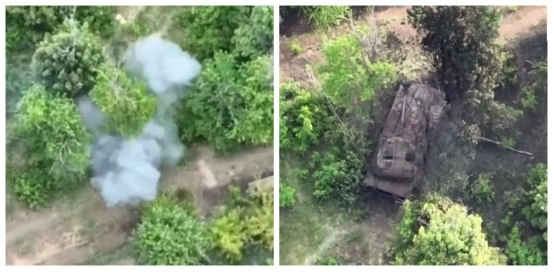
The stat is Ukraine destroyed 1,644 Russian artillery pieces and mortars in March alone. In just one sector. Twin image of a Russian 2S1 getting found and hit by a first-person-view (FPV) drone.
F-16 repair in Slovakia
A news item came down the pike this week that the Norwegian company Kongsberg Aviation Maintenance Services (Kongsberg) signed an agreement with the Slovak defense company Letecké opravovne Trenčín (LOTN) to run a regional maintenance, repair and upgrade (MRO) center for F-16 fighter jets in Trenčín, Slovakia.
From the NATO point of view, this is (I assume) Lockheed investing money as a responsible arms manufacturer to support product users, who include Bulgaria and Slovakia, which just started flying F-16s, and Romania whose air force just increased F-16 aircraft counts, plus Lockheed has a vested interest in NATO (even if the Trump administration says America does not) and a Slovakia-based repair facility supports NATO air defense focus.
There already was a big F-16 maintenance facility in Poland (Military Aviation Depot No.2, Bydgoszcz), this appears to be the second such facility in far eastern NATO-land.
Since we know they’ve had work done on them in Bydgoszcz, it’s logical that Ukrainian F-16s could be serviced at Trenčín as well. The press statement says: “The Trenčín center will be a strategic hub for F-16 operators in Europe, offering services for both older models and the latest Block 70.”
I read that Kongsberg has more than 40 years of experience servicing Norway’s F-16s, so if Ukraine sends one of its F-16s to Slovakia for service, it’s more than probable the Kongsberg techs will have already worked on the aircraft personally, or at least have all the maintenance records, by tail number.
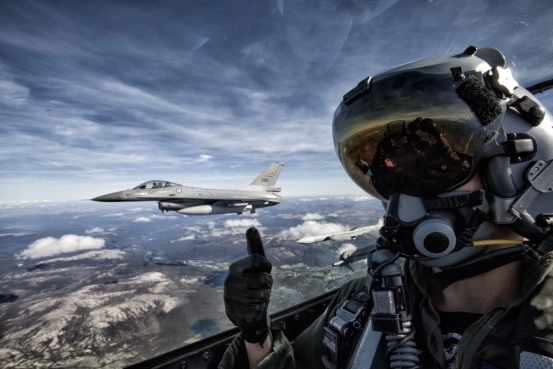
I hope you are not surprised by the F-16 image.
The ceasefire – You tell me if this looks like progress
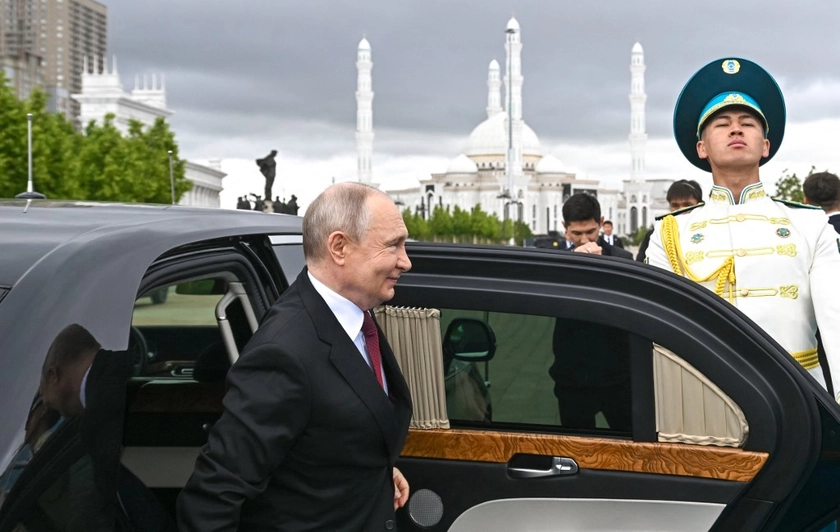
This week there was a new round of Russia-US talks in Petersburg, Putin met with the Trump real estate/golfing buddy Steve Witkoff.
They talked for four hours which sounds like a lot until you account for translation and the very likely Putin need to make declarations about Russia’s holy mission and how Ukrainians don’t exist.
Moscow. Witkoff afterwards tells media the easiest way to get a peace deal is Ukrainian capitulation: All four invaded provinces go to Russia, Ukraine emasculates its army, Zelensky is thrown out of power, no reparations to Ukraine, etc. The point to take here is that this is a US representative picked by the President saying something other than: “The easy way is for Russia to leave Ukraine.”
Parallel with that, the guy Trump has picked to talk to the Ukrainians, a retired general named Keith Kellogg, has an interview with The Times and says Ukraine would never go for that, but, what might work would be a de facto division of Ukraine similar to Berlin or German occupation by Allies after World War II.
Naturally, The Times runs the interview headlined “US Official Supports Ukraine Partition.” The Times’ graphic section even drew up a spiffy map.
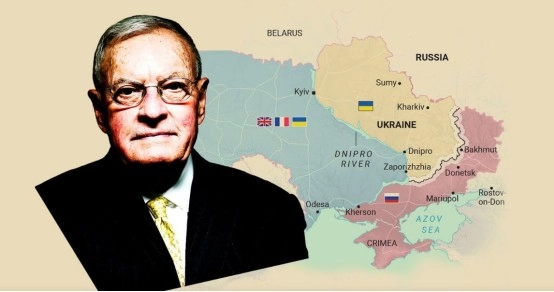
After that Kellogg posts on “X” that the Times misquoted him, it was evil media trying to undermine a faithful US public servant, and actually he had been talking about Ukraine’s status following a peace deal everyone signed including Kyiv, and not what the Germans, Austrians and Russians did repeatedly to Poland in the 18th century at the point of a musket with a bayonet at the end of it.
This week also saw a Ukrainian delegation go to DC to discuss a US-Ukraine mining deal. NYT publishes the secret terms, also capitulation by Ukraine. No US security guarantees, the value of all US aid to Ukraine from 2014 through present is repaid to the US by money earned by joint mining activities, 50% of all profit of Ukrainian natural resources developed under the deal goes to the US, ALL profit from joint projects goes to US until “debt” is paid, US gets 4% automatic profit per year, the US has right of veto on whom Ukraine can sell its mined resources to, during the first year of the deal Ukraine may not agree with any other country to mine resources on more favorable terms.
Among the Ukrainian red lines embedded here are (1) many of the terms would violate EU rules for an individual country negotiating minerals development, meaning if the agreement were signed Ukraine would block its own eventual accession to the EU and (2) The Ukrainians say the agreement was US aid in the past was support – not a sale – that was the deal at the time, the US should keep its word.
I’ll end this section with some recent comments by Ilham Aliyev, the President of Azerbaijan and as such probably a person with an excellent insight into security relations in Eastern Europe, Russia, Ukraine and the possibilities of peace in the region.
His view put out into media this week went like this:
“I personally, being a realist, do not see any prospects for peace between Ukraine and Russia in the foreseeable future. Russia declared the occupied territories part of Russia. How can they retreat from this? Ukraine, like the whole world, considers these occupied territories part of Ukraine…(A)nyone you ask will say: ‘We want the war to stop immediately.’ Yes, we want too. But the main question is how to do it and will this potential, or temporary, ceasefire be sustainable or not? As the leader of a country that experienced two hot wars and the period between them, I can tell you that a ceasefire never stops a war. Never.”
Without America’s backing is not the same thing as alone
There is a flip side to the current US ideology of America First, which critics sometimes call “America Alone.”
Although it didn’t make the Western mainstream, at the end of the week, Zelensky said Ukraine was ready to buy, for cash, US weaponry to the tune of $30-50 billion.
If the Americans cut off all US weaponry right now ... Ukraine can and will defend itself effectively.
Ukraine doesn’t have this money, so the assumption is it would be donated or loaned by the Europeans. But Kyiv’s message to the Beltway is clear: If the Americans think Ukraine needs US weapons so badly they can be straight-jacketed into a Belgian Congo-style mineral development deal, and no other deals could reach the table, the Americans are wrong about that.
Tactically, this means talks on the mineral deal are far from finished, no matter what the White House press office says.
Zelensky’s top commander General Oleksandr Syrsky this week said it straight up and clearly: If the Americans cut off all US weaponry right now, and sent no more for the indefinite future, Ukraine can and will defend itself effectively.
This week also there was a flurry of new non-US Western assistance commitments to Ukraine at the latest Ramstein conference. A link to a write-up is below, but one part of the news is that if Europe continues supporting Ukraine at this pace, then during 2025, Ukraine will certainly have Western arms support on par with 2024, and it might even be more. The other part is, there is a clear and organized focus on delivering the things Ukraine needs most – drones, artillery systems and artillery shells, and air defense.
What’s more, the visible plan is to manufacture it in Ukraine if possible. Since Ukrainian workers are simultaneously among Europe’s most technically skilled and cheapest to employ, this is a policy direction where the more money that is thrown at it, the more production the war effort will get.
Read here for a general picture of that.
Production stats on Ukrainian weapons that hit Russia: Cruise missiles and long-range attack drones
Most of you will recall that from the start of the war, a big problem with US weaponry sent to Ukraine was that when the Ukrainians decided to maybe use it against Russians in Russia, the White House banned it because they were afraid of World War III or maybe they thought nuclear superpowers should look after each other.
This led to the frustrating-for-Ukraine situation of the Americans providing this brilliant satellite intelligence of the exact locations of Russian generals, ammunition dumps, bomber squadrons, and critical weapons production facilities deep behind Russian lines, and at the same time, banning Ukraine from attacking those juicy targets because it might upset Russia.
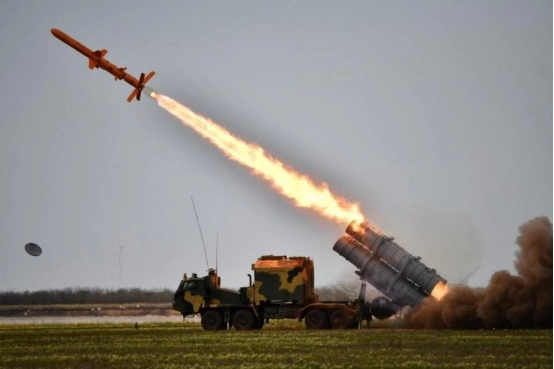
According to Ukraine’s Ministry of Strategic Industry (Saturday statement), Ukraine, since 2022, has increased its production of long-range cruise missiles by a factor of eight. This is primarily the Neptune and variants that reach now up to about 500 kilometers (311 miles).
Long range drones (now capable flying 1,000 kilometers / 621 miles), in 2024, doubled production compared to 2023, and that value was 22 times greater than long-range production in 2022.
A time must be coming when a Ukrainian long-range bombardment of targets inside Russia could overwhelm Russian air defenses.
We should take this data aboard carefully and qualify it as starting from a low bar, but over the same period, we have seen Ukraine’s short-range drone production go from several thousand to a couple of million a year, and that manufacturing process is still accelerating.
My guess is Ukrainians are probably already close to the point of making as many long-range weapons on their own as the West provides them – if they are not there already.
Logically, a time must be coming when a Ukrainian long-range bombardment of targets inside Russia could overwhelm Russian air defenses and badly damage, if not shut down, practically all energy production in western Russia.
At present the Ukrainians aren’t attacking Russian fossil fuel processing infrastructure particularly. However, Kyiv’s capacity to do so with very serious consequences not just for the Russian economy, but entire Asian nation economies, is growing and it looks to me the growth is inexorable.
Reprinted from Kyiv Post’s Special Military Correspondent Stefan Korshak’s blog. You can read his blog here.
The views expressed in this opinion article are the author’s and not necessarily those of Kyiv Post.
You can also highlight the text and press Ctrl + Enter