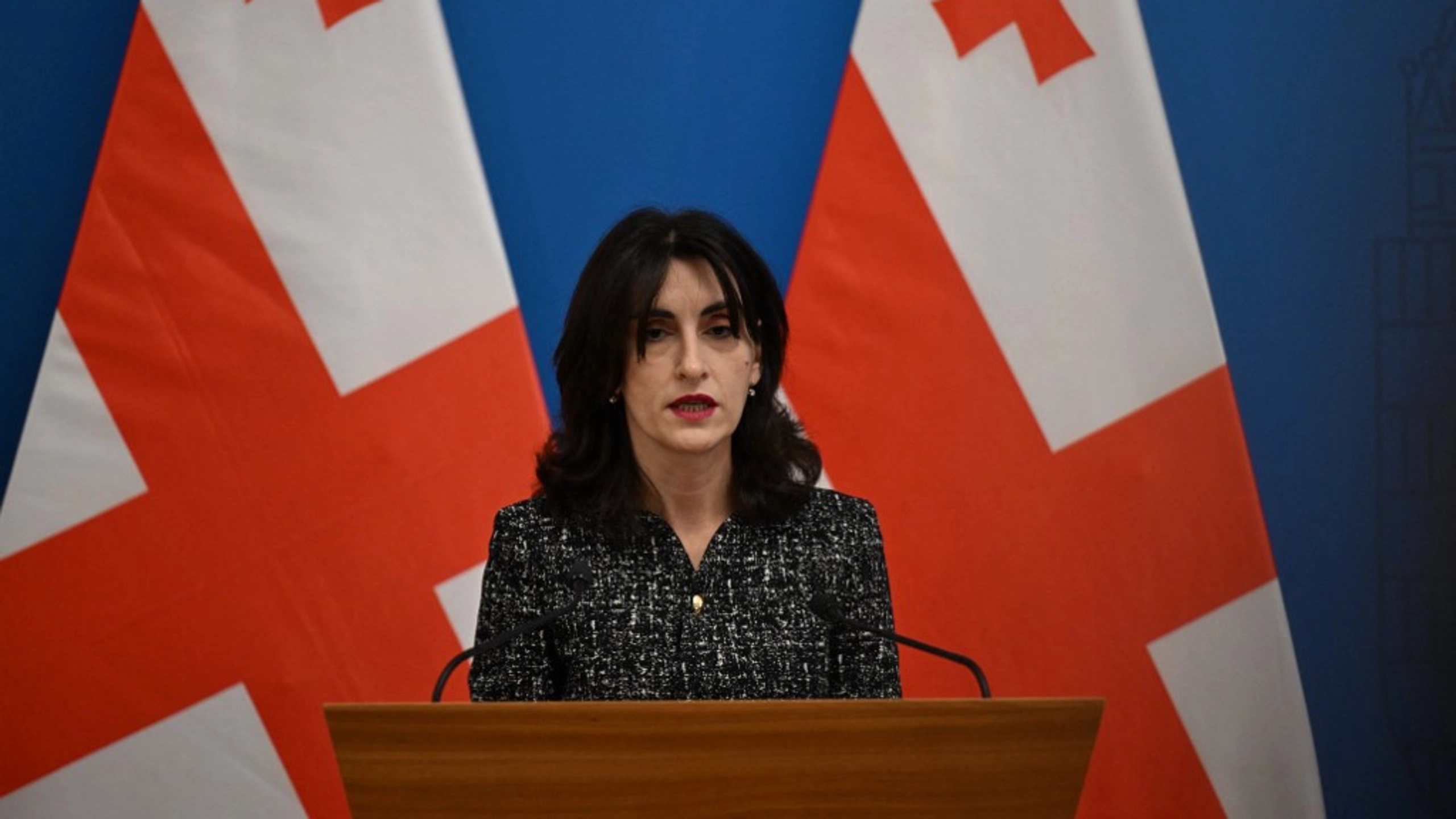
Georgia’s foreign minister said it is “impossible to talk” about restoring diplomatic relations with Moscow as long as Russia continues its “occupation” of parts of the country.
Russia invaded Georgia in 2008, capitalizing on escalated tensions between Tbilisi and the Black Sea country’s two separatist regions of Abkhazia and South Ossetia.
JOIN US ON TELEGRAM
Follow our coverage of the war on the @Kyivpost_official.
As a result of a conflict known as the five-day war, the two regions, backed by Russia’s military and economic power, declared independence. But they are widely unrecognized by the West.
In practice, the two regions, which together make up around 20% of Georgia’s internationally recognized territory, have become Russian puppet states.
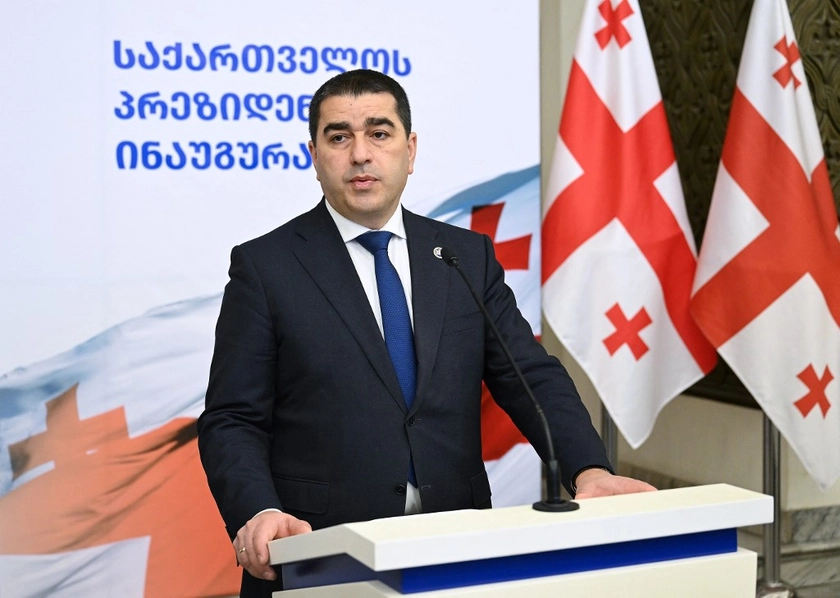
“Everyone knows well what the problem is between Georgia and Russia – the occupation of our territories, and this is precisely the number one obstacle to normalizing relations with Russia,” Georgian Foreign Minister Maka Botchorishvili said on Monday.
“Under the conditions of occupation, it is impossible to talk about the restoration or normalization of relations.”
Following the 2008 war, seen by many as Europe’s first military conflict of the 21st century, Georgia severed all official diplomatic relations with Russia.
However, the country, under the leadership of the anti-EU Georgian Dream party, has been moving closer to Moscow’s geopolitical sphere of influence.
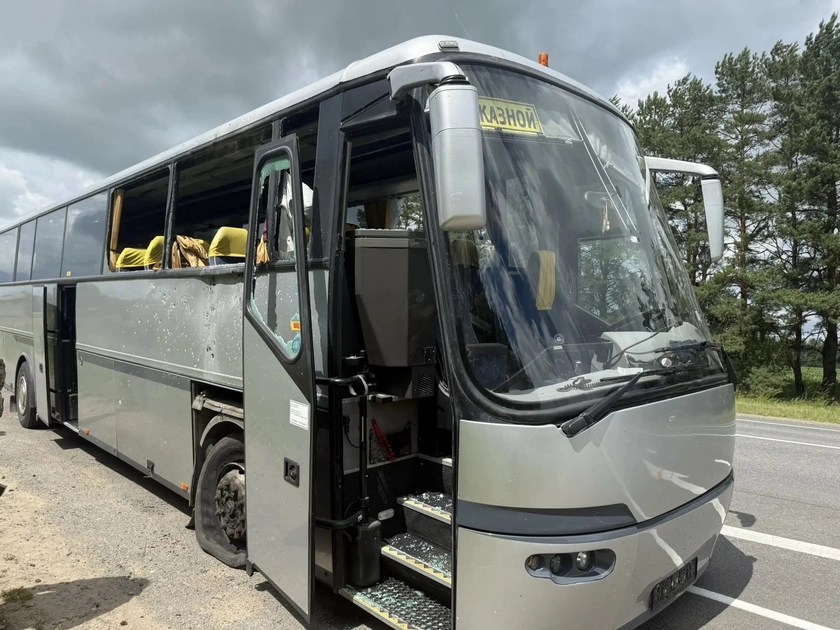
Ukraine Denies Striking Bus With Belarusian Youth Football Team
Georgian Dream, to which Botchorishvili belongs, has often been described as a pro-Russian political party by Western media.
Georgian Dream secured another term in office last October in what critics said were sham elections that violated basic voting rights and democratic freedoms.
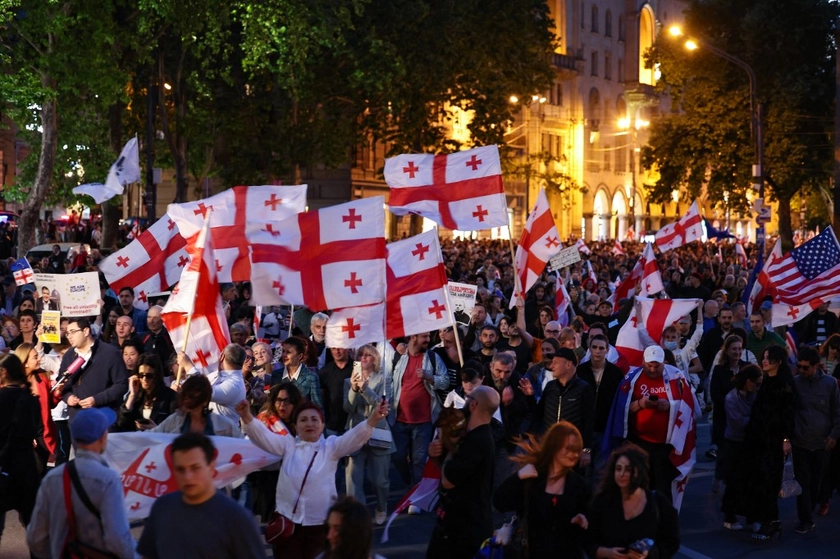
The party then froze Georgia’s EU accession bid and violently cracked down on mass anti-government protests that ensued.
Georgia has also passed a number of bills modeled on Russian legislation, including a “foreign agents law” and anti-LGBTQ bills. Additionally, it has refused to implement sanctions on Russia following the outbreak of the war in Ukraine.
Botchorishvili’s comments come in response to a statement from Russian deputy Foreign Minister Mikhail Galuzin, who on Monday said that “there are no restrictions on [Russia’s] part” to restore diplomatic relations with Georgia.
However, Galuzin added: “The decision of the Russian Federation to recognize the sovereignty and independence of Abkhazia and South Ossetia adopted in August 2008 is not subject to revision.”
You can also highlight the text and press Ctrl + Enter

Only 11% of Europeans Now See US as Ally, Poll Finds