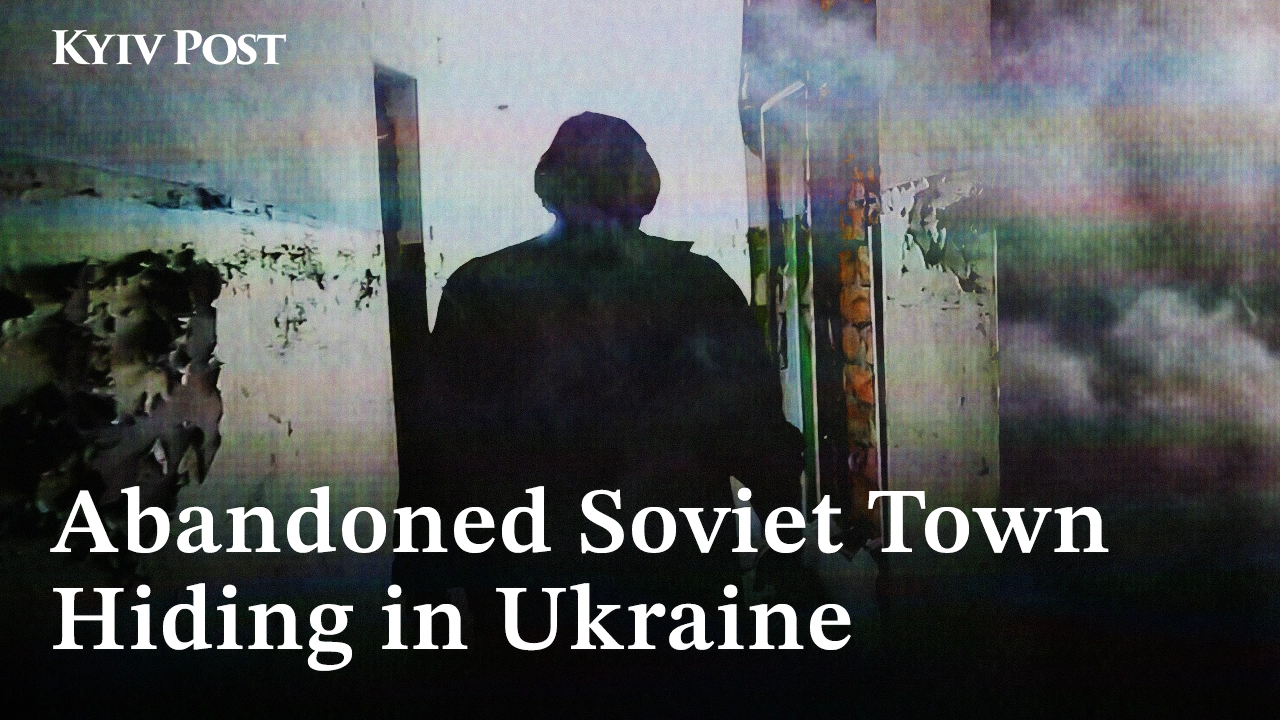
Thirty-nine years ago, the largest man-made disaster in human history occurred. But few people know that Chornobyl and the town of Pripyat are not the only abandoned nuclear power cities in Ukraine. At one time, according to Soviet leaders’ plans, Ukraine was supposed to become a truly nuclear country – the center of the Soviet nuclear program.
At first glance, it might seem like we are walking through the eerie streets of Pripyat. But no – this is Orbita, a city built in the mid-1980s right in the center of Ukraine, on the banks of the Kremenchuk Reservoir. Tens of thousands of people were expected to live here, working at a nuclear power plant that, like the one in Chornobyl, was planned to have four reactors.
JOIN US ON TELEGRAM
Follow our coverage of the war on the @Kyivpost_official.
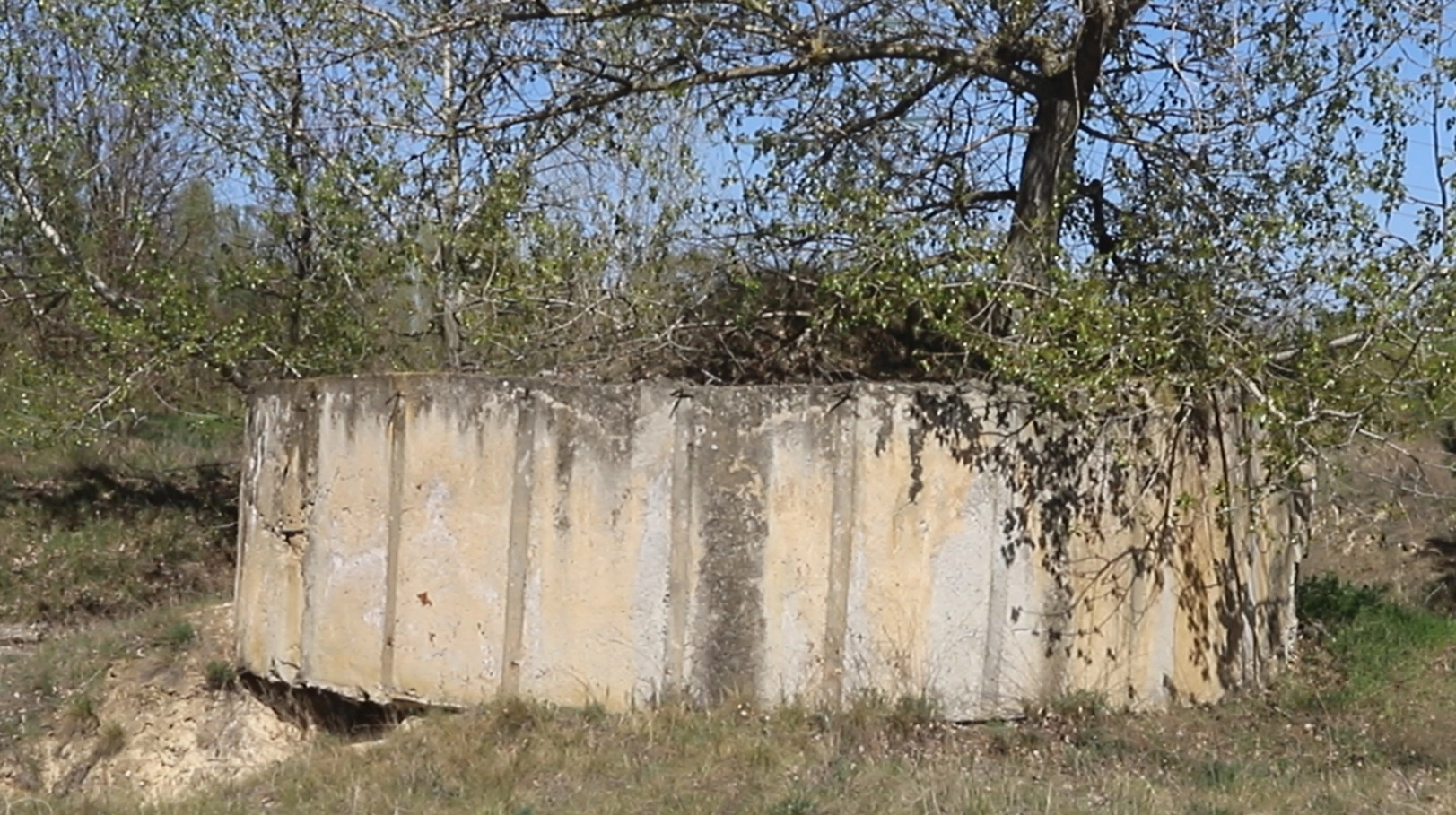
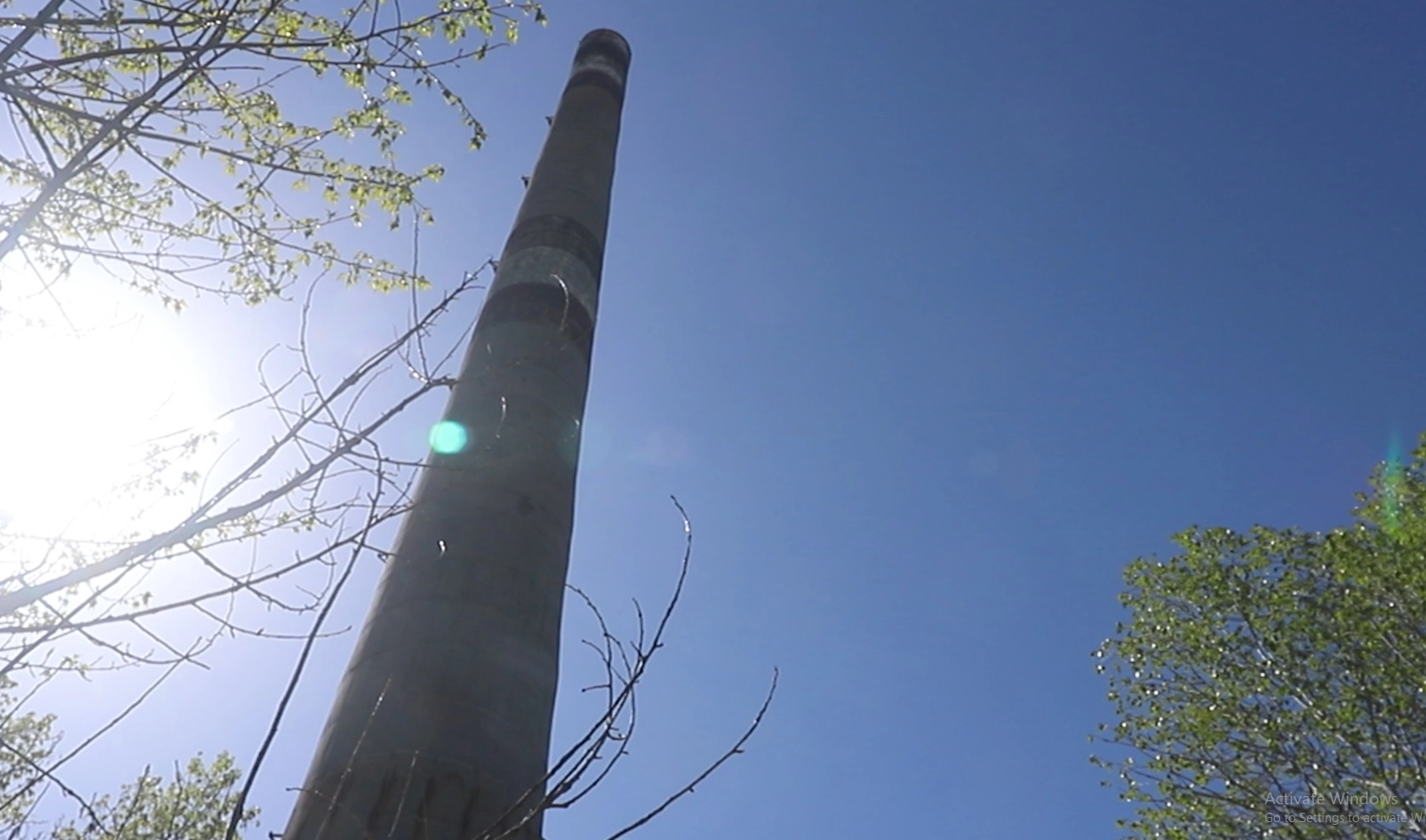
The construction project was colossal. Builders managed to complete a huge concrete industrial site covering several square kilometers, a ventilation stack, and foundations for two reactors.
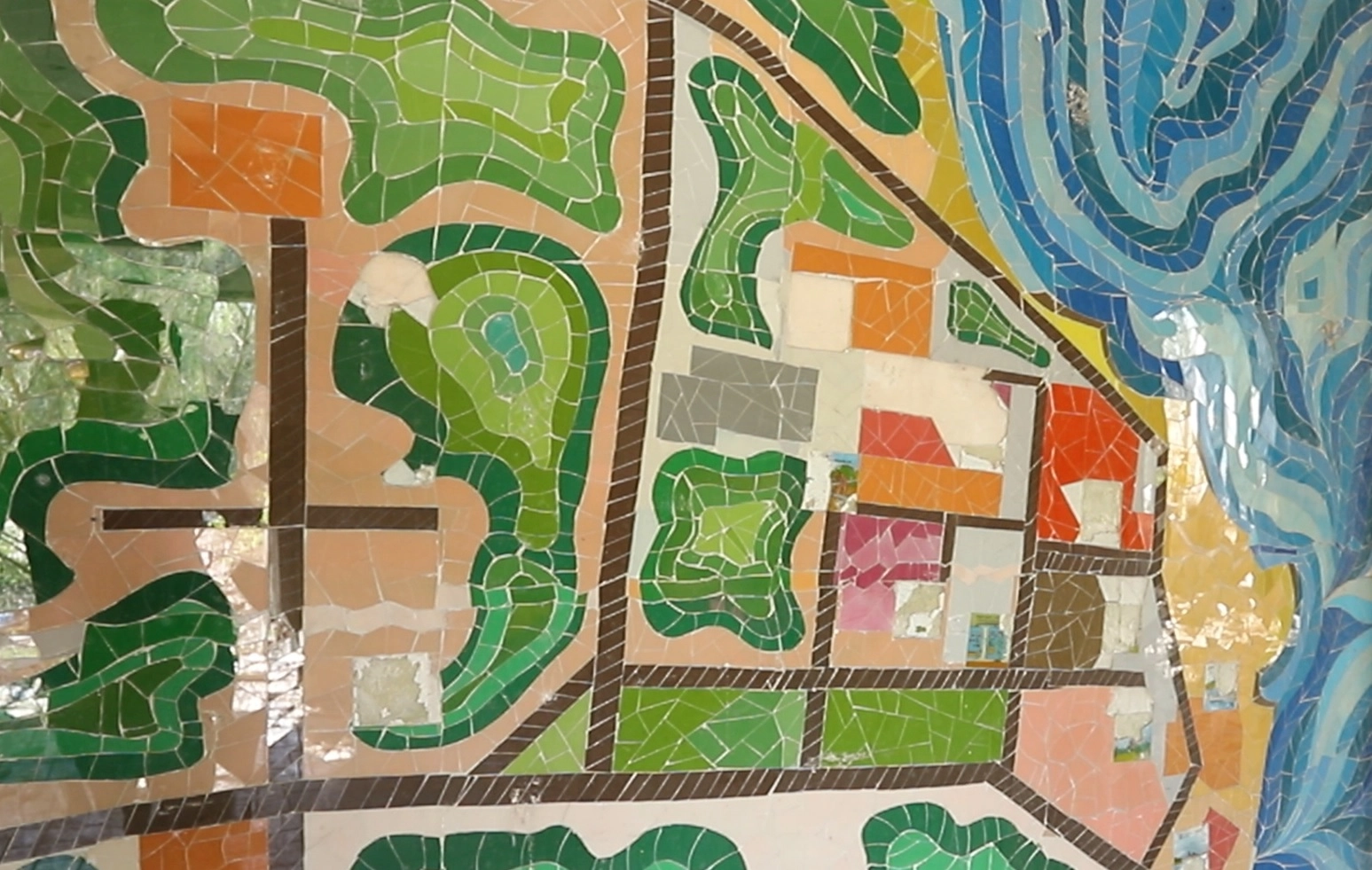
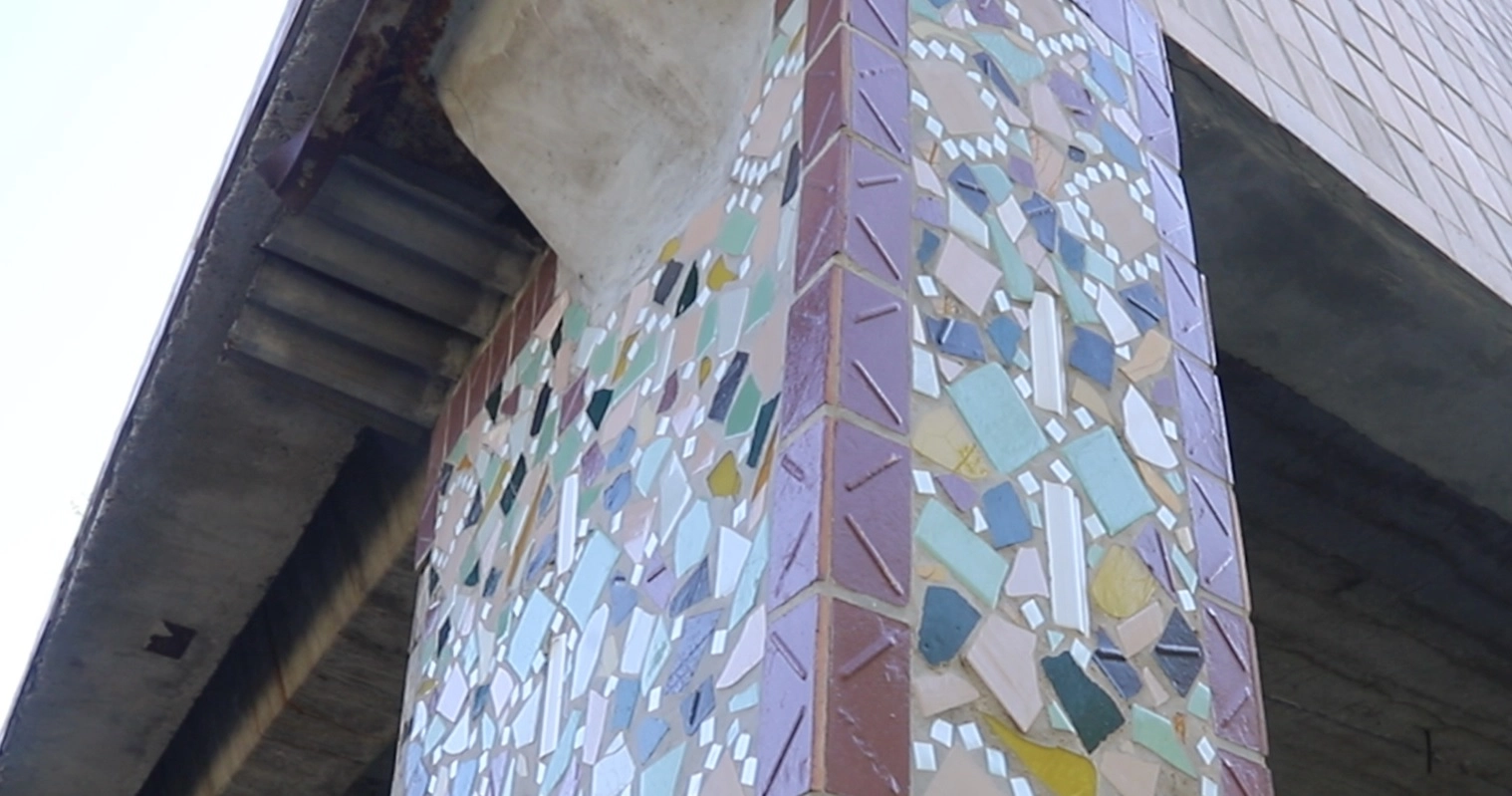
They also built the administrative building for the power plant, where a unique mosaic has been preserved in the lobby.
Ukraine Regained Battlefield Initiative but Needs More Aid to Keep It – Fedorov
Several apartment buildings with small flats were built, where hundreds of workers would come to settle. But the bright future they planned never came to fruition. After the Chernobyl disaster on April 26, 1986, the project was canceled. People who suddenly found themselves unemployed in isolated high-rises in the middle of the forest began to leave, and Orbita turned into a ghost town.
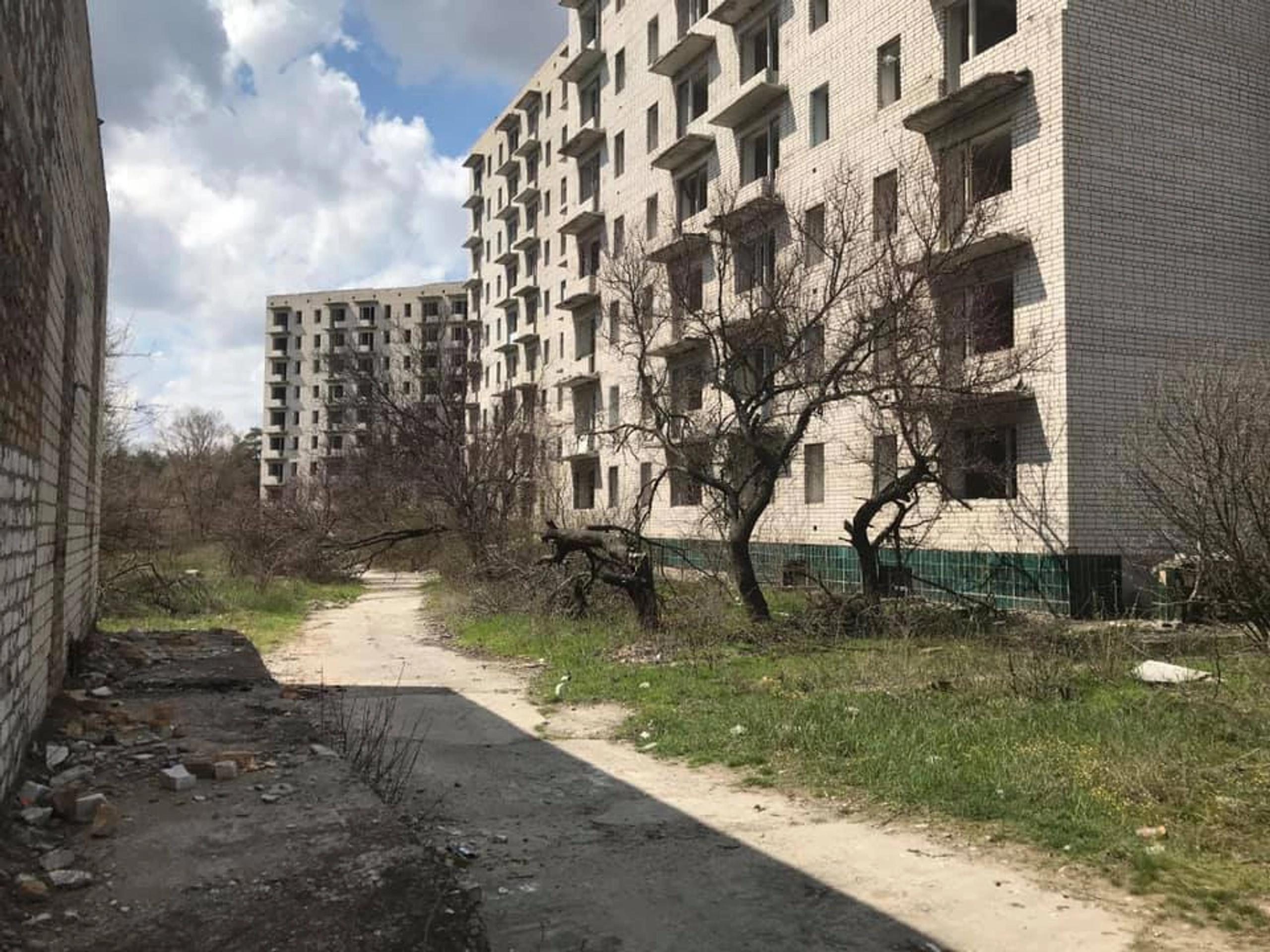
Let’s take a closer look at what remains.
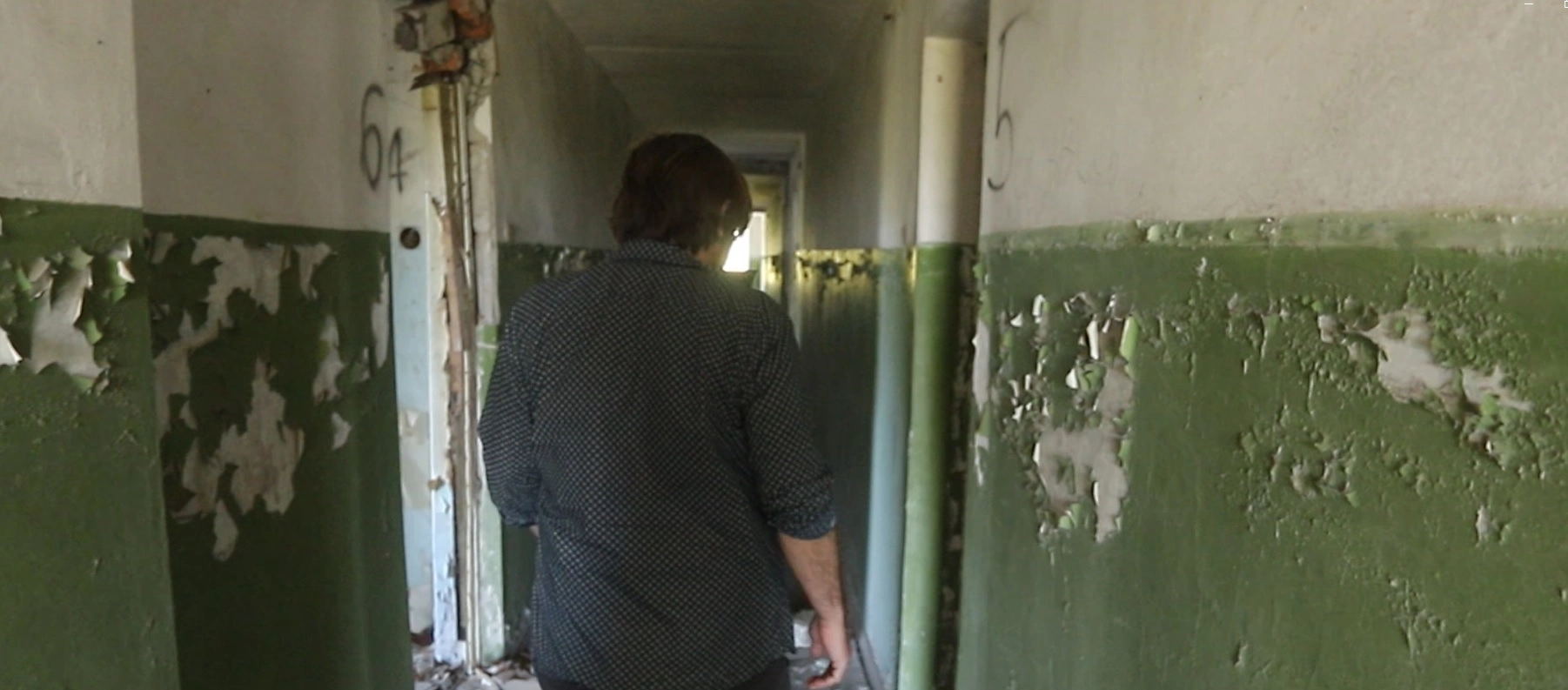
The buildings were typical Soviet-style houses, with modest one-room apartments.
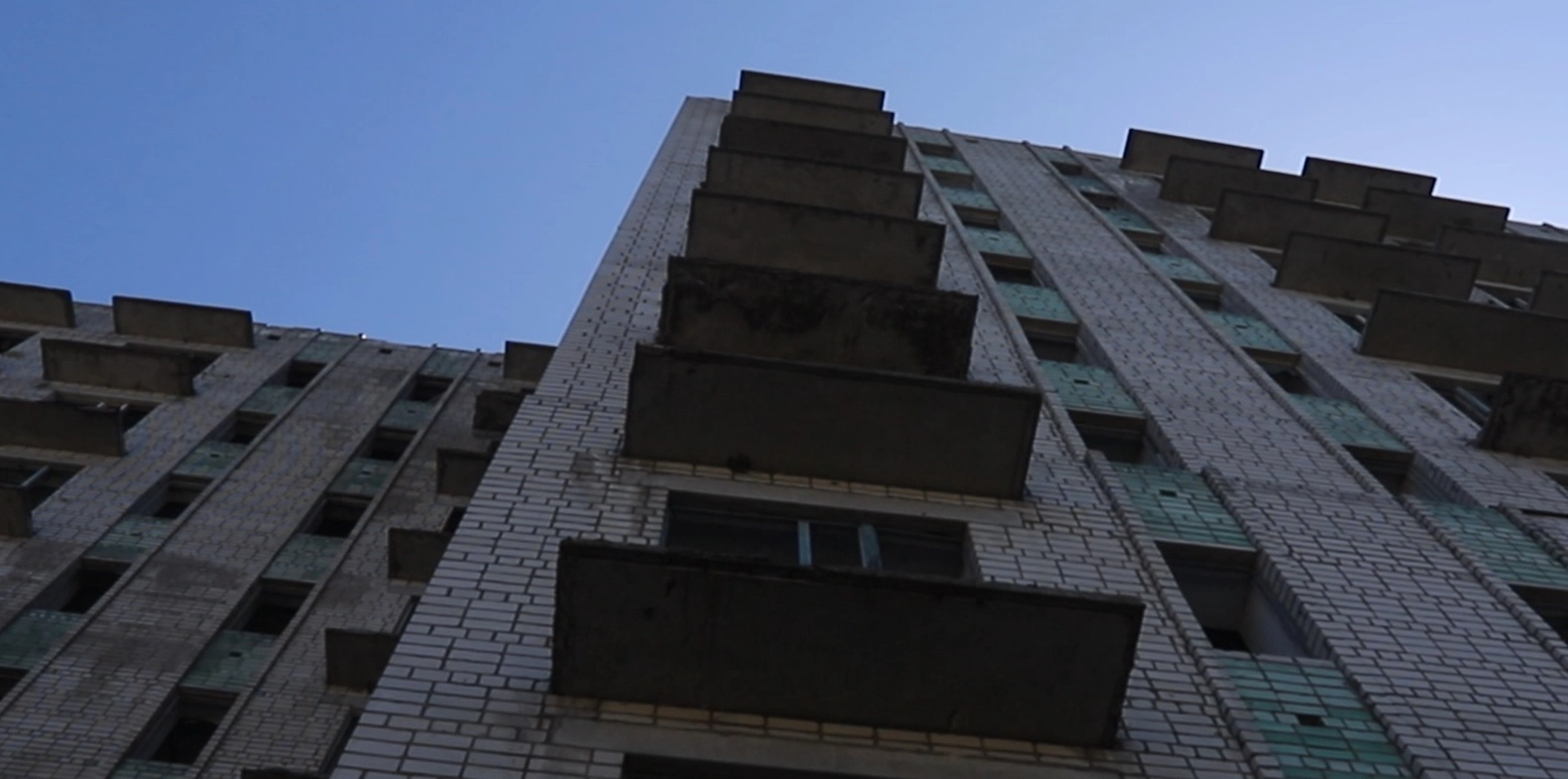
Still, people were eager to live here – the profession of a nuclear engineer was prestigious, and the location was pleasant.
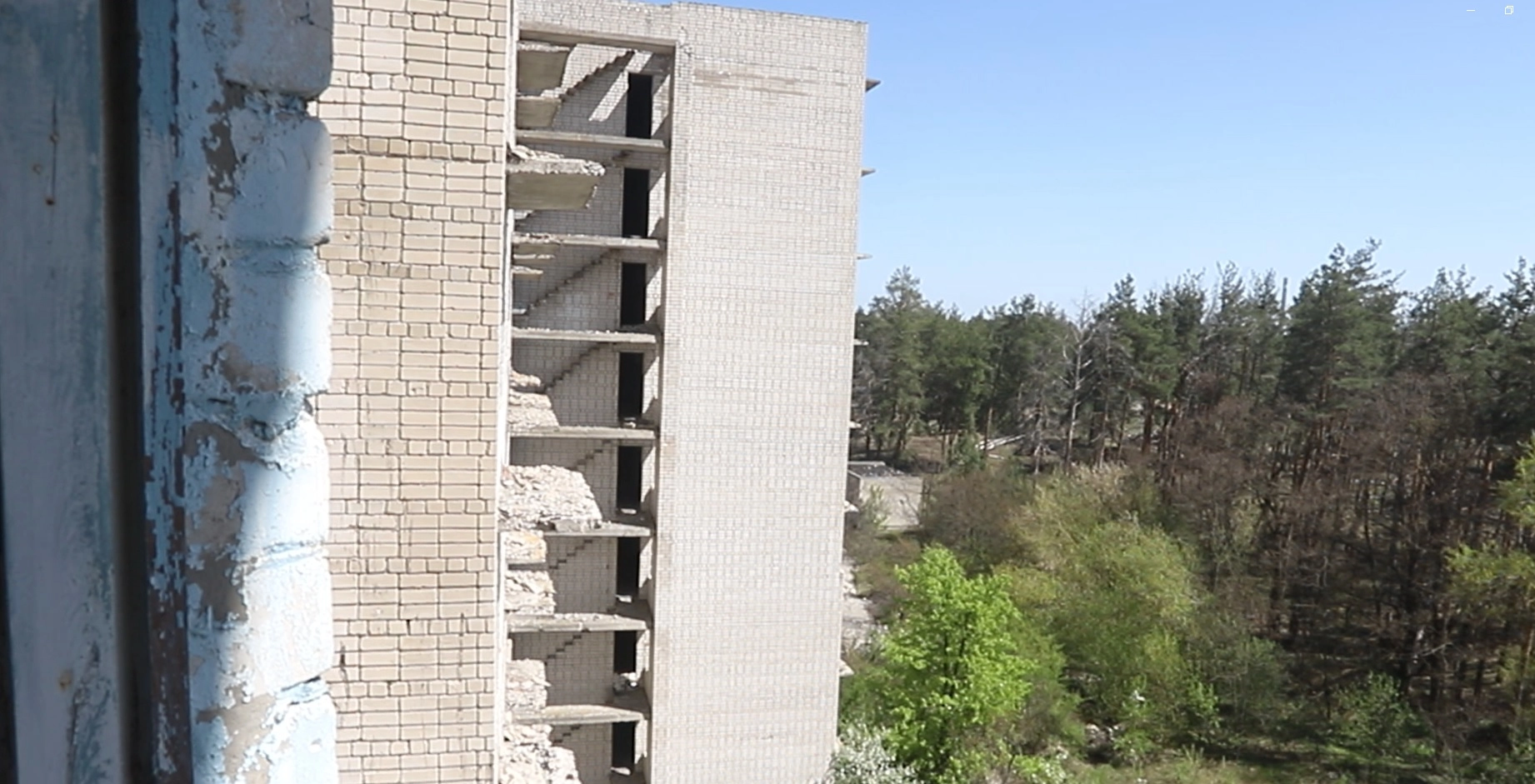
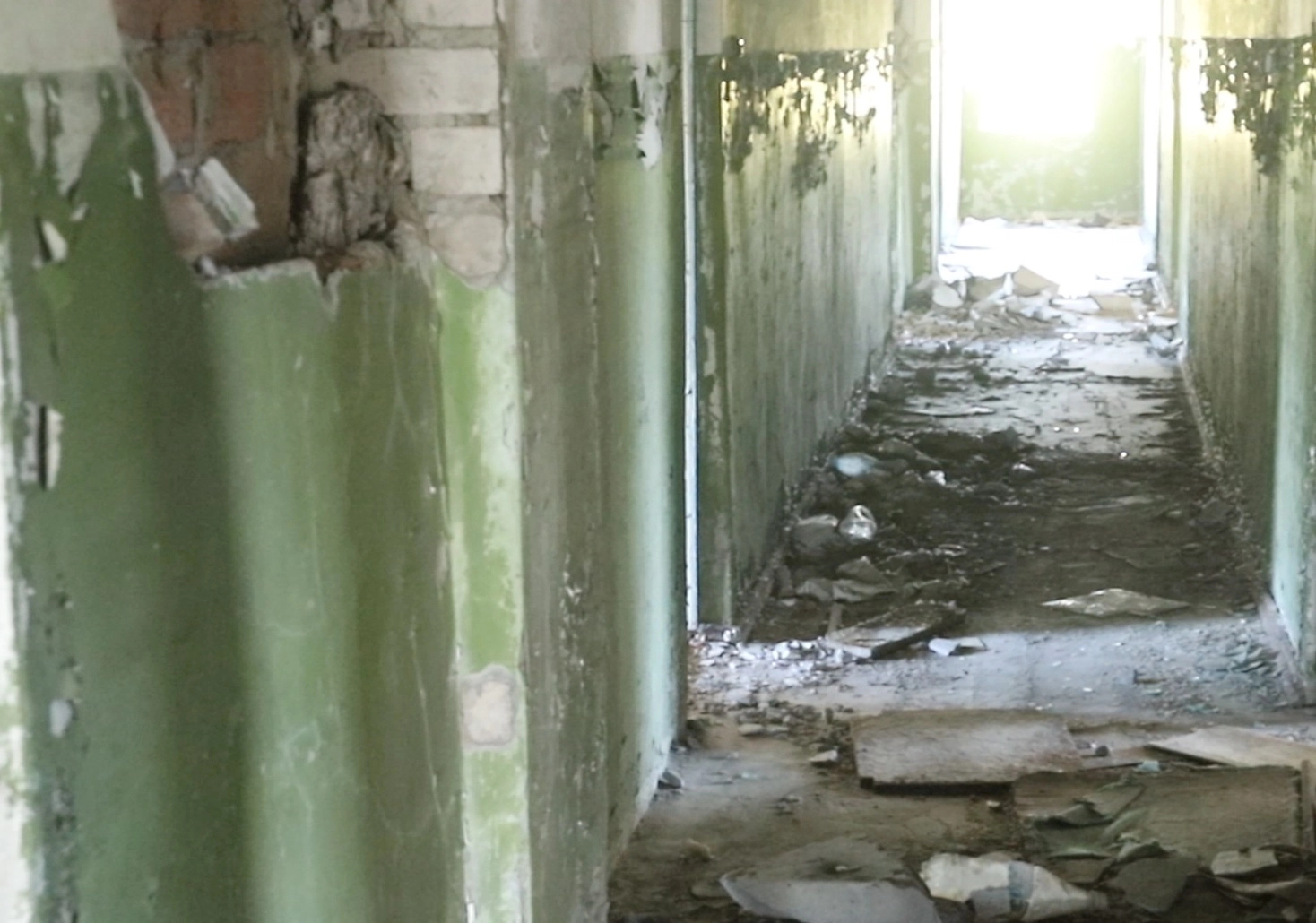
Over the past 40 years, most of the apartments have been destroyed. Unlike Chernobyl, this area is not radioactive, so access has remained open – including, unfortunately, to looters.
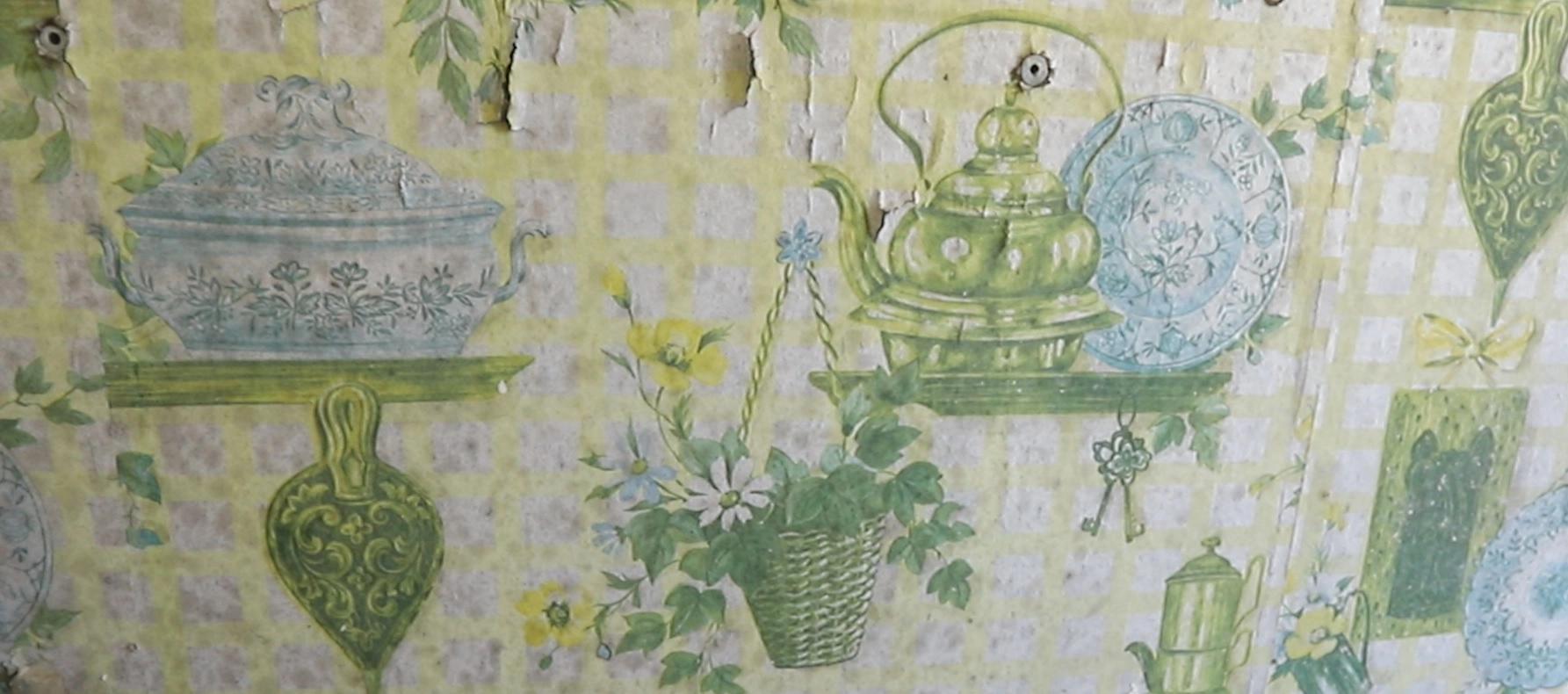
However, many fascinating artifacts are still scattered around. Some apartments still have charming wallpaper that reminds you of family warmth.
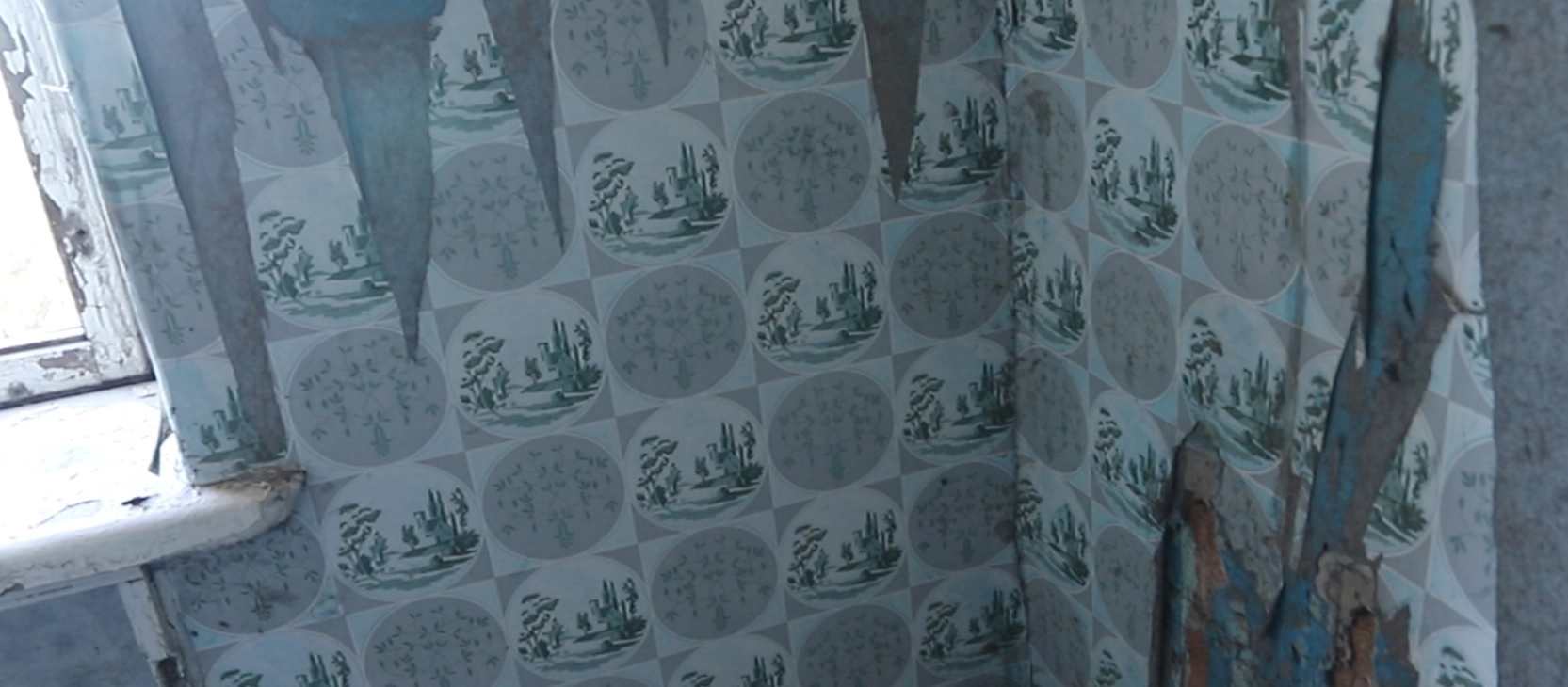
In some places, even the bathroom tiles survived.
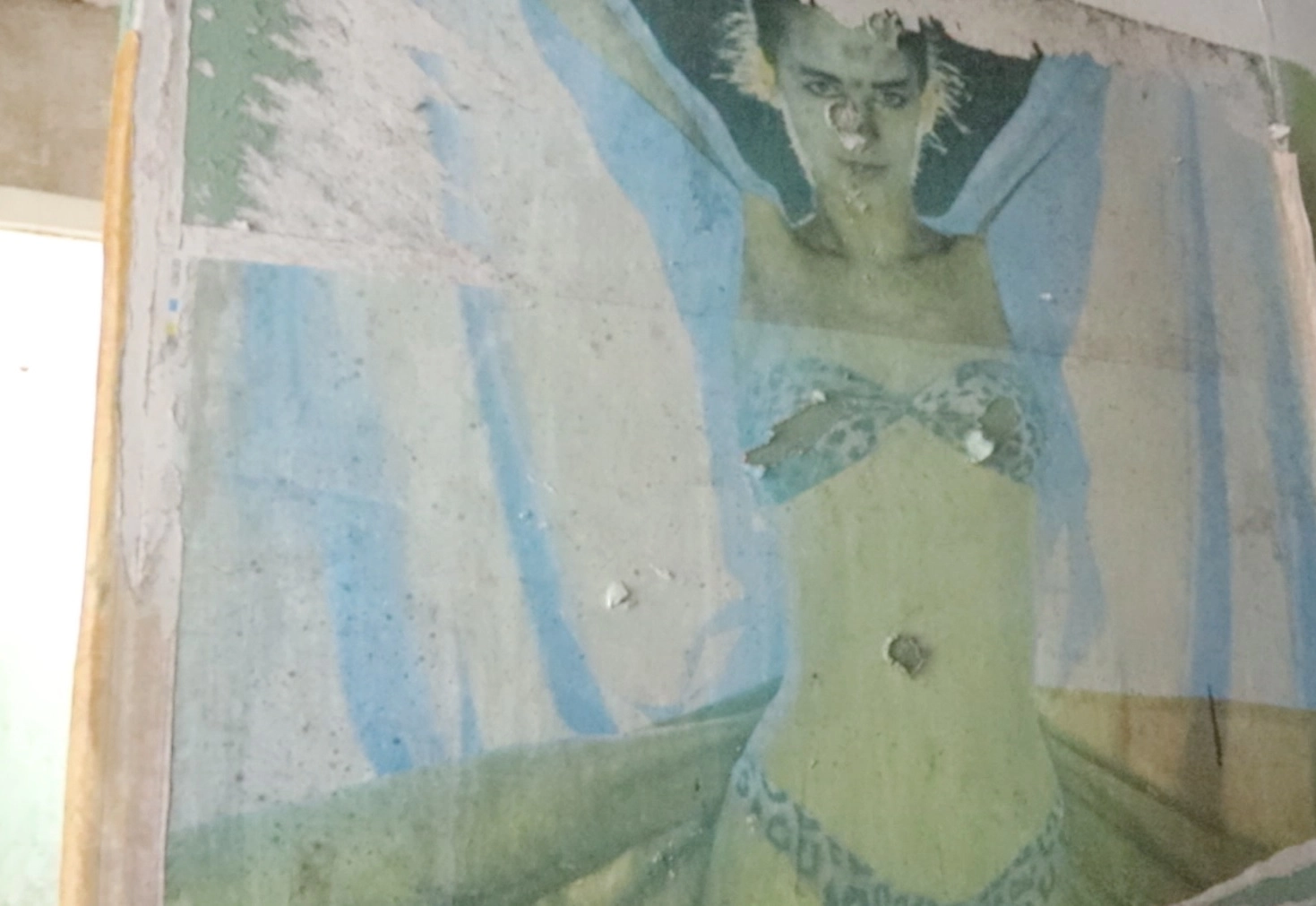
And even wallpaper with primitive but touching examples of post-Soviet “erotic” art remains on some walls – naive but very unusual to see now.
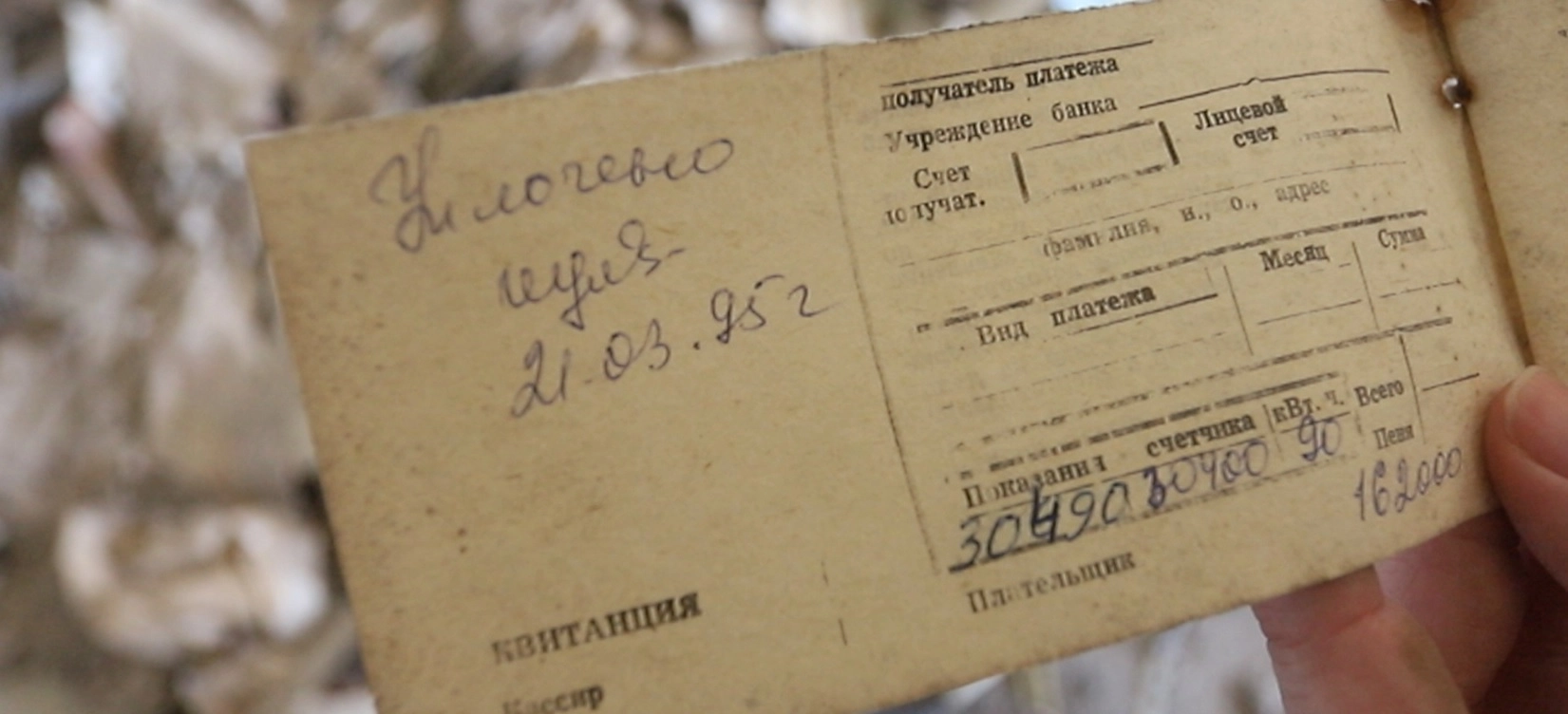
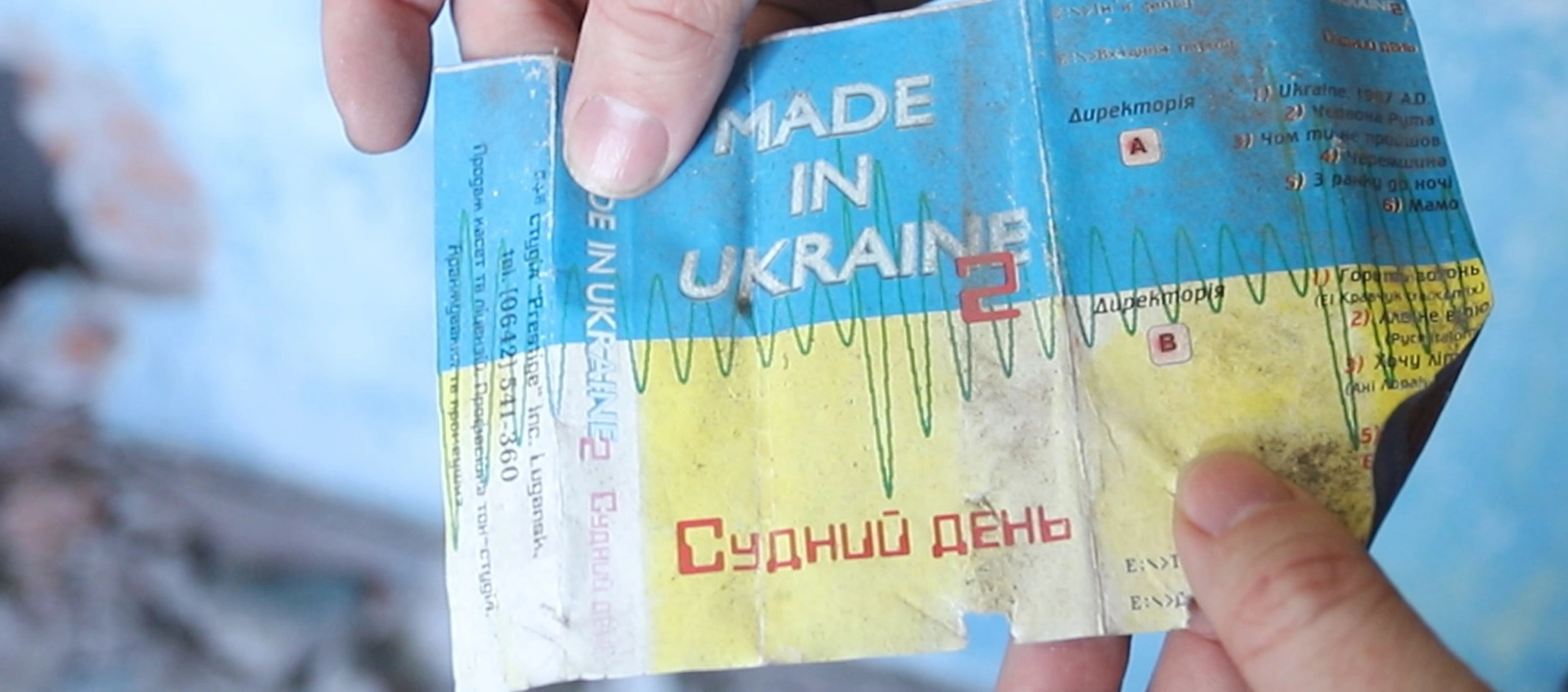
Interestingly, signs show that people continued living in some apartments until the late 1990s.
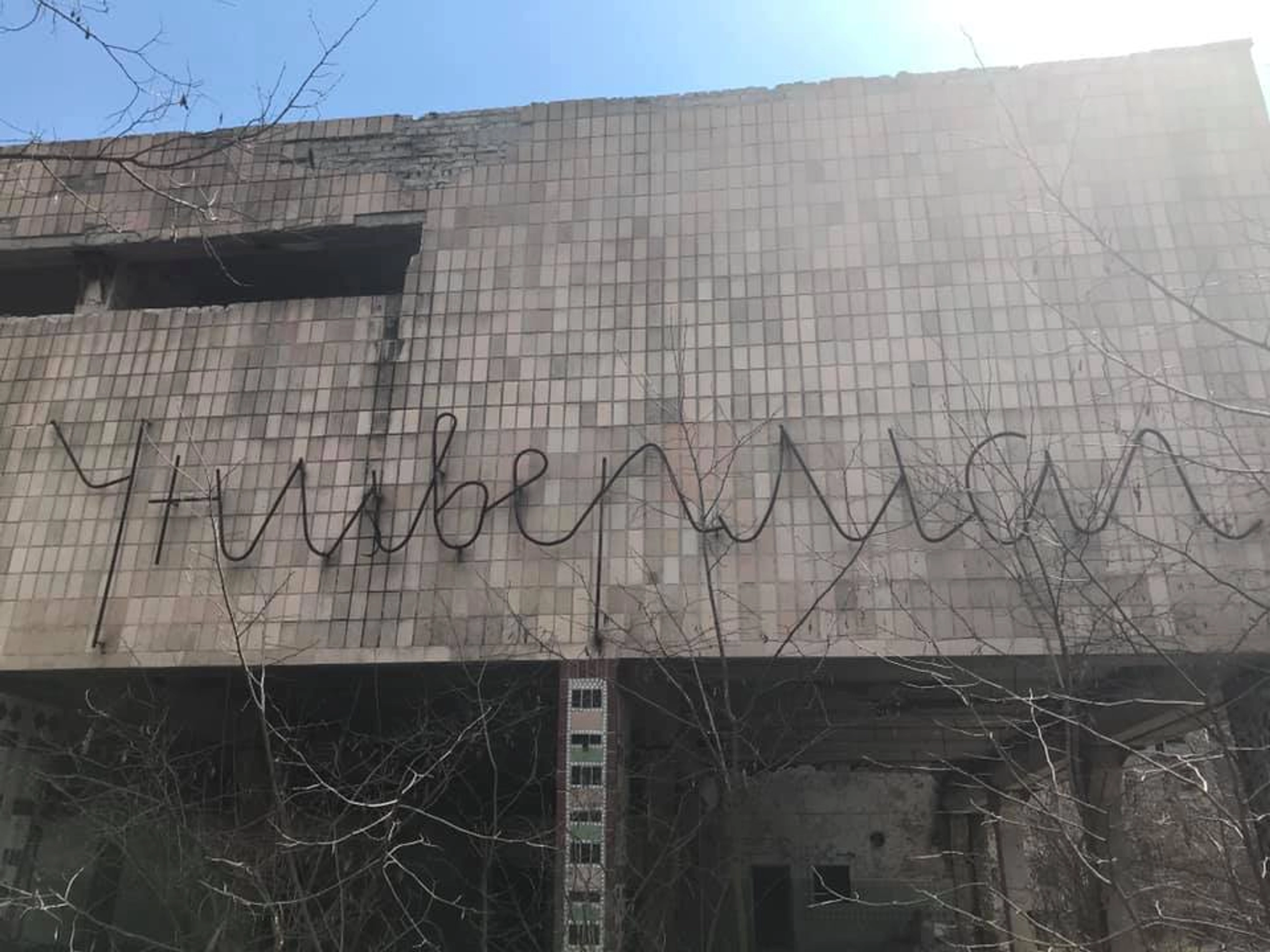
But Orbita not only comprised residential buildings. A lot of social infrastructure was also constructed. For example, there’s a restaurant where, on the second floor, tiles made from shellac – a valuable finishing stone in the late Soviet Union – have been preserved. There’s also a “department store” from which beautiful mosaics still remain.
Of course, people didn’t just vanish. Nearby, only a couple of kilometers from abandoned Orbita, two new five-story apartment buildings were built in a neighboring village. Some former residents of Orbita’s nine-story towers moved there.
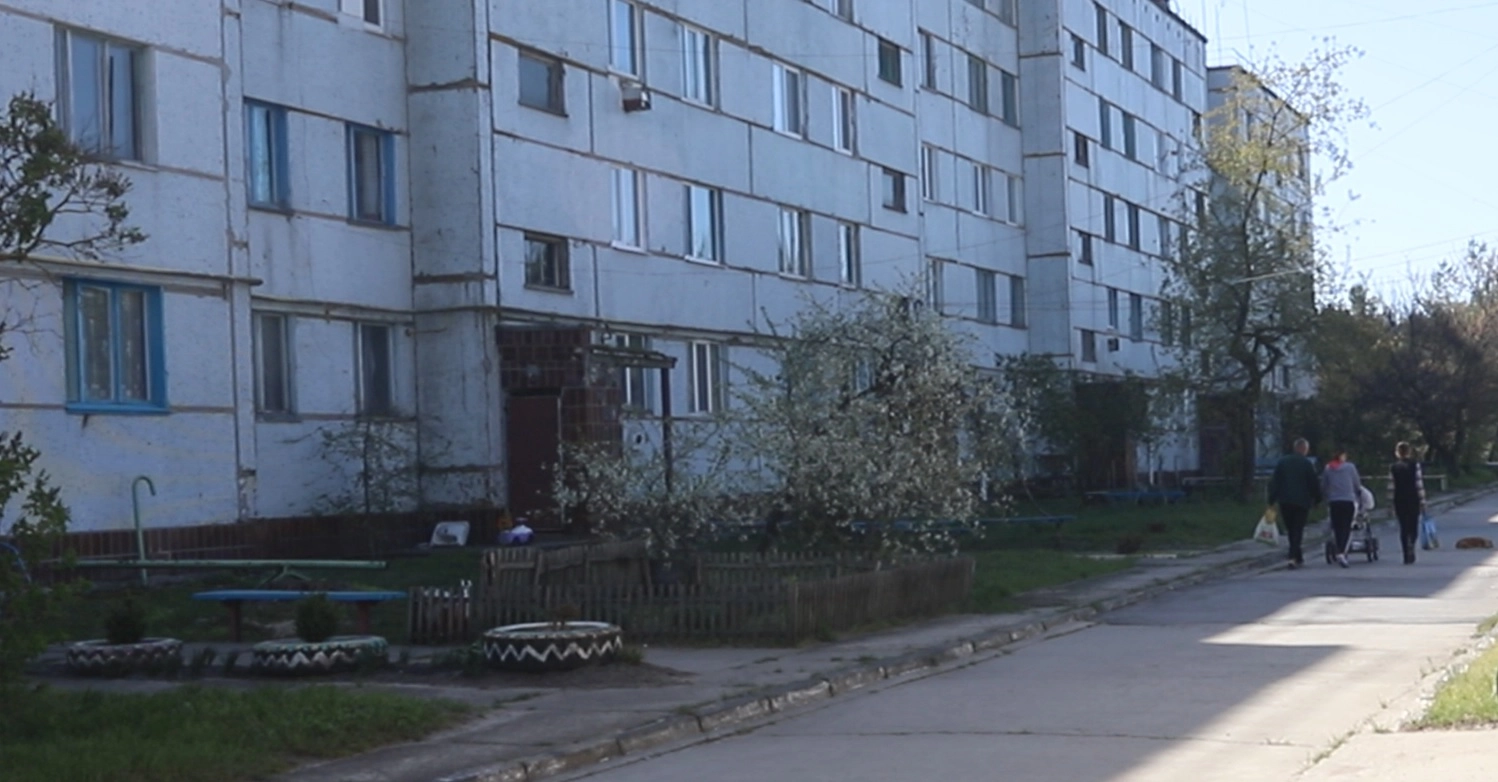
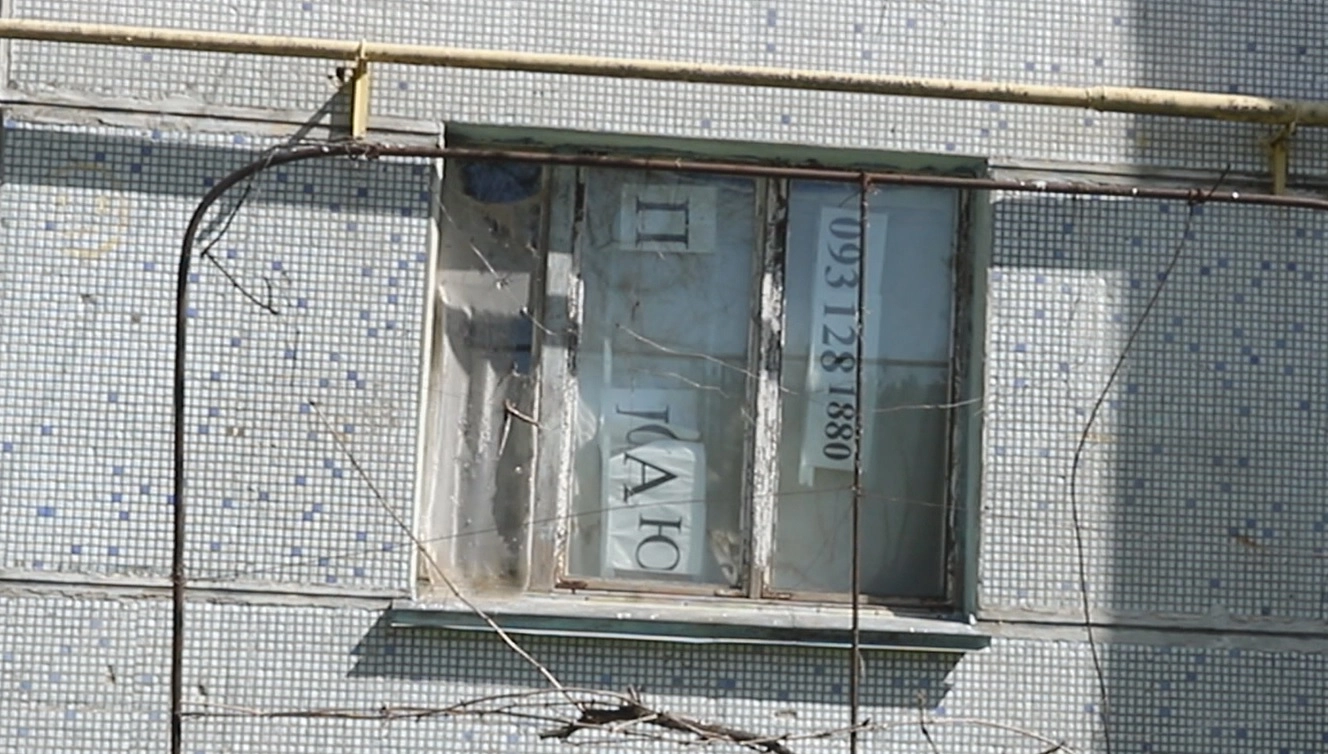
However, many prefer not to speak to visitors – their dreams, once tied to the nuclear future, were never realized. Those who remain do their best to take care of the new settlement, but even here, people are leaving, as the “for sale” signs in the windows show.
Orbita has become another city whose dream was never fulfilled.
Photos by Sergii Kostezh, Kyiv Post
You can find a recap of this story here.
You can also highlight the text and press Ctrl + Enter