Warning: Images and video in this story are graphic.
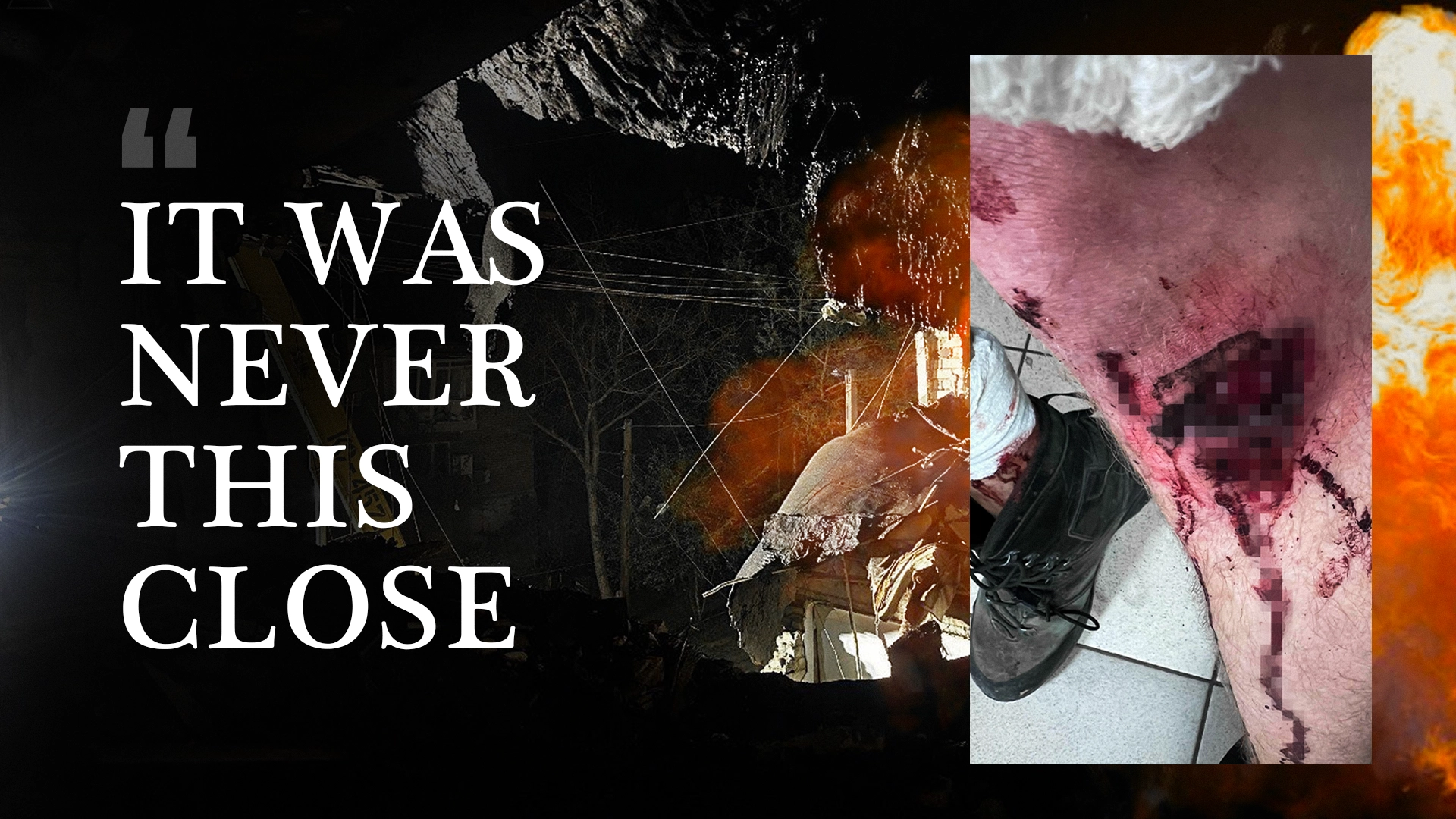
When explosions rocked the southeastern Ukrainian city of Zaporizhzhia on Thursday evening, a Dutch man who’d recently left his contract with the Ukrainian military, found himself, now a civilian, sprinting for cover - just seconds before a Russian drone hit the street behind him.
JOIN US ON TELEGRAM
Follow our coverage of the war on the @Kyivpost_official.
“I was playing a game with my little brother on the PlayStation,” the man, who asked to remain anonymous, told Kyiv Post Friday.
“The first explosions – I thought they were in the game, until I took off my headset and realized it was outside.”
The Dutch national was one of the at least 31 people injured in what local officials described as large-scale Russian drone assault on the southeastern city.
A survivor of the Russian attack on Zaporizhzhia shared a video with Kyiv Post. While everyone is talking about a ceasefire, the Russians continue their relentless terror against Ukrainian civilians. pic.twitter.com/S6HZYLK7rp
— KyivPost (@KyivPost) May 2, 2025
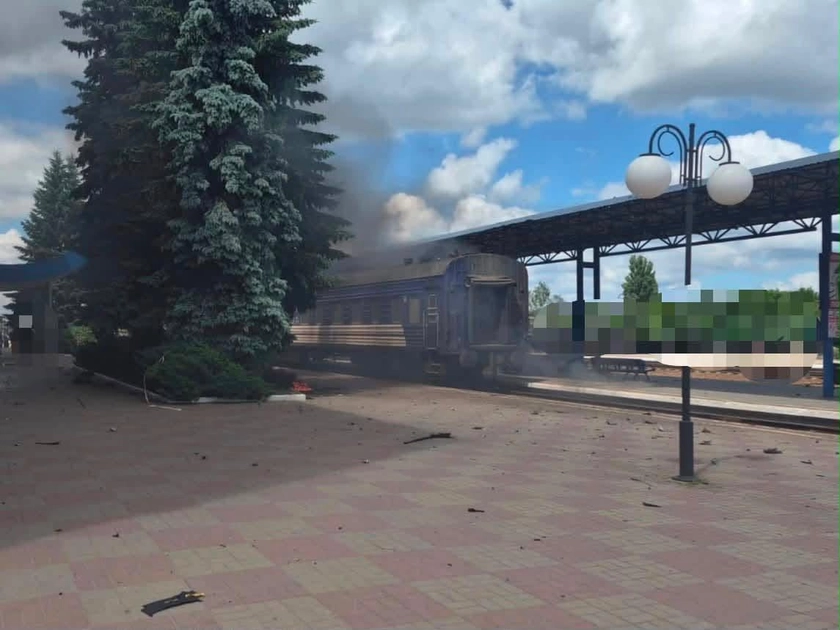
According to Ukrainian officials, more than 10 drones struck Zaporizhzhia in a wave of attacks that began shortly after 10 p.m. Thursday, May 1, damaging residential buildings, schools, and infrastructure.
With no accessible shelter in his apartment building, the former Ukrainian military volunteer said he’d rushed outside and tried to ask nearby pedestrians for help.
“They didn’t speak English and I don’t speak Ukrainian,” he said. “I heard the drone coming down and started sprinting. I heard and felt the explosion behind me.”
He eventually found a stairwell to shelter in and realized he had been wounded. “That was the moment I realized I got injured,” he said. “I sent a text to my team’s chat that I needed medical assistance.”
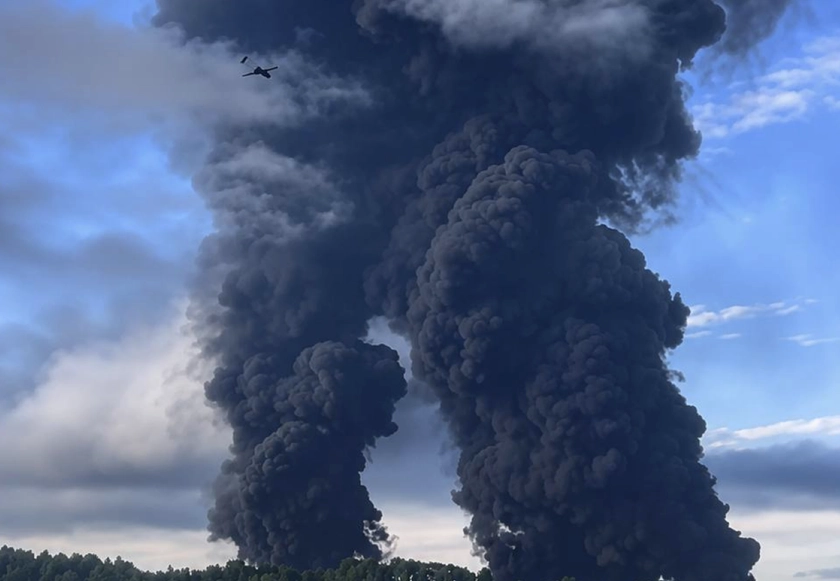
Zelensky Confirms Deep Strikes on Russian ‘Temp’ Fuel Reserve and ‘Azot’ Chemical Plant
This video was provided by the witness featured in the story.
Despite cuts to his knee, leg, and fingers, the man ran back to his apartment to check on his cat and gather his first-aid kit. He then returned to the shelter to administer first aid to himself.
“There was a very friendly neighbor who spoke English, so she helped me where she could,” he said.
His teammates soon arrived, coordinating an ambulance and a translator to help him receive quick treatment at a local hospital.
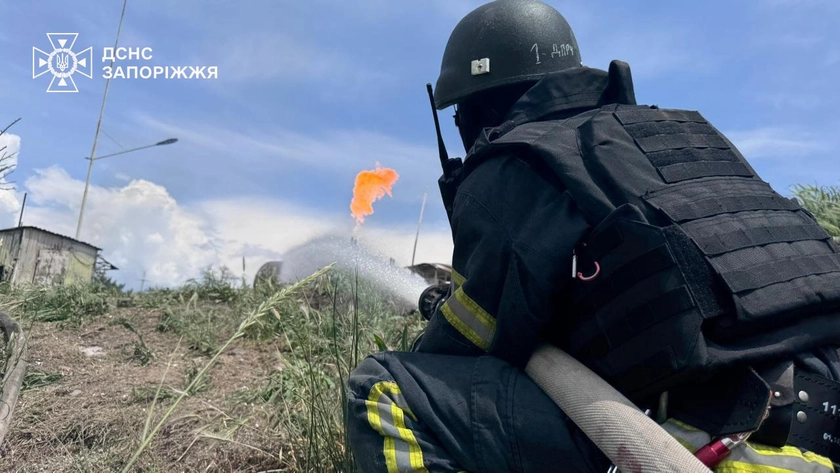
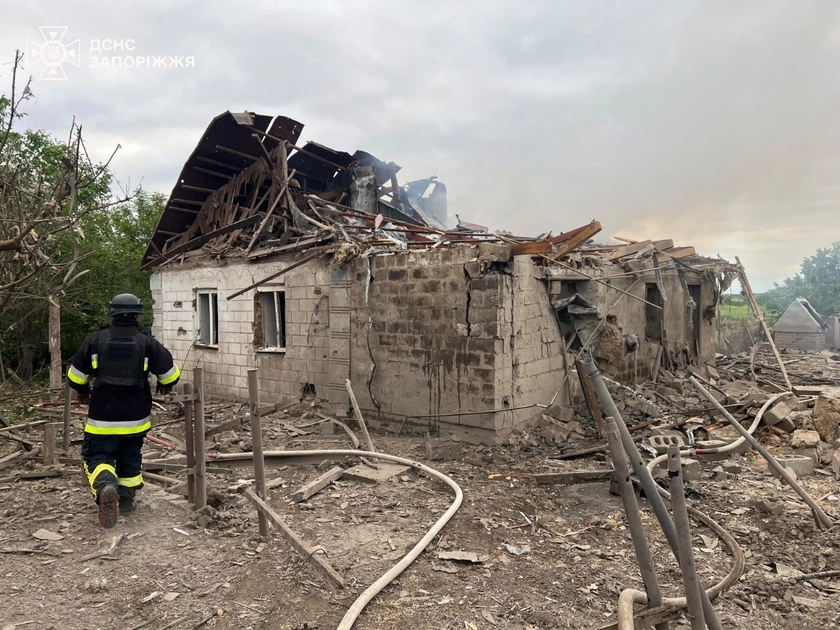
By Friday morning, government officials confirmed that among the injured were two children. At least 27 high-rise buildings, over 10 private homes, and several civilian facilities had been damaged or destroyed.
The witness said he is recovering well, but the experience left a lasting mark.
“Right now I’m doing fine... My knee and leg are still sensitive, but overall I’m okay,” he said.
Originally from the Netherlands, the man said he had been living in Ukraine for nearly a year and is now considering a career change.
“I’ve got a possible opportunity to work for a different company and take some time for myself,” he said.
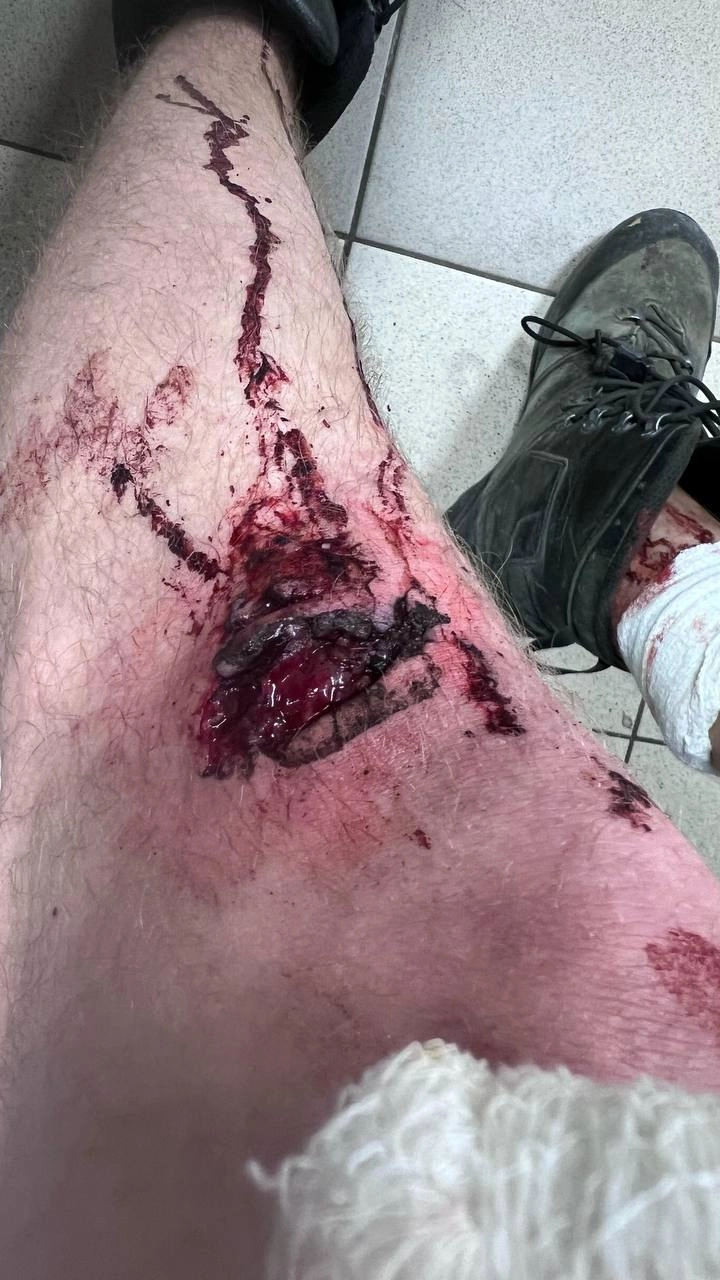
Though the attack was among the most intense he had experienced in the city, he said frequent air raids have become a grim norm.
“It became so typical that we don’t hear the air alerts anymore because we got used to it, sadly,” he said.
He hopes his story helps people outside Ukraine understand the scale of the ongoing violence.
“A lot of friends told me everyone in the Netherlands or Europe thinks there’s a ceasefire going on,” he said. “Russia doesn’t only attack military – they attack innocent civilians day by day, sadly.”
You can also highlight the text and press Ctrl + Enter