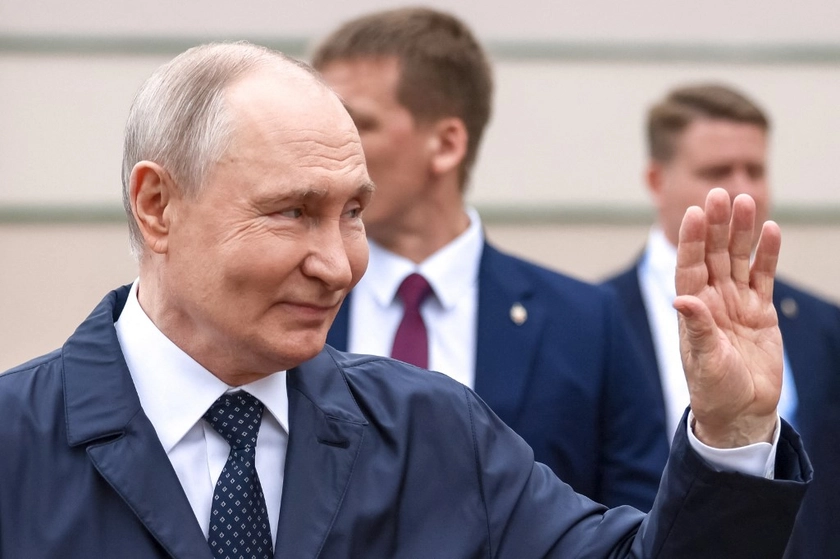
Russian President Vladimir Putin is once again calling for a “security buffer zone” along the border with Ukraine, a move Kyiv sees as a clear sign that the Kremlin is not interested in peace.
Here is what Putin said, what it means, and why Ukraine is warning of Russian escalation.
JOIN US ON TELEGRAM
Follow our coverage of the war on the @Kyivpost_official.
What exactly did Putin say?
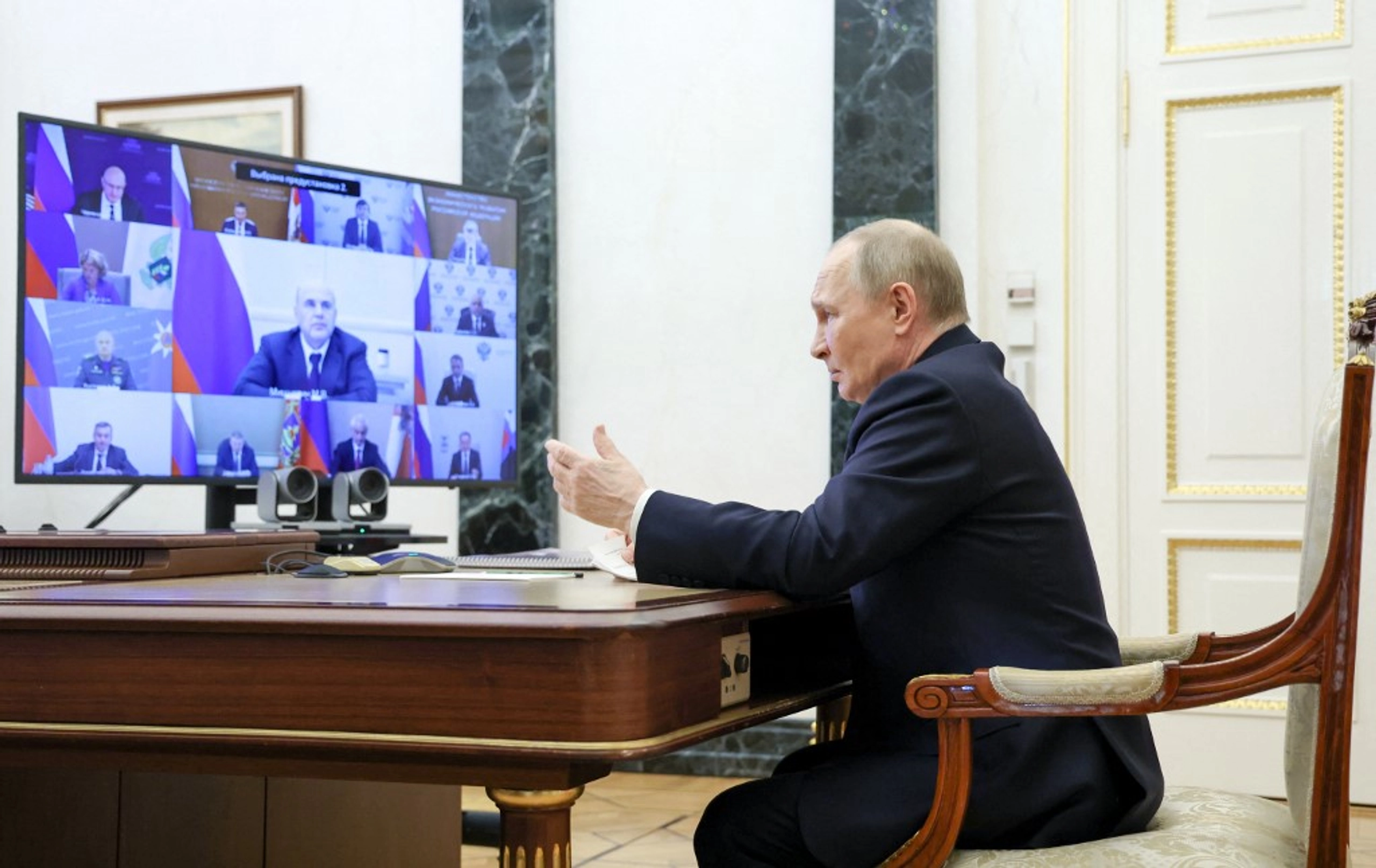
On May 22, in an online meeting with top Russian officials, Putin said Moscow had “decided to create the necessary security buffer zone” along Ukraine’s border. He claimed Russian forces were already “suppressing enemy firing points” to make that happen.
Though he gave few details, Russian state media later said he was referring to the Bryansk, Kursk and Belgorod regions that border Ukraine’s Chernihiv, Sumy and Kharkiv regions in the northeast.
What’s behind the “buffer zone” talk?
Russian lawmakers say the zone should stretch into not three, but six Ukrainian regions, including the Dnipropetrovsk, Mykolaiv and Odesa regions in central and southern Ukraine – not just the border areas.
One Russian general, Viktor Sobolev, said the idea is to force long-range Ukrainian weapons like HIMARS out of striking range.
“I think the buffer zone of security should cover the border areas where our new regions [illegally annexed Zaporizhzhia, Kherson regions] are located, among other things. That is, these are parts of Chernihiv, Sumy, Kharkiv, Dnipropetrovsk, Mykolaiv and Odesa regions,” Sobolev said.
Why is Putin raising the stakes now?
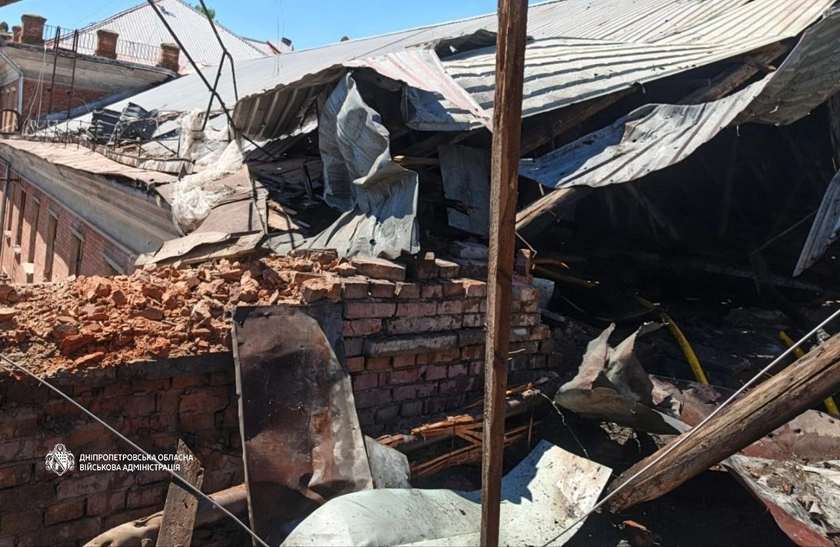
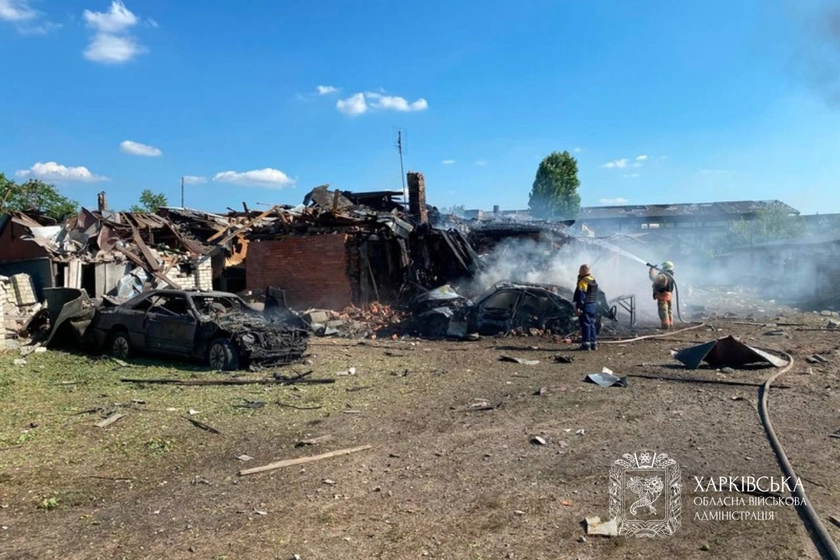
The statement followed an uptick in Russian cross-border attacks, especially in Ukraine’s Sumy region bordering Russia’s Kursk region.
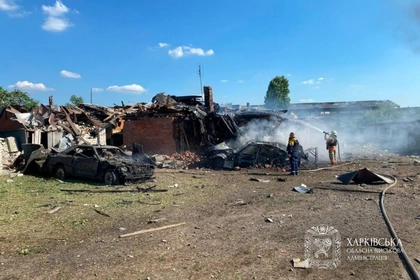
Russian Guided Bombs in Kharkiv Kill Teen, Wound 32, Including Children
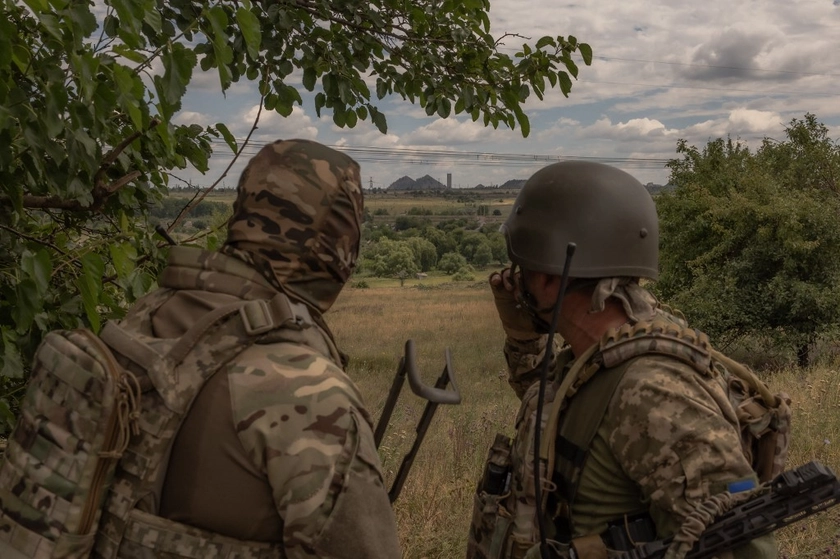
Ukrainian troops have withdrawn from some areas in Russia’s Kursk region since April, and since then, Russian sabotage teams have tried to cross the border, backed by drones, missiles, and aerial bombs.
Ukraine’s State Security Service says the border near Sumy is now a hotspot. In just a month, over 52,000 people have been evacuated. Russia has even struck evacuation vehicles, including a civilian bus near Bilopillia.
Notably, days before the announcement, Putin visited the Kursk region, where local leaders openly asked him to take “at least Sumy.” One official even hinted Russia “should be bigger.”
How often has Putin mentioned a buffer zone?
A lot. Since June 2023, he’s brought it up at least eight times – often after Ukrainian attacks on Russian border regions. In each case, the idea served as a pretext for a new military push, like last year’s offensive near Kharkiv.
What’s happening on the ground?
Not much progress, according to Western analysts. Since January, despite a claimed upsurge in its offensive, Russian forces have taken the equivalent of around only 0.15% of Ukraine’s territory.
The data show its pace of advance is less than a third of that achieved at the end of 2024, falling from about 125 square kilometers (48 square miles) to 41 square kilometers (16 square miles) a week.
Still, Ukraine’s defense sources say Russia may aim to create a 15-20 kilometer (9-12 mile) buffer inside Sumy and Kharkiv regions as part of a broader summer offensive.
The city of Sumy lies just 25 kilometers (15 miles) from the border with Ukraine, and a buffer zone encompassing it would hamper Kyiv’s ability to launch tube artillery or tactical drone strikes into Russian territory.
How is Ukraine responding?
Officials in Kyiv said Putin’s words are proof that he is not serious about peace. Ukraine’s Foreign Ministry spokesman Heorhii Tykhyi said if there’s going to be a buffer zone, it should be inside Russia.
Andriy Kovalenko, from Ukraine’s Center for Countering Disinformation, called the announcement more evidence of Russian aggression.
Foreign Minister Andriy Sybiha reminded global leaders that Putin’s remarks came just as efforts were underway to promote a lasting ceasefire.
“Putin remains the main reason this war continues,” Sybiha said. “He’s rejecting peace and doubling down on violence. The world must apply more pressure.”
You can also highlight the text and press Ctrl + Enter