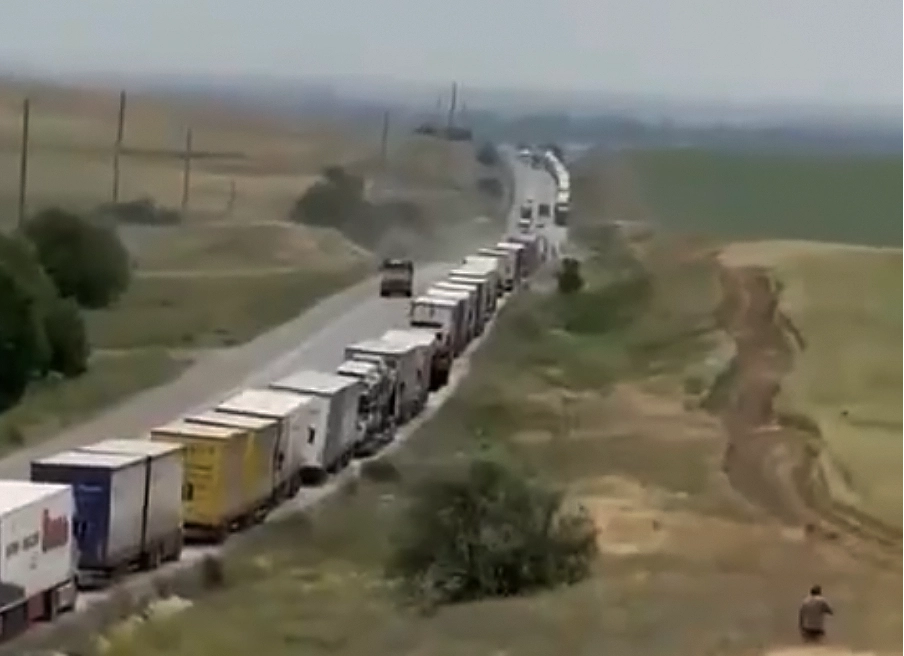
In a belated knee-jerk reaction to the Ukrainian Security Service (SBU) truck-borne kamikaze drone swarm attacks on Russia’s strategic air bases, Moscow’s security forces have initiated a nation-wide mass inspection of cargo trucks, resulting in frequent kilometer-long tailbacks.
According to a report in The Moscow Times (MT) on Thursday, this has seen the setting up of semi-permanent checkpoints supplemented by mobile spot checks throughout the country. While the main emphasis seems to be focused on trucks with Chelyabinsk license plates – from where the vehicles used to transport Sunday’s attack drones originated – no vehicles are immune.
JOIN US ON TELEGRAM
Follow our coverage of the war on the @Kyivpost_official.
The truck-checking blitz is particularly intense in those regions which saw the Spiderweb attacks – the Irkutsk, Murmansk, Ryazan and Ivanovo regions – but also on Russia’s borders. The number and “thoroughness” of checks have increased on the Kazakhstan border – after suggestions that the Chinese drones used on Sunday were imported from there – as well as on crossing points from China and Mongolia.
A truck operator in Siberia complained that one of his drivers had been stopped at three separate checkpoints during a single trip, adding more than ten hours to his delivery schedule. None of the traffic posts cared that he had already been checked and cleared.
Transport operators say they are losing millions because of the delays resulting from the strategy. “Our sources at customs and law enforcement agencies say that the increased levels of control will continue for at least a month, and maybe forever,” one operator cited by MT lamented.
Ukraine to Turn Crimea Into a Dead End for Russia
Ukrainian journalist Denys Kazanskyi said: “There are huge traffic jams on the highways, every truck is being stopped and searched. It’s a logistical collapse.”
He added: “These efforts are pointless – they’ve realized the threat too late. It’s just a show of force and an attempt to look busy. In reality, Russia’s security services are now helping Ukraine by deepening the economic fallout of the attacks.”
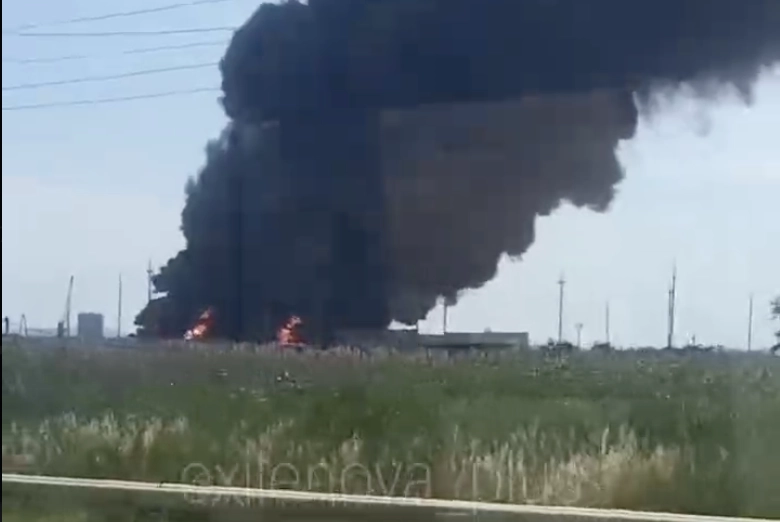
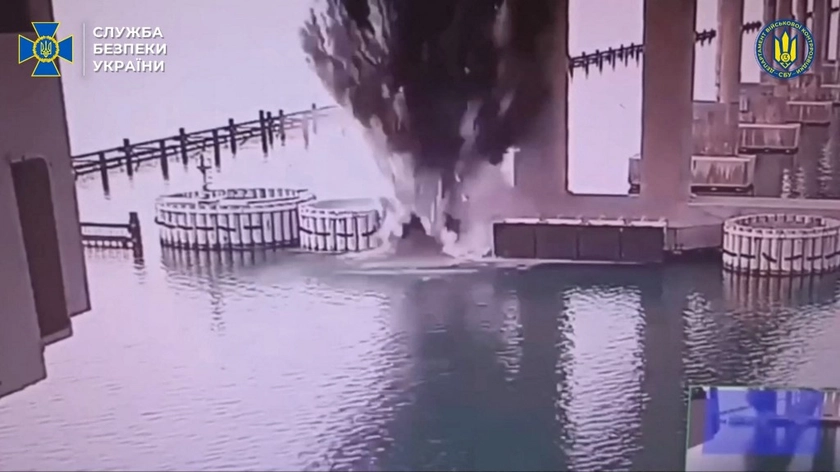
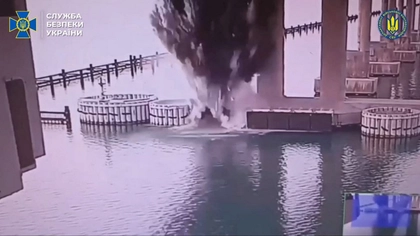
It wasn’t just the attacks on airbases that have led to the response, but also on overland approaches to occupied Crimea from the occupied Kherson region following the SBU strike on the Kerch Bridge. Even vehicles bearing custom seals are being opened which negates the value of the seals and forces operators to undertake fresh customs inspections to receive the necessary documentation.
The fall-out from the airbase attacks has, unsurprisingly, also seen an increase in security on and around Russian airbases. According to the Atesh partisan group, members of the Russian Armed Forces at the Saki, Dzhankoi, and Hvardiiske airfields in Crimea have been complaining of being forced to patrol “round-the-clock” because of a shortage of troops to carry out the tasks.
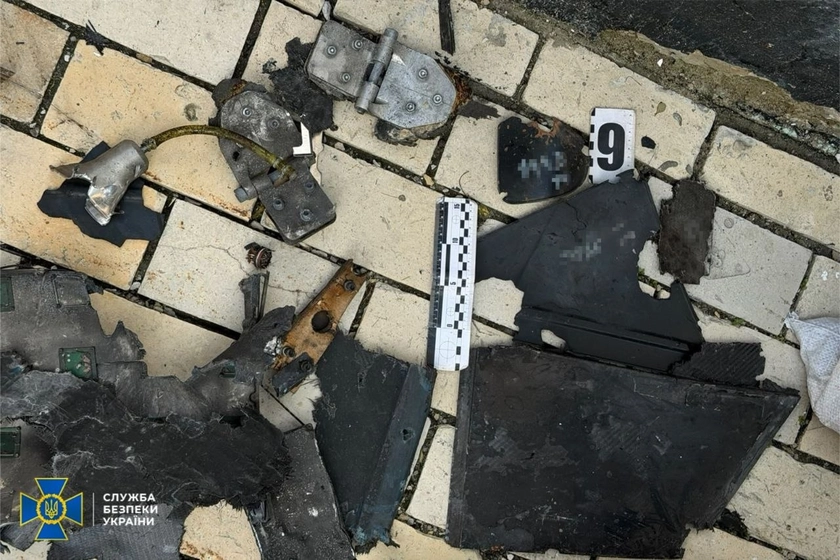
After more than 18 months in planning, Ukraine’s June 1 Operation Spiderweb used almost 120 kamikaze quadcopters smuggled into Russia and placed into containers loaded onto trucks that were positioned close to the airfields. The trucks were then opened remotely sending the drones out to strike their targets – destroying more than a dozen strategic aircraft and damaging around 30 more.
You can also highlight the text and press Ctrl + Enter