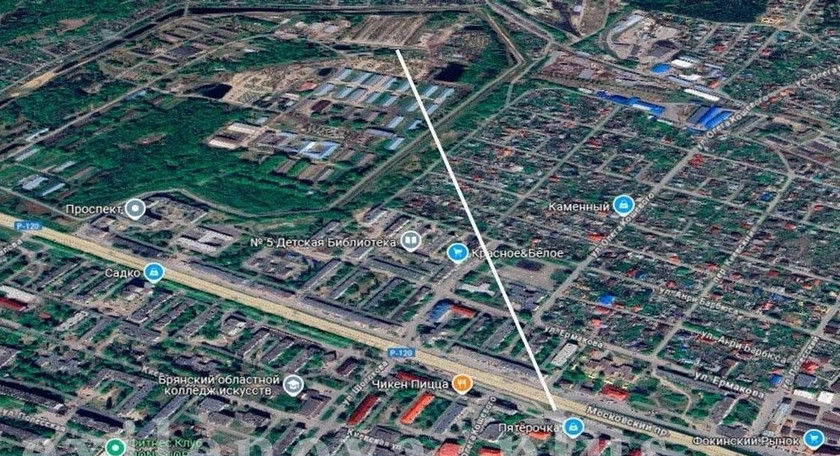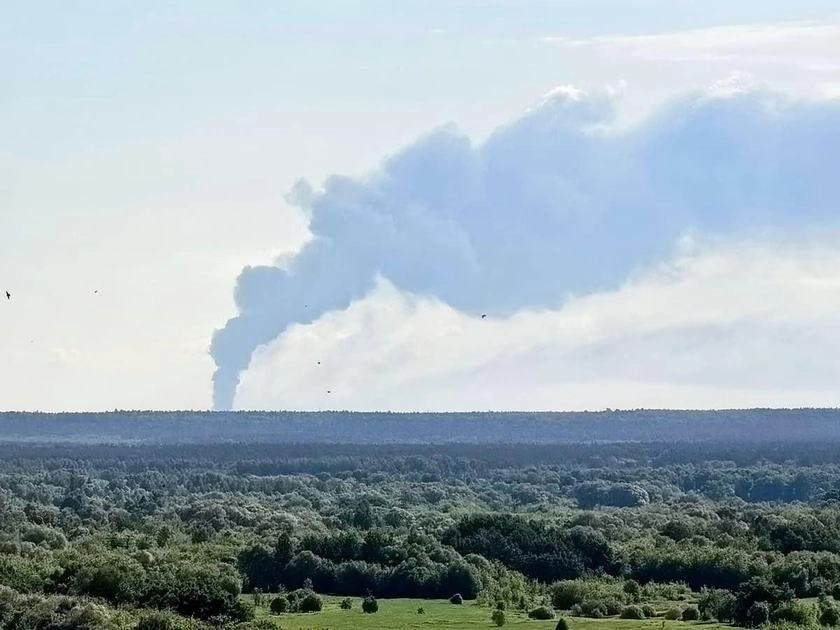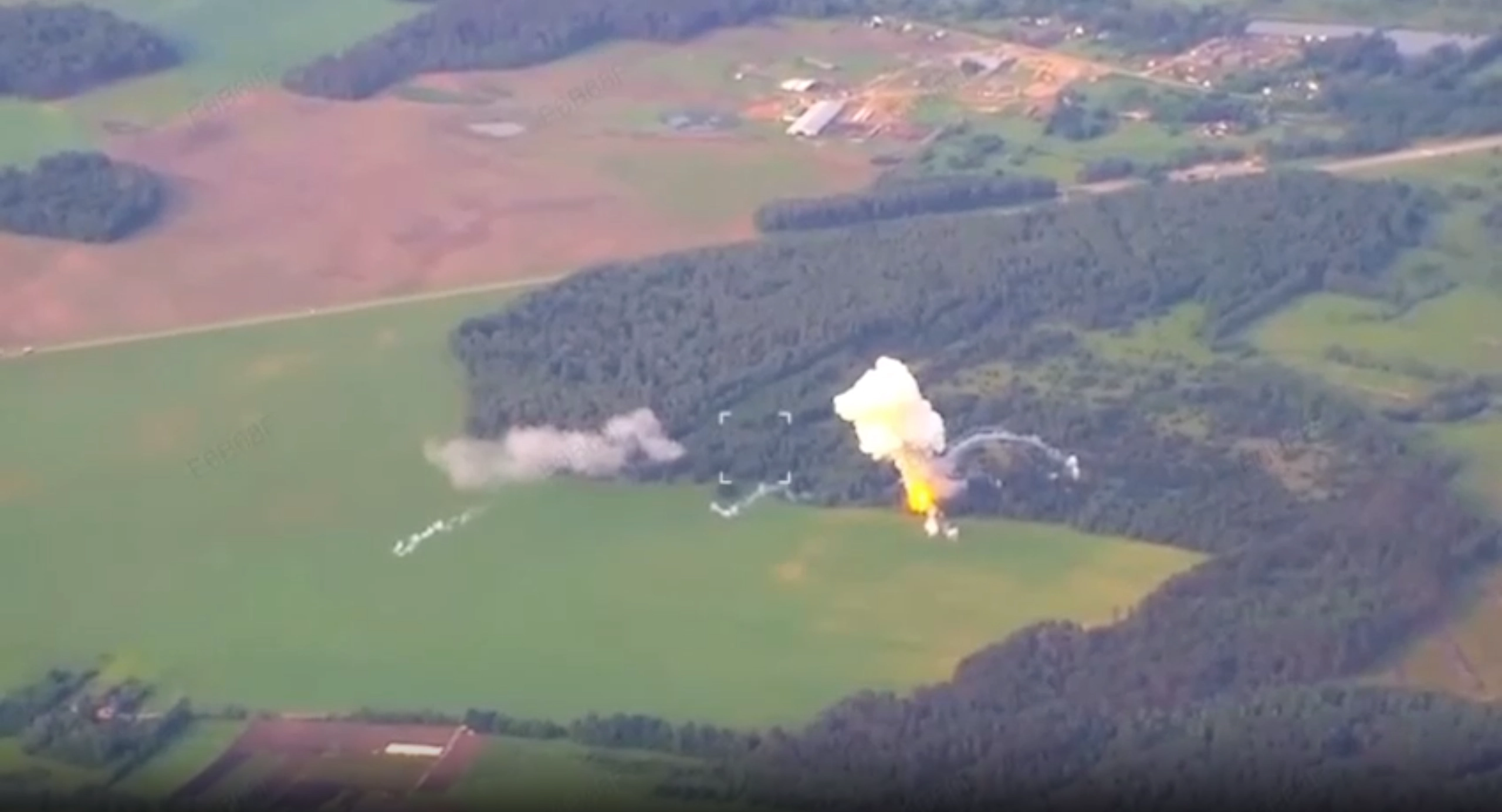
Units of the Armed Forces of Ukraine (AFU), in coordination with the Security Service of Ukraine (SBU), launched a precision strike on Russian ballistic missile forces in Russia’s Bryansk Oblast, successfully eliminating at least one Iskander launcher.
According to the AFU General Staff on Telegram, the operation targeted a Russian missile unit from the 26th Missile Brigade located near Klintsy, in Bryansk Oblast. The Russian troops were reportedly preparing to launch missiles at Ukraine, most likely Kyiv.
JOIN US ON TELEGRAM
Follow our coverage of the war on the @Kyivpost_official.
“Thanks to effective reconnaissance and the coordinated work of the AFU and SBU units, the targets were successfully hit,” the statement said.
One Iskander launcher detonated, while two others were likely damaged. “The results of the strike are being clarified,” the General Staff added.
Commenting on Telegram the Ukrainian blogger “Nikolayevsky Vanek” commented on the strike:
“Remember the ballistic missile attack on Kyiv a few weeks ago? They were working from here. Now we need to somehow give Voronezh a beating – they’re launching a lot from there too.”
There are two variants of the Russian Iskander mobile short-range ballistic missile system using both conventional or nuclear warheads:
- Iskander-M – equipped with 9M723 and 9M728 ballistic missiles out to 500 kilometers (312 miles), according to the defunct INF treaty or 700 kilometers (437.5 miles) plus.
- Iskander-K – capable of firing R-500 (9M729) cruise missiles, similar to Russia’s Kalibr at ranges of up to 1,500-2,000 kilometers (940-1,250 miles).
Russia frequently launches Iskander missiles from border regions, including Bryansk and Kursk, toward Ukrainian cities. While Ukraine’s advanced air defense systems – including Patriot, NASAMS, IRIS-T, and S-300 – have successfully intercepted many, the high speed and maneuverability of Iskander missiles make them difficult to shoot down.

Ukraine Arrests Former Russian-Installed Crimea Energy Minister in Kyiv
Russia is believed to have upgraded its Iskander-M ballistic missiles, making them harder to intercept, according to Ukrainian Air Force spokesperson Yuriy Ihnat.
He said both Ukraine and its partners have confirmed that the Iskander-M, which follows a ballistic trajectory, has been modernized. The upgraded missiles are now capable of releasing radar decoys during their final approach, confusing missile defense systems such as the US-made MIM-104 Patriot.
“These missiles now drop radar traps on the way to the target,” Ihnat said, adding that their quasi-ballistic trajectory – which includes mid-air maneuvers – also complicates interception.
“It doesn’t fly in a straight line, which makes it harder for the Patriot to calculate an accurate interception point.”
While the upgrades reduce the effectiveness of Western air defense, Ihnat stressed they do not render Patriot systems useless, and he expressed confidence that Ukraine’s partners are already working on countermeasures.
The warning comes in the wake of a massive missile and drone strike on Kyiv on the night of May 23-24. According to the Air Force, Russia launched 14 Iskander-M or [North Korean] KN-23 ballistic missiles and 250 drones. Six missiles and 245 drones were intercepted.
Nine ballistic missiles targeted Kyiv with debris falling across six districts, with Solomyansky, Svyatoshynsky, and Obolon suffering the worst damage.
At least 14 people were injured, and nine residential buildings were hit, according to Timur Tkachenko the head of Kyiv’s City Military Administration.
Public infrastructure was also affected, including two schools, a medical clinic, a branch of the “Ukrposhta” postal service, and a boiler room.
You can also highlight the text and press Ctrl + Enter