Europe’s drive to rearm in the face of Russia’s full-scale invasion of Ukraine has been met with a shift in perception among European banks toward doing business with weapons manufacturers.
For decades, banks viewed relationships with the defense sector as “dirty money” that could damage their reputations. But that perception has changed dramatically since Feb. 24, 2022, in parallel with the European Union and its member states increasing their defense spending.
JOIN US ON TELEGRAM
Follow our coverage of the war on the @Kyivpost_official.
Bloomberg reported Thursday that the perceived threat from Russia, combined with US reluctance to engage fully with Europe, has prompted governments to reverse a decades-long effort to benefit from the “peace dividend” following the collapse of the Soviet Union.
With hundreds of billions of euros in the pipeline, some of Europe’s largest financial institutions are now actively preparing to support the continent’s defense sector. These include France’s BNP Paribas and Société Générale, Germany’s Deutsche Bank and Commerzbank, the Netherlands’ ING Groep NV, and the European Investment Bank (EIB).
According to the report, banks are hiring staff and setting up teams that will specialize in working with defense-related government departments and companies. Bloomberg says the EIB alone is currently working on 20 separate defense-related projects. Banks are expected not only to profit from the boom in defense contracts but also to gain a reputational boost for supporting European security.

Russians’ Gloom Over Economy and Living Standards Reaches 20-year High
The report cites Fabrizio Campelli, head of global wealth management at Deutsche Bank, as saying the bank is “honored” to work on a €1 billion ($1.2 billion) EIB defense-related project. “We stand ready to reinforce the resilience of Europe’s security and defense,” he said.
ING’s CEO Steven van Rijswijk added, “We dusted off our policy, but we also dusted off our own mindset. From ‘No, unless...’ it has become ‘Yes, unless...,’” describing the bank’s new welcoming attitude toward credit applications from the defense industry. He said the rapid change in approach followed clear signals “from the top.”
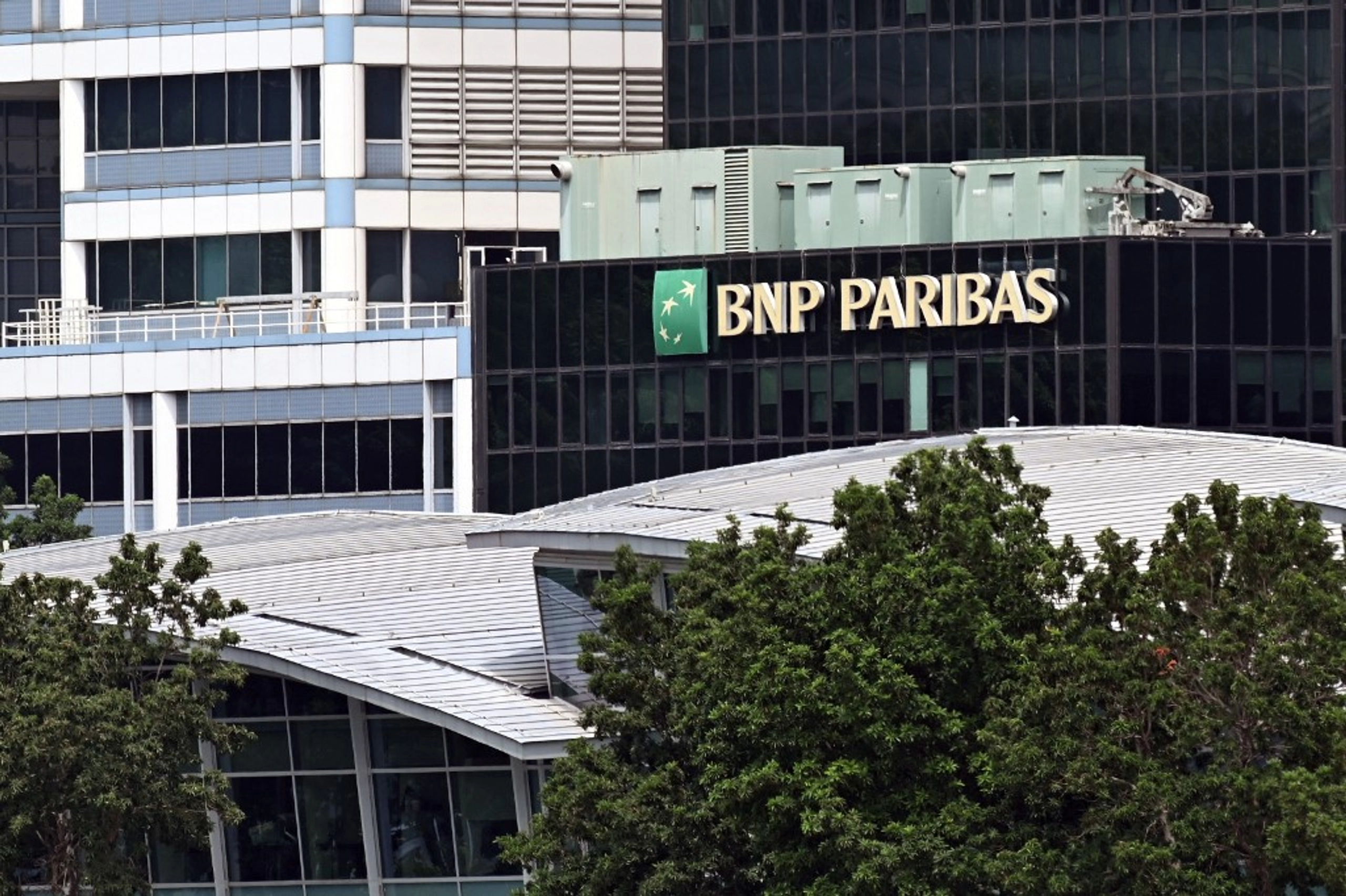
Other banks are following suit. BNP Paribas, for example, is said to be doubling or tripling its defense-sector business, and is reportedly streamlining its internal approval process for military transactions.
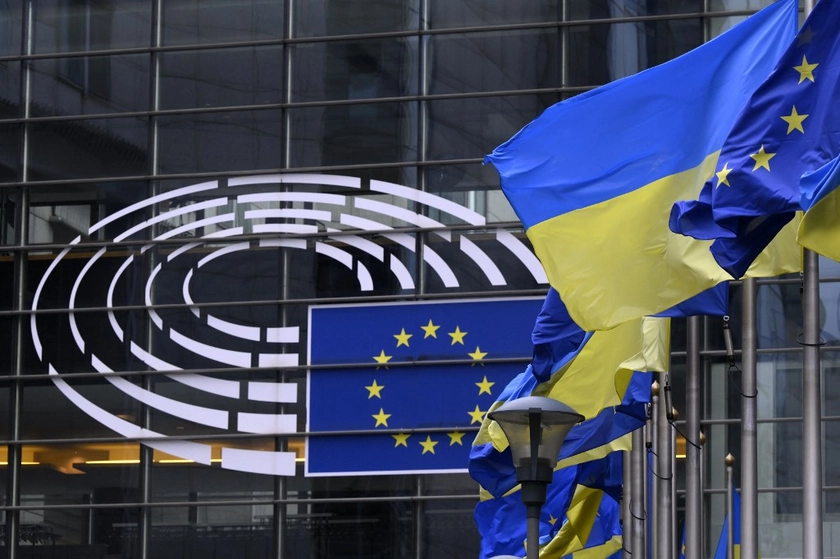
According to Bloomberg, the European Commission and European governments are taking a proactive role in bringing together the defense industry and financial sector. The European Banking Federation (EBF), a lobbying group representing major European banks, has created a task force to smooth cooperation.
Meanwhile, the European Commission, the EU’s executive branch, is expected to propose new measures to address obstacles the defense industry faces—particularly in financing.
Commentators are divided on how much Europe’s banks will ultimately profit from the current defense boom. So far, relatively few contracts have been signed. But bankers are preparing for a wave of business expected in the coming months.
Bloomberg notes that large defense companies rarely need loans, since government orders typically include upfront payments. But smaller firms – especially those producing drones and new military technology – will likely require significant financial support. Arnaud Journois, an analyst at the Morningstar DBRS credit agency, said Ukraine’s drone war is largely sustained by small to medium-sized enterprises (SMEs) and start-ups that need a financial leg up.
The future looks bright for Europe’s banks. Diego de Ojeda, head of the European Commission’s Unit for Defense and Preparedness, ended the Bloomberg piece by saying, “Defense is going to be a very good business – there is a massive flow of money coming.”
You can also highlight the text and press Ctrl + Enter