Echoes of 1990s Europe in 2020s Iran
In the 1990s, Albania made the painful transition from its authoritarian past. Few could have imagined that Tirana would one day host members of the Iranian opposition, or that the Balkans would again be drawn into a crisis with global consequences – this time, centered on Iran.
JOIN US ON TELEGRAM
Follow our coverage of the war on the @Kyivpost_official.
But history rhymes.
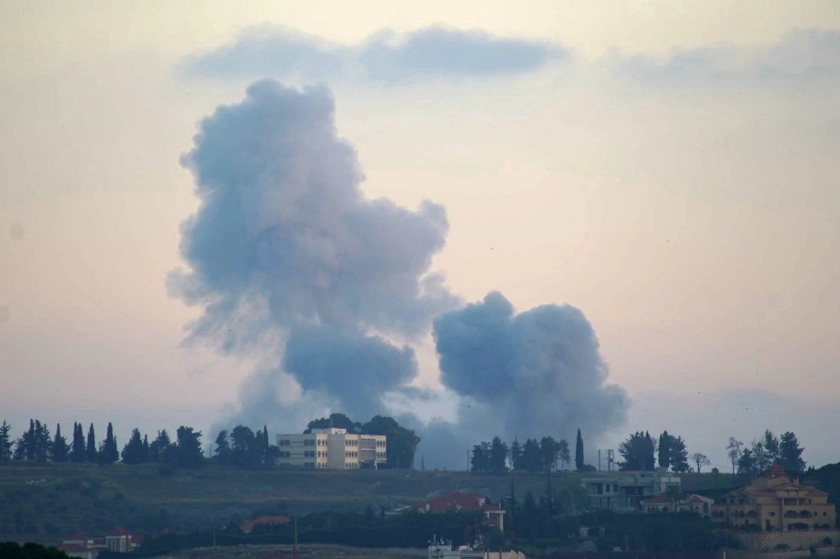
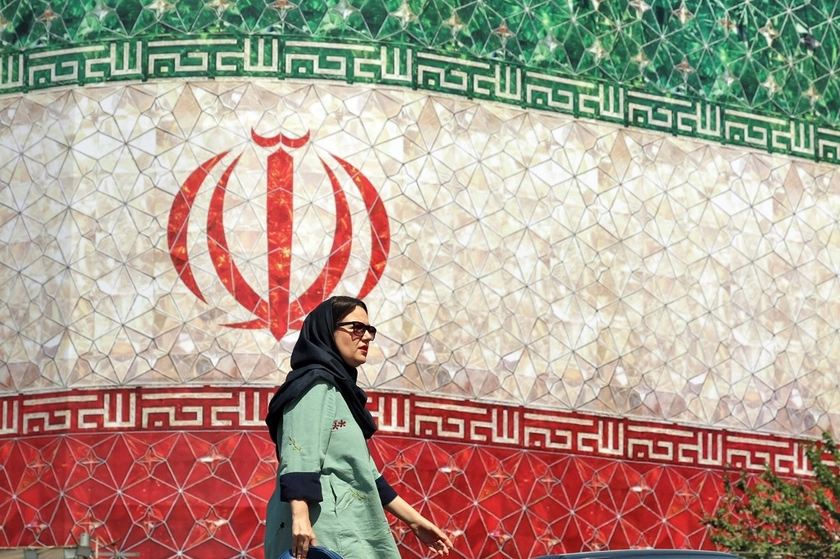
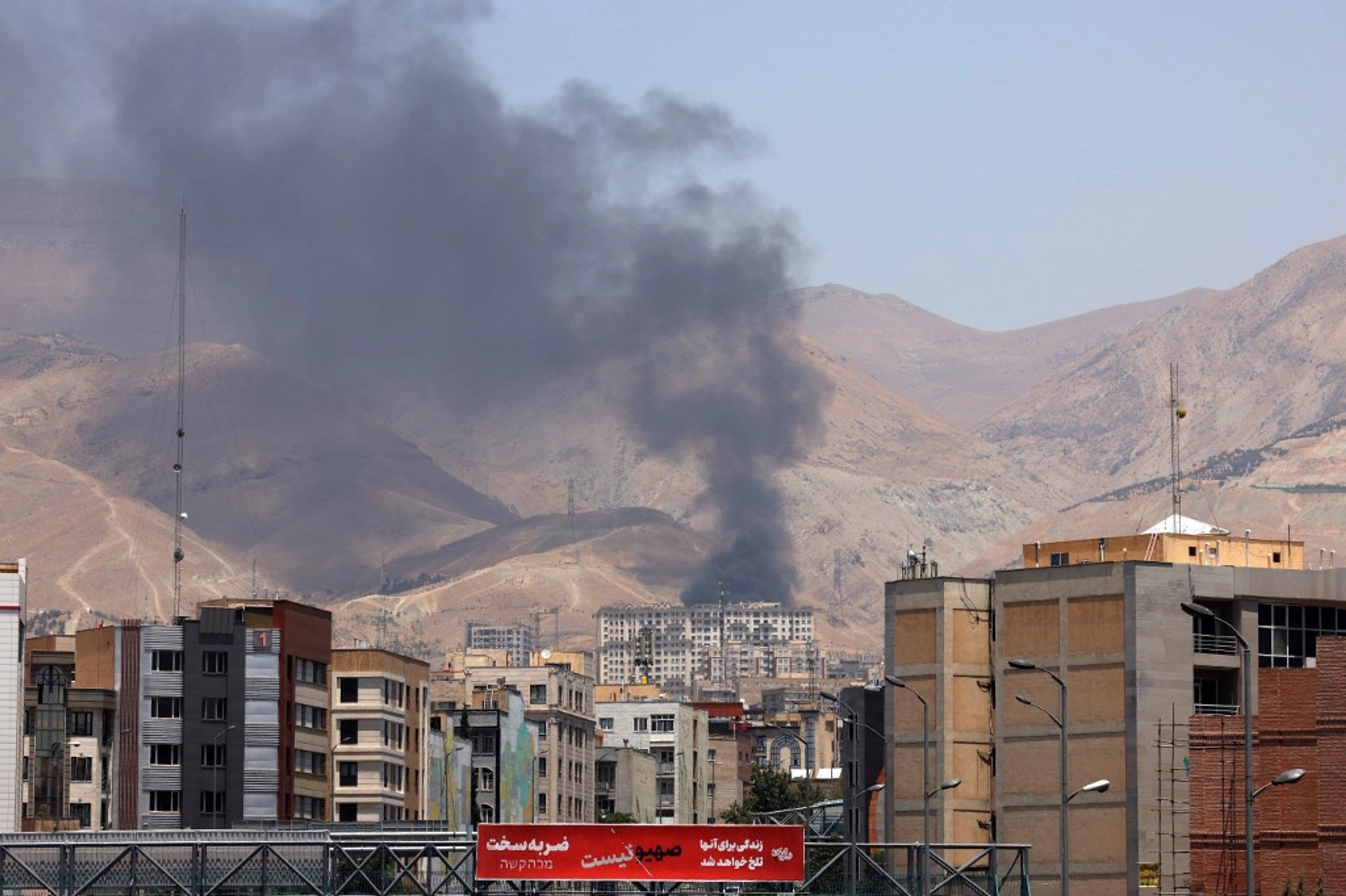
Today, as missiles fly between Israel and Iran and dissent deepens inside the Islamic Republic, we probably find ourselves at another hinge moment. The regime in Tehran is not immortal. When it falls – whether quickly or gradually – the geopolitical aftershocks could be immense. The collapse of a regime that has shaped regional instability and exported ideological control for over four decades will test the West’s strategic readiness in ways reminiscent of Bosnia, Kosovo, and yes, Ukraine.
What happens in Iran won’t stay in Iran
Iran is not just a Middle Eastern power. It is a geopolitical actor that influences much of Eurasia, fueling proxy conflicts, exporting radical religious ideology, and wielding soft power from Baghdad to Baku – and even into Southeastern Europe.
If the Islamic Republic collapses or even weakens substantially, the ripple effects are likely to be be global:
- Migration pressures could rise across Turkey and into Europe.
- Hezbollah and other Iranian proxy forces may shift their operations, potentially destabilizing Lebanon, Syria, or Iraq.
- A surge of ideological confusion and power competition could create dangerous vacuums.
The stakes are clear: a rebalancing of regional power, a redefinition of Shia Islam, and global tests of resilience in the face of authoritarian collapse. If the West remains unprepared – as it was during Ukraine’s early struggles or the violence that followed the disintegration of Yugoslavia – it risks missing a rare opportunity to shape the aftermath rather than simply reacting to it.
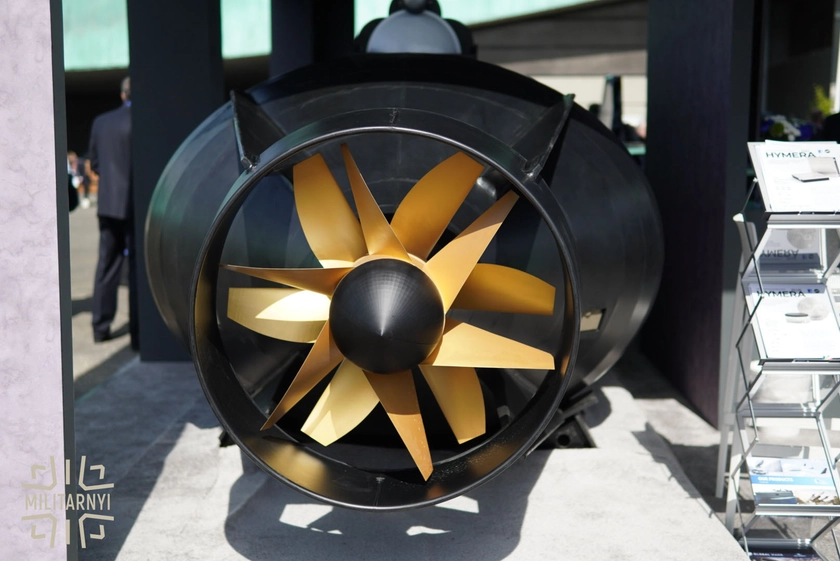
Ukraine Unveils New Underwater Drone, the Sea Trident
The transition will be turbulent
Having observed transitions across Eastern Europe and elsewhere, I can say with confidence: the fall of this 46-year-old regime will not be smooth.
Much attention has already focused on exiled opposition groups such as the People’s Mojahedin Organization of Iran (MEK) and Reza Pahlavi, the exiled crown prince. Their opposition to the regime is clear and long-standing. But who or what would follow on from Khamenei’s rule remains deeply uncertain.
The MEK, in particular, occupies a unique and complex space in the opposition landscape. With a highly organized structure, international presence, and decades-long resistance to the Islamic Republic, the MEK has proven to be a persistent and well-resourced force. It has garnered attention from Western lawmakers and played a notable role in exposing Iran’s nuclear ambitions.
However, its complex history – including a period of armed struggle, ideological rigidity, and limited domestic support – has raised questions about its standing among Iranians inside the country.
Nevertheless, in any inclusive transition, no legitimate opposition group should be dismissed outright. The MEK, like other factions, can contribute constructively – especially by supporting pluralism, engaging transparently, and aligning with the aspirations of the Iranian people.
For a genuine transition to succeed, a broader coalition must emerge that includes:
- Women’s rights advocates
- Labor and student activists
- Ethnic and religious minorities
- Independent clerics and civil society organizers.
Many of these actors operate without international platforms, fundraising capacity, or polished branding – yet they hold real legitimacy, earned on the ground inside Iran. Western policymakers must resist the temptation to “pick winners.” That mistake – seen in Libya and Iraq – has a tendency to backfire. Democracy cannot be outsourced to the loudest exiled faction – it must be cultivated from within, by those with lived experience and social trust.
Reclaiming the soul of Shia Islam
Perhaps the most dangerous legacy of the Islamic Republic is not its nuclear program or proxy militias – but its domination of Shia religious discourse.
For decades, the Iranian regime has promoted a militant, state-aligned version of Shia Islam – one that links obedience to God with obedience to the clerical state. This ideology has fueled sectarian violence in Syria, repression in Iraq, and proxy warfare in Yemen and Lebanon.
But that monopoly is already crumbling.
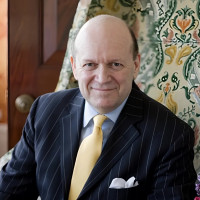
As Special Envoy to North America and Europe for the Bektashi World Headquarters – a Sufi-Shia spiritual order with deep roots in Iran and the Balkans – we have witnessed a very different tradition. The Bektashi emphasize mysticism, pluralism, and spiritual independence. We resist authoritarianism not with militancy, but with inner freedom. And we are not alone.
A post-regime Iran could unleash a long-suppressed wave of spiritual and cultural renewal. The West should support this, not through coercion or political pressure, but through academic exchange, cultural diplomacy, translation efforts, and platforms that amplify Iran’s suppressed religious and philosophical diversity.
What Ukraine can teach — and what it can gain
Ukraine’s post-Maidan civil society didn’t materialize overnight. It was built patiently – through NGOs, religious institutions, diaspora engagement, and international solidarity.
When Russia invaded, Ukraine’s greatest asset wasn’t its army – it was its identity. Its ability to self-organize, communicate with the world, and resist authoritarianism came from a culture of civic strength.
Iran will need the same.
Western allies – including Ukraine – will have a role to play in helping Iranian civil society prepare. That includes providing tools for digital security, media communication, civic organizing, and educational reform. Iran may not win its freedom on the battlefield, but it must defend it in classrooms, spiritual centers, and neighborhoods. These are arenas Ukraine understands deeply.
A free and stable Iran would also serve Ukraine’s strategic interests. It would disrupt the current Russian and Iranian partnership, their coordination in Syria, undermine Hezbollah’s operational reach, and counter authoritarian narratives across the Global South. This isn’t just moral solidarity – it’s geopolitical alignment.
Don’t underestimate the Balkans
Why does this matter in Tirana, Skopje, or Pristina?
Because the Balkans are already part of the story:
- Albania hosts the MEK
- Kosovo includes Sufi and Shia communities linked to broader transnational networks
- Both Russia and Iran have worked to establish soft power in the region through religious institutions, state media, and cultural funding.
If the Iranian regime falls, the Balkans could face real challenges:
- An influx of refugees
- Internal tension between rival Iranian exile factions
- Increased foreign propaganda.
These are not distant hypotheticals – they are current risks that demand early coordination with NATO and the EU.
Ukraine, more than most, understands what happens when instability is underestimated. That lesson should guide the Balkans now.
It’s time to get ready — before it’s too late
The West cannot wait for the fall of the regime to act. It must prepare now.
That means:
- Establishing a permanent, cross-agency Iran transition task force, coordinated through NATO and the EU
- Expanding support for moderate Shia voices, including Sufi and Bektashi traditions, to counter extremism
- Equipping Iranian civil society, media, and activists with tools for resilience
- Fortifying Balkan institutions against political spillover and misinformation campaigns.
No one knows exactly if and when Iran’s moment of change will come. But when it does, the world will look to Europe, the Gulf, and Turkey for leadership.
Let’s ensure the response is not improvisation – but foresight. Not panic – but preparation. Not confusion – but coordination.
The views expressed in this opinion article are the author’s and not necessarily those of Kyiv Post.
You can also highlight the text and press Ctrl + Enter