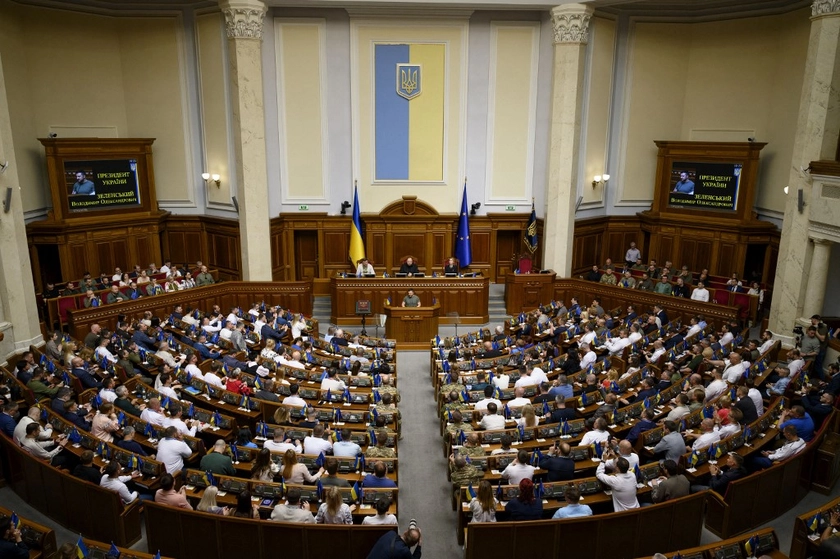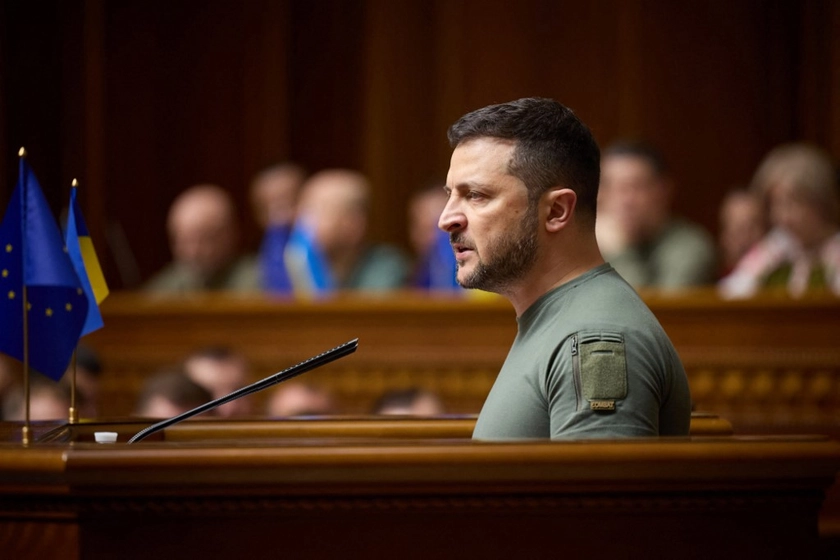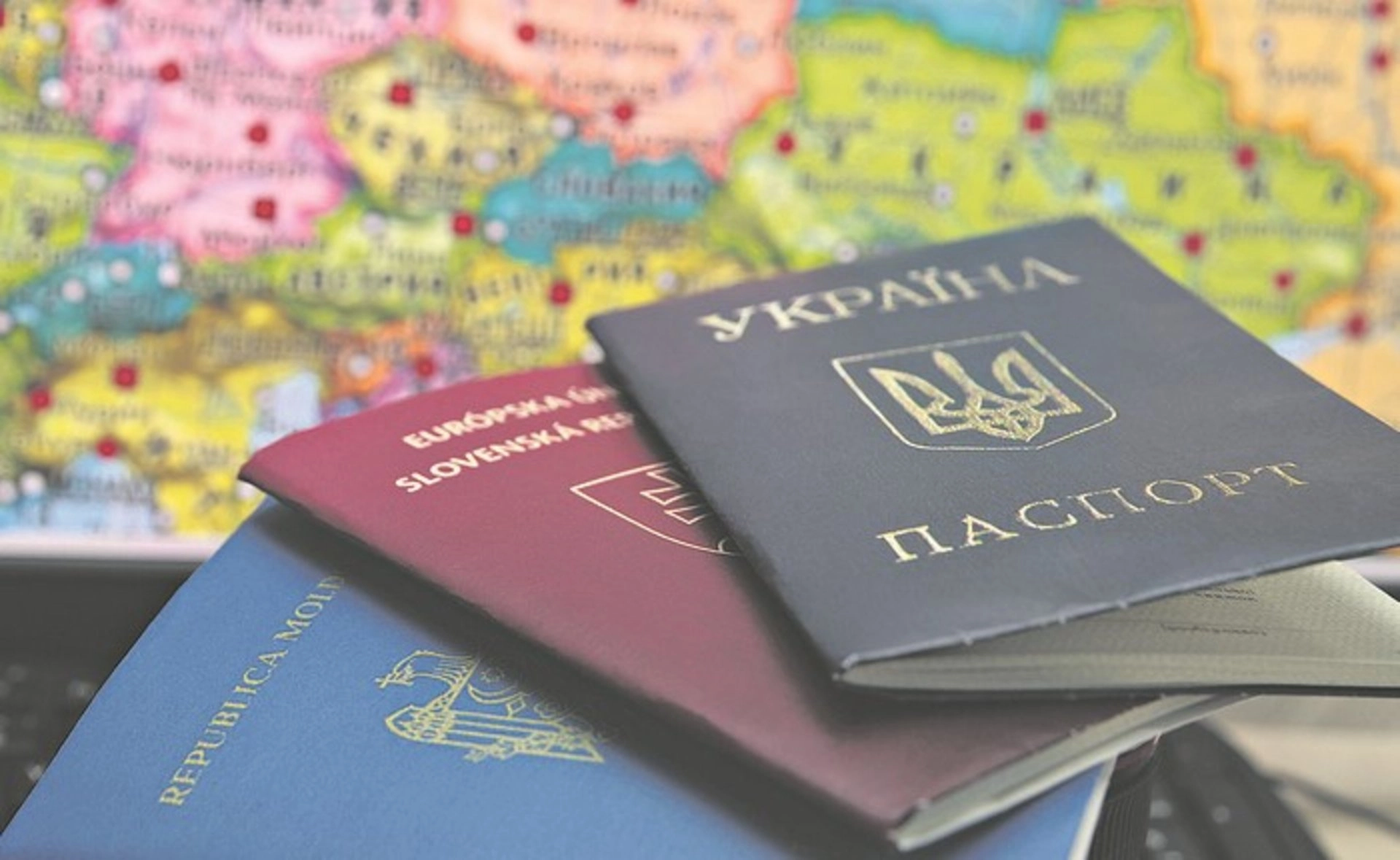
Ukraine’s Parliament, the Verkhovna Rada, approved a second reading of the proposed law with 243 votes to: “Ensure the implementation of the right to acquire and retain Ukrainian citizenship,” which will allow individuals to hold multiple citizenship.
This will allow Ukrainians to legally receive a passport from another country without renouncing their Ukrainian citizenship, and for foreigners to obtain Ukrainian citizenship without giving up their passports.
JOIN US ON TELEGRAM
Follow our coverage of the war on the @Kyivpost_official.
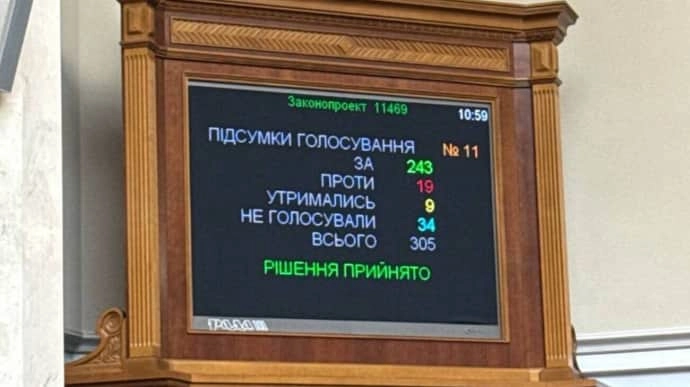
This is a major change as currently Ukrainian law prevents an individual from holding more than one citizenship – forcing Ukrainians to renounce their citizenship to acquire a foreign passport and for foreigners to do likewise to hold a Ukrainian passport.
However, the bill, is faced with opposition and skepticism – Kyiv Post examines the pros and cons.
Why the change?
The law would, in theory, allow Ukrainians and foreigners to retain two (or more) citizenships through birth or choice. Ukrainian children adopted by foreigners (or Ukrainians) or those who marry foreigners (or Ukrainians) will be able to retain their original citizenship and that of their adopted country.
Rada Ratifies Zelensky’s €90B EU Loan for Ukraine’s Defense and Budget Support
The Ministry of Ukrainian Unity, which was the main developer of the bill, told Kyiv Post that “There are more than seven million Ukrainian citizens living as refugees abroad, some for more than three years because of the war. We want them to remain as Ukrainians even as many will start to be offered to accept the citizenship of their adopted homes.”
However, several officials say they would only recognize a Ukrainian holding multiple passports as a Ukrainian. Many parliamentarians including some opposition figures argued that allowing dual citizenship would safeguard the future of the nation and therefore supported it.
Many feel that Ukraine is currently suffering from an unparalleled demographic catastrophe – a combination of an extremely low birth rate and the mass emigration, particularly of women and children, in the face of the huge number of casualties from the war has led to. There is a fear that a rapid decline in the population, coupled with a loss of connection to the motherland by those living abroad will pave the way to the end of Ukraine as a nation.
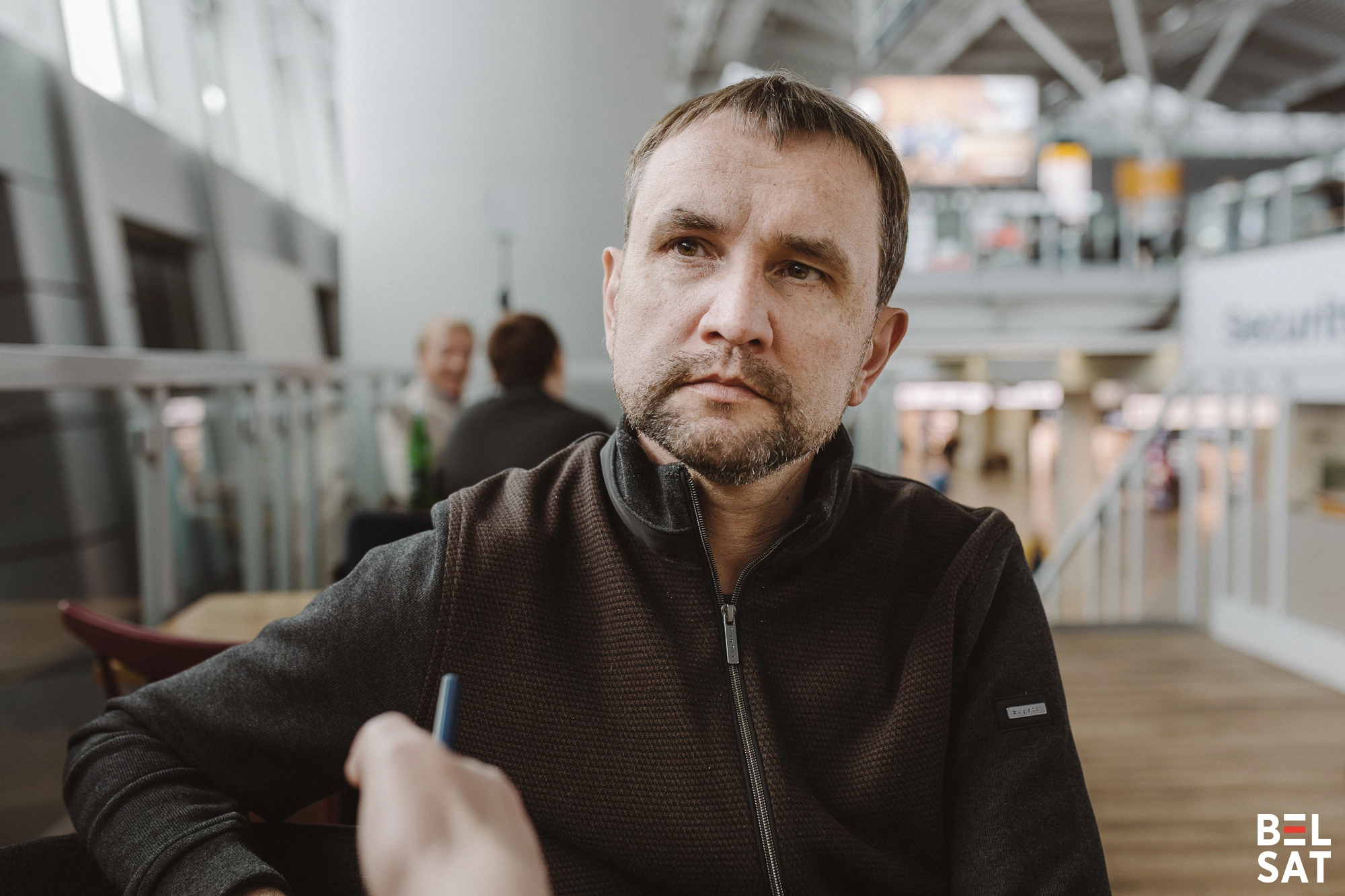
For this reason, those in favor of the new law, including MP Volodymyr Vyatrovych, say this can only be avoided by replacing the outdated and irresponsible insistence on single citizenship. He said, “This is our way to victory for Ukraine.”
Who will the new law affect?
The law is primarily aimed at the Ukrainian diaspora, of which there are many in Canada, the US, and Europe, who may now be tempted to obtain Ukrainian citizenship, while remaining citizens of their own countries.
Such individuals will be eligible to apply for citizenship after a year of living in Ukraine rather than the current five. That will also apply to foreigners who have served in the Armed Forces of Ukraine or made an outstanding contribution in other ways. This may be attractive to those who volunteered to support Ukraine, whose own countries may not approve of their return.
Perhaps surprisingly, Russians could also be considered to become Ukrainians if they renounce their citizenship. However, for them and those who are not considered to have helped the war effort, it will be necessary to live in Ukraine for five years and pass exams in the Ukrainian language and history.
And then the problems....
The fear of an invasion of migrants
The entrenched policy of outlawing multiple citizenship was based on fears expressed by nationalist politicians that there would be an “invasion of migrants” from Asia and Africa. Despite the new law, immigrants other than those who fulfil the criteria of contributing to the war will still have to work hard to become Ukrainians.
The requirement to be tested on Ukraine’s history and language remains an obstacle for many – the tests cannot be taken online but must be done in one of only four venues: one in Kharkiv, one in Kyiv, and two in Lviv.
This was described as absurd by a source in the Unity Ministry, who said that some deputies insisted there should be no change and would block the vote as they “were afraid that an online procedure…would be ‘hacked by millions of Chinese’ computer programs.”
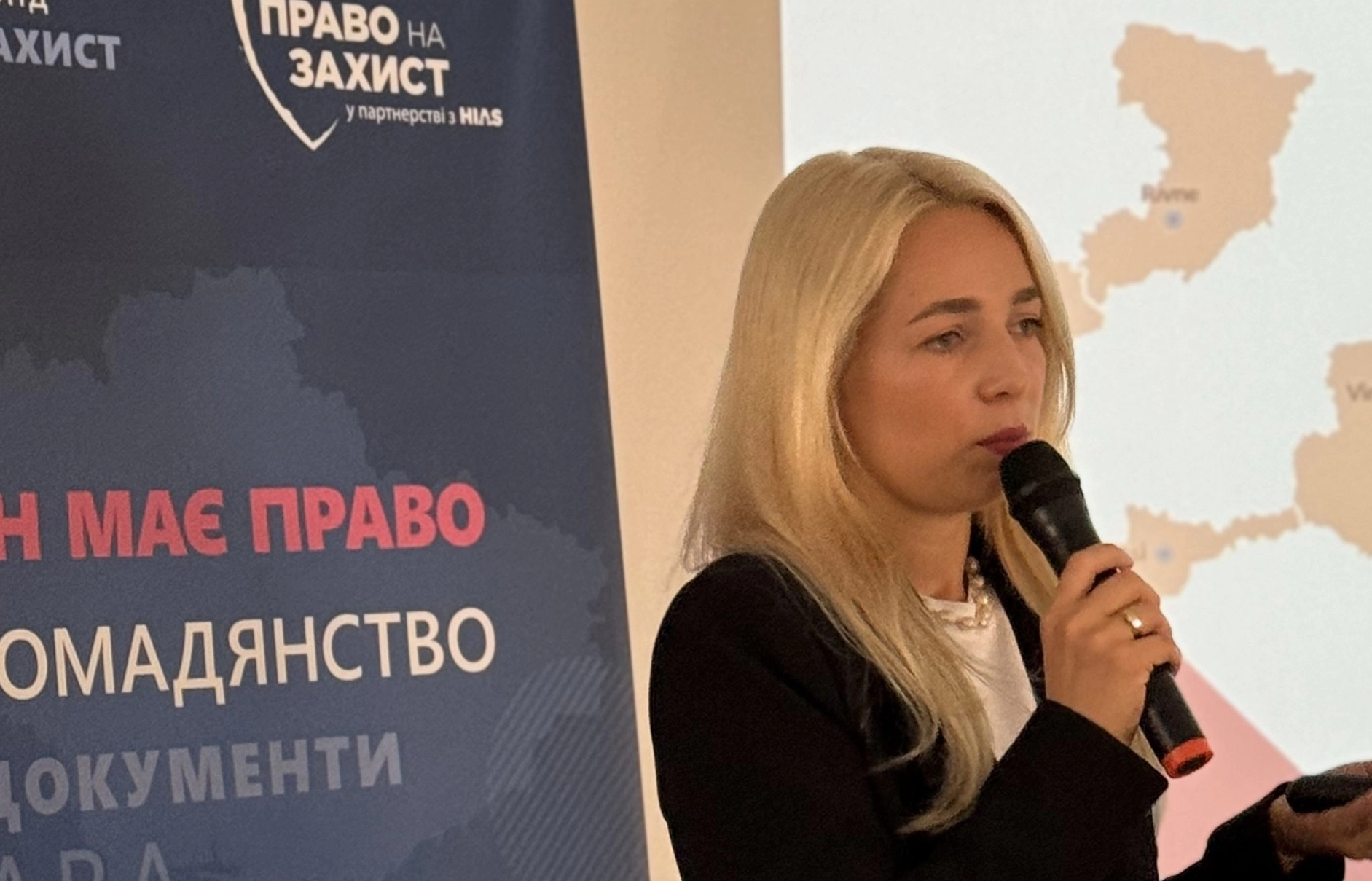
According to the UNHCR and Anastasia Koval, a lawyer helping refugees in Ukraine, the Hr.9,000 ($200) cost of the test was unaffordable for stateless persons. Others consider the need to test those immigrants who have supported Ukraine, sometimes for decades, a humiliation.
“Many of us come from WWII Ukrainian political migrants, have spoken Ukrainian all our lives, told the world about Ukraine, even when it was part of the Soviet Union, but now we still have to prove that we deserve it,” a British journalist of Ukrainian origin told us.
The bureaucratic machine and “invisible” people
The proposed law still does not take into account the realities of present day Ukraine which currently hosts almost a quarter of a million stateless persons who, because the State Migration Service – the body that issues refugee permits, residence permits, or citizenship – is overly conservative according to Koval. Many have had children in Ukraine but because they have no legal status, will not benefit from the citizenship agreement.
“The law guarantees citizenship for children of those people who live in Ukraine, or for children born to citizens of Ukraine. But since people have been waiting for these documents for years, and many have not received them, it turns out that children are unable to obtain citizenship. This law does not change these norms,” Koval said.
An example is the blogger Mykola Malukha, whose wife, a Russian citizen, has lived in Ukraine for 15 years and supports the country, but who has been unable to obtain citizenship in that time.
“The [new] law says that if your ancestors were born in Ukraine [at any time]… but when my wife, whose family came from here in 1920, applied [for citizenship] … she was told the archives store data only for the last 75 years and was refused… In Ukraine, the law says one thing, but your fate is decided by the bureaucracy, or the mood of the official on the day,” Malukha said.
Another category of citizens the law left out are the children and residents of the occupied territories:
“Russia strips them of their Ukrainian birth certificates and forces them to take a Russian passport – they would be completely excluded from life if they refused. Ukraine does not currently have a mechanism for restoring citizenship [for them] without evidence – witnesses are required, parental testimony and so on,” Viktoria Pylypenko a history professor, a refugee from Luhansk, said.
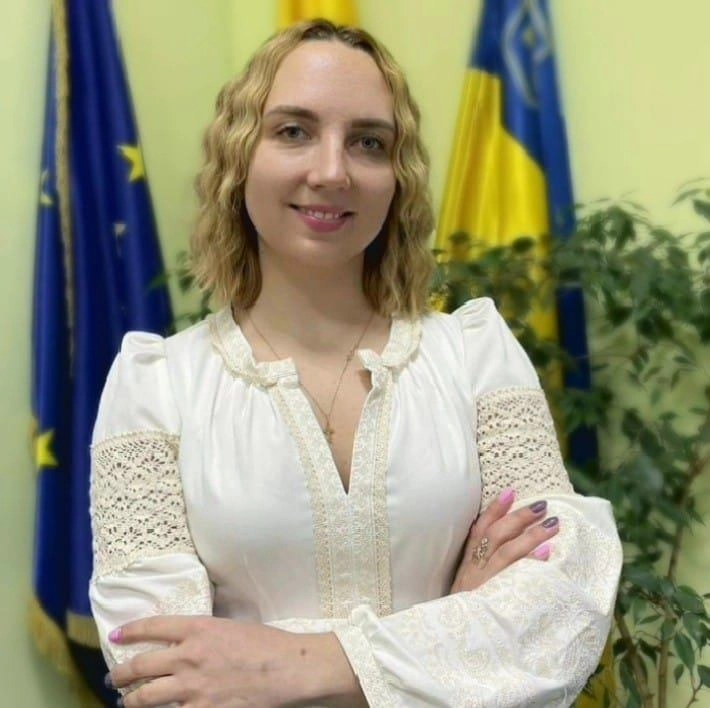
Koval says Ukraine needs to recognize Russian citizenship for those in the occupied territories as invalid as the records of so many have been lost and often those Ukrainians who have fled the occupation end up as stateless persons in their own country.
“The [new] law may be good, but it will not help if the state body responsible is unreformed. Unlike other structures, such as the police, prosecutor’s office, etc. it is not visible, doesn’t affect most Ukrainians and so there is no public demands for change,” Malukha said.
This law is acknowledged by Ukraine’s MPs as a step in the right direction but more progress in this area is needed.
“This law is the first, but not the last, of the important decisions in the areas of citizenship, demography, and migration that are needed. Decisions that should be systematic and responsible. Because we are talking about the future of our country and nation,” Vyatrovych said.
You can also highlight the text and press Ctrl + Enter