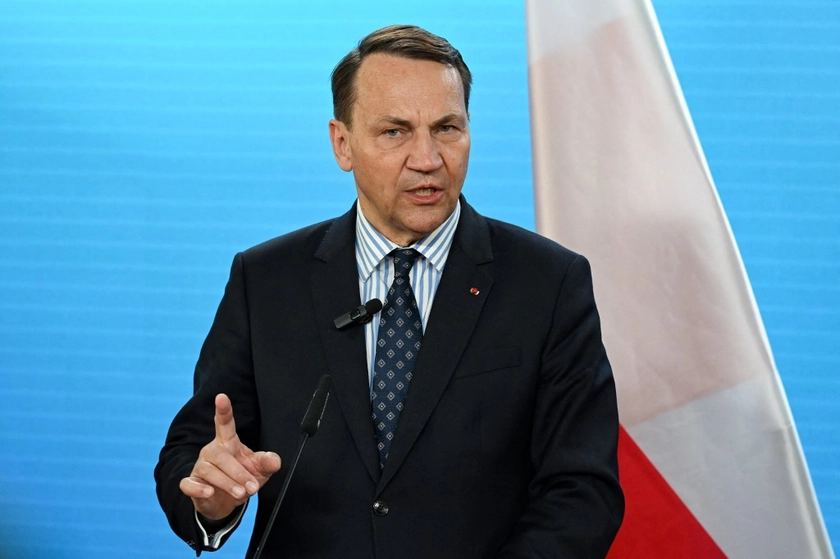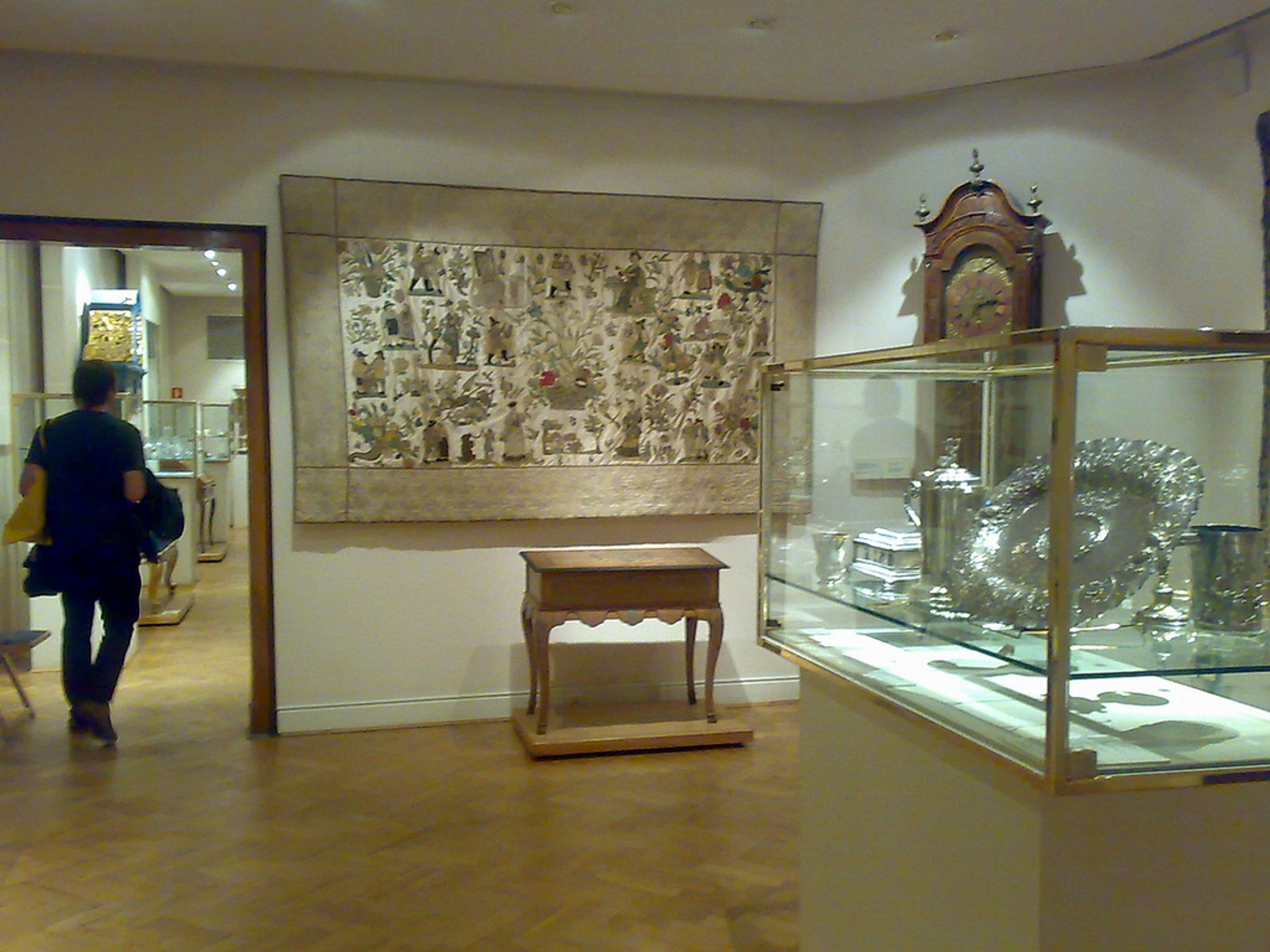
Poland is preparing a contingency plan to evacuate its most valuable cultural assets in the event of a Russian invasion, the country’s Minister of Culture Hanna Wróblewska told the Financial Times.
The move is part of a broader national security strategy under Prime Minister Donald Tusk, which includes doubling the size of the armed forces to 500,000 and bolstering border protection.
JOIN US ON TELEGRAM
Follow our coverage of the war on the @Kyivpost_official.
“Our museums can no longer operate within the theoretical concept of safety,” Wróblewska said in remarks published on Saturday.
The plan involves cooperation with foreign governments to secure temporary storage abroad for paintings, sculptures, rare books, and musical instruments held in approximately 160 state-run institutions. Private galleries and museums are also expected to participate.
Oversight of the project has been entrusted to Maciej Matysiak, a former army colonel and ex-deputy head of Poland’s military counterintelligence agency. He now leads the Ministry of Culture’s newly established Department of Security and Crisis Management.
The initiative partly draws on Poland’s experience helping Ukraine relocate cultural assets following Russia’s 2022 invasion.
Wróblewska added that updated documentation processes are underway to facilitate future repatriation.
Deciding which items merit “priority evacuation” remains a key challenge. “It’s not possible to evacuate everything,” she said.
Russia Warns Citizens Against Travel to Moldova
Baltics drawing up plans
The minister noted that similar emergency planning efforts are also being pursued by Lithuania, Latvia, and Estonia.
The region-wide emphasis on protecting cultural heritage comes amid heightened awareness of wartime risks.
Last year, civil and military personnel from the Baltic states attended a three-day UNESCO workshop in Estonia, focusing on safeguarding cultural property during conflict.
The training session covered legal obligations under the 1954 Hague Convention and its two Protocols.“Understanding the military perspective of cultural property protection helps plan civilian activities more effectively in the event of armed conflict,” one participant said.
Participants also visited the bombed St. Nicholas Church in Tallinn’s Old Town, where they studied historical evacuation efforts during World War II.
Meanwhile, Poland continues its long-standing efforts to recover artwork looted during World War II. According to Wróblewska, approximately 20 works are returned annually from countries including Germany and the United States, but many remain missing.
You can also highlight the text and press Ctrl + Enter