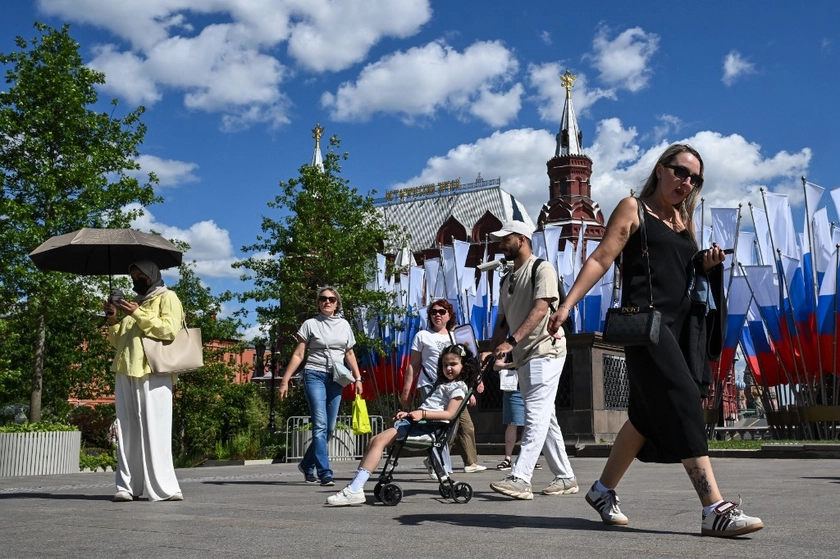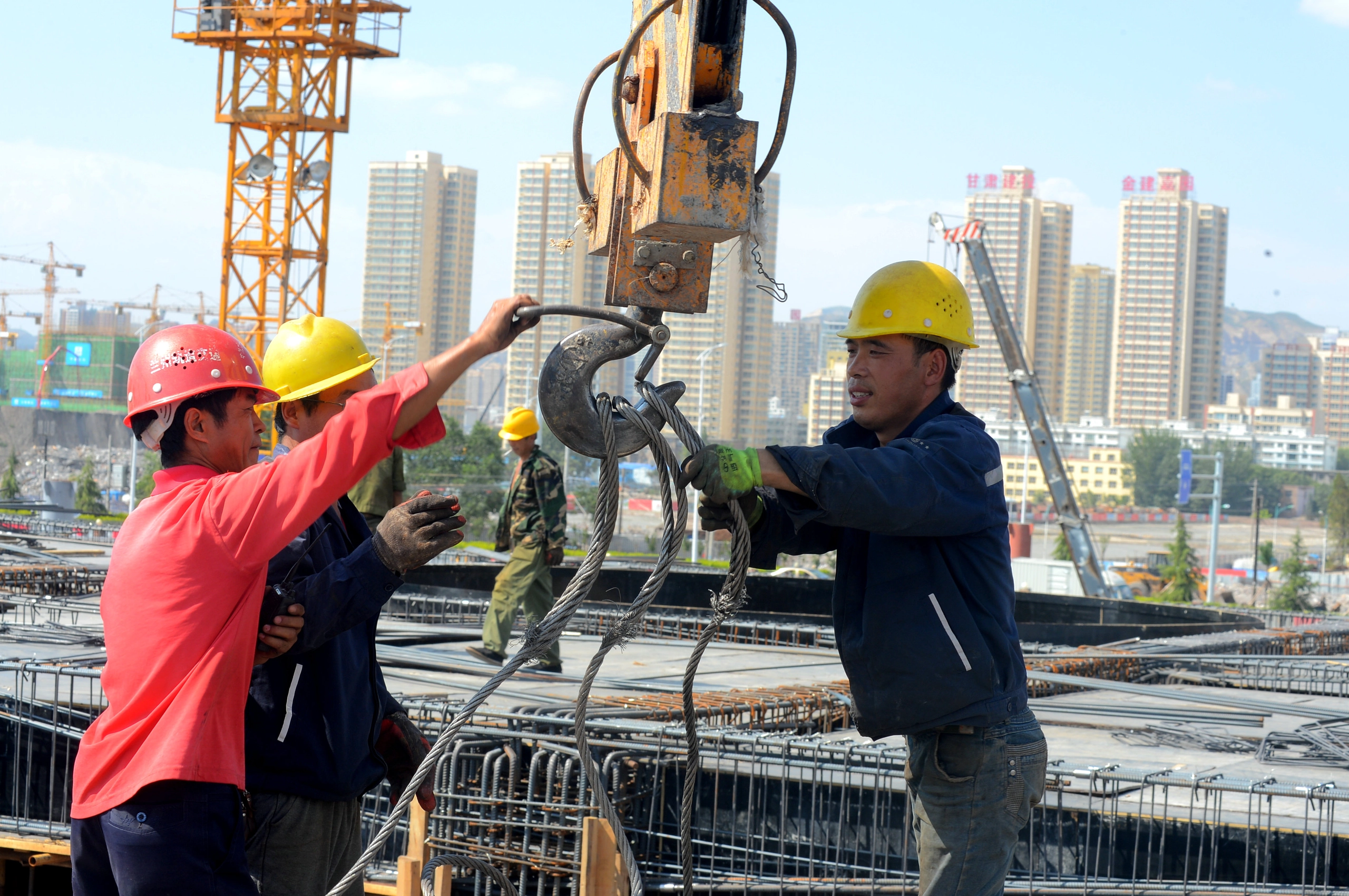
In 2024, Russian industrial enterprises hired 47,000 foreign workers from countries with which it maintains visa requirements, including China, India, Turkey, Serbia, and others. According to The Moscow Times, Russia’s Ministry of Labor explained that the number of permits issued is based on labor market demand and regional applications.
The highest demand is for skilled workers such as welders, concrete workers, finishing laborers, as well as staff for the food and agricultural sectors. Employers most often seek candidates from China, India, Myanmar, Sri Lanka, Vietnam, and the Philippines, as individuals from Buddhist and Hindu backgrounds are generally regarded as disciplined and respectful of rules – typically responsible, calm, and non-confrontational, the article notes.
The labor shortage in Russia’s construction, manufacturing, and tech industries is attributed to the war in Ukraine and the country’s policy of import substitution.
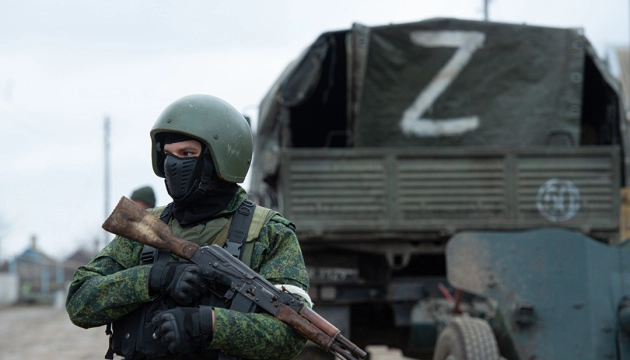
In addition, since the start of its full-scale invasion, Russia has been actively recruiting mercenaries from Asia and Africa – most of whom are not professional soldiers but labor migrants. They are lured with promises of high wages, fast-tracked Russian citizenship, and jobs in Moscow or in the rear.
Often, recruitment involves deception: people are brought to Russia under false pretenses, have their documents confiscated, and are then sent to the front lines as cannon fodder.
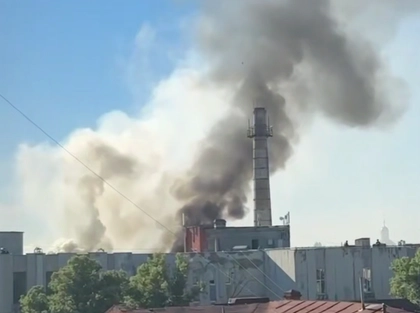
Ukraine Hits Targets 1,300 km Inside Russia, Striking Ufa Oil Refinery and Penza Missile-Linked Plant
This is how men from Nepal, India, Somalia, and other countries ended up fighting in Russia’s armed forces. In many cases, Russia has coerced thousands of migrant workers and foreign students into joining its military.
Moscow has also recruited convicts from its prisons. Meanwhile, some African nationals in Russia on work visas have reportedly been detained and forced to choose between deportation or fighting, according to a European official cited by Bloomberg last year.
In January 2024, Nepal suspended the issuance of work permits for Russia and Ukraine after at least ten of its citizens were killed on the front lines. According to local authorities, at least 200 Nepalese are serving in the Russian army, with around 100 listed as missing.
You can also highlight the text and press Ctrl + Enter

Russia Hit by 660-Drone Overnight Barrage Targeting Moscow, Crimea and Key Military Sites