NATO’s secretary general Mark Rutte on Tuesday criticized Russia for not taking recent peace talks with Ukraine seriously by sending a historian, instead of real negotiators, to recent Istanbul meetings.
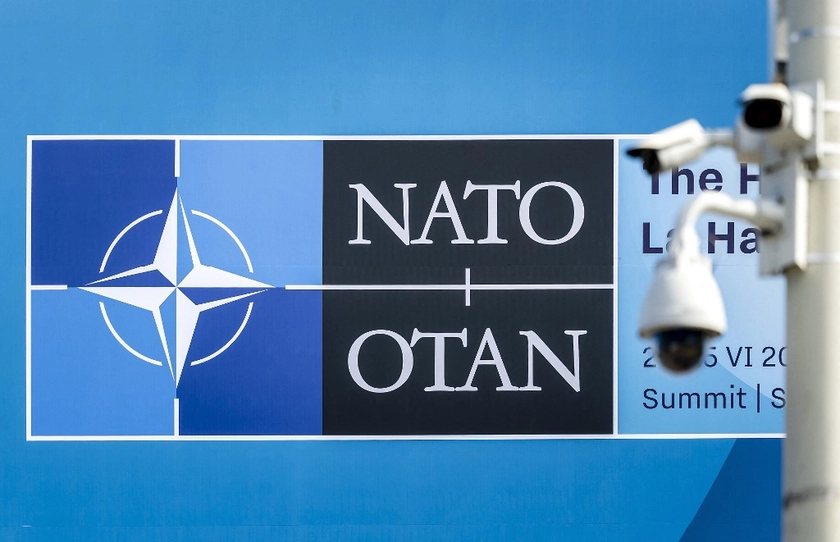
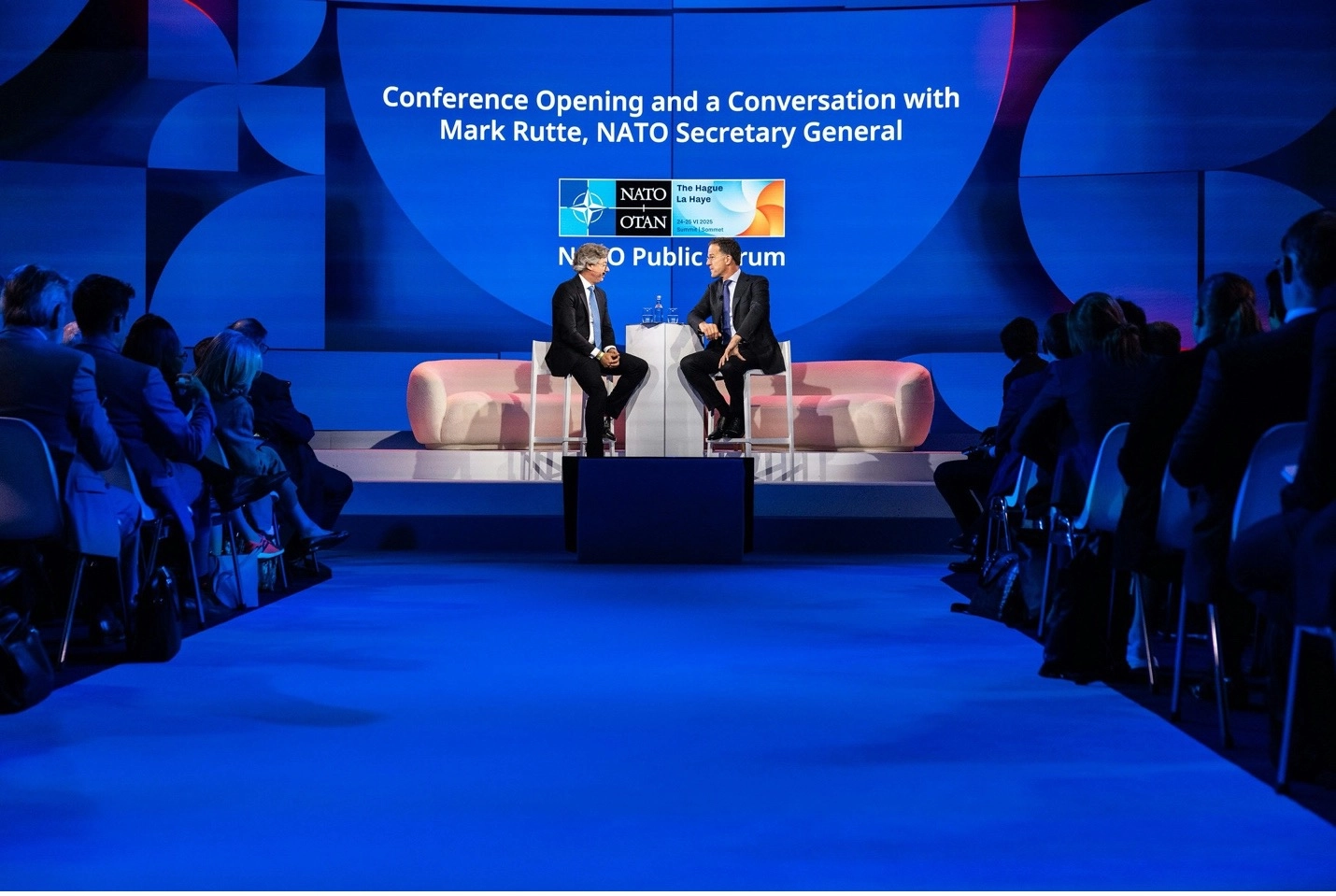
Speaking at the opening session of the NATO Public Forum in The Hague, Rutte commended US President Donald Trump for “breaking the deadlock” with the Kremlin and stressed the need for well-prepared and serious future negotiations, aiming for a lasting peace deal.
JOIN US ON TELEGRAM
Follow our coverage of the war on the @Kyivpost_official.
“I’m not talking about these talks which this Russian historian is now leading... Now, twice this was not serious business,” he said, referring to Istanbul meetings where the Russian delegation was led by Vladimir Medinsky, who is a lead architect of the historical revisionism that drove Moscow to invade its next-door neighbor.
Ukraine, Rutte said, sent senior-level delegations to the Istanbul meetings, which included the country’s defense minister, the presidential chief of staff, the top diplomat, and others. “They took this seriously, but clearly Russia was not serious, but hopefully serious talks will start in the near future.”
He also highlighted the importance of continued American leadership in resolving the crisis, saying the focus should be on ensuring Ukraine is in the strongest possible position to negotiate any future peace talks.
“We have to make sure that whatever the long-term ceasefire or the peace deal on Ukraine will be, that it is lasting, that it is durable, that Vladimir Vladimirovich Putin, will never, ever again try to catch one square kilometer – or for the Americans one square mile – of Ukrainian territory,” Rutte said.
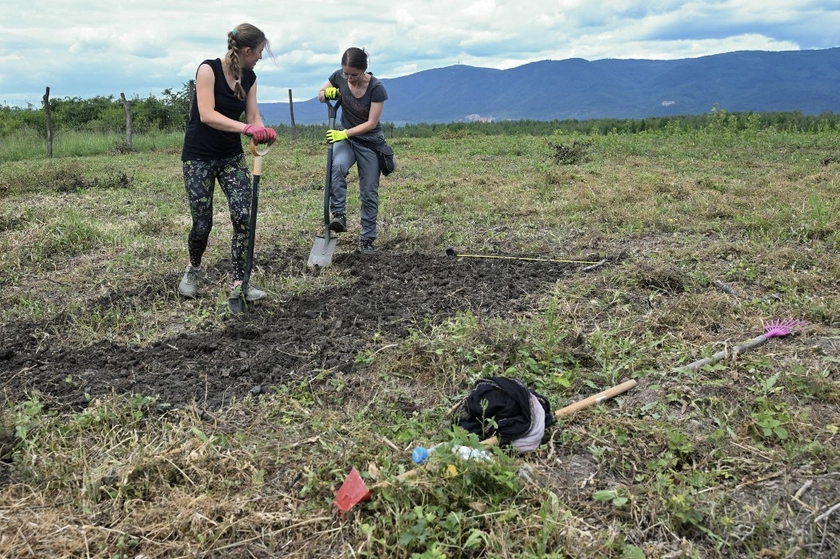
NATO Project Tests Perennial Grass to Clean Ukraine’s War-Hit Soil
Asked about the international community’s response to the crises in the Middle East and Ukraine, the NATO chief emphasized the importance of managing multiple issues simultaneously.
The Hague summit comes amid the shadow of the escalation in the Middle East and the ongoing war in Ukraine. Both crises are likely to be addressed during the session.
Getting NATO members to shell out more money in defense spending has been one of Trump’s key demands. He is currently on his way to the Netherlands and is expected to arrive this evening.
Rutte also highlighted the significant military support for Ukraine, noting that Europeans and Canadians have pledged over $40 billion for this year. This represents a shift in the burden from the US to other nations.
In the meantime, he went on to emphasize that Ukraine, initially a security consumer in Europe, is evolving into a security producer, influencing NATO’s defense strategies.
The alliance is learning significant lessons from the conflict, he said, explaining that the Russian forces are observed to be adapting to Ukrainian tactics within two to three weeks, necessitating frequent reevaluation of defense concepts by NATO and its allies.
Ukraine’s defense industrial base is substantial, with an untapped potential that other countries like Denmark, Norway, and Lithuania are investing in while supporting the country’s war efforts.
You can also highlight the text and press Ctrl + Enter
OPINION: The New Line Kyiv Quietly Built Into NATO
EU Investigates von der Leyen Over Zelensky Chat