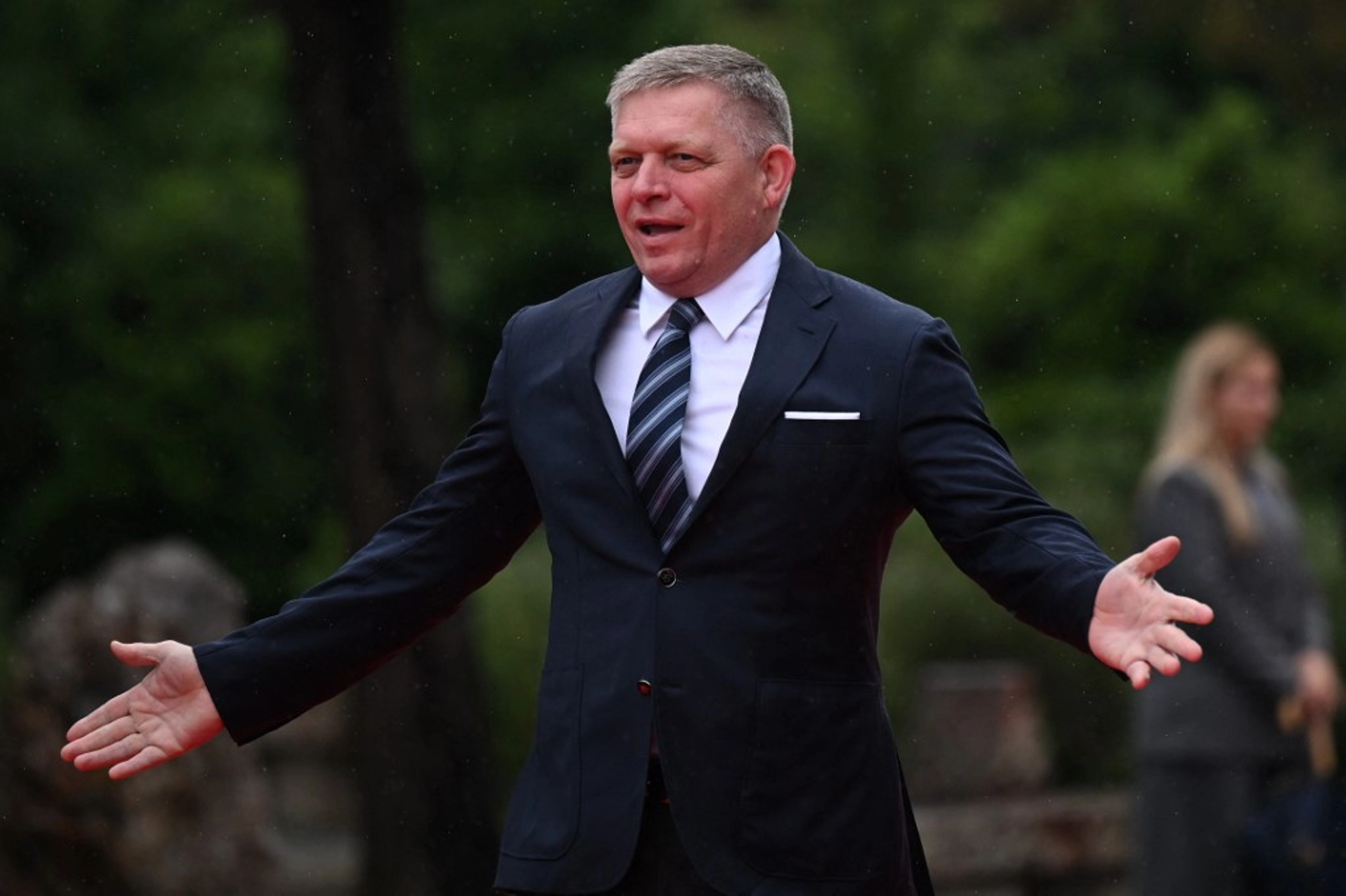
Slovakia has resisted calls to vote for the European Union’s 18th round of sanctions against Russia, citing concerns over the supply of Russian gas.
“I’m really sad that we didn’t reach this agreement today,” European Commission President Kaja Kallas told the AFP. “But I’m still hopeful that we will get the decision tomorrow.”
JOIN US ON TELEGRAM
Follow our coverage of the war on the @Kyivpost_official.
Since 2022, the EU has adopted 17 rounds of sanctions against Russia. The planned 18th package – which includes lowering the price cap on Russian oil from $60 to $45 per barrel and banning transactions with Nord Stream pipelines and certain banks – was delayed in June due to objections from Slovakia and Hungary.
Slovakia remains economically dependent on Russian gas imports and earns transit fees from Russian pipelines that traverse the small country neighboring Ukraine.
Slovakia’s President, Robert Fico, wrote on X that he believed the EU was overstepping its legal authorities in trying to ban Russian gas by 2028. He has demanded exemptions from the EU to allow Slovakia to complete its current gas and pipeline contracts through 2034.
In a letter to EU Chairperson Kaja Kallas posted on X today, Fico wrote:
“[The] Slovak Republic will never support REPowerEU in gas supplies, as it will harm Slovak households and the economy and further reduce the competitiveness of the entire European Union.”
Zelensky Proposes G7 Meeting With Putin to End War
REPowerEU is a European plan aimed at reducing the EU’s dependence on Russian fossil fuels and accelerating the transition to green energy.
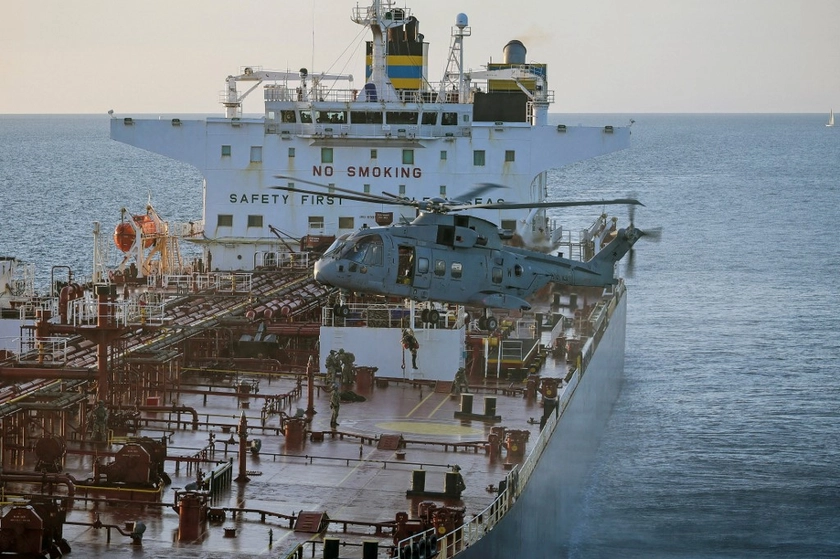
Meanwhile, Malta, a small island nation of just over half a million inhabitants, is heavily dependent on Russian oil for its maritime-based shipping economy. The Times of Malta, citing diplomatic sources, reports that Maltese officials were holding out their support this week in Brussels over concerns about the potential negative effects of a Russian oil price cap on Malta’s shipping industry.
Malta appeared to be reaching a deal with European officials late Wednesday evening, according to the AFP.
Hungary, a consistent blocker of Russian sanctions, also appears to have dropped its opposition to the most recent package of sanctions in recent weeks.
You can also highlight the text and press Ctrl + Enter