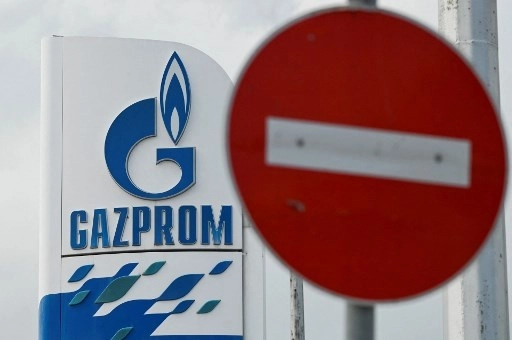
The European Commission proposed phasing out imports of Russian oil and gas by the end of 2027.
The plan follows the “REPowerEU” strategy, which aims to completely remove Russian oil, gas, and nuclear energy from the EU market, the EU Commission reported on its website, Tuesday, June 17.
JOIN US ON TELEGRAM
Follow our coverage of the war on the @Kyivpost_official.
“This will help the EU become more energy independent, improve the security of the energy supply, and boost the Union’s energy independence and competitiveness,” it said.
Under the REPowerEU strategy, new contracts for Russian gas imports will be banned from Jan. 1, 2026 and imports under existing short-term contracts will be stopped by June 17, 2026.
The EU made an exception for short-term contracts for pipeline gas delivered to landlocked countries and linked to long-term contracts – they must be ended by the end of 2027.
All long-term contracts for Russian gas will also be phased out by the end of 2027.
EU countries still importing Russian oil must prepare diversification plans to ensure a full stop by the same deadline, the EU Commission reported.
The phase-out is possible because “the EU has sufficient alternative suppliers in the global gas market, a well interconnected Union gas market and the availability of sufficient import infrastructure in the EU,” the Commission said.
The proposal includes legal safeguards to reflect gas market conditions and offers companies a clear framework for transition.

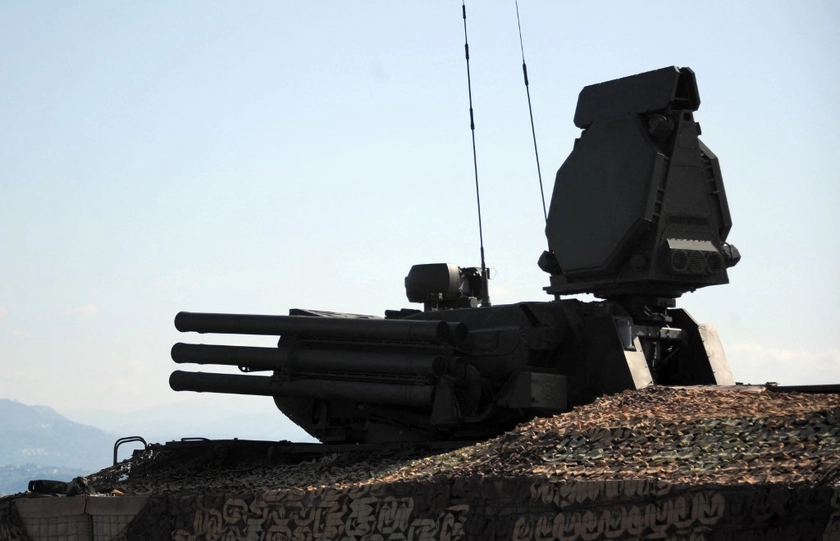
Additional Pantsir Air Defense System Spotted Near Attacked Moscow Oil Refinery
However, France and Belgium, the EUʼs top consumers of Russian liquefied natural gas (LNG), said that they are not supporting a Brussels EU Commission plan to completely ban the fuel by 2027. They both want more clarity on the legal and economic impact before deciding.
However, Hungary and Slovakia are also expected to resist the move, because they want to continue importing cheap Russian energy resources, Politico wrote.
While Russian gas imports to Europe faltered after Moscow’s 2022 invasion of Ukraine, it continued to contribute a tiny fraction of the quantity via the Turkish Stream, its one remaining pipeline route to Europe with a capacity of just under 16 billion cubic meters (565 cubic feet) per year, plus deliveries in the form LNG.
In 2024, Russian gas made up 19% of the EU’s imports, down from 45% prior to 2022, the EU Commission reported in May.
You can also highlight the text and press Ctrl + Enter