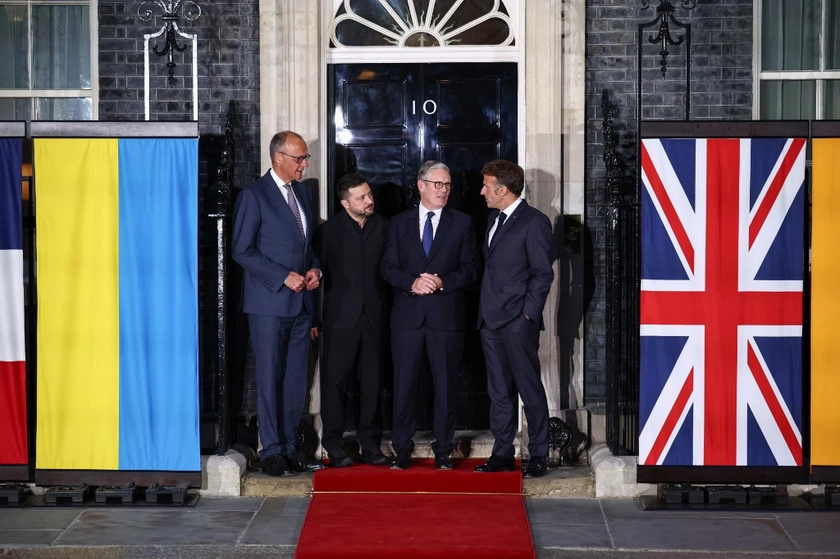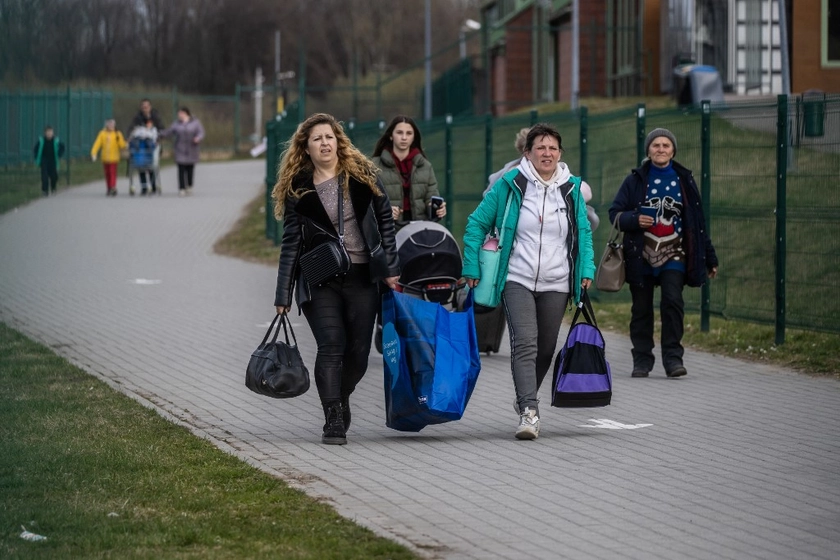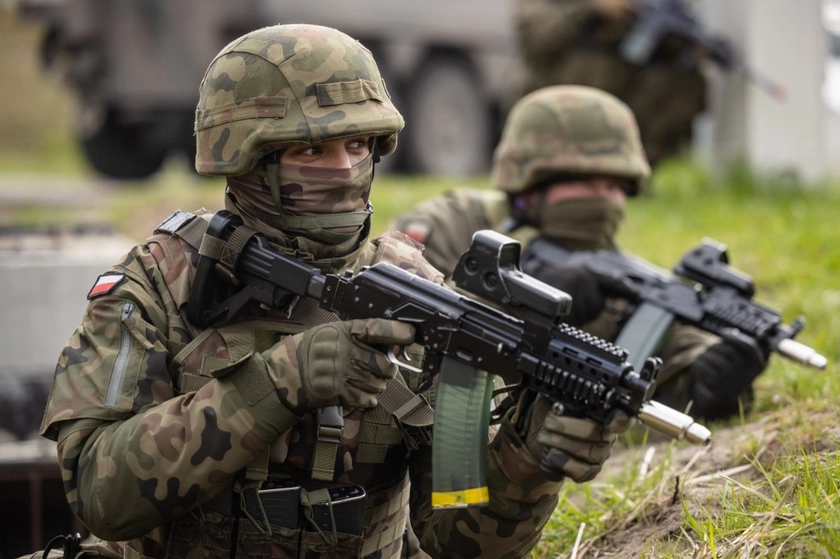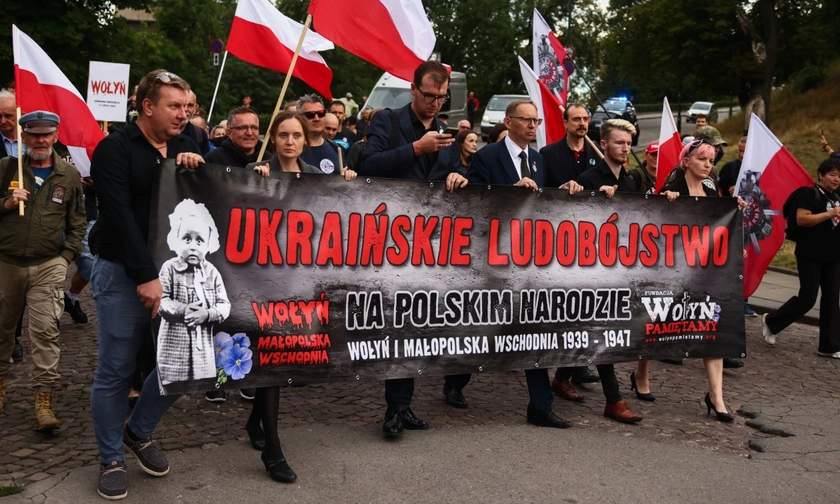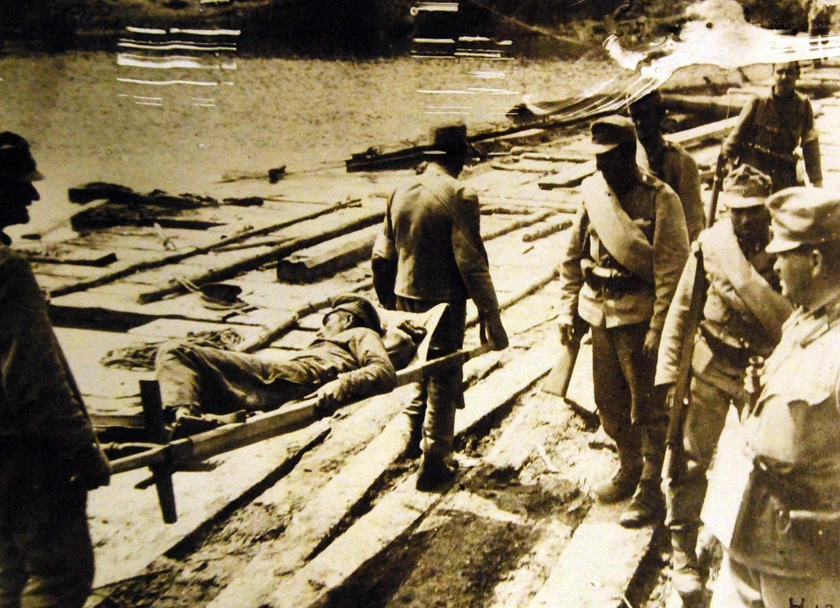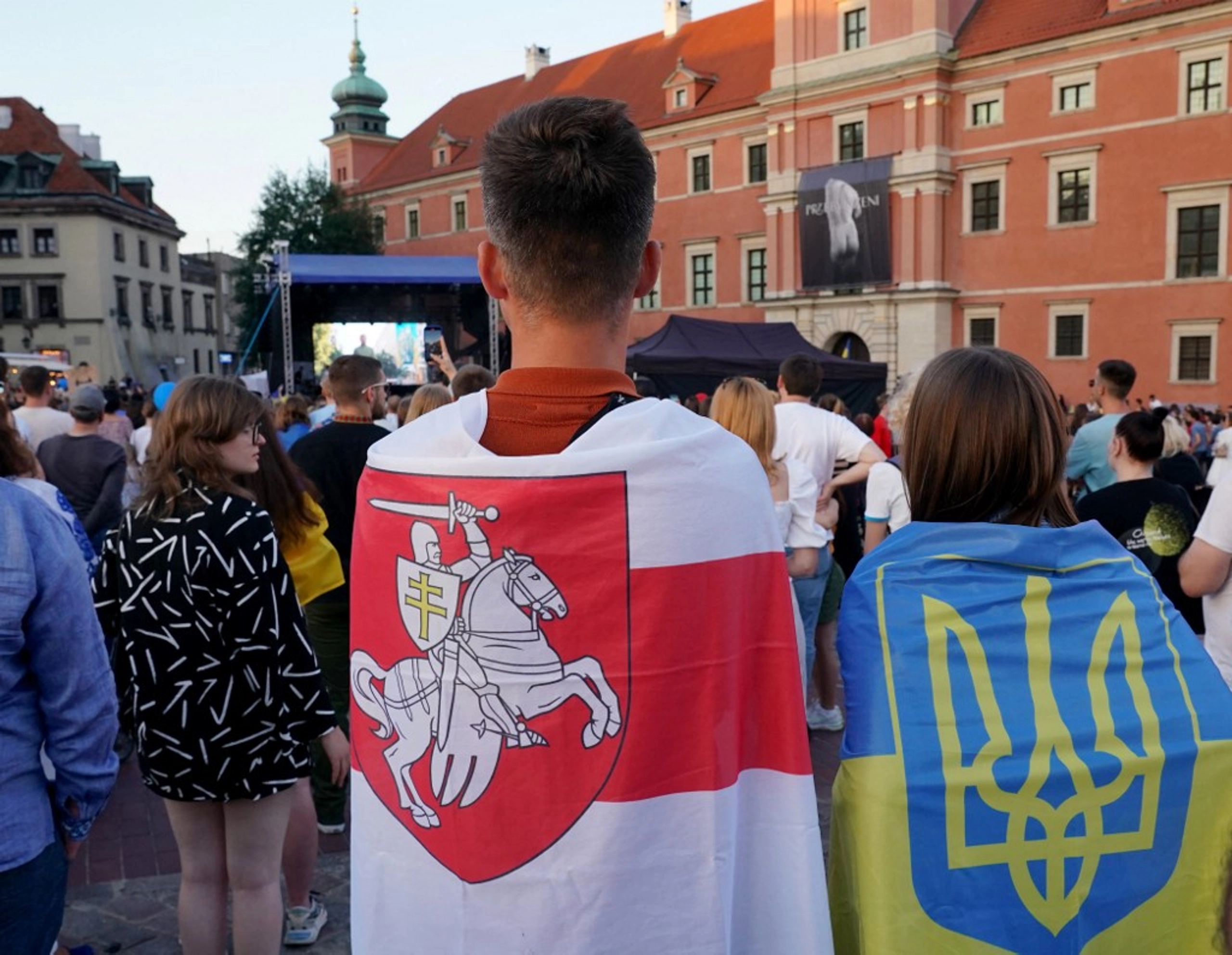
Since the beginning of Russia’s invasion, Poland and Ukraine have closely cooperated: Warsaw welcomed millions of refugees, provided military aid, and strengthened diplomatic ties. Yet despite this strategic alliance, a lingering issue from the past is increasingly casting a shadow over the relationship – the 1943 Volhynia events.
Referred to in Poland as a “massacre,” and in Ukraine as a “tragedy,” it remains a flashpoint in societal dialogue. Although Kyiv Post has reported progress, public sentiment in Poland suggests that the pace is too slow and the scale too limited. This unsettled historical grievance is stirring strong emotions and overshadowing other aspects of bilateral cooperation. Historical memory holds a special place in Polish identity, making the past easy to politicize.
JOIN US ON TELEGRAM
Follow our coverage of the war on the @Kyivpost_official.
Historian president: what Nawrocki means for Polish-Ukrainian dialogue
The political weight of historical issues was evident during Poland’s recent presidential campaign. The race was won by Karol Nawrocki, head of the Polish Institute of National Remembrance. This development sparked concerns among many observers about the future of Polish-Ukrainian relations. However, campaign rhetoric and presidential policy often differ.
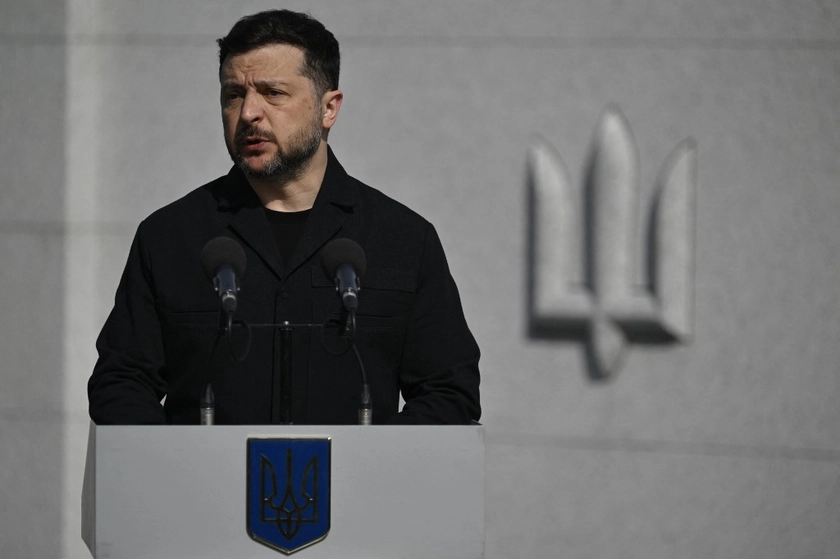
On July 12, during the commemoration of Bloody Sunday in Chełm, which was also attended by the Ambassador of Ukraine, Vasyl Bodnar, President-elect Nawrocki called for full-scale exhumations in Volhynia. He emphasized that historical truth should serve reconciliation, not deepen division: “We must do this so that Poland and Ukraine can truly reconcile… The threat from the neo-imperial, post-Soviet Russian Federation is too serious,” he stated.
Russia’s Invasion of Ukraine is Now Longer than WWI – Five Things to Know
His speech signaled that the memory of Volhynia would become a pillar of his presidency – though not necessarily at the expense of Warsaw-Kyiv relations.
Poland and Ukraine not only face a shared threat but also carry a shared duty to the future.
Diplomatic caution: how Ukraine responds
On the Ukrainian side, the issue of exhumations and remembrance of Volhynia is gaining increasing political visibility. For years, from the Polish perspective, sensitive historical topics were often downplayed or delayed. Today, however, more Ukrainian voices are acknowledging the need for honest dialogue.
As Ukrainian Ambassador to Poland Vasyl Bodnar told Kyiv Post, the key lies in avoiding politicization and maintaining a responsible tone: “We are aware that a true partnership requires honesty, courage, and mutual understanding – even in painful matters. We support an honest, responsible, and balanced historical dialogue, free from politicization and unilateral interpretations.”
According to Bodnar, clear progress has been possible since the joint statement by the foreign ministers of Poland and Ukraine in November 2024: “Effective channels of communication have worked, productive cooperation is underway, initial permits have been issued, search operations have begun, and experts and scholars are continuing their work. Further permits are currently in process.”
While acknowledging the limited scale, Bodnar believes the launch of the exhumation process already marked a significant shift in bilateral perceptions: “First came the ministerial declaration, then the creation of a working group, the first exhumation permits, and initial work in Puznyky. This has noticeably improved the atmosphere and prevented these difficult issues from dominating political agendas or the Polish presidential campaign in recent months.”
Bodnar also stresses that Ukraine does not reject Polish demands for further work. There is political will, but institutional capacity must be considered: “Let us make every effort to maintain the current pace – and if the so-called ‘capacity’ allows for it, we can talk about accelerating the process.”
Lessons from Vilnius: how Lithuania and Poland moved beyond historical grievances
An unresolved historical dispute can over time transform into a strategic issue in bilateral relations, overshadowing all else – but resolving it can reinvigorate the partnership. A case in point: Polish-Lithuanian relations. Despite a history full of grievances, both nations managed to build lasting cooperation.
After Lithuania regained independence, some activists within the large Polish minority advocated for national autonomy. Tensions surrounded the legacy of General Żeligowski, the 1920 annexation of Vilnius, and complaints from Lithuanian Poles about language discrimination. Yet after the USSR’s collapse, Poland and Lithuania were united by common goals – EU and NATO membership, and countering Russia.
Despite initial tensions, the two countries forged a strong alliance, aided by shared Western aspirations. Initiatives like the Lublin Triangle show that Poland and Ukraine, too, can follow this path – if political will translates into concrete steps.
On July 16 in Lublin, the Union of Lublin of 1569 was commemorated – a shared legacy of the Polish-Lithuanian Commonwealth. Foreign ministers of Poland, Ukraine, and Lithuania attended the event, part of the Lublin Triangle framework. A new platform for historians was announced, aimed at fostering research and dialogue on contentious historical issues.
Shared history, shared future
Shared legacies like the Union of Lublin or the Treaty of Hadiach are more than historical artifacts – they show that deep cooperation, aligned with modern realities, is possible. Poland and Ukraine can resolve their historical disputes, and political leaders on both sides can learn from the Polish-Lithuanian experience in managing such a process.
“We have a common enemy and a shared responsibility for the future. History does not have to divide us. Both the pages of glory and victory, and the tragic moments of our shared past should form the foundation of honest dialogue, mutual respect, and building a common future for the good of our nations,” Ambassador Bodnar told Kyiv Post. History does not have to divide – if approached with honesty.
Today, Poland and Ukraine not only face a shared threat but also carry a shared duty to the future. Reconciliation won’t be easy – but the cost of failure could be far greater.
You can also highlight the text and press Ctrl + Enter